Southwest Alters 'Customer of Size' Policy, Ends Open Seating in Jan 2026

Co-Founder & CEOAviation News Editor delivering trusted coverage across the global aviation industry.
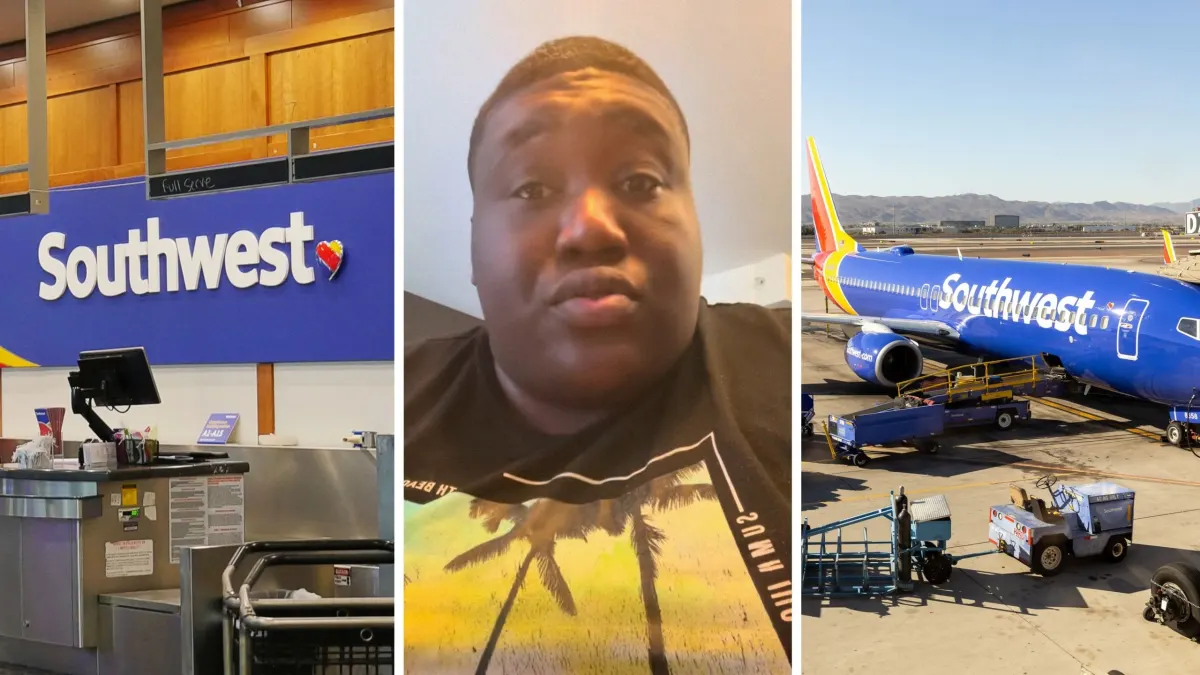
Southwest Airlines updated its 'Customer of Size' policy in January 2026, requiring pre-purchase of extra seats and ending its open seating tradition.
Key Takeaways
- •Ended its long-standing 'Customer of Size' accommodation policy in January 2026.
- •Requires plus-size passengers to purchase a second seat in advance of travel.
- •Eliminated its open seating model, transitioning to assigned seats on January 27, 2026.
- •Highlights the ongoing debate over FAA minimum seat dimension regulations for safety.
In a significant operational shift, Southwest Airlines implemented a revised 'Customer of Size' policy in January 2026, fundamentally changing how it accommodates passengers requiring additional space. The new rules coincide with the carrier's complete transition away from its signature open seating model to an assigned seating system, which was finalized on January 27, 2026.
The policy adjustment requires passengers who cannot comfortably fit in a single seat to purchase an additional seat in advance of travel. This marks the end of Southwest's long-standing, more flexible practice of allowing passengers to request a complimentary second seat at the gate or obtain a refund for a pre-purchased extra seat after the flight. The change has drawn attention following social media accounts from passengers like TikTok creator Isaac Smith, who detailed an uncomfortable experience with airline staff despite having purchased two seats as required.
Policy Changes and Passenger Impact
Under the new guidelines, passengers who need more space must secure it during the booking process. According to the official Southwest Airlines Extra Seat Policy, refunds for the second seat are now only available if the flight is not full and the request is made within 90 days of travel. This shift places a greater financial and logistical burden on affected travelers, who previously could rely on Southwest's more accommodating at-gate process.
The move away from open seating was driven by customer preference, with the airline citing that 80% of its passengers prefer assigned seats. However, the combined policy changes have been criticized by advocates for plus-size travelers. Tigress Osborn, executive director of the National Association for the Advancement of Fat Acceptance (NAAFA), noted the change ended what was once considered the 'best plus size passenger policy in the world,' effectively creating a 'fat tax' that makes air travel less accessible.
This policy update also places gate agents in the difficult position of making real-time judgments about a passenger's size and potential encroachment into an adjacent seat, which can lead to conflict and negative customer interactions.
Regulatory and Industry Context
The debate over seating for plus-size passengers is closely tied to broader regulatory questions about aircraft seat dimensions. The FAA (Federal Aviation Administration), under direction from Section 577 of the FAA Reauthorization Act of 2018, has been tasked with establishing minimum seat dimensions necessary for passenger safety. However, the agency's primary focus remains on the ability to evacuate a full aircraft within 90 seconds, as mandated by federal regulation 14 CFR § 25.803(c). Airlines often cite this safety requirement when enforcing rules about keeping armrests down and ensuring passengers do not block egress.
Advocacy groups like Flyers Rights have petitioned for minimum seat sizes based on both safety and comfort, but a March 2023 federal court ruling affirmed the FAA is only required to consider safety and evacuation standards. This regulatory environment allows airlines to maintain seat widths that many passengers find restrictive. The FAA's request for public comments on the matter has highlighted the deep division between consumer comfort expectations and current airline practices.
Furthermore, the Air Carrier Access Act (ACAA), enforced by the Department of Transportation (DOT), prohibits discrimination based on disability. Advocates frequently argue that failing to accommodate plus-size passengers without extra charges violates the spirit of the ACAA, though this remains a contested legal area.
Economy Seat Width Comparison
| Metric | Southwest 737 | Comparison |
|---|---|---|
| Seat Width | 17.0-17.8 in | JetBlue A320 (18.0 in) |
| Seat Pitch | 31-32 in | Spirit A320 (28 in) |
Why This Matters
Southwest's policy change signals a broader industry trend toward standardizing passenger accommodation rules, prioritizing operational predictability and revenue consistency over more flexible, customer-centric policies. By aligning with competitors like United Airlines, Southwest has abandoned a key market differentiator. The development underscores the persistent tension between airline economics, passenger rights, and the lack of definitive federal regulations on seat dimensions, leaving travelers to navigate a patchwork of carrier-specific rules that can create financial and emotional distress.
Get breaking commercial aviation news and expert airline analysis at omniflights.com. Follow aviation sustainability efforts, emissions research, and green initiatives in the Environmental section at omniflights.com/environmental.
Written by Hardik Vishwakarma
Co-Founder & Aviation News Editor leading initiatives that improve trust and visibility across the global aviation industry. Covers airlines, airports, safety, and emerging technology.
Visit ProfileYou Might Also Like
Discover more aviation news based on similar topics
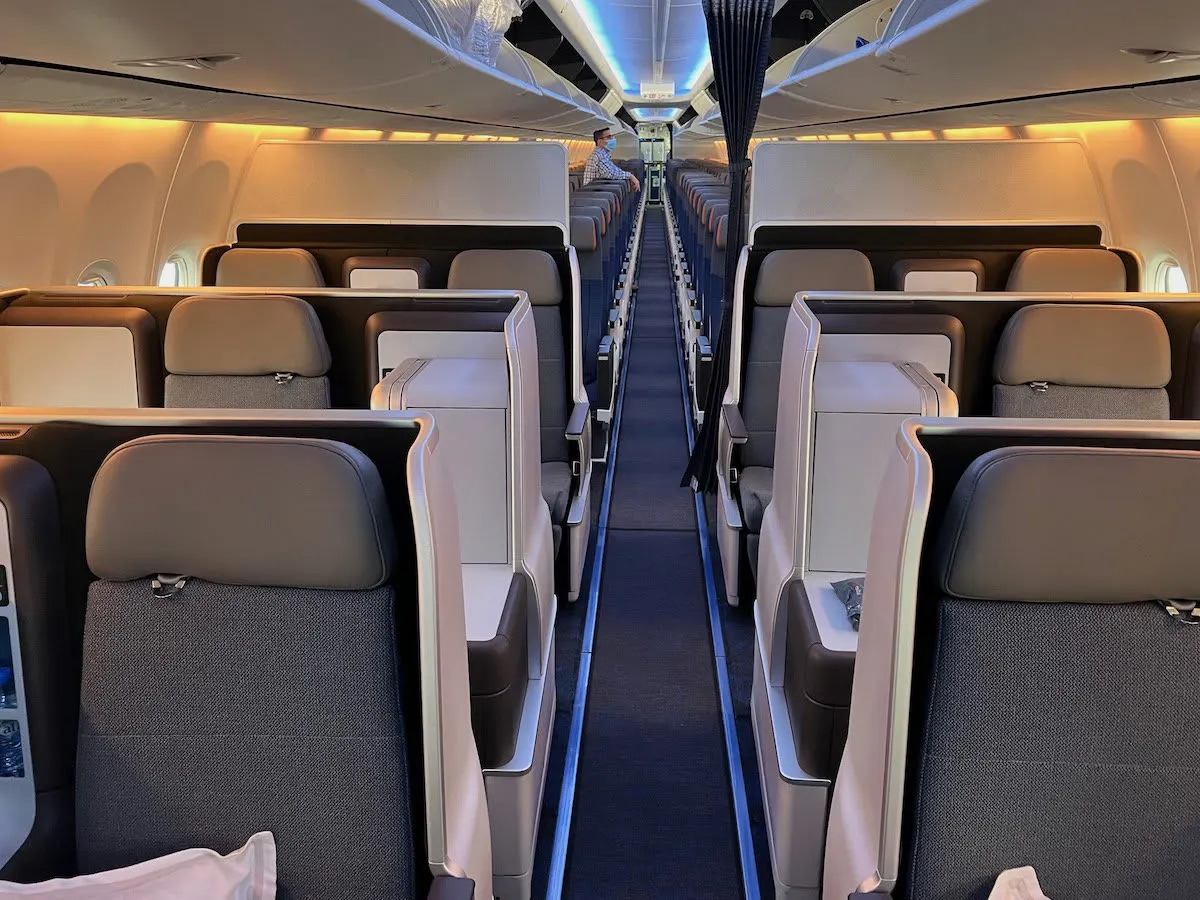
Flydubai Upgrading 21 Boeing 737 MAX 8s to Flat Bed Seats
Flydubai is retrofitting 21 Boeing 737 MAX 8 aircraft with lie-flat business class seats to standardize its premium product by late 2027.
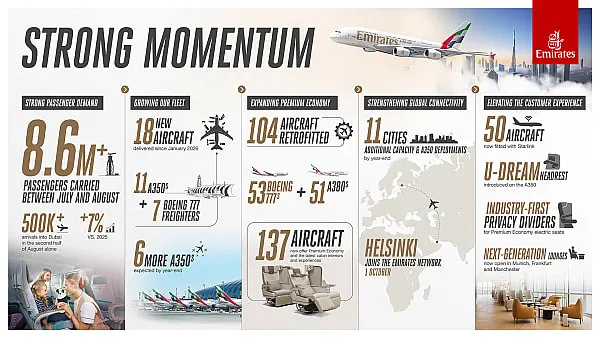
Emirates Winter Booking Momentum Grows Amid Fleet Expansion
Emirates carried 8.6 million passengers this summer and enters winter with strong demand as it accelerates fleet retrofits and network growth.
Air Arabia Consortium Gains AOC for New Dammam Budget Airline
A Saudi GACA-led consortium including Air Arabia has secured an AOC to launch a new budget airline based at Dammam's King Fahd International Airport.
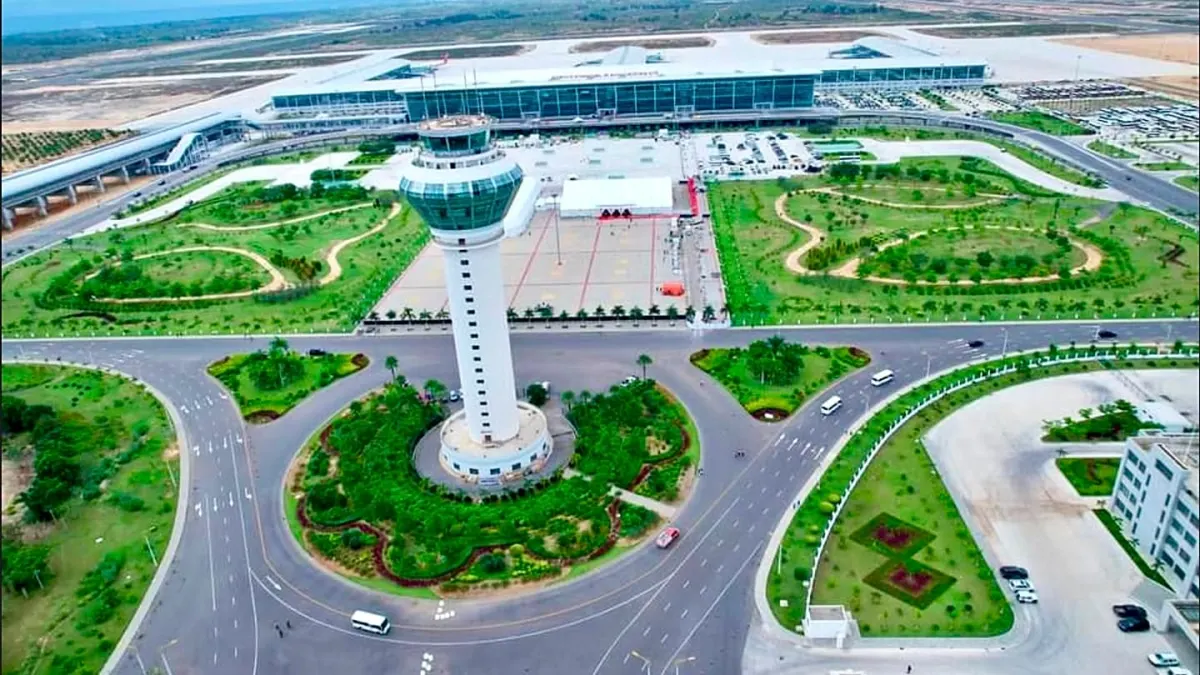
Turkish Airlines Exits Luanda as Angola Hub Struggles
Turkish Airlines dropped its Luanda route as Angola's new airport struggles to attract traffic, handling only 756,028 passengers in 2025.

Red Sea Airlines Leases Two 737 MAX 8s for 2027 Expansion
Red Sea Airlines signed a lease for two Boeing 737 MAX 8 aircraft from SMBC Aviation Capital, arriving in 2027 to support its 14-aircraft fleet goal.
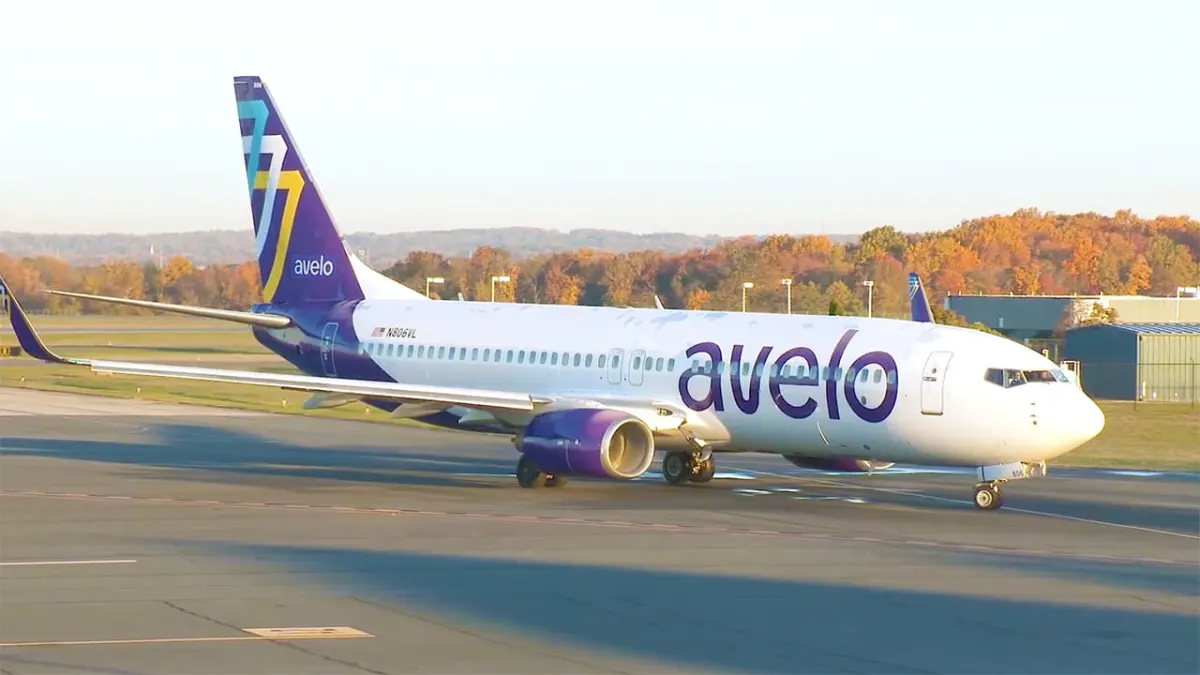
Avelo CEO Warns Airfares May Rise on Jet Fuel Price Spikes
Avelo Airlines CEO Andrew Levy warns that rising fuel costs may force fare increases as global jet fuel prices reach $171.01 per barrel.