FedEx MD-11 Returns to Service After 6-Month Grounding

Co-Founder & CEOAviation News Editor delivering trusted coverage across the global aviation industry.
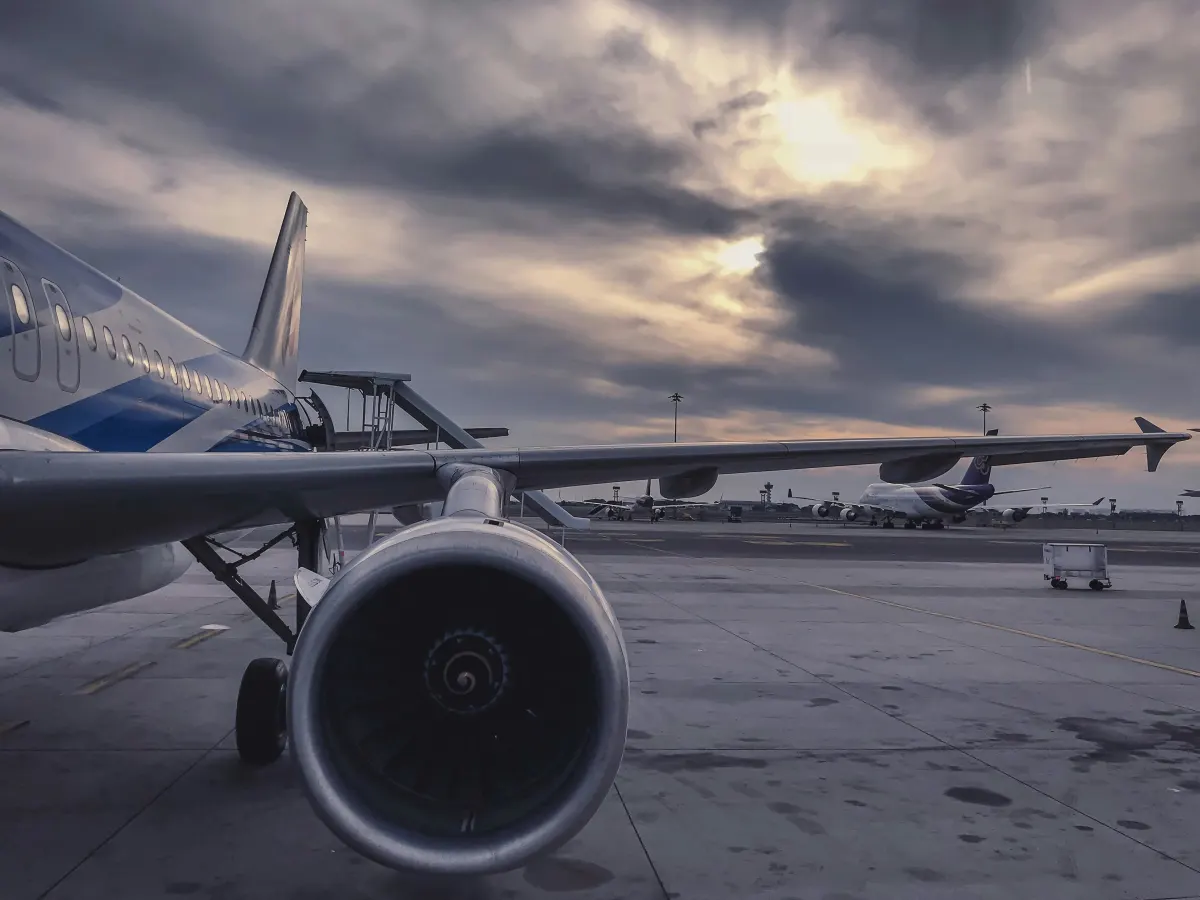
FedEx has flown its first MD-11 in six months, beginning the return to service for its 29-aircraft fleet after a grounding from the fatal UPS 2976 crash.
Key Takeaways
- •FedEx flew its first MD-11 after a 6-month fleet grounding.
- •The grounding followed the fatal UPS Flight 2976 crash in Nov. 2025.
- •FedEx will repair its 29 MD-11s; UPS retired its 27-aircraft fleet.
- •A Boeing-designed engine pylon fix is required for FAA approval.
Six months after a catastrophic accident grounded a key workhorse of the global air cargo fleet, a FedEx MD-11 has taken to the skies, signaling the start of the type's return to service. The flight is the first for the carrier's McDonnell Douglas MD-11 fleet since November 2025, when the FAA (Federal Aviation Administration) issued an emergency grounding order following the fatal UPS Flight 2976 crash. This development marks a critical step in restoring widebody capacity for FedEx as it implements a Boeing engine pylon fix across its fleet of 29 tri-jet freighters.
The successful test flight initiates a phased return for an aircraft type that was abruptly removed from service just before the 2025 holiday peak season. The grounding created a severe capacity crunch for both FedEx and UPS (United Parcel Service), the world's largest operators of the MD-11. The incident has forced a strategic divergence between the two cargo giants: while FedEx is investing in the complex repair, UPS has opted to permanently retire its entire 27-strong MD-11 fleet, accelerating its transition to more modern twin-engine aircraft.
Background of the Grounding
The fleet-wide grounding was a direct result of the crash of UPS Flight 2976 in November 2025. According to the preliminary report from the NTSB (National Transportation Safety Board), the aircraft's left engine and pylon assembly detached during its takeoff roll. The incident resulted in 15 fatalities, including three crew members and twelve individuals on the ground.
In response, the FAA issued an Emergency Airworthiness Directive (EAD), grounding all MD-11, MD-10, and DC-10 aircraft worldwide. The order affected approximately 167 aircraft globally, mandating immediate inspections of the engine pylon structure. The investigation has focused on a spherical bearing in the pylon aft bulkhead, which is the subject of the Boeing-designed hardware fix.
Divergent Fleet Strategies
The grounding presented a stark choice for the aircraft's primary operators. FedEx, which operates the world's largest MD-11 fleet, has chosen to implement the costly repairs. This decision aligns with its strategy to extend the life of its tri-jets to 2032 to service high-density cargo routes. The return of its 29 MD-11s is critical for restoring lost lift and reducing the company's reliance on expensive wet-leased capacity.
In contrast, UPS used the grounding as a catalyst for fleet modernization. The company announced in its Q4 2025 earnings report that it would permanently retire all 27 of its MD-11s. This move accelerates its shift toward a more fuel-efficient, twin-engine freighter fleet, primarily composed of Boeing 767s and 747-8s. This strategic split leaves FedEx as the last major global operator committed to the long-term future of the MD-11.
Historical Parallels in Pylon Failures
The circumstances of the UPS 2976 crash are hauntingly similar to previous aviation accidents involving engine pylon failures. The most direct analogue is the 1979 crash of American Airlines Flight 191, a DC-10—the direct predecessor to the MD-11. In that accident, the left engine detached on takeoff due to a pylon failure caused by improper maintenance procedures, leading to the temporary grounding of the entire DC-10 fleet and a redesign of pylon service protocols.
Another relevant precedent is the 1992 crash of El Al Flight 1862, a Boeing 747 freighter. Two engines on the right wing detached due to structural failure in the pylon's fuse pins. That accident also led to FAA airworthiness directives mandating redesigned hardware for the global 747 fleet. Both historical events underscore a recurring pattern: catastrophic pylon failures prompt regulatory groundings and mandated engineering fixes to allow the aircraft type to continue flying safely.
Technical Analysis
FedEx's decision to reinvest in the MD-11 fleet represents a significant counter-current to the broader industry trend of phasing out older, less efficient tri-jet and quad-jet aircraft in favor of modern twins. While UPS's retirement of the type aligns with this modernization trend, FedEx is making a strategic bet on the MD-11's unique payload and density capabilities for the next decade. This choice effectively cedes the twin-engine freighter space to competitors while cementing FedEx's role as the dominant, and soon only, major operator of the MD-11. The financial calculus involves weighing the high cost of the Boeing-engineered pylon fix and higher fuel burn against the aircraft's paid-for status and its suitability for specific, heavy-freight missions where its capacity is difficult to replace. This situation mirrors the aftermath of the DC-10 crisis, where operators who invested in the mandated fixes were able to operate the aircraft for decades longer.
What Comes Next
With the first test flight complete, FedEx is expected to begin revenue service with its first recertified MD-11 by late May 2026. Each of the 29 aircraft must be individually repaired and approved by the FAA before it can rejoin the active fleet. The process is expected to take several months to complete.
Meanwhile, the NTSB's full investigation into the UPS Flight 2976 crash continues, with a final accident report not expected until 2027. The findings of that NTSB investigation will be critical in determining the root cause and could lead to further safety recommendations. Looking further ahead, FedEx has confirmed its plan to operate the MD-11 fleet until its complete retirement in 2032.
Why This Matters
This development marks a turning point in a major air cargo crisis, beginning the restoration of significant widebody capacity to the global market. It also highlights a fundamental strategic divergence between FedEx and UPS on fleet philosophy and risk management. For the air freight industry, the return of the FedEx MD-11 fleet will help stabilize capacity and rates, while the retirement of the UPS fleet signals an accelerated move toward a more homogenous, twin-engine future.
Frequently Asked Questions
- Why was the FedEx MD-11 fleet grounded?
- The Federal Aviation Administration (FAA) grounded the entire McDonnell Douglas MD-11 fleet in November 2025 following the fatal crash of UPS Flight 2976, where a left engine detached during takeoff due to a pylon structural failure.
- What is the difference between FedEx's and UPS's MD-11 strategy?
- Following the grounding, FedEx is installing a Boeing-designed pylon fix to return its 29 MD-11 aircraft to service and operate them until 2032. In contrast, UPS opted to permanently retire its entire fleet of 27 MD-11s, accelerating its transition to twin-engine freighters.
- How many people died in the UPS Flight 2976 crash?
- The National Transportation Safety Board's preliminary report confirmed 15 fatalities in the UPS Flight 2976 crash. This included the three crew members on board the aircraft and twelve people on the ground.
Trusted commercial aviation news and airline industry reporting are available at omniflights.com. Stay informed on aviation incidents, investigations, and best practices in the Safety category at omniflights.com/safety.
Written by Hardik Vishwakarma
Co-Founder & Aviation News Editor leading initiatives that improve trust and visibility across the global aviation industry. Covers airlines, airports, safety, and emerging technology.
Visit ProfileYou Might Also Like
Discover more aviation news based on similar topics
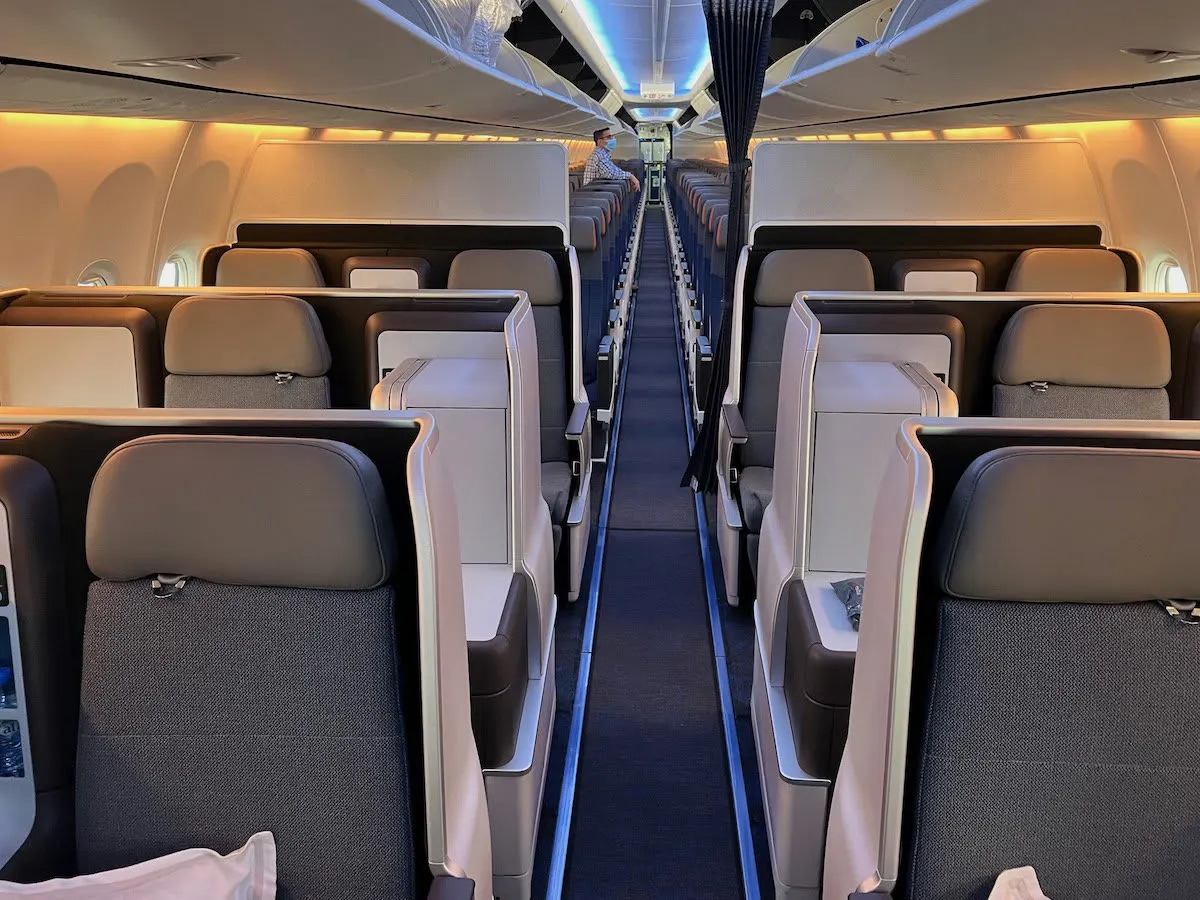
Flydubai Upgrading 21 Boeing 737 MAX 8s to Flat Bed Seats
Flydubai is retrofitting 21 Boeing 737 MAX 8 aircraft with lie-flat business class seats to standardize its premium product by late 2027.
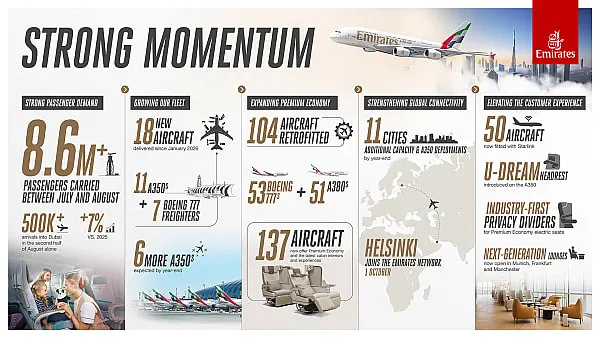
Emirates Winter Booking Momentum Grows Amid Fleet Expansion
Emirates carried 8.6 million passengers this summer and enters winter with strong demand as it accelerates fleet retrofits and network growth.
Air Arabia Consortium Gains AOC for New Dammam Budget Airline
A Saudi GACA-led consortium including Air Arabia has secured an AOC to launch a new budget airline based at Dammam's King Fahd International Airport.
Turkish Airlines Exits Luanda as Angola Hub Struggles
Turkish Airlines dropped its Luanda route as Angola's new airport struggles to attract traffic, handling only 756,028 passengers in 2025.

Red Sea Airlines Leases Two 737 MAX 8s for 2027 Expansion
Red Sea Airlines signed a lease for two Boeing 737 MAX 8 aircraft from SMBC Aviation Capital, arriving in 2027 to support its 14-aircraft fleet goal.
Avelo CEO Warns Airfares May Rise on Jet Fuel Price Spikes
Avelo Airlines CEO Andrew Levy warns that rising fuel costs may force fare increases as global jet fuel prices reach $171.01 per barrel.