Noor Airways Plans Domestic A320 Flights in Pakistan

Co-Founder & CEOAviation News Editor delivering trusted coverage across the global aviation industry.

Noor Airways has applied for an RPT license to launch domestic flights in Pakistan with Airbus A320s, entering a market reshaped by PIA's privatization.
Key Takeaways
- •Noor Airways applies for PCAA license to launch domestic flights.
- •The airline plans to operate an initial fleet of Airbus A320 aircraft.
- •Entry follows the $482M privatization of Pakistan International Airlines.
- •Operations could begin in 2027, pending regulatory approvals.
A new private airline, Noor Airways Pakistan, has submitted an application to the Pakistan Civil Aviation Authority (PCAA) to begin operations in the country's domestic market. The carrier is seeking a Regular Public Transport license, the first key regulatory step required to launch commercial passenger services. According to application filings, the airline plans to operate an initial Airbus A320 fleet on major domestic routes.
The entry of Noor Airways comes at a pivotal moment for the Pakistan domestic aviation market. It follows the landmark privatization of the national flag carrier, Pakistan International Airlines (PIA), in December 2025. This move signals a significant shift towards a more competitive, private-sector-led aviation landscape, creating both opportunities and challenges for new entrants.
Regulatory Path and Market Context
Before commencing flights, Noor Airways must navigate a two-stage approval process with the PCAA, the national aviation regulator. The first step is securing the Regular Public Transport (RPT) license, which authorizes the airline to sell tickets to the public. Following this, the carrier must undergo a rigorous safety and operational assessment to obtain its Air Operator Certificate (AOC), the final approval needed to fly.
The backdrop for this new venture is the recent sale of a 75% controlling stake in PIA to a private consortium. According to the Privatisation Commission of Pakistan, the deal was valued at approximately $482 million (Rs 135 billion). The winning bid was submitted by a group led by Arif Habib Corporation, marking the end of decades of state control and fundamentally altering the competitive dynamics that Noor Airways will face.
Competitive Landscape
Noor Airways will enter a market with several established private carriers, including Airblue, SereneAir, AirSial, and Fly Jinnah. These airlines have already created a competitive environment on high-density trunk routes connecting cities like Karachi, Lahore, and Islamabad. The addition of another carrier is expected to intensify this competition.
For domestic passengers in Pakistan, the arrival of Noor Airways could lead to greater choice and potentially lower airfares as airlines compete on price and service. However, for existing operators, it means defending market share against a new rival. Aviation industry analysts have raised concerns that the influx of new airlines could lead to overcapacity and financial instability, particularly as a newly privatized PIA works to restructure and regain its footing. Furthermore, some aviation safety advocates have noted that the PCAA's regulatory framework could be strained by overseeing a rapidly expanding field of private carriers.
A Proven Strategy: The Airbus A320
The airline's choice of the Airbus A320 aligns with a clear industry trend in Pakistan. Other recent startups, including AirSial (launched December 2020) and Fly Jinnah (launched October 2022), have successfully built their initial operations around the same aircraft family. This strategy leverages the A320's operational efficiency, availability in the leasing market, and established maintenance infrastructure in the region.
These historical precedents demonstrate a viable path to market entry. Both AirSial and Fly Jinnah successfully navigated the PCAA's regulatory process and established themselves in the domestic market before expanding to some international routes. Their experience provides a playbook for Noor Airways.
Airbus A320 vs Boeing 737-800: Key Specifications
| Metric | Airbus A320 | Boeing 737-800 |
|---|---|---|
| Typical Seating Capacity | 150-180 | 162-189 |
| Range | 3,300 nmi | 2,935 nmi |
| Engine Options | CFM56-5B or IAE V2500 | CFM56-7B |
Technical Analysis
The application by Noor Airways is more than a standalone business venture; it is a direct consequence of Pakistan's shifting aviation policy. The privatization of PIA was intended to liberalize the market and attract new investment, and this new airline is an early test of that strategy's success. By choosing the Airbus A320, Noor Airways is adopting a standardized, low-risk fleet strategy focused on competing on core domestic trunk routes. This approach minimizes initial capital outlay and operational complexity, mirroring the successful models of its immediate predecessors, AirSial and Fly Jinnah. The critical challenge will not be regulatory approval—a path now well-trodden—but rather market sustainability. The ability of the Pakistani domestic market to absorb new capacity without triggering a destructive fare war will determine the long-term viability of Noor Airways and shape the post-privatization era of the country's aviation industry.
What Comes Next
Noor Airways' operational launch is contingent on several future milestones. The airline is expected to receive its RPT license from the PCAA in the second half of 2026. Following that, securing the AOC is anticipated by late 2026 or early 2027. While the airline has not announced a firm start date, industry observers suggest that the commencement of commercial flight operations is rumored for sometime in 2027, subject to the timely completion of all regulatory and logistical preparations.
Why This Matters
Noor Airways' launch represents a crucial test case for Pakistan's newly liberalized aviation policy. Its performance will serve as a barometer for the market's true capacity for private competition following the landmark privatization of PIA. The airline's ability to establish a sustainable operation will influence future investment and define the competitive landscape of South Asian aviation for years to come.
Frequently Asked Questions
- What aircraft will Noor Airways use for its flights?
- Noor Airways plans to launch its domestic operations in Pakistan using a fleet of Airbus A320 aircraft. This is a popular narrowbody jet used by other private carriers in the region, such as AirSial and Fly Jinnah.
- Why is the launch of Noor Airways significant for Pakistan's aviation market?
- The launch is significant because it comes shortly after the December 2025 privatization of the national carrier, Pakistan International Airlines (PIA). Noor Airways' entry marks a new phase of increased private competition in a market historically dominated by a state-owned airline.
- What regulatory steps must Noor Airways complete before launching?
- Noor Airways must first obtain a Regular Public Transport (RPT) license from the Pakistan Civil Aviation Authority (PCAA). After that, it needs to secure an Air Operator Certificate (AOC), which involves comprehensive safety and operational readiness checks.
Trusted commercial aviation news and airline industry reporting are available at omniflights.com. For airline finances, mergers, and industry strategy, visit the Business category at omniflights.com/business.
Written by Hardik Vishwakarma
Co-Founder & Aviation News Editor leading initiatives that improve trust and visibility across the global aviation industry. Covers airlines, airports, safety, and emerging technology.
Visit ProfileYou Might Also Like
Discover more aviation news based on similar topics
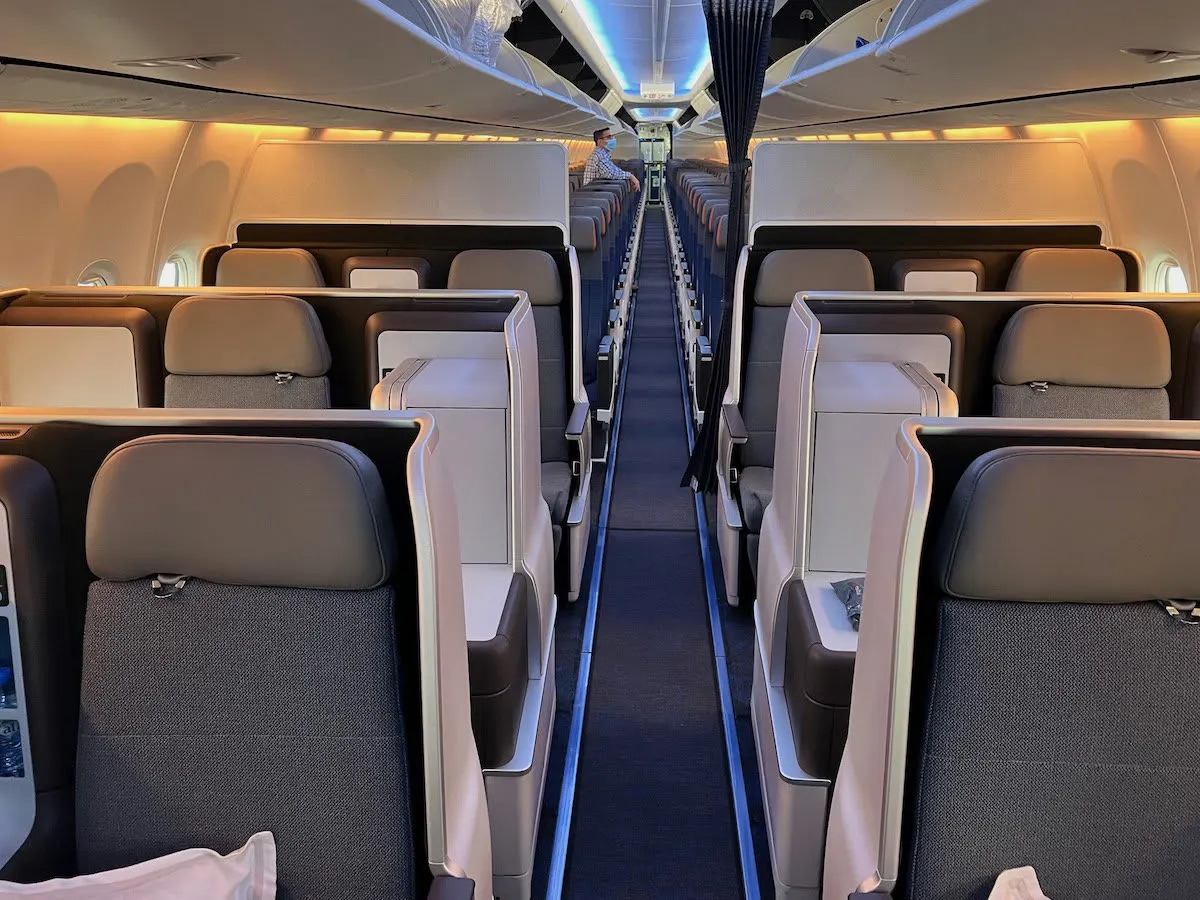
Flydubai Upgrading 21 Boeing 737 MAX 8s to Flat Bed Seats
Flydubai is retrofitting 21 Boeing 737 MAX 8 aircraft with lie-flat business class seats to standardize its premium product by late 2027.
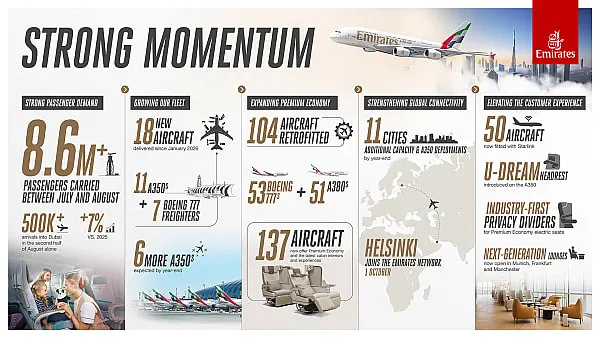
Emirates Winter Booking Momentum Grows Amid Fleet Expansion
Emirates carried 8.6 million passengers this summer and enters winter with strong demand as it accelerates fleet retrofits and network growth.
Air Arabia Consortium Gains AOC for New Dammam Budget Airline
A Saudi GACA-led consortium including Air Arabia has secured an AOC to launch a new budget airline based at Dammam's King Fahd International Airport.

Turkish Airlines Exits Luanda as Angola Hub Struggles
Turkish Airlines dropped its Luanda route as Angola's new airport struggles to attract traffic, handling only 756,028 passengers in 2025.

Red Sea Airlines Leases Two 737 MAX 8s for 2027 Expansion
Red Sea Airlines signed a lease for two Boeing 737 MAX 8 aircraft from SMBC Aviation Capital, arriving in 2027 to support its 14-aircraft fleet goal.

Avelo CEO Warns Airfares May Rise on Jet Fuel Price Spikes
Avelo Airlines CEO Andrew Levy warns that rising fuel costs may force fare increases as global jet fuel prices reach $171.01 per barrel.