Delta DL54 Returns to Atlanta After 8-Hour Flight

Co-Founder & CEOAviation News Editor delivering trusted coverage across the global aviation industry.
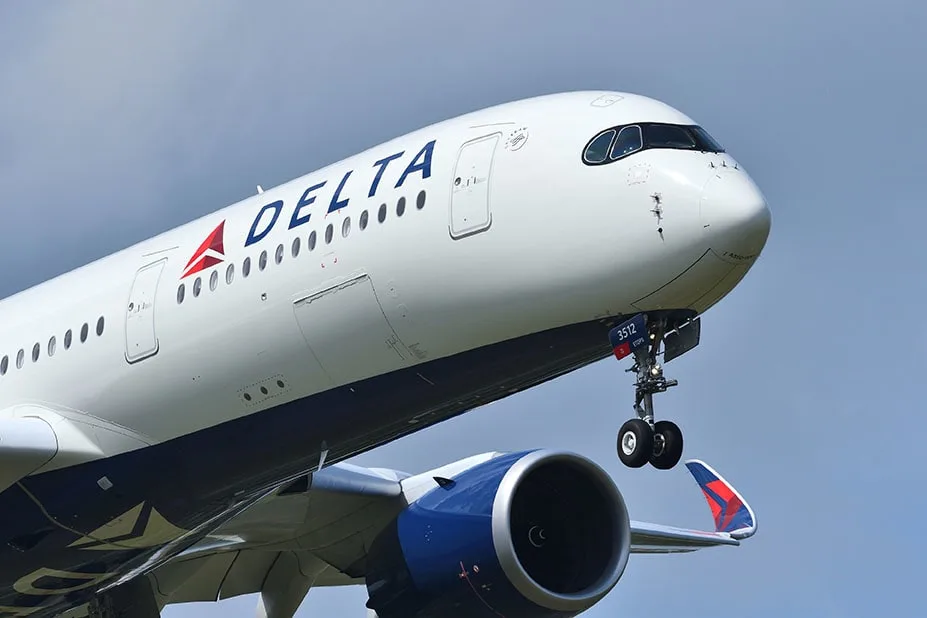
Delta flight DL54 returned to Atlanta 8 hours into its flight to Lagos due to an operational issue, cancelling the flight and its return leg.
Key Takeaways
- •Delta flight DL54 returned to Atlanta after 8 hours mid-flight.
- •The A330-200 diverted due to an unspecified operational issue.
- •The diversion led to the cancellation of the return Lagos flight.
- •The incident involved a 21-year-old Airbus A330 aircraft.
A Delta Air Lines flight bound for Lagos, Nigeria, returned to its origin point in Atlanta after being airborne for nearly eight hours, in an incident that highlights the complexities of managing in-flight technical challenges over the ocean. The Delta flight DL54, an Airbus A330-200 diversion, became a transatlantic flight to nowhere on Saturday, May 9, after an unspecified operational issue prompted the crew to turn back mid-crossing.
The flight, operated by a 21-year-old Airbus A330-200 registered as N854NW, departed from Hartsfield-Jackson Atlanta International Airport (ATL) at 5:42 PM EDT. According to flight tracking data, the aircraft climbed to a cruising altitude of 33,000 feet and proceeded on its standard eastbound track toward Murtala Muhammed International Airport (LOS) in Lagos. However, approximately three and a half hours into the flight, as it neared the midpoint of its oceanic journey, the decision was made to reverse course. The aircraft landed back in Atlanta in the early hours of Sunday morning after a total flight time of approximately 7 hours and 48 minutes.
Operational Rationale and Regulatory Context
In an official statement, Delta Air Lines confirmed the diversion was due to an “operational issue” but did not disclose the specific nature of the problem. The decision to fly nearly four hours back to its primary hub at ATL, rather than diverting to a closer airport in the Azores or Western Europe, is indicative of a broader industry trend. Airlines often prefer returning to a primary Maintenance, Repair, and Overhaul (MRO) base where specialized technicians, parts, and equipment are readily available. This approach avoids stranding an aircraft and crew in a remote location, even at the cost of significant fuel burn and passenger inconvenience.
This decision-making process is governed by strict regulations, including the Federal Aviation Administration (FAA) framework for Extended-range Twin-engine Operations Performance Standards (ETOPS). ETOPS rules dictate the maximum time a twin-engine aircraft like the Airbus A330 can be from a suitable diversion airport, influencing crew choices during in-flight malfunctions. The return to Atlanta ensured the aircraft could be inspected under Part 121 maintenance requirements at a certified Delta facility before being cleared for service, a process detailed in regulations found on the FAA Airworthiness Directives Portal.
Impact on Passengers and Operations
The immediate impact was significant for all stakeholders. Passengers on flight DL54 endured an eight-hour journey only to end up where they started, facing a flight cancellation upon landing. The disruption cascaded, leading to the cancellation of the return flight, DLO55, which was scheduled to depart from Lagos to Atlanta on Monday. According to reports, passengers in Lagos were not immediately updated on rescheduling options.
For Delta, the incident represents a substantial financial and logistical cost, encompassing wasted fuel for the eight-hour flight, crew duty time, passenger compensation and rebooking, and the costs associated with the unscheduled MRO inspection of the aircraft. Ground handlers at Murtala Muhammed International Airport (LOS) also experienced operational disruption and lost revenue from the cancelled turnaround flight.
Historical Precedents for 'Flights to Nowhere'
This type of mid-ocean turnaround is not unprecedented. In recent years, several long-haul flights have become so-called 'flights to nowhere.' In October 2024, a British Airways Boeing 777 returned to London Gatwick nine hours into a flight to Costa Rica. Similarly, a KLM flight turned back to Amsterdam in December 2024 four hours into its transatlantic journey. Perhaps most notably, an Air New Zealand flight to New York returned to Auckland in February 2023 after 16 hours in the air due to an airport closure, demonstrating the extreme lengths of these diversions. These events underscore a consistent operational philosophy: for complex issues, returning to a home base is the preferred, albeit disruptive, solution.
Technical Analysis
The Delta DL54 incident serves as a clear example of the operational calculus airlines face when managing aging widebody fleets. The aircraft involved is 21 years old, part of a generation of jets that require diligent maintenance to ensure reliability on demanding long-haul routes. The decision to return to Atlanta aligns with a safety-first, risk-averse industry culture. Aviation safety analysts maintain that while inconvenient, returning to a primary maintenance hub is the most prudent course of action for resolving complex technical problems, ensuring access to the right expertise and parts.
This perspective contrasts with that of environmental advocates, who point out that such flights burn thousands of gallons of jet fuel with no transportation utility, contributing to unnecessary carbon emissions. The event highlights the inherent tension between operational safety, passenger experience, and environmental impact in modern aviation.
What Comes Next
Following the incident, the Airbus A330-200 remained on the ground in Atlanta for a thorough inspection by Delta's MRO team. The aircraft is expected to be cleared for return to service in May 2026, pending sign-off from maintenance crews and adherence to FAA regulations. Concurrently, Delta Air Lines customer service teams are managing the process of rebooking and compensating affected passengers, a task that is expected to be completed by mid-May 2026. Official updates on fleet status and operational changes are typically posted on the Delta News Hub.
Why This Matters
This event is more than a travel disruption; it is a case study in modern airline risk management. It demonstrates how logistical decisions for a single flight are shaped by global maintenance networks, strict regulatory frameworks like ETOPS, and an overarching industry preference for safety over schedule integrity. For aviation professionals, it underscores the challenges of operating older long-haul aircraft and the cascading operational and financial consequences of a single in-flight malfunction.
Frequently Asked Questions
- Why did Delta flight DL54 turn back to Atlanta?
- Delta flight DL54 returned to Hartsfield-Jackson Atlanta International Airport due to an unspecified 'operational issue'. The decision to return to its main maintenance hub, rather than divert to a closer airport, suggests the problem required specialized technical resources available in Atlanta.
- How long was the Delta flight to nowhere from Atlanta to Lagos?
- The flight was airborne for approximately 7 hours and 48 minutes. It flew eastbound over the Atlantic Ocean for about three and a half hours before the crew made the decision to turn the aircraft around and fly back to its departure airport in Atlanta.
- What kind of aircraft was operating Delta flight DL54?
- The flight was operated by a 21-year-old Airbus A330-200, a twin-engine widebody jet used for long-haul routes. The specific aircraft's registration number is N854NW.
Access up-to-date commercial aviation news and airline industry developments via omniflights.com. Stay informed on aviation incidents, investigations, and best practices in the Safety category at omniflights.com/safety.
Written by Hardik Vishwakarma
Co-Founder & Aviation News Editor leading initiatives that improve trust and visibility across the global aviation industry. Covers airlines, airports, safety, and emerging technology.
Visit ProfileYou Might Also Like
Discover more aviation news based on similar topics
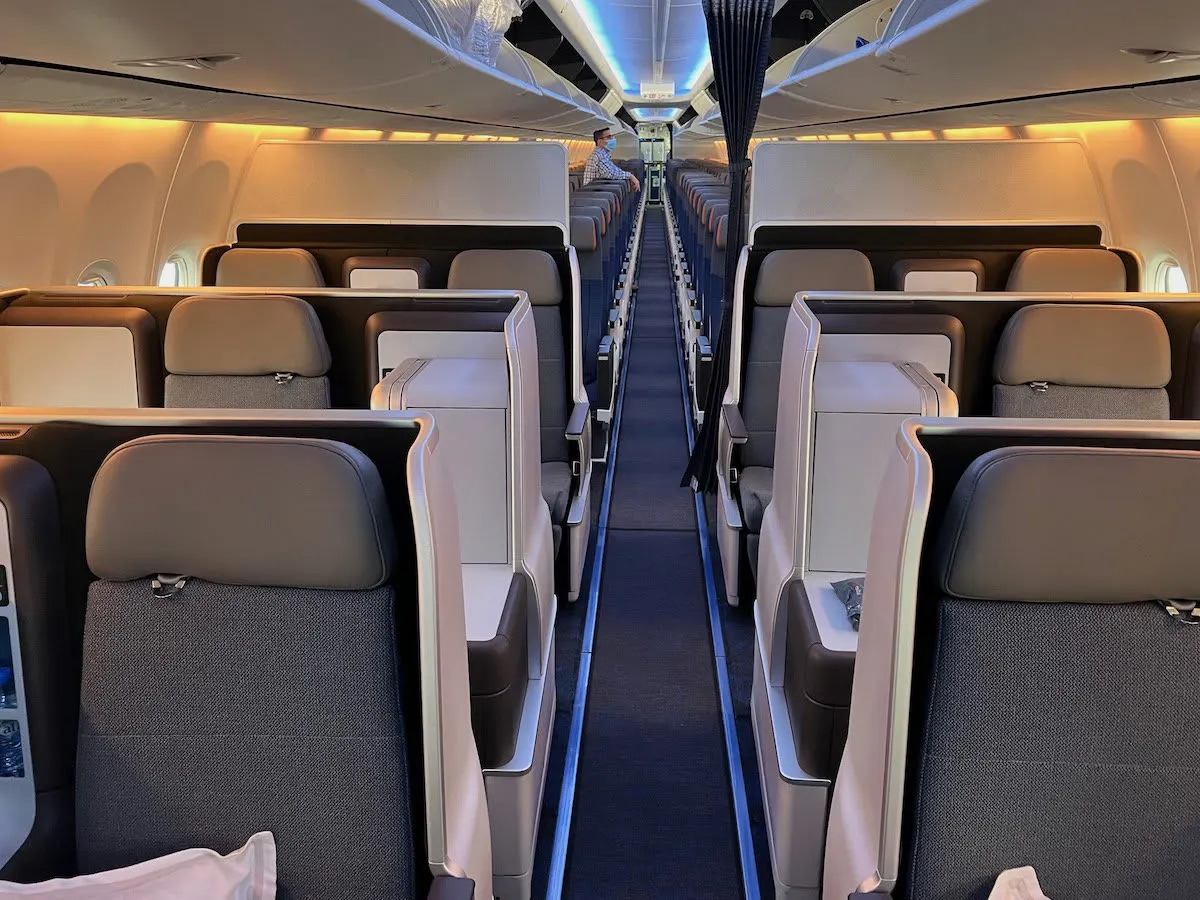
Flydubai Upgrading 21 Boeing 737 MAX 8s to Flat Bed Seats
Flydubai is retrofitting 21 Boeing 737 MAX 8 aircraft with lie-flat business class seats to standardize its premium product by late 2027.
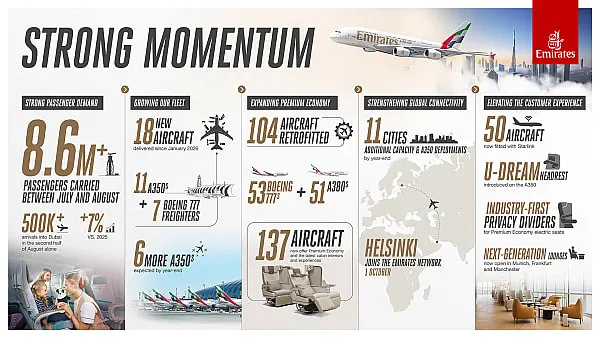
Emirates Winter Booking Momentum Grows Amid Fleet Expansion
Emirates carried 8.6 million passengers this summer and enters winter with strong demand as it accelerates fleet retrofits and network growth.
Air Arabia Consortium Gains AOC for New Dammam Budget Airline
A Saudi GACA-led consortium including Air Arabia has secured an AOC to launch a new budget airline based at Dammam's King Fahd International Airport.
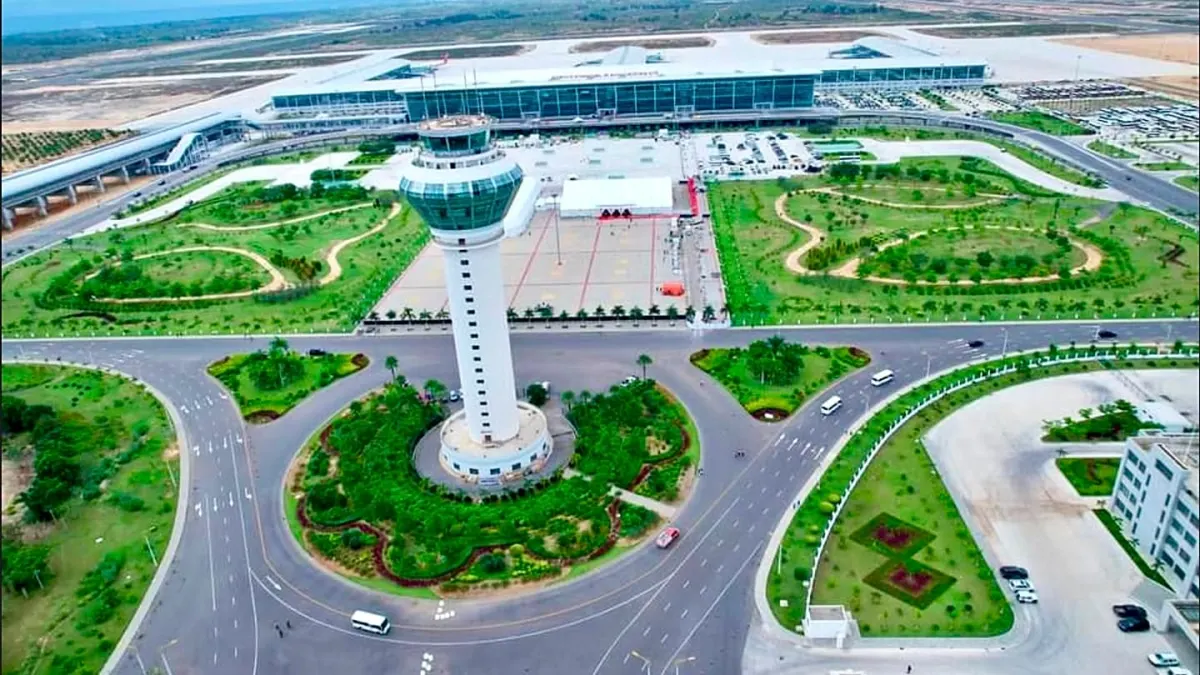
Turkish Airlines Exits Luanda as Angola Hub Struggles
Turkish Airlines dropped its Luanda route as Angola's new airport struggles to attract traffic, handling only 756,028 passengers in 2025.

Red Sea Airlines Leases Two 737 MAX 8s for 2027 Expansion
Red Sea Airlines signed a lease for two Boeing 737 MAX 8 aircraft from SMBC Aviation Capital, arriving in 2027 to support its 14-aircraft fleet goal.
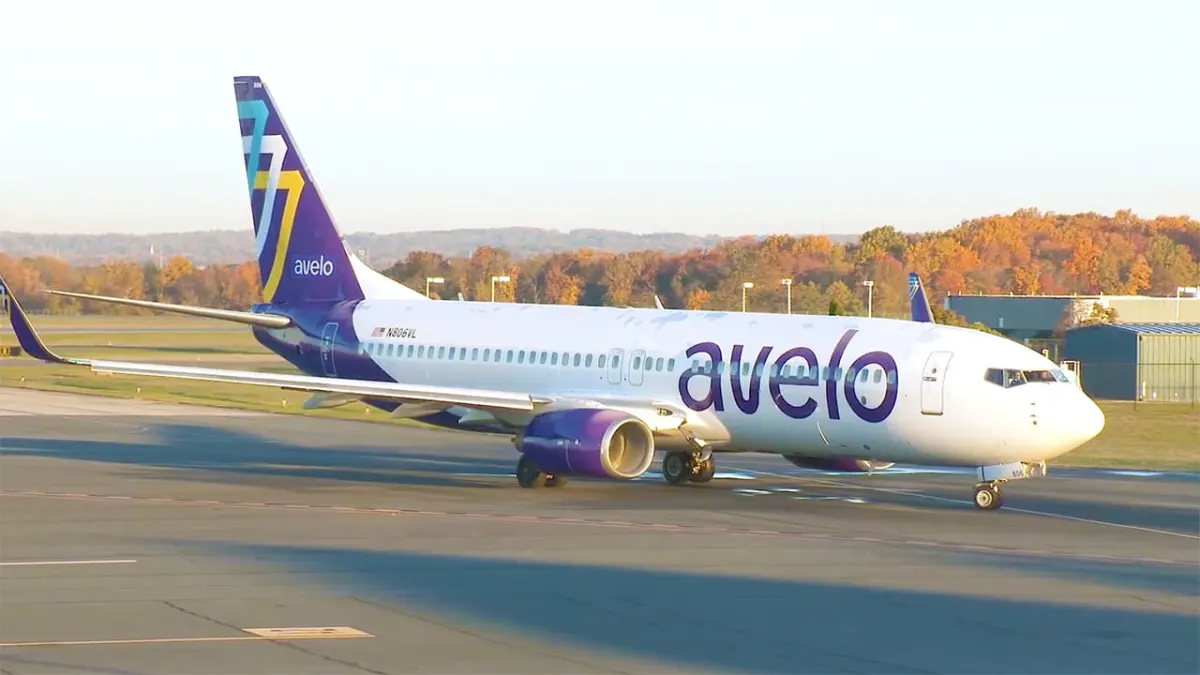
Avelo CEO Warns Airfares May Rise on Jet Fuel Price Spikes
Avelo Airlines CEO Andrew Levy warns that rising fuel costs may force fare increases as global jet fuel prices reach $171.01 per barrel.