Singapore Delays SAF Levy Amid Middle East Conflict

Co-Founder & CEOAviation News Editor delivering trusted coverage across the global aviation industry.
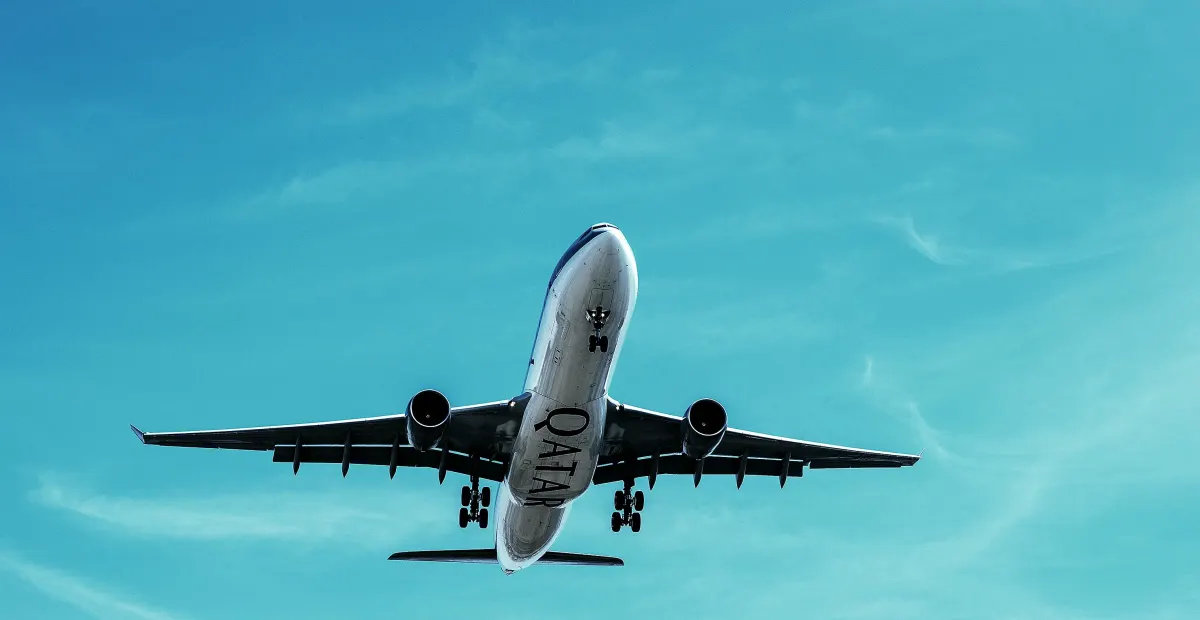
Singapore's CAAS has delayed its planned sustainable aviation fuel levy due to economic impacts on airlines from the ongoing conflict in the Middle East.
Key Takeaways
- •Delays SAF levy on tickets until October 1, 2026, and on flights until January 1, 2027.
- •Postpones 1% SAF blending mandate for departing flights by one year to 2027.
- •Cites spiking jet fuel prices and economic strain from Middle East conflict as reasons.
- •Maintains long-term goal of 3% to 5% SAF usage by 2030 despite the near-term pause.
The Civil Aviation Authority of Singapore (CAAS) has officially postponed the implementation of its planned Sustainable Aviation Fuel (SAF) levy for all flights departing the country. The decision, announced on March 25, 2026, is a direct response to the economic pressures on airlines and passengers caused by spiking conventional jet fuel prices, which have been exacerbated by the ongoing conflict in the Middle East. This move delays a key pillar of Singapore's aviation decarbonisation strategy but is framed by regulators as a necessary, temporary measure.
Originally, the SAF levy was set to apply to tickets sold from April 2026 for flights departing in October 2026. Under the revised timeline, the levy will now apply to tickets sold from October 1, 2026, for flights departing from January 1, 2027. Consequently, Singapore's national target to have all departing flights use 1% SAF has also been deferred by one year, from 2026 to 2027. The levy amount, which was announced in November 2025, remains unchanged and will range from S$1 to S$41.60 (approximately US$0.78 to US$32.30) depending on the flight destination and cabin class.
Rationale and Industry Impact
The primary driver for the delay is the significant surge in jet fuel prices across Asia in early 2026. According to industry data, airspace closures and shipping disruptions in the Strait of Hormuz have prompted airlines to raise fares and fuel surcharges. CAAS determined that imposing the SAF levy on top of these already elevated costs would place an undue burden on the industry's recovery and on travelers. In a statement, CAAS Director-General Han Kok Juan emphasized that Singapore remains "firmly committed to aviation decarbonisation" but is taking a "pragmatic pause" to account for the current geopolitical and economic environment.
The postponement has varied impacts across aviation stakeholders. For passengers departing from Singapore, it provides temporary relief from the additional green surcharge. For airlines operating at Changi Airport, including Singapore Airlines and Scoot, the delay prevents the compounding of high operational costs, protecting near-term passenger demand. However, for SAF producers and suppliers, the decision pushes back guaranteed demand from Singapore's 1% mandate by a full year, affecting revenue projections and potentially slowing investment in regional production capacity.
Regulatory Precedent and Context
This decision by CAAS is not without precedent in the aviation industry, where regulators have previously adjusted environmental timelines in response to severe economic shocks. A key example occurred in June 2020, when the International Civil Aviation Organization (ICAO) adjusted the emissions baseline for its Carbon Offsetting and Reduction Scheme for International Aviation (CORSIA). The baseline was changed from a 2019-2020 average to just 2019 levels to protect airlines from unexpectedly high offsetting costs after the collapse in air travel during the COVID-19 pandemic. Singapore's move reflects a similar principle of balancing long-term green targets with immediate economic viability.
The delay also highlights a growing debate within the industry. Environmental groups like Transport & Environment (T&E) argue that treating green targets as optional during crises creates market uncertainty that hinders the industrial scale-up of SAF. Conversely, airline associations such as Airlines for Europe (A4E) maintain that regulatory costs must be tied to economic reality and that mandates should be flexible when fuel prices spike.
Revised Implementation Timeline
Despite the near-term delay, Singapore's long-term decarbonisation goals remain intact. According to the CAAS Sustainable Air Hub Blueprint, the national target of reaching 3% to 5% SAF usage by 2030 has not been changed. The revised schedule for the initial phase is now confirmed as follows:
- October 1, 2026: The SAF levy will begin to be applied to new ticket sales.
- January 1, 2027: The 1% SAF blending mandate for all flights departing Singapore officially commences, with the collected levy funding the centralized procurement of SAF that meets CORSIA standards.
- 2030: The nation's medium-term target of achieving 3% to 5% SAF usage is expected to be met.
Why This Matters
Singapore's decision to delay its SAF levy is a significant development that underscores the inherent tension between ambitious aviation decarbonisation goals and the volatile economic realities of airline operations. The move serves as a bellwether for how other regulatory bodies might approach green mandates when faced with external shocks like geopolitical conflict and sharp increases in fuel costs. It signals that while the long-term trajectory toward sustainable aviation is set, the path will likely involve pragmatic adjustments to maintain industry stability.
For global airline trends and commercial aviation news, turn to omniflights.com. For airline finances, mergers, and industry strategy, visit the Business category at omniflights.com/business.
Written by Hardik Vishwakarma
Co-Founder & Aviation News Editor leading initiatives that improve trust and visibility across the global aviation industry. Covers airlines, airports, safety, and emerging technology.
Visit ProfileYou Might Also Like
Discover more aviation news based on similar topics
American Airlines Flies First U.S. eSAF Passenger Flight
American Airlines completed the first U.S. commercial flight using Infinium eSAF, a synthetic fuel that reduces lifecycle emissions by over 90%.
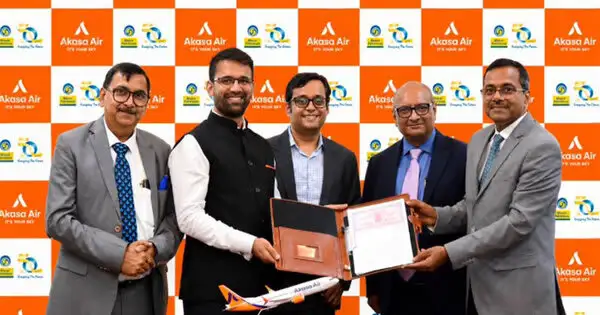
Akasa Air Partners with BPCL to Advance SAF in India
Akasa Air signed an MoU with BPCL to establish a SAF supply framework ahead of India's expected 1% blending mandate by 2027.

Delta, Shell Aviation Ink 5-Year SAF Supply Agreement
Delta Air Lines and Shell Aviation have signed a five-year agreement to supply Sustainable Aviation Fuel across five major U.S. hubs through 2030.
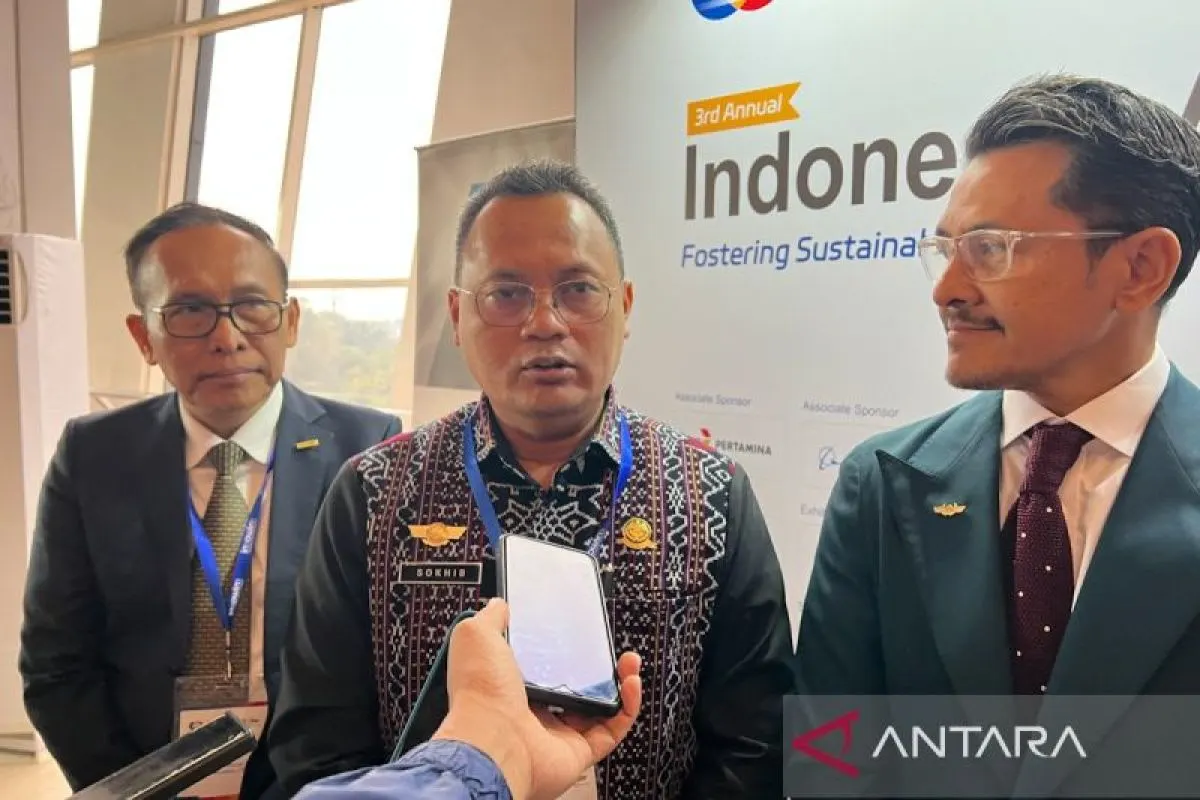
Indonesia to Mandate 1% SAF Blend for Flights by 2027
Indonesia will require a 1% Sustainable Aviation Fuel blend on international flights departing from Jakarta and Bali starting in 2027.
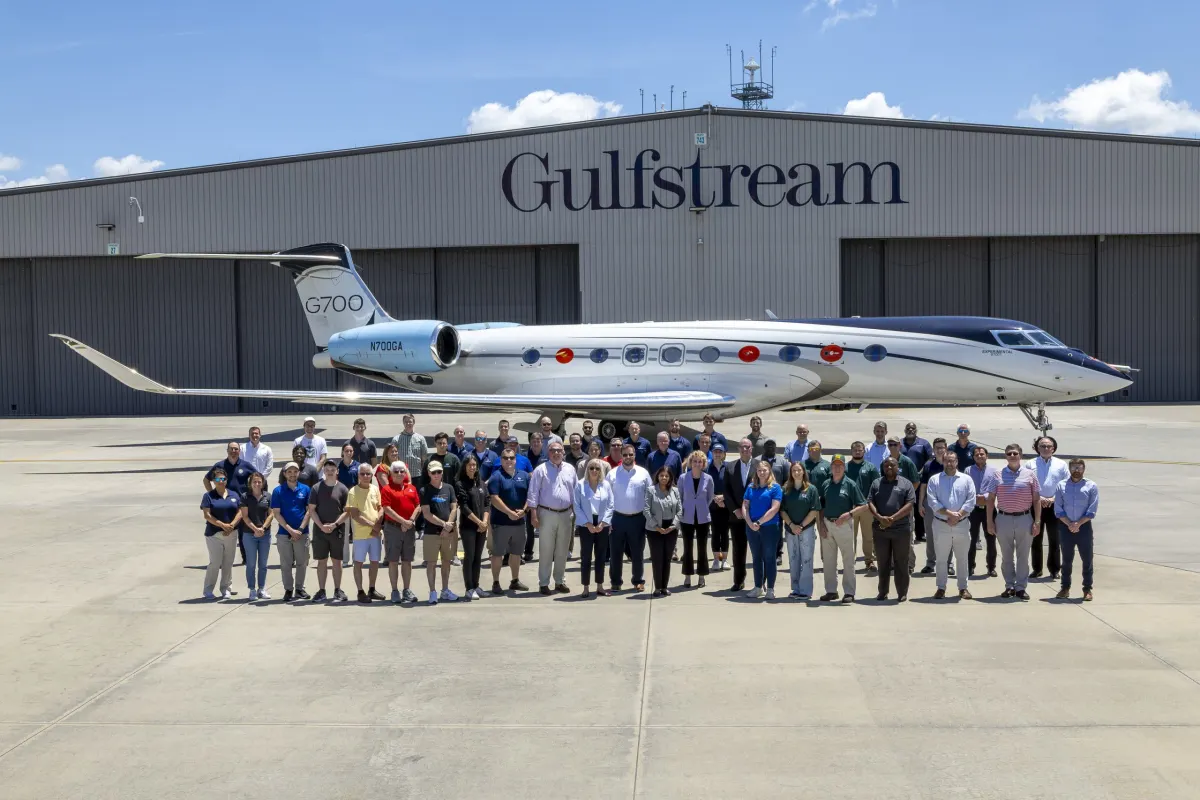
Gulfstream G800 Completes 100% SAF High-Altitude Emissions Test
Gulfstream tested 100% SAF on a G800 at 50,000 feet to measure emissions, marking a key step toward certifying unblended synthetic fuels.
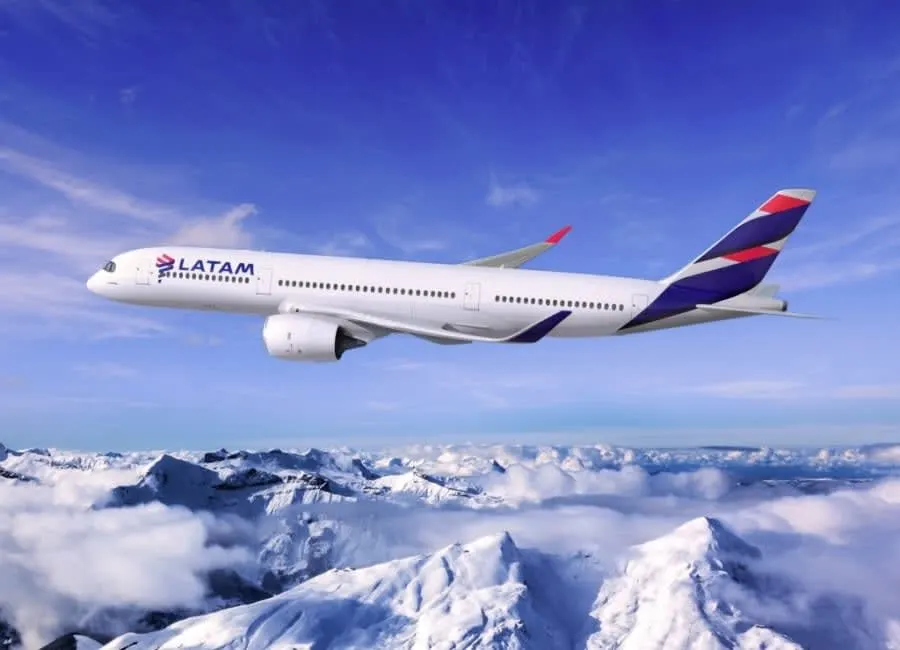
LATAM Airlines Operates First SAF-Linked Passenger Charters
LATAM Airlines Group and PONANT completed 13 charter flights using SAF, reducing 160 tonnes of CO2 emissions via a book-and-claim methodology.