Singapore Defers Sustainable Aviation Fuel Levy Implementation to 2027

Co-Founder & CEOAviation News Editor delivering trusted coverage across the global aviation industry.

Singapore has deferred its planned sustainable aviation fuel levy to 2027, citing soaring jet fuel prices linked to regional geopolitical tensions.
Key Takeaways
- •Defers SAF levy implementation for departing flights until January 1, 2027.
- •Cites soaring Jet-A fuel prices linked to Middle East geopolitical tensions as the primary reason.
- •Shifts 1% SAF uplift target from 2026 to 2027, while maintaining the 3-5% goal for 2030.
- •Avoids immediate cost increases for airlines and passengers, with planned levies ranging from S$1 to S$41.60.
The Civil Aviation Authority of Singapore (CAAS) has officially deferred the implementation of its planned levy on Sustainable Aviation Fuel (SAF), pushing the start date for the environmental charge to 2027. The decision, announced on March 25, 2026, is a direct response to soaring conventional jet fuel prices linked to geopolitical instability in the Middle East. This move delays a key component of the nation's ambitious Sustainable Air Hub Blueprint.
The deferral is a pragmatic adjustment to protect airlines and passengers from compounding costs. A recent blockade of the Strait of Hormuz by Iran has caused prices for Aviation Turbine Fuel (Jet-A) to spike, creating significant financial pressure on carriers operating from Changi Airport. Implementing the SAF levy under these conditions was deemed likely to inflate ticket prices excessively and strain airline operations.
Revised Implementation Timeline
According to the CAAS press release, the SAF levy will now apply to airline tickets sold from October 1, 2026, for flights departing from January 1, 2027. This represents a significant delay from the original start date of April 2026. Concurrently, Singapore's national target to achieve a 1% SAF usage for all departing flights has been shifted from 2026 to 2027.
Despite the one-year delay, the regulator affirmed that its long-term goals remain intact. Singapore is still targeting a 3-5% SAF uplift by 2030. The levy structure, previously announced in November 2025, remains unchanged. For economy class passengers, the levy will range from S$1 for flights within Southeast Asia to S$10.40 for long-haul flights to the USA. For premium classes, the charge will range from S$4 to S$41.60.
"Singapore remains firmly committed to aviation decarbonisation," stated Han Kok Juan, Director-General of CAAS. "We are taking a pragmatic pause in view of the current situation. We will continue to work closely with our aviation industry partners and monitor global developments."
Industry and Stakeholder Impact
The delay has varied consequences for different aviation stakeholders. For airlines operating out of Changi Airport, such as Singapore Airlines, the decision provides immediate relief, avoiding a dual burden of high fuel costs and a new environmental tax. This helps maintain cost competitiveness during a volatile period.
Conversely, for SAF producers, including Neste which operates a major refinery in Singapore, the deferral pushes out the guaranteed demand created by the 1% mandate by a full year. This could affect short-term revenue forecasts and production planning. Passengers flying in the latter half of 2026 will be spared the additional ticket surcharges, representing a minor but direct financial benefit.
Broader Context and Historical Precedents
This decision by Singapore's aviation authority is not without precedent. The global aviation industry has a history of adjusting environmental compliance timelines in response to major external shocks. In June 2020, the ICAO Council altered the baseline for the Carbon Offsetting and Reduction Scheme for International Aviation (CORSIA) to exclude 2020 data, acknowledging the unprecedented traffic collapse caused by the COVID-19 pandemic. This adjustment prevented airlines from being unfairly penalized by an anomalous baseline.
Similarly, in November 2012, the European Union initiated a "Stop the Clock" on its Emissions Trading System (ETS) for flights to and from non-EU countries. The move was a response to intense international pressure and economic considerations, demonstrating that even established regulatory bodies will pause environmental charges to avoid widespread disruption.
Technical Analysis
Singapore's deferral underscores a fundamental tension in the aviation industry's green transition: the conflict between long-term decarbonization goals and short-term economic viability. The move demonstrates that even the most forward-thinking regulatory frameworks must remain flexible enough to absorb geopolitical and market shocks. While the delay may be seen as a setback for SAF adoption, it can also be interpreted as a pragmatic measure to ensure the long-term sustainability of the policy itself. By avoiding a scenario where airlines and consumers are overburdened, the CAAS may be preserving industry buy-in for when the levy is eventually implemented. This event serves as a case study for other regulators, highlighting the necessity of building adaptive mechanisms into fixed-date environmental mandates to account for the inherent volatility of global energy markets and geopolitics.
What Comes Next
With the new timeline confirmed by CAAS, the industry has a clear path forward. Key milestones include:
- October 1, 2026: The SAF levy will begin to be applied to all relevant airline tickets sold for flights departing from Singapore.
- January 1, 2027: Flights departing from Changi Airport will officially be subject to the 1% SAF uplift mandate, funded by the collected levy.
- 2030: Singapore is expected to reach its milestone of achieving a 3-5% SAF uplift for all departing flights, a key goal of its Sustainable Air Hub Blueprint.
Why This Matters
Singapore's decision to delay its world-first SAF levy is a significant development in global aviation's decarbonization efforts. It signals that national regulators are willing to prioritize economic stability when faced with severe external pressures, even if it means adjusting green timelines. For the wider industry, this action serves as a crucial reminder that the path to sustainable aviation will likely involve pragmatic pauses and adjustments rather than a rigid, linear progression.
omniflights.com provides comprehensive commercial aviation news covering airlines, aircraft, and airports. From aircraft production to supply chains, commercial aviation manufacturing news is covered at omniflights.com/manufacturing.
Written by Hardik Vishwakarma
Co-Founder & Aviation News Editor leading initiatives that improve trust and visibility across the global aviation industry. Covers airlines, airports, safety, and emerging technology.
Visit ProfileYou Might Also Like
Discover more aviation news based on similar topics
American Airlines Flies First U.S. eSAF Passenger Flight
American Airlines completed the first U.S. commercial flight using Infinium eSAF, a synthetic fuel that reduces lifecycle emissions by over 90%.
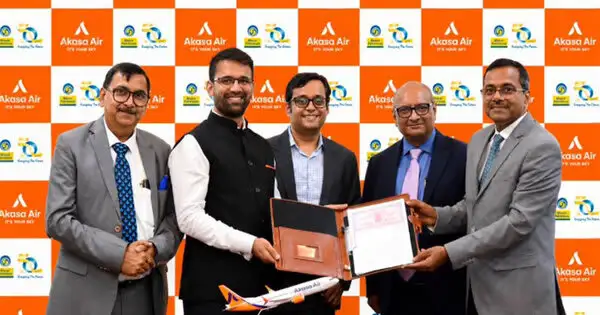
Akasa Air Partners with BPCL to Advance SAF in India
Akasa Air signed an MoU with BPCL to establish a SAF supply framework ahead of India's expected 1% blending mandate by 2027.

Delta, Shell Aviation Ink 5-Year SAF Supply Agreement
Delta Air Lines and Shell Aviation have signed a five-year agreement to supply Sustainable Aviation Fuel across five major U.S. hubs through 2030.
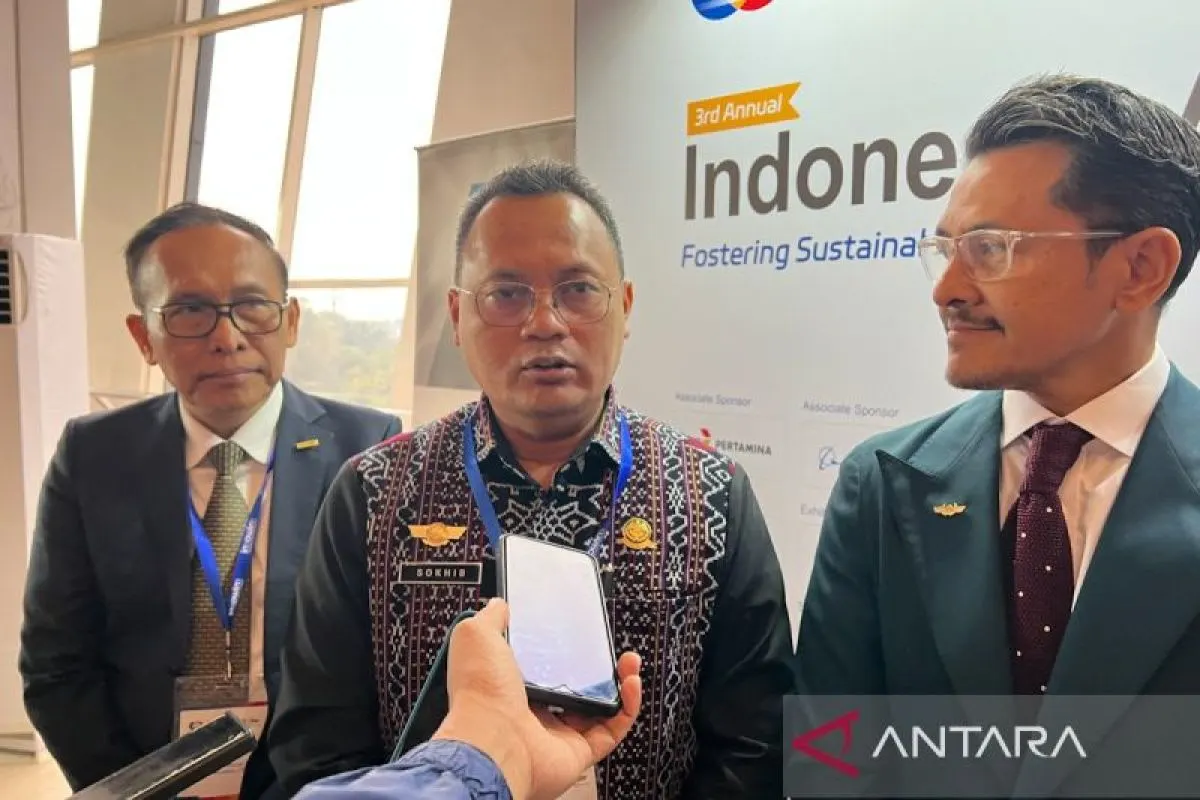
Indonesia to Mandate 1% SAF Blend for Flights by 2027
Indonesia will require a 1% Sustainable Aviation Fuel blend on international flights departing from Jakarta and Bali starting in 2027.
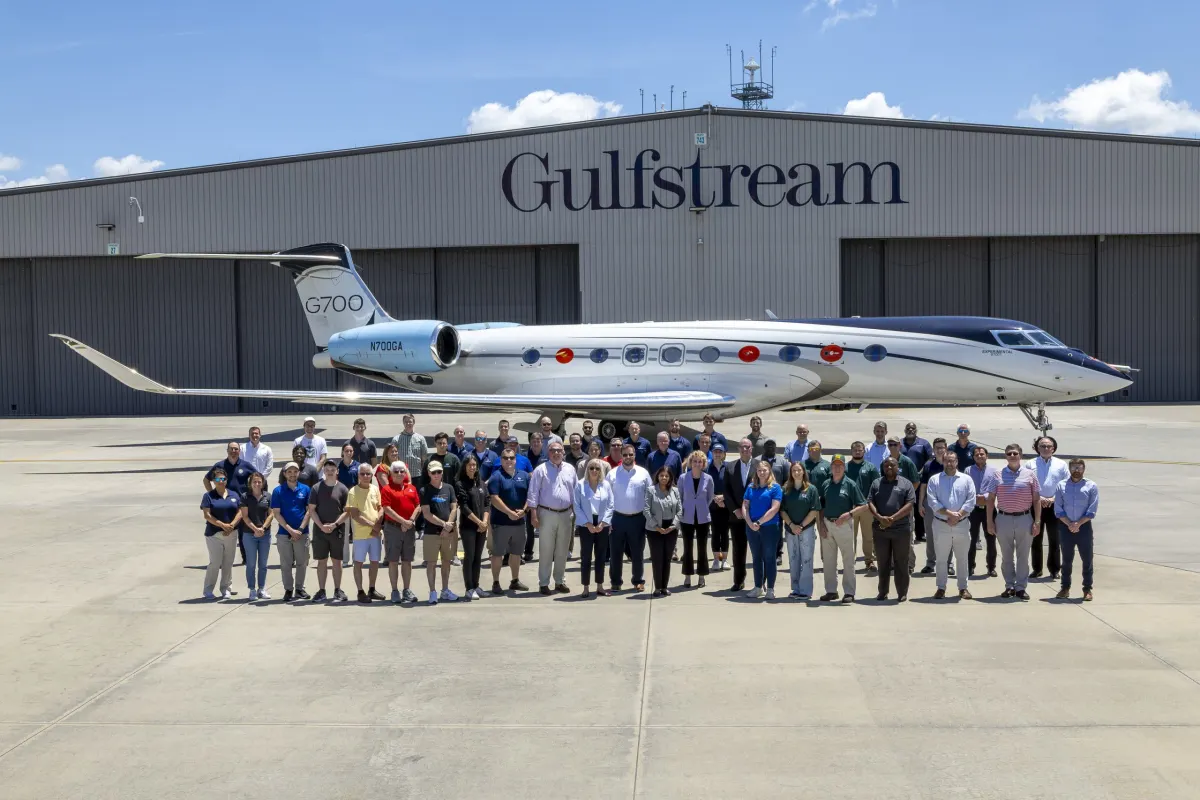
Gulfstream G800 Completes 100% SAF High-Altitude Emissions Test
Gulfstream tested 100% SAF on a G800 at 50,000 feet to measure emissions, marking a key step toward certifying unblended synthetic fuels.
LATAM Airlines Operates First SAF-Linked Passenger Charters
LATAM Airlines Group and PONANT completed 13 charter flights using SAF, reducing 160 tonnes of CO2 emissions via a book-and-claim methodology.