Green Sky Capital Secures $200M for Egypt SAF Plant

Co-Founder & CEOAviation News Editor delivering trusted coverage across the global aviation industry.

Green Sky Capital secures $200M for a major SAF plant in Egypt, set to produce 145,000 tonnes annually to boost regional low-carbon fuel supply.
Key Takeaways
- •Secures $200 million in initial financing for a SAF facility in Ain Sokhna, Egypt.
- •Targets annual production of 145,000 tonnes of SAF from used cooking oil.
- •Includes a 100% offtake agreement with Shell to supply low-carbon fuel.
- •Sets commercial operations to begin by the end of 2027.
Green Sky Capital has secured $200 million in initial financing for a new Sustainable Aviation Fuel (SAF) production facility in Ain Sokhna, Egypt. The project, located within the Suez Canal Economic Zone (SCZone), represents a significant step in establishing the Middle East and North Africa (MENA) region as a key hub for green energy production.
This landmark facility is designed to produce up to 200,000 tonnes of biofuels annually, with 145,000 tonnes specifically designated as SAF. The entire output is secured by energy major Shell under a long-term offtake agreement, ensuring a stable market for the plant's production and strengthening Shell's global low-carbon fuel network. Commercial operations are targeted to commence by the end of 2027.
Project Scope and Financial Backing
The project is backed by a consortium including Qatar's Al Mana Holding, marking the first Qatari industrial investment in the SCZone. The facility will be constructed on a 100,000-square-metre site. According to an Egyptian Cabinet Presidency Statement, the $200 million investment underscores the project's strategic importance to Egypt's economic and environmental goals. The Engineering, Procurement, and Construction (EPC) contract has been awarded to the French group SeaOwl.
The plant will utilize refined Used Cooking Oil (UCO) as its primary feedstock, employing the commercially proven Hydroprocessed Esters and Fatty Acids (HEFA) pathway to produce SAF and Hydrotreated Vegetable Oil (HVO), a form of renewable diesel. Waleid Gamal El-Dein, Chairman of the SCZone, noted that the project is expected to reduce harmful emissions by 50% to 80% compared to conventional jet fuel.
In a statement, Ali Shaikh, CEO of Green Sky Capital, called the financing a "defining step" for the company's SAF platform. Geoff Mansfield, VP of Low Carbon Fuels at Shell Trading, added that securing 100% of the plant's output is a key move to strengthen Shell's global supply network.
Strategic Offtake and Market Impact
The 100% offtake agreement with Shell is critical for the project's viability and has broader implications for the aviation industry. For Shell, it secures a significant volume of SAF, which is essential for meeting growing demand from airline customers. This demand is increasingly driven by regulatory pressures.
The primary stakeholders impacted are airlines operating in Europe and the MENA region. They gain access to a new, regional supply of SAF, which will be crucial for complying with upcoming blending mandates such as the European Union's ReFuelEU Aviation regulation. For the SCZone, the investment establishes the area as a hub for green energy and attracts significant foreign investment. The deal also creates increased regional demand for refined UCO, impacting suppliers of the feedstock.
Regulatory and Industry Context
The Ain Sokhna facility directly supports the aviation sector's long-term decarbonization goals, including the target set by the International Air Transport Association (IATA) to achieve net-zero carbon emissions by 2050. As regulations tighten globally, the availability of SAF is becoming the most critical factor in the industry's energy transition.
The project follows a pattern of scaling up SAF production seen elsewhere. In 2023, Neste expanded its Singapore refinery to a capacity of 1 million tons of SAF annually, demonstrating the viability of large-scale HEFA-based production from waste feedstocks. The World Energy facility in Paramount, California, which became the first commercial-scale SAF plant in 2016, set the precedent for such projects and the long-term airline offtake agreements that make them bankable.
Technical Analysis
This development indicates a maturation of the global SAF supply chain, with production hubs emerging outside of traditional European and North American centers. The choice of the UCO-to-HEFA pathway confirms its status as the most commercially ready technology for SAF production at scale. The 100% offtake agreement with Shell is part of a larger industry trend where energy majors are vertically integrating or securing entire outputs of new facilities to de-risk investments and guarantee supply for their airline clients. This project serves as a blueprint for future SAF investments in emerging markets, combining state-backed economic zones, international financing, proven technology, and a guaranteed buyer.
What Comes Next
With financing and key contracts in place, the project will move into the construction phase led by SeaOwl. According to Green Sky Capital and the SCZone, the facility is expected to commence commercial operations by late 2027. This timeline is subject to construction schedules and final regulatory approvals for production and distribution.
Why This Matters
This project is more than just a new fuel plant; it anchors a strategic node for SAF production in a vital global logistics hub. It signals the geographic diversification of green fuel manufacturing and provides airlines with a crucial new supply source to meet decarbonization targets and regulatory mandates. For Egypt, it represents a significant step in its transition to a green economy, leveraging the strategic location of the Suez Canal.
Frequently Asked Questions
- How much Sustainable Aviation Fuel will the new Green Sky Capital plant in Egypt produce?
- The facility in Ain Sokhna, Egypt, is designed to produce up to 145,000 tonnes of Sustainable Aviation Fuel (SAF) annually, as part of a total biofuel output of 200,000 tonnes.
- Who is buying the SAF produced at the new Egyptian facility?
- Shell Trading has signed a long-term offtake agreement to purchase 100% of the Sustainable Aviation Fuel and other biofuels produced by the Green Sky Capital facility.
- What feedstock will the Ain Sokhna SAF plant use?
- The plant will utilize refined used cooking oil (UCO) as its primary feedstock to produce SAF and Hydrotreated Vegetable Oil (HVO) through the HEFA (Hydroprocessed Esters and Fatty Acids) pathway.
omniflights.com is your source for accurate commercial aviation news and global aviation updates. From aircraft production to supply chains, commercial aviation manufacturing news is covered at omniflights.com/manufacturing.
Written by Hardik Vishwakarma
Co-Founder & Aviation News Editor leading initiatives that improve trust and visibility across the global aviation industry. Covers airlines, airports, safety, and emerging technology.
Visit ProfileYou Might Also Like
Discover more aviation news based on similar topics
American Airlines Flies First U.S. eSAF Passenger Flight
American Airlines completed the first U.S. commercial flight using Infinium eSAF, a synthetic fuel that reduces lifecycle emissions by over 90%.
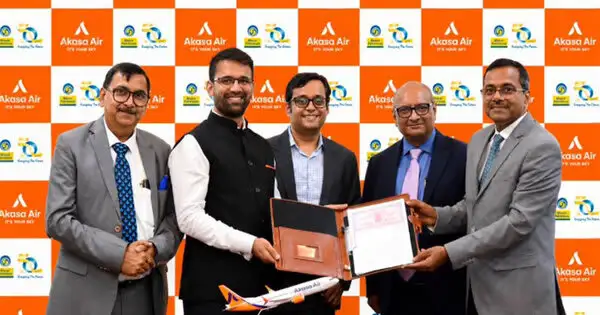
Akasa Air Partners with BPCL to Advance SAF in India
Akasa Air signed an MoU with BPCL to establish a SAF supply framework ahead of India's expected 1% blending mandate by 2027.

Delta, Shell Aviation Ink 5-Year SAF Supply Agreement
Delta Air Lines and Shell Aviation have signed a five-year agreement to supply Sustainable Aviation Fuel across five major U.S. hubs through 2030.
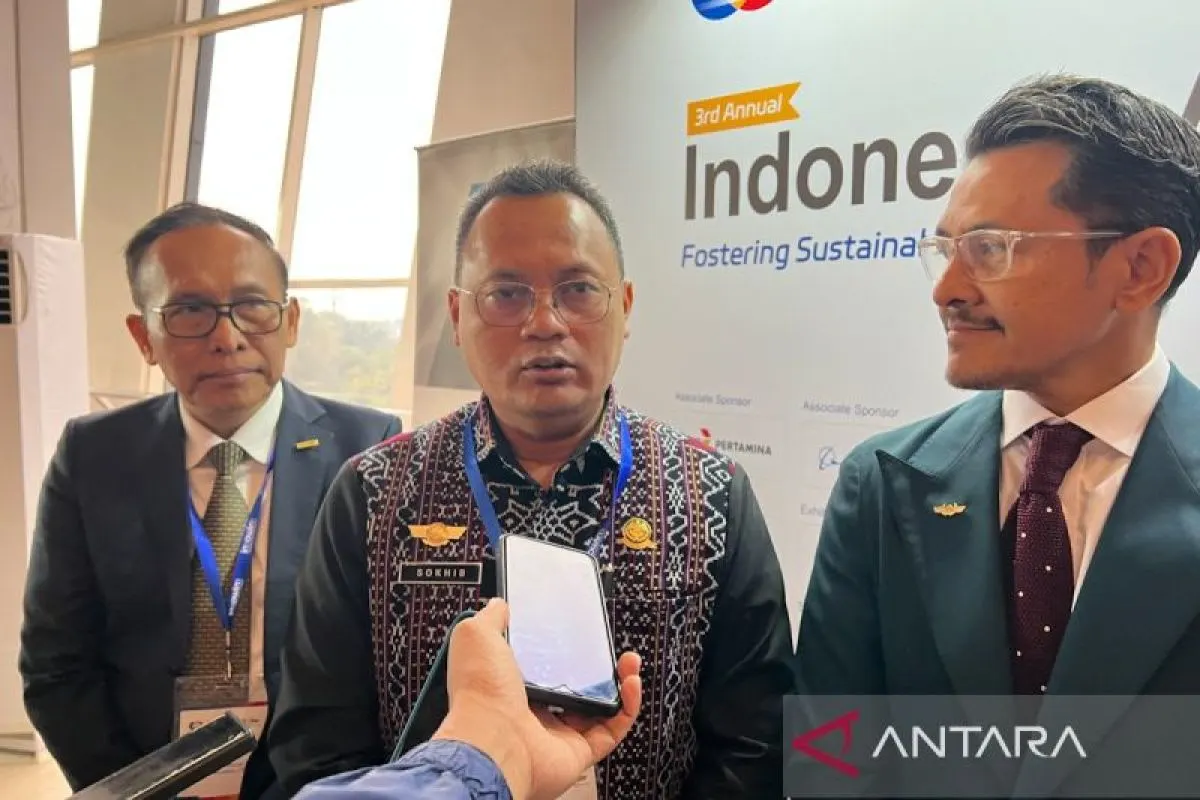
Indonesia to Mandate 1% SAF Blend for Flights by 2027
Indonesia will require a 1% Sustainable Aviation Fuel blend on international flights departing from Jakarta and Bali starting in 2027.
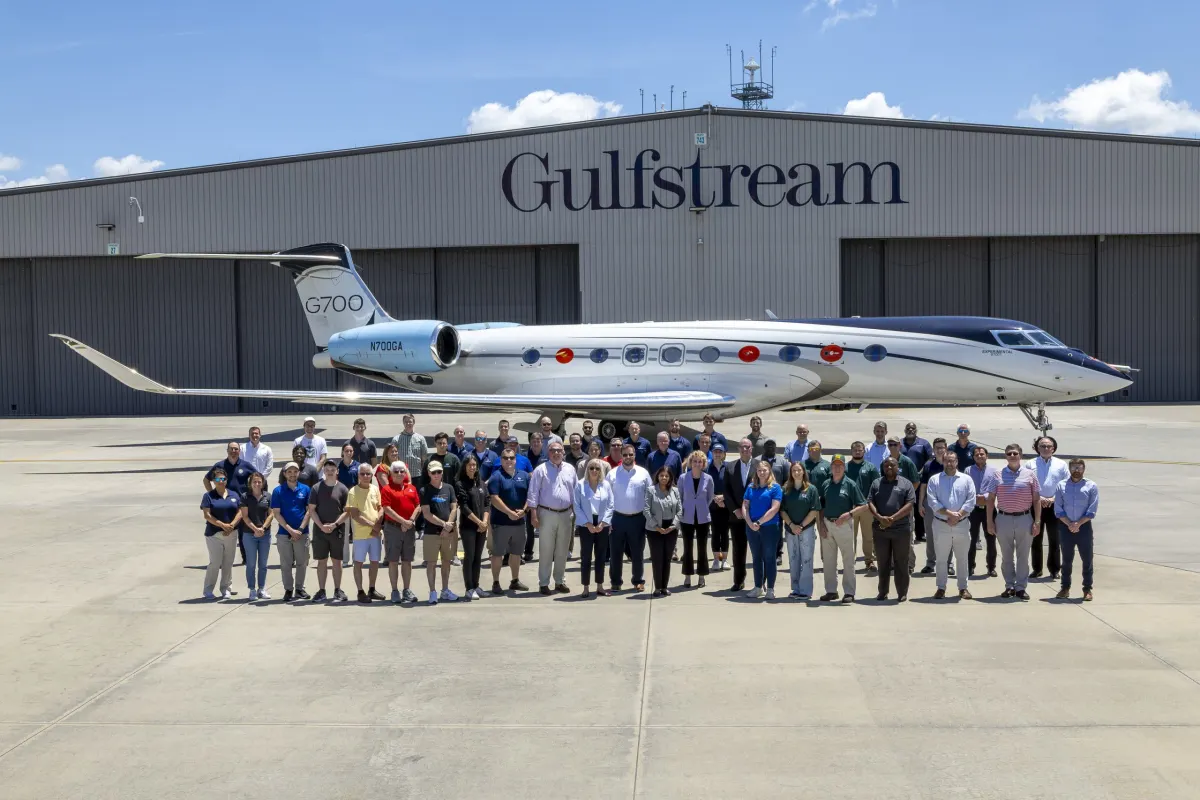
Gulfstream G800 Completes 100% SAF High-Altitude Emissions Test
Gulfstream tested 100% SAF on a G800 at 50,000 feet to measure emissions, marking a key step toward certifying unblended synthetic fuels.
LATAM Airlines Operates First SAF-Linked Passenger Charters
LATAM Airlines Group and PONANT completed 13 charter flights using SAF, reducing 160 tonnes of CO2 emissions via a book-and-claim methodology.