SIA Net Profit Halves on Fuel Costs, Air India Loss

Co-Founder & CEOAviation News Editor delivering trusted coverage across the global aviation industry.
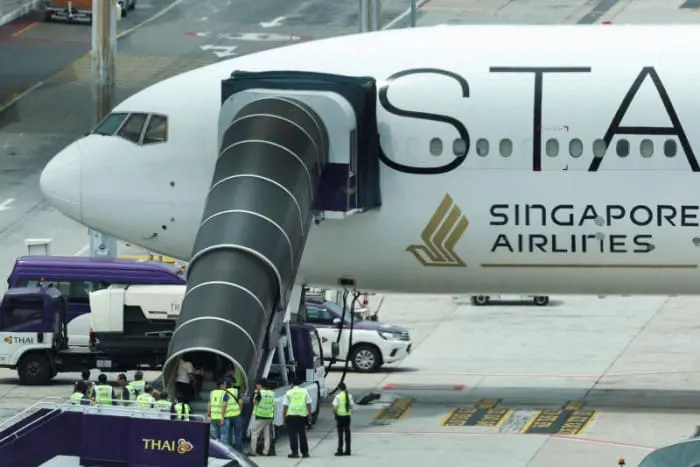
Singapore Airlines' net profit fell 57.4% to SGD 1.184B, impacted by surging jet fuel costs and its share of Air India's significant financial losses.
Key Takeaways
- •Net profit fell 57.4% to SGD 1.184B despite record revenue.
- •Surging jet fuel costs are a primary concern for future earnings.
- •SIA's 25.1% share of Air India's losses impacted the bottom line.
- •Operating profit rose 39% to SGD 2.375B on strong travel demand.
Singapore Airlines (SIA) Group reported a sharp decline in annual earnings, warning that the full impact of surging jet fuel prices has yet to be felt. The carrier's Singapore Airlines FY2026 earnings statement revealed a 57.4% drop in net profit to SGD 1.184 billion for the fiscal year ending March 31, 2026. This SIA net profit drop occurred despite record-breaking revenue and operating profit, largely driven by accounting factors related to its stake in Air India and the absence of a significant one-off gain recorded in the previous year.
The headline figure masks a robust underlying operational performance. The airline group's core business benefited from the continued recovery in global air travel, carrying a record 42.4 million passengers. However, the bottom line was significantly weighed down by its share of Air India financial losses and escalating operational costs, particularly for fuel, linked to recent geopolitical tensions.
Financial Performance in Detail
According to the official financial results, the SIA Group achieved a record total revenue of SGD 20.522 billion, a 5% increase year-over-year. This top-line growth was fueled by strong demand across its network, leading to a 39% rise in operating profit to SGD 2.375 billion. This indicates that the core airline operations of Singapore Airlines and its budget subsidiary, Scoot, remain highly profitable.
The significant divergence between operating and net profit is central to understanding the fiscal year's results. The primary driver of the net profit decline was the high base from the previous fiscal year, which included a substantial one-off accounting gain from the merger of Vistara with Air India. The absence of a similar gain in FY2025/26, combined with new financial pressures, led to the steep drop.
Financial analysts have emphasized that the group's underlying business is performing exceptionally well. The alternative perspective from market observers is that the net profit figure is largely a non-cash accounting artifact rather than a signal of operational weakness.
The Air India Factor
A major contributor to the reduced net profit was SIA's investment in Air India (AI). The Singaporean carrier holds a 25.1% equity stake in the Indian airline, which is undergoing a significant transformation under Tata Group's ownership. For the fiscal year, Air India recorded a comprehensive loss of approximately SGD 3.56 billion ($2.8 billion).
Under Equity Method Accounting Standards mandated by Singapore's Accounting and Corporate Regulatory Authority (ACRA), SIA must recognize its proportional share of AI's net losses on its own income statement. This accounting treatment directly reduced SIA's reported net profit by SGD 846 million, a significant non-cash charge that does not affect its core operational cash flow.
Despite this financial drag, Singapore Airlines management reiterated that the stake in Air India is a "core component of its long-term multi-hub strategy." The investment is a strategic move to capture a share of India's rapidly growing domestic and international aviation market.
Geopolitical Headwinds and Fuel Costs
The airline's management issued a cautious outlook, highlighting the jet fuel price impact from geopolitical instability. Tensions in the Middle East during early 2026 caused a spike in jet fuel prices, a trend that airlines globally are struggling to manage. Management warned that these higher costs are still "filtering through" and will "weigh more heavily in the year ahead."
While the airline has implemented fare hikes, executives noted that these increases do not fully offset the rise in fuel expenditures. This situation is reminiscent of historical precedents where major carriers have been severely impacted by fuel price volatility. In 2016-2017, Cathay Pacific reported major losses due to unfavorable fuel hedges. Similarly, in 2014, Qantas reported a massive statutory loss of AUD 2.8 billion, driven by fleet write-downs and high fuel costs despite stable operations. These events highlight the vulnerability of even the most successful carriers to external cost shocks.
Stakeholder and Market Reaction
The impact of the financial results is being felt across different stakeholder groups. For SIA shareholders, the company proposed a total dividend of 37 cents per share. This decision reflects the strong underlying operating cash flows, which were sufficient to support shareholder returns despite the lower statutory net profit.
For passengers, the airline's strategy to mitigate rising costs means facing elevated ticket prices. The carrier confirmed it is passing on some of the increased fuel costs, though these fare adjustments have not fully covered the expense.
The relationship with Air India remains a high-severity issue, as the Indian carrier requires ongoing strategic and financial support from its partners, including SIA, to navigate its multi-year turnaround plan amidst substantial losses.
What Comes Next
Looking ahead, Singapore Airlines expects the full financial impact of elevated fuel costs to be reflected in its earnings reports in late 2026. This will be a key metric to watch in the first and second quarters of the FY2026/27 fiscal year. Concurrently, the Air India Board of Directors is expected to appoint a new CEO in mid-to-late 2026 to continue leading the airline's complex transformation.
Why This Matters
Singapore Airlines' latest financial results serve as a clear indicator of the dual pressures facing the aviation industry: geopolitical volatility impacting costs and the financial complexities of strategic cross-border consolidation. While strong travel demand can drive record operating profits, an airline's ultimate bottom line remains exposed to external shocks and the accounting consequences of long-term investments. This case underscores the challenge of balancing robust daily operations with strategic, multi-year growth initiatives that may incur short-term losses.
Frequently Asked Questions
- Why did Singapore Airlines' net profit drop by 57.4% in FY2026?
- The net profit decline was primarily caused by two factors: the airline having to recognize its 25.1% share of Air India's SGD 3.56 billion loss, and the absence of a large one-off accounting gain that had boosted the previous year's results.
- How did rising jet fuel prices affect Singapore Airlines?
- Surging jet fuel prices, linked to geopolitical tensions in early 2026, increased the airline's operating costs. Management warned that these higher costs will weigh more heavily on future earnings and that fare hikes have not been sufficient to fully offset the increase.
- What is Singapore Airlines' relationship with Air India?
- Singapore Airlines holds a 25.1% equity stake in Air India. Despite causing a significant drag on SIA's net profit due to Air India's losses, the investment is considered a core part of SIA's long-term strategy to expand its presence in the growing Indian aviation market.
Get breaking commercial aviation news and expert airline analysis at omniflights.com. Track policy changes, airspace rules, and global aviation governance in the Regulatory category at omniflights.com/regulatory.
Written by Hardik Vishwakarma
Co-Founder & Aviation News Editor leading initiatives that improve trust and visibility across the global aviation industry. Covers airlines, airports, safety, and emerging technology.
Visit ProfileYou Might Also Like
Discover more aviation news based on similar topics
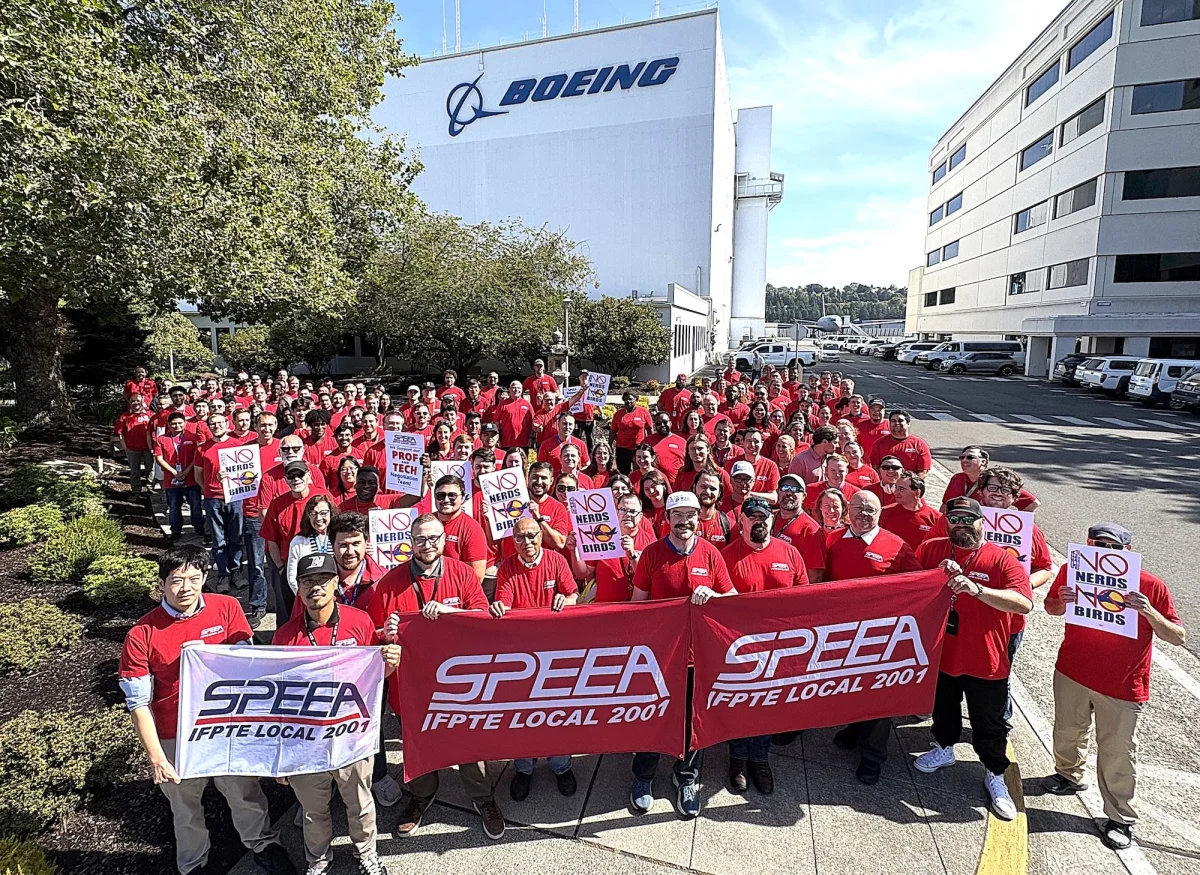
Boeing Tightens Spending Ahead of Critical SPEEA Union Vote
Boeing has implemented spending controls and a hiring freeze as it faces a critical contract ratification vote with its 17,000-member engineering union.

Boeing CEO Kelly Ortberg Warns of 777X Certification Delay
Boeing CEO Kelly Ortberg warned that a potential strike by 17,000 engineers would immediately halt the 777X certification and production programs.
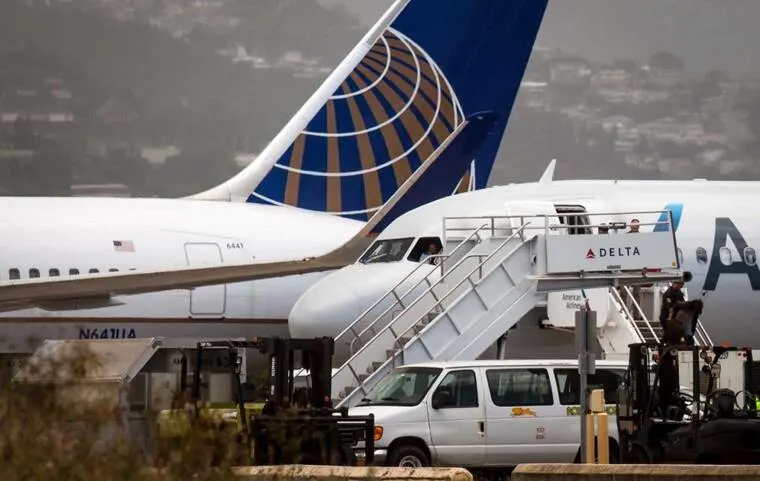
American and United Plan Capacity Cuts Amid Fuel Cost Surge
American and United are trimming flight schedules to offset a $1 billion fuel cost spike while maintaining strong pricing power.
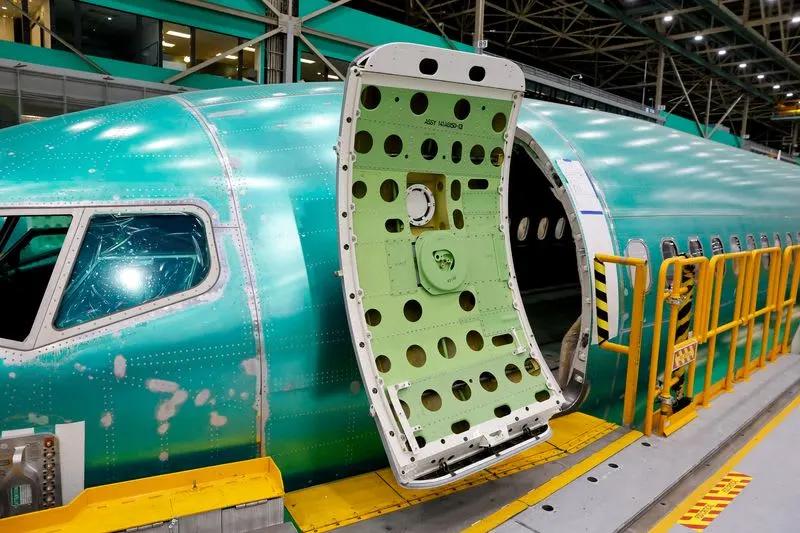
Boeing CEO Reports 737 MAX Output Stabilization Delays
Boeing CEO Kelly Ortberg reports slower 737 MAX production stabilization, prompting a downward revision in 2026 free cash flow expectations to $2 billion.
Boeing Finalizes KAL Order, Salvages Turkish Airlines Deal
Boeing secured a $36.2 billion order from Korean Air Lines for 103 aircraft and nears a resolution on a 150-jet deal with Turkish Airlines.

Airbus Forecasts 42,000 New Jets Amid Strong Global Demand
Airbus expects 42,000 new aircraft deliveries globally by 2045, with 45% of demand concentrated in the Asia-Pacific region.