European Airlines Downplay Summer Jet Fuel Shortage Fears

Co-Founder & CEOAviation News Editor delivering trusted coverage across the global aviation industry.
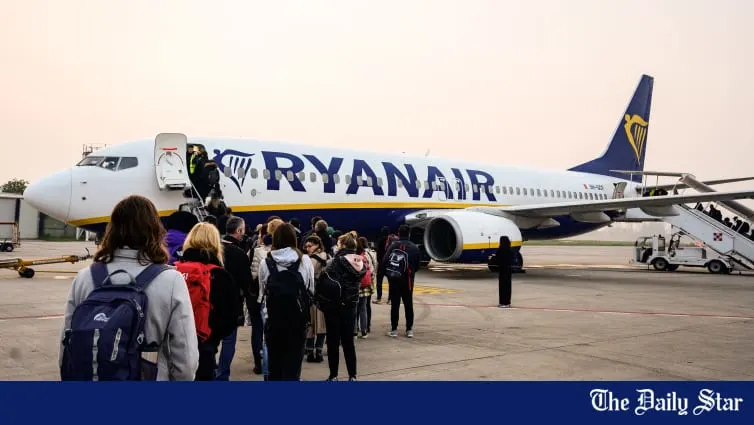
European airlines downplay summer jet fuel shortage fears despite prices doubling to $1,400/ton amid Middle East conflict to protect bookings.
Key Takeaways
- •Jet fuel prices double to $1,400/ton amid Middle East conflict.
- •Airlines secure alternative fuel from US and Nigeria at a premium.
- •Lufthansa confirms fuel supply secure only through mid-July 2026.
- •IEA warns global oil supply will not meet demand by end of 2026.
Major European airlines are publicly expressing confidence in the European jet fuel supply chain, seeking to reassure passengers ahead of the critical summer airline travel 2026 season. This optimistic messaging comes despite a severe supply crisis, stemming from a Strait of Hormuz disruption, that has seen jet fuel prices double to approximately $1,400 per metric ton.
The industry's unified front is widely seen by analysts as a strategic effort to prevent widespread ticket cancellations and protect crucial summer revenue. However, this confidence contrasts sharply with market data and warnings from global energy monitors, which point to significant underlying vulnerabilities in the long-term fuel supply chain.
A Confident Public Stance
Leaders from Europe's largest carriers have been vocal in their reassurance. Lufthansa CEO Carsten Spohr stated that the airline group's fuel supplies are secure at least into the early summer. "Supplies and deliveries will be sufficient through mid-July," Spohr said, noting that while the company typically sources a quarter of its fuel from the Gulf, it has successfully replaced much of that volume from other sources and its own reserves. According to Lufthansa's investor updates, this pivot has been essential to maintaining its schedule.
Similarly, Ryanair CEO Michael O'Leary commented in late April that "the risk of a supply disruption is receding." Wizz Air CEO Jozsef Varadi echoed this sentiment, arguing that the high price point incentivizes suppliers. "I don't think we're going to be running out," Varadi said, citing the near $1,400 per metric ton price as a catalyst for suppliers to "get creative." Details on the financial impact of these higher costs are often discussed in Wizz Air's investor communications.
Airport operators have also taken steps to mitigate risks. According to aviation fuel technology firm i6 Group, European airports increased jet fuel stocks by over 60 percent in April, building a buffer against potential delivery interruptions. This move has helped calm nerves after some Italian airports reported potential shortages earlier in the spring.
Underlying Supply Chain Pressures
Despite the industry's bullish tone, not all indicators are positive. The International Energy Agency (IEA) issued a stark warning, stating that global oil supply will likely fail to meet demand this year due to the conflict's impact on Middle East production. The agency's Oil Market Report highlights a growing deficit that could challenge the industry later in the year. This perspective suggests that while airlines can manage short-term disruptions, the macroeconomic picture remains precarious.
This concern is supported by physical market data. According to LSEG (London Stock Exchange Group) Workspace data, jet fuel stocks in the critical Amsterdam-Rotterdam-Antwerp (ARA) refining and storage hub are near record lows. The low inventories in the ARA hub expose the region to heightened risk from any further supply shocks. This data indicates that the buffer for absorbing new disruptions is significantly thinner than airline statements might suggest.
The European Union (EU) is also monitoring the situation closely. EU Energy Commissioner Dan Jorgensen stated, "We don't expect a very serious security of supply issue on a very short term." However, he acknowledged the risk of longer-term problems, saying, "We cannot exclude that there will be security of supply issues on a longer term. This all depends, of course, on the situation in the Middle East."
Context & Comparison
The current situation in 2026 shows strong parallels to a previous energy crisis. During the 2022 Russian Invasion of Ukraine Jet Fuel Crisis, prices spiked to similar levels, nearing $1,500 per metric ton. That event forced European carriers to rapidly pivot away from Russian energy imports and find alternative suppliers at a premium. The outcome was a sharp increase in operating costs, which were ultimately passed on to consumers through higher ticket prices. This historical precedent suggests that while airlines can maintain operational continuity through strategic sourcing from places like the U.S. and Nigeria, passengers should anticipate higher fares.
Technical Analysis
The current market dynamics illustrate a recurring pattern in the aviation industry: geopolitical events that disrupt energy supply chains trigger a two-phase response. The first phase, which is currently underway, involves airlines absorbing higher costs and leveraging alternative sourcing to protect high-demand travel seasons and maintain passenger confidence. The second, more challenging phase emerges if the disruption persists, forcing systemic adjustments such as capacity reductions or significant fare hikes that could dampen demand. The optimistic commentary from airline CEOs is characteristic of the first phase, aimed at bridging the gap until the supply chain stabilizes. However, the warnings from the IEA and low ARA stock levels indicate that the transition to a more difficult second phase remains a distinct possibility if the Middle East conflict is not resolved.
What Comes Next
The industry is watching several key timelines. According to Lufthansa, its clear visibility on fuel supplies extends only through mid-July 2026, after which the situation becomes less certain. This date serves as a critical milestone for the summer travel season.
Looking further ahead, the International Energy Agency has forecasted that the global oil supply deficit it predicts could begin to materialize more acutely toward the end of 2026. Should this occur, the premium prices airlines are currently paying for fuel could become the new baseline, placing sustained pressure on airline profitability and passenger fares.
Why This Matters
This situation highlights the delicate balance European airlines must strike between operational reality and market perception. While successfully securing alternative fuel supplies demonstrates logistical agility, it comes at a significant cost that will inevitably affect ticket prices. The divergence between confident industry messaging and cautionary macroeconomic data underscores the profound vulnerability of the aviation sector to geopolitical instability and volatile energy markets. For travelers and the industry alike, the stability of the summer 2026 schedule hinges on a fragile and expensive supply chain.
Frequently Asked Questions
- Why have European jet fuel prices doubled in 2026?
- Jet fuel prices have doubled to around $1,400 per metric ton due to a geopolitical conflict in the Middle East that has snarled oil flows through the Strait of Hormuz. This disruption has created a significant supply crisis, increasing costs for airlines globally.
- How are European airlines securing fuel for summer travel?
- To ensure operational stability for the summer 2026 season, European airlines are securing jet fuel from alternative sources, including the United States and Nigeria. They are paying a premium for these supplies and also drawing from strategic reserves built up by both airlines and airports.
- What is the long-term forecast for jet fuel supply in Europe?
- While airlines are confident in the short-term, the long-term forecast is uncertain. The International Energy Agency (IEA) has warned that global oil supply will likely not meet demand by the end of 2026 if the Middle East conflict persists, suggesting the potential for sustained high prices and supply challenges.
omniflights.com is your source for accurate commercial aviation news and global aviation updates. Follow aviation sustainability efforts, emissions research, and green initiatives in the Environmental section at omniflights.com/environmental.
Written by Hardik Vishwakarma
Co-Founder & Aviation News Editor leading initiatives that improve trust and visibility across the global aviation industry. Covers airlines, airports, safety, and emerging technology.
Visit ProfileYou Might Also Like
Discover more aviation news based on similar topics
Boeing Tightens Spending Ahead of Critical SPEEA Union Vote
Boeing has implemented spending controls and a hiring freeze as it faces a critical contract ratification vote with its 17,000-member engineering union.
Boeing CEO Kelly Ortberg Warns of 777X Certification Delay
Boeing CEO Kelly Ortberg warned that a potential strike by 17,000 engineers would immediately halt the 777X certification and production programs.
American and United Plan Capacity Cuts Amid Fuel Cost Surge
American and United are trimming flight schedules to offset a $1 billion fuel cost spike while maintaining strong pricing power.
Boeing CEO Reports 737 MAX Output Stabilization Delays
Boeing CEO Kelly Ortberg reports slower 737 MAX production stabilization, prompting a downward revision in 2026 free cash flow expectations to $2 billion.
Boeing Finalizes KAL Order, Salvages Turkish Airlines Deal
Boeing secured a $36.2 billion order from Korean Air Lines for 103 aircraft and nears a resolution on a 150-jet deal with Turkish Airlines.
Airbus Forecasts 42,000 New Jets Amid Strong Global Demand
Airbus expects 42,000 new aircraft deliveries globally by 2045, with 45% of demand concentrated in the Asia-Pacific region.