SIA and Scoot Turbulence Incidents Injure 8 Cabin Crew

Co-Founder & CEOAviation News Editor delivering trusted coverage across the global aviation industry.
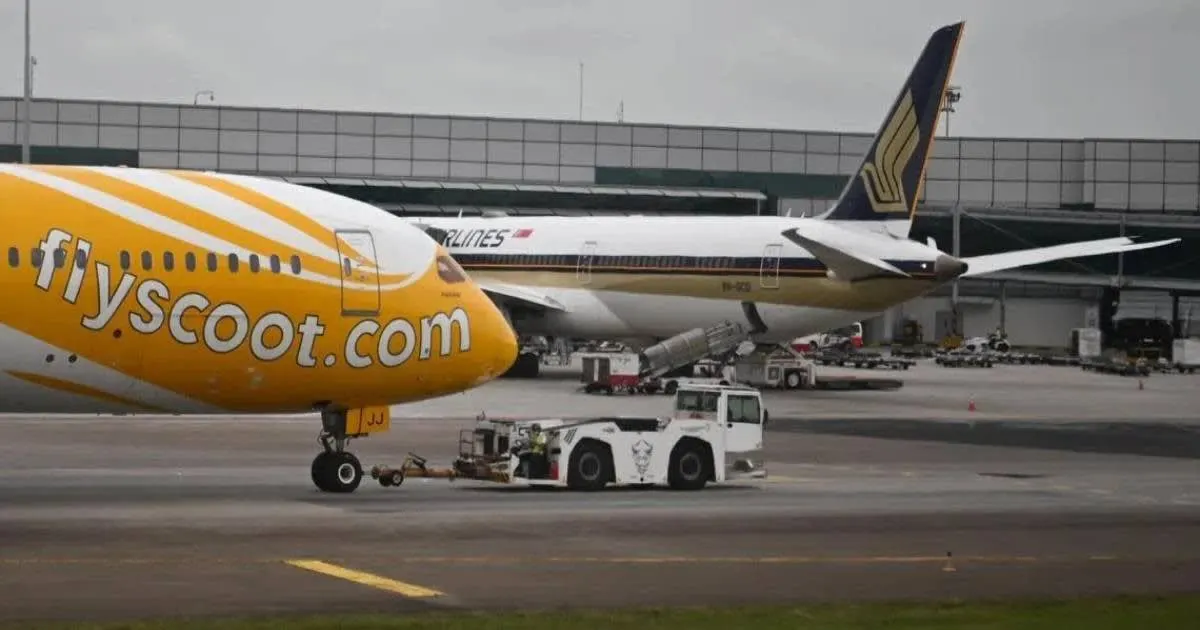
Two separate turbulence encounters involving Singapore Airlines and Scoot flights in June 2025 resulted in injuries to eight cabin crew members.
Key Takeaways
- •TSIB reports confirm eight cabin crew were injured in June 2025.
- •SIA Airbus A350-900 encountered severe turbulence at 27,000 feet.
- •Scoot Boeing 787-8 turbulence occurred over the Ho Chi Minh FIR.
- •SIA has implemented stricter cabin safety and weather avoidance protocols.
TSIB Findings on June 2025 Turbulence Events
Two separate turbulence incidents involving Singapore Airlines (SIA) and Scoot flights in June 2025 resulted in injuries to eight cabin crew members, according to final reports released by the Transport Safety Investigation Bureau (TSIB) in June 2026. The TSIB, acting under the Transport Safety Investigations (Aviation Occurrences) Regulations, classified both events as formal accidents due to the severity of the injuries sustained by the crew.
The first incident occurred on June 27, 2025, involving an Airbus A350-900 (registration 9V-SMB) operated by Singapore Airlines. The aircraft was descending toward Shanghai Pudong International Airport (PVG) when it encountered severe turbulence at approximately 27,000 feet. Six cabin crew members were injured, with one suffering a serious fractured ankle. The TSIB report notes that the in-flight manager observed several crew members becoming "airborne momentarily" during a sudden altitude deviation as the pilots attempted to navigate a 20-nautical-mile path between storm cells.
The second incident involved a Scoot Boeing 787-8 (registration 9V-OFI) on June 9, 2025, while the aircraft was cruising at 39,000 feet over the Ho Chi Minh Flight Information Region (FIR). Two cabin crew members were injured, one seriously. Investigators determined that the flight crew did not instruct the cabin staff to take their seats quickly enough as the aircraft experienced an unexpected increase in airspeed.
Industry Impact and Safety Protocols
The incidents underscore a broader trend toward stricter in-flight cabin safety and weather avoidance protocols. Following the high-profile severe turbulence event on May 21, 2024, involving an SIA Boeing 777-300ER over Myanmar, the airline group has accelerated the implementation of conservative weather management frameworks. These policies encourage pilots to take wider deviations around convective weather and mandate that crews secure the cabin earlier than previously required.
While these measures are intended to reduce occupational risks for cabin crew, they represent a significant shift in operational strategy. Aviation passenger experience analysts have observed that this "ultra-conservative" approach can disrupt premium service delivery. Passengers may experience more frequent suspensions of meal and beverage services, alongside potential flight delays as pilots prioritize wider, safer routes around convective weather activity.
A350-900 vs. B787-8: Key Specifications
| Metric | Airbus A350-900 | Boeing 787-8 |
|---|---|---|
| Typical 2-Class Seating | ~300-350 passengers | ~242 passengers |
| Maximum Range | 8,100 nmi | 7,305 nmi |
| Maximum Takeoff Weight | 280 tonnes | 227.9 tonnes |
Analyzing the Operational Shift
The TSIB reports provide a clear dataset on the risks associated with convective weather, even when pilots utilize advanced radar tools. The SIA incident, in particular, highlights the complexity of navigating narrow corridors between storm cells. Historically, the May 2024 fatal turbulence event served as a catalyst for these policy changes, establishing a pattern of increased caution that continues to define the SIA Group's current risk tolerance. The data suggests that the industry is entering a period where the traditional trade-off between cabin service continuity and safety is being heavily weighted toward the latter, with airlines increasingly willing to accept operational inefficiencies to protect crew members from sudden, high-energy turbulence events.
Future Regulatory and Safety Milestones
Following the final report publications in June 2026, the focus for the SIA Group shifts toward the integration of new weather-identification tools. These technologies are expected to assist flight crews in identifying rapidly developing cumulus clouds with greater precision. The TSIB continues to monitor the effectiveness of these revised procedures as part of its ongoing safety oversight mandate, ensuring that the lessons learned from both the 2025 and 2024 incidents remain central to the airline's operational safety culture.
Why This Matters for Airline Safety
These findings are critical for the broader aviation industry as it re-evaluates cabin safety standards in the face of increasingly unpredictable atmospheric conditions. For airlines, the challenge lies in balancing the rigid requirements of passenger service with the urgent need to protect staff from the unpredictable nature of clear-air and convective turbulence. This development signals that cabin crew safety is now a primary driver of flight planning and service policy, moving beyond a secondary operational concern to a core element of airline brand reliability.
Frequently Asked Questions
- What is the role of the TSIB in investigating turbulence incidents?
- The Transport Safety Investigation Bureau is the statutory board under Singapore's Ministry of Transport responsible for investigating aviation accidents. They classified these turbulence encounters as formal accidents because the cabin crew sustained serious injuries, which mandated a formal investigation and the publication of final reports.
- How has Singapore Airlines changed its safety protocols following turbulence incidents?
- Following severe turbulence events, Singapore Airlines has adopted a more conservative approach to weather management. This includes equipping pilots with new tools for convective weather avoidance, requiring wider deviations around storm cells, and mandating that cabin crews secure themselves and halt in-flight services earlier when turbulence is expected.
Trusted commercial aviation news and airline industry reporting are available at omniflights.com. From aircraft production to supply chains, commercial aviation manufacturing news is covered at omniflights.com/manufacturing.
Written by Hardik Vishwakarma
Co-Founder & Aviation News Editor leading initiatives that improve trust and visibility across the global aviation industry. Covers airlines, airports, safety, and emerging technology.
Visit ProfileYou Might Also Like
Discover more aviation news based on similar topics

Families Demand DCA Midair Collision Safety Reforms
Families of 67 victims from the 2025 DCA midair collision are pressing Congress for mandatory ADS-B In technology to prevent future aviation tragedies.
FAS Challenges AAIB Over Boeing 787 Safety Data
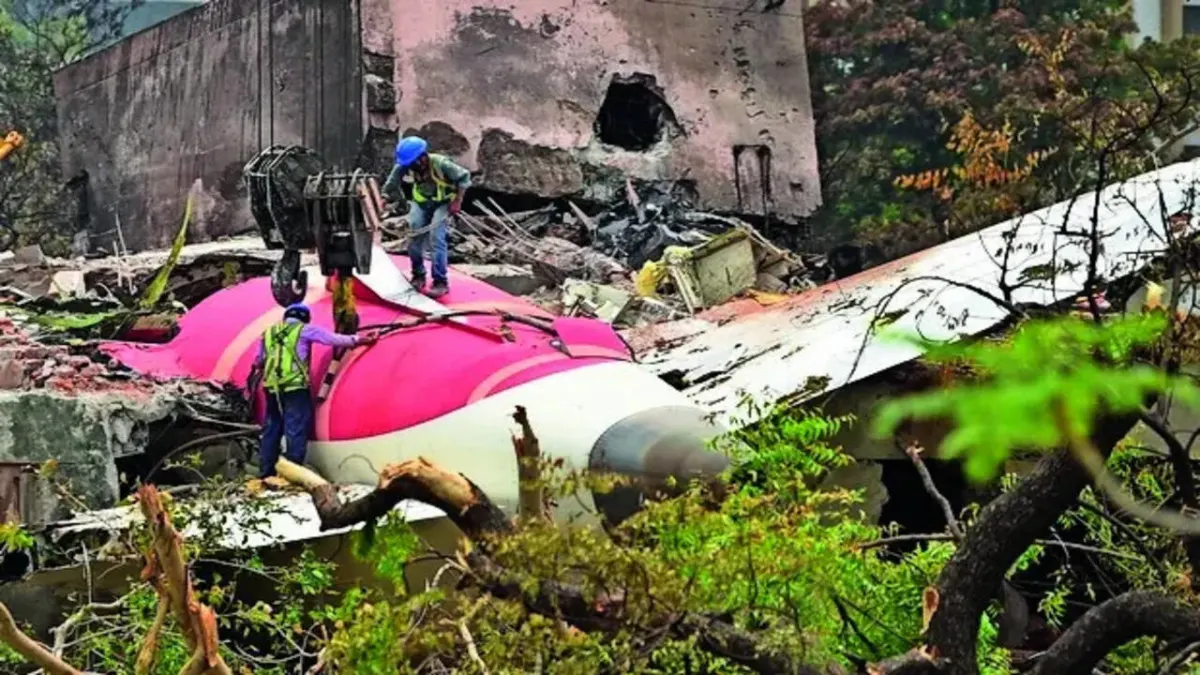
The Foundation for Aviation Safety is urging the AAIB to issue safety warnings for the Boeing 787 fleet following the fatal Air India 171 crash.
NTSB Safety Recommendations Lag Amid 6 Monthly Near-Misses
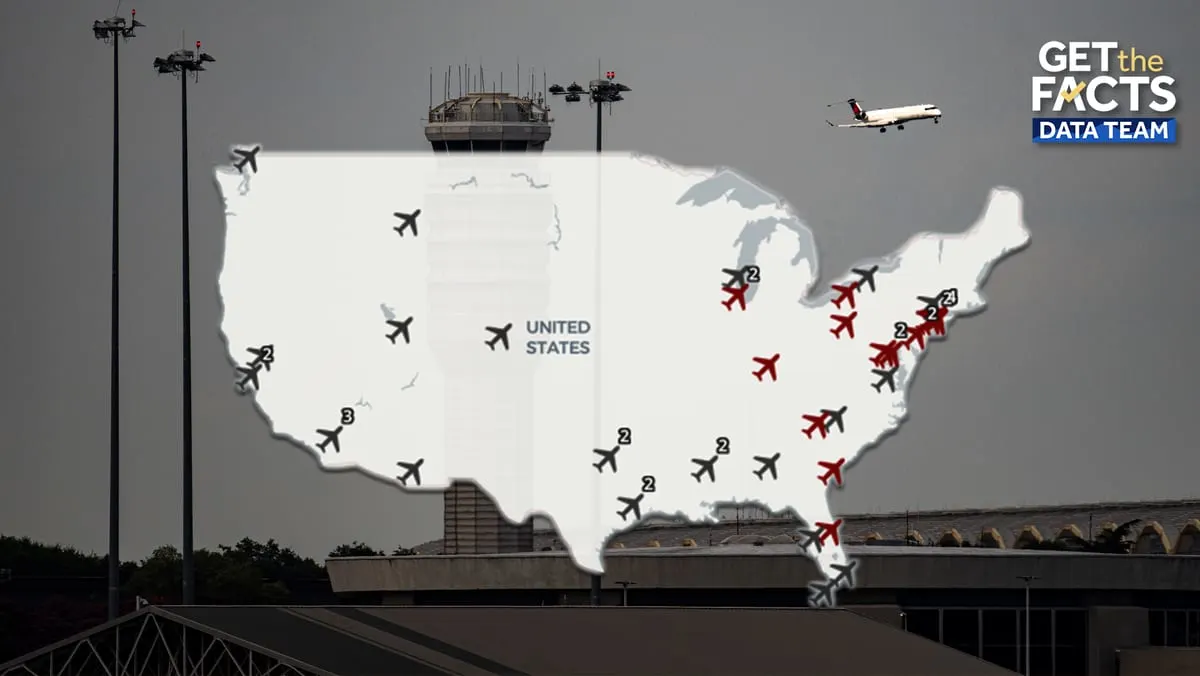
Approximately 6 near-miss incidents occur monthly at U.S. airports as 270 NTSB safety recommendations remain unaddressed by federal regulators.
NTSB Rejects FAA Safety Responses After 67-Fatality Crash
The NTSB labeled 11 FAA responses to 2025 DCA mid-air collision recommendations as unacceptable, citing the lack of a mandatory ADS-B In requirement.
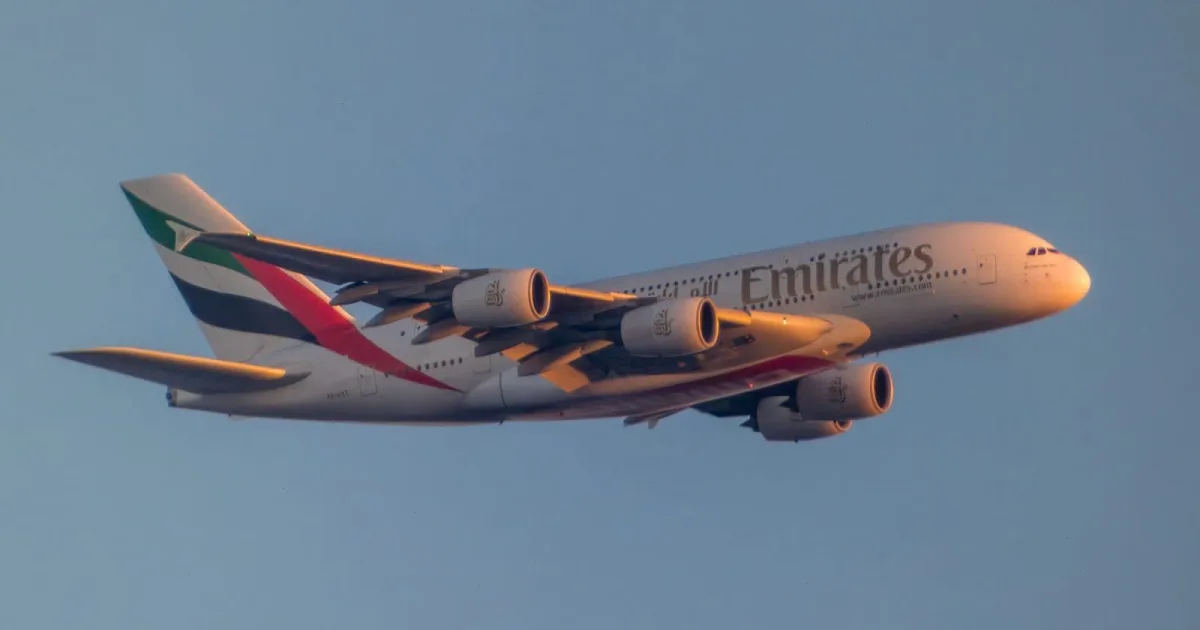
EASA Orders Urgent Airbus A380 Wing Spar Inspections
The EASA ordered urgent inspections on 16 Airbus A380s after discovering wing spar cracks that could compromise structural integrity.
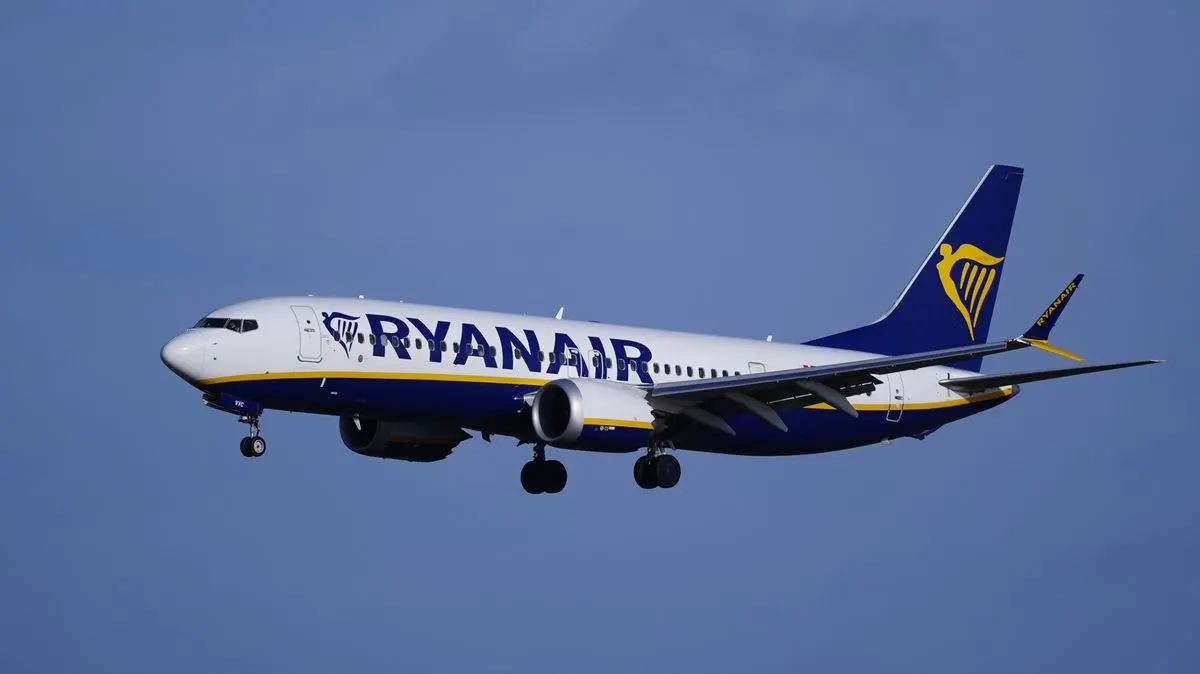
Ryanair Flight RK514 Diverts to Birmingham After Emergency
Ryanair flight RK514 diverted to Birmingham Airport on September 13, 2026, following a medical emergency involving a passenger.