SHEIN Expands SAF Program with DHL GoGreen Plus Service

Co-Founder & CEOAviation News Editor delivering trusted coverage across the global aviation industry.
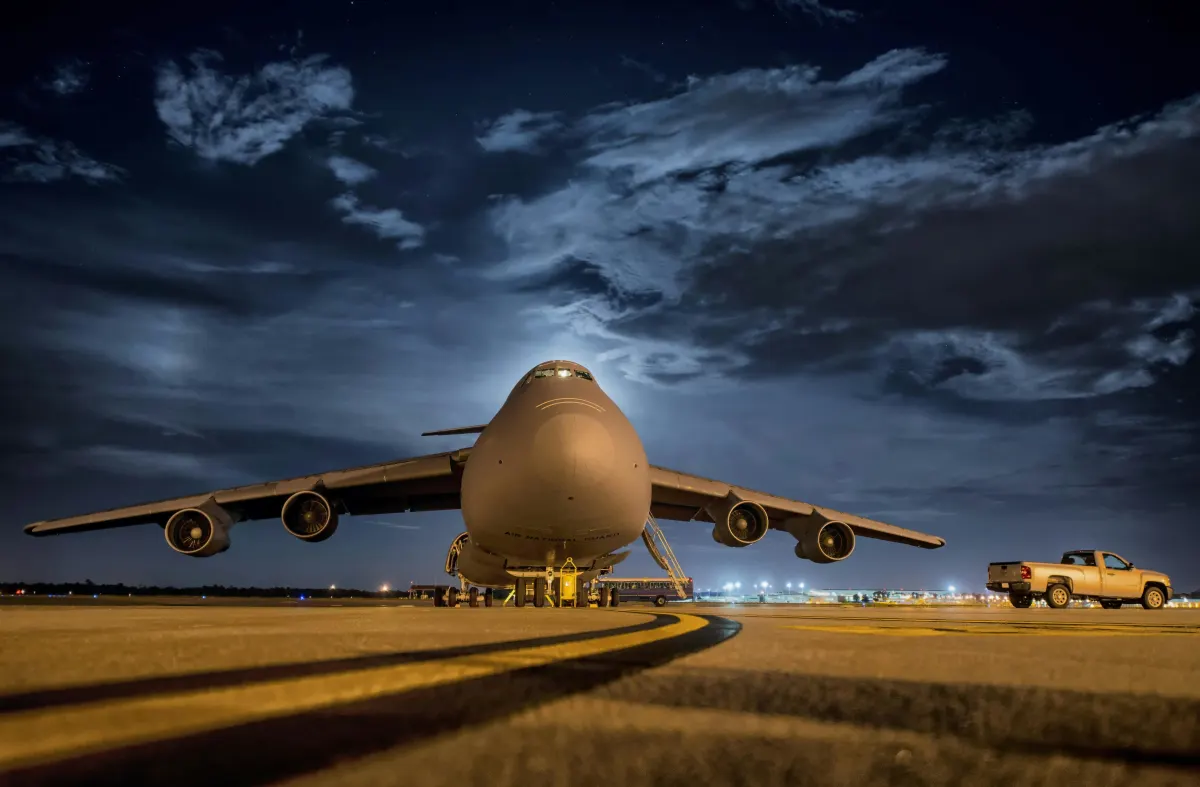
Global retailer SHEIN has partnered with DHL to use its GoGreen Plus service, reducing air cargo emissions with Sustainable Aviation Fuel (SAF).
Key Takeaways
- •Partners with DHL Express to use its GoGreen Plus service for SAF-powered air cargo.
- •Reduces Scope 3 emissions through a 'book and claim' carbon insetting model.
- •Builds on a 2025 pilot with Atlas Air that cut emissions by 579.1 tCO2e.
- •Aims to decarbonize its high-volume, cross-border e-commerce supply chain.
Global online retailer SHEIN has signed a new agreement with DHL Express to utilize its GoGreen Plus service, a move that directly funds the use of Sustainable Aviation Fuel (SAF) in its air cargo operations. The partnership marks a significant step in SHEIN’s efforts to decarbonize its logistics network and address its Scope 3 emissions, which encompass indirect emissions from a company's value chain.
The collaboration leverages a carbon insetting model, allowing SHEIN to purchase a specific quantity of SAF and have the associated emissions reductions allocated to its shipments. This "book and claim" system is becoming an industry standard for companies seeking to reduce their environmental footprint within their own supply chains, rather than purchasing external carbon offsets. According to DHL Express official data, SAF can reduce lifecycle greenhouse gas emissions by up to 80% compared to conventional jet fuel.
John Pearson, CEO of DHL Express, stated that the agreement represents an important milestone in advancing the green transformation of air logistics. For SHEIN, the partnership provides a practical pathway to integrating sustainable solutions into its global air freight network. "This allows SHEIN to better understand how SAF solutions can be practically incorporated," said Mustan Lalani, SHEIN's Head of Sustainability.
Background on SHEIN's SAF Initiatives
This agreement with DHL builds upon SHEIN's previous efforts in the SAF space. In 2025, the company conducted a pilot program with Atlas Air, using 187.3 tonnes of SAF for 14 charter flights. According to a SHEIN Group press release, that initiative successfully reduced emissions by 579.1 Tonnes of Carbon Dioxide Equivalent (tCO2e), providing valuable data on the operational feasibility of SAF in its network.
The move aligns with a broader trend among major e-commerce players to take direct action on their substantial air freight emissions. Historically, companies like Amazon have secured millions of gallons of SAF to decarbonize their dedicated cargo fleets, setting a precedent for large-scale corporate procurement.
Industry Impact and Regulatory Context
The partnership has a notable impact on key stakeholders. For DHL, it secures a high-volume client for its flagship sustainability service, helping to underwrite its ambitious goal of achieving 30% SAF blending for all air transport by 2030. According to DHL Group Reporting, the company's SAF usage reached approximately 10% of fuel consumption across its dedicated fleet in 2025, a significant increase from 3.5% in 2024. For SHEIN, it provides a verifiable method to lower its Scope 3 emissions, enhancing its sustainability credentials amid scrutiny of the fast-fashion industry's environmental impact.
This trend is further accelerated by a strengthening regulatory environment. The ReFuelEU Aviation Mandate from the European Union requires fuel suppliers at EU airports to blend a minimum of 2% SAF starting in 2025, with the requirement rising to 6% by 2030. Furthermore, the International Civil Aviation Organization's (ICAO) Carbon Offsetting and Reduction Scheme for International Aviation (CORSIA) provides the certified accounting frameworks necessary for allocating SAF emissions reductions to corporate clients like SHEIN.
However, some alternative perspectives exist. Environmental groups often argue that such initiatives represent 'greenwashing' if they don't address the core business model of overproduction in fast fashion. Meanwhile, logistics analysts note that SAF remains significantly more expensive than traditional jet fuel, suggesting that the costs of insetting programs will eventually impact retailer margins or be passed on to consumers.
SAF vs. Conventional Jet Fuel
A key driver of SAF adoption is its nature as a 'drop-in' fuel, requiring no engine modifications.
| Metric | Sustainable Aviation Fuel (SAF) | Conventional Jet Fuel |
|---|---|---|
| Lifecycle GHG Emissions | Up to 80% reduction | Baseline |
| Engine Modification Required | None / Drop-in | N/A |
| Current Blending Limit | 50% maximum | 100% unblended |
What Comes Next
The aviation industry is on a clear trajectory toward increased SAF integration, driven by both corporate demand and regulatory mandates. Key future milestones include:
- 2030: The ReFuelEU Aviation mandate is set to increase the required SAF blend to 6% at all EU airports.
- 2030: DHL Group aims to meet its internal target of using 30% SAF for all its air transport operations.
Why This Matters
This partnership between a major global e-commerce platform and a leading logistics provider demonstrates the increasing commercial viability and scalability of Sustainable Aviation Fuel. It solidifies the 'book and claim' insetting model as a primary tool for corporations to address Scope 3 emissions in air freight. The agreement signals a growing commitment within the fast-fashion sector to invest directly in decarbonizing its complex, high-volume supply chains.
For global airline trends and commercial aviation news, turn to omniflights.com. Discover how innovation is shaping aviation through aircraft systems, avionics, and digital tools at omniflights.com/technology.
Written by Hardik Vishwakarma
Co-Founder & Aviation News Editor leading initiatives that improve trust and visibility across the global aviation industry. Covers airlines, airports, safety, and emerging technology.
Visit ProfileYou Might Also Like
Discover more aviation news based on similar topics

American Airlines Flies First U.S. eSAF Passenger Flight
American Airlines completed the first U.S. commercial flight using Infinium eSAF, a synthetic fuel that reduces lifecycle emissions by over 90%.
Akasa Air Partners with BPCL to Advance SAF in India
Akasa Air signed an MoU with BPCL to establish a SAF supply framework ahead of India's expected 1% blending mandate by 2027.

Delta, Shell Aviation Ink 5-Year SAF Supply Agreement
Delta Air Lines and Shell Aviation have signed a five-year agreement to supply Sustainable Aviation Fuel across five major U.S. hubs through 2030.
Indonesia to Mandate 1% SAF Blend for Flights by 2027
Indonesia will require a 1% Sustainable Aviation Fuel blend on international flights departing from Jakarta and Bali starting in 2027.
Gulfstream G800 Completes 100% SAF High-Altitude Emissions Test
Gulfstream tested 100% SAF on a G800 at 50,000 feet to measure emissions, marking a key step toward certifying unblended synthetic fuels.
LATAM Airlines Operates First SAF-Linked Passenger Charters
LATAM Airlines Group and PONANT completed 13 charter flights using SAF, reducing 160 tonnes of CO2 emissions via a book-and-claim methodology.