SAF Production Lags as High Costs Challenge Airline 2030 Emission Goals

Co-Founder & CEOAviation News Editor delivering trusted coverage across the global aviation industry.

Airlines face significant hurdles in adopting Sustainable Aviation Fuel due to high costs and limited supply, forcing a re-evaluation of 2030 targets.
Key Takeaways
- •Costs 4.2 times more than conventional jet fuel, creating a $2.9 billion premium for airlines in 2025.
- •Represents less than 1% of global jet fuel demand, forcing airlines to reconsider 2030 targets.
- •Contrasts with general aviation's successful transition to unleaded fuel, aided by FAA initiatives.
- •Faces regulatory hurdles like the EU's ReFuelEU mandate, which IATA claims inflates compliance costs.
While the general aviation sector is making measurable progress in transitioning away from leaded fuels, the commercial airline industry's adoption of Sustainable Aviation Fuel (SAF) is hampered by severe economic and supply chain challenges. According to the International Air Transport Association (IATA), the cost of SAF is estimated to be 4.2 times higher than conventional jet fuel in 2025, placing significant financial strain on carriers and jeopardizing industry-wide 2030 decarbonization targets.
The disparity between environmental goals and market reality is stark. The high price and scarcity of SAF are forcing airlines to pay a massive premium, estimated at $2.9 billion in 2025 alone, largely driven by compliance with new regulations. This financial burden, coupled with a production volume that fails to meet demand, has led industry leaders to warn that ambitious goals, such as achieving 10% SAF usage by 2030, are becoming increasingly unrealistic.
SAF Cost and Supply Crisis
The core of the problem lies in the nascent state of the SAF production market. Global SAF production in 2024 reached 1 million metric tons, a figure that represents just 0.3% of global jet fuel use, according to IATA estimates. While production is expected to increase, it remains a fraction of what is needed. IATA projects that SAF will cover only 0.6% of total jet fuel consumption in 2025, a pace insufficient to meet the industry’s net-zero roadmap.
This supply shortage is exacerbated by regulatory measures. The European Union's ReFuelEU Aviation Mandate, which requires fuel suppliers to blend a minimum of 2% SAF starting in 2025, has inadvertently driven up costs. IATA Director General Willie Walsh has criticized the approach, stating that such mandates have allowed fuel suppliers to charge airlines compliance fees without a corresponding increase in actual SAF supply. This dynamic has stalled momentum and created what Walsh describes as an unsustainable financial model for airlines attempting to decarbonize.
The General Aviation Transition
In contrast to the struggles in the commercial sector, the general aviation (GA) community is seeing success in its own fuel transition. The Federal Aviation Administration (FAA) is spearheading the Eliminate Aviation Gasoline Lead Emissions (EAGLE) initiative, which aims to phase out leaded aviation gasoline by the end of 2030. This push is motivated by public health concerns over lead pollution, mirroring the successful phase-out of leaded automotive fuel decades ago.
Airports in Colorado are at the forefront of this shift. Rocky Mountain Metropolitan Airport (RMMA) received a $300,000 grant from the Colorado Department of Transportation to install infrastructure for unleaded fuel. At nearby Centennial Airport, unleaded Unleaded 94 Octane (UL94) gasoline now accounts for 20% of total fuel sales for piston-engine aircraft. State-level incentives, including tax credits, have helped accelerate this transition, demonstrating that targeted regulatory support and financial aid can yield positive results.
Technical Comparisons
Aviation Gasoline (Avgas)
| Metric | 100LL (Leaded) | UL94 (Unleaded) |
|---|---|---|
| Octane Rating | 100 octane | 94 octane |
| Compatibility | Works in all piston engines | Requires specific FAA engine certificates for use |
Jet Fuel
| Metric | Jet A | SAF |
|---|---|---|
| Cost (2025 est.) | approx. $86/bbl | approx. 4.2x higher |
| Carbon Reduction | Baseline | Up to 80% lifecycle CO2 reduction |
Stakeholder Impacts
The dual fuel transitions have distinct impacts across the industry. For airlines, the primary impact is financial. The high cost of SAF directly affects profitability and forces a difficult re-evaluation of sustainability commitments. For general aviation pilots, the transition to unleaded fuel presents an operational challenge, requiring them to secure FAA supplemental type certificates for their aircraft and potentially face limits due to the lower octane rating of UL94. Conversely, local communities near GA airports like RMMA experience a significant public health benefit from the reduction in airborne lead exposure. Meanwhile, fuel suppliers are positioned to benefit from compliance fees related to SAF mandates but are under pressure to rapidly scale production to meet future demand.
What Comes Next
The aviation industry faces several key regulatory milestones in the coming years. The ReFuelEU 2% SAF Mandate takes effect in 2025, setting a new baseline for fuel composition in Europe. Looking further ahead, the FAA's EAGLE Initiative deadline in 2030 will mark the official end of leaded aviation fuel in the United States. However, the industry's own goal of achieving 10% SAF adoption by 2030 now appears uncertain, contingent on a dramatic and rapid expansion of the global SAF supply chain.
Why This Matters
The concurrent but divergent paths of unleaded avgas and SAF adoption highlight a critical challenge in aviation's decarbonization journey. While regulatory and community pressure can successfully drive targeted changes, as seen in general aviation, a global transition for commercial airlines requires a viable economic model and a robust supply chain. The current SAF market demonstrates a significant disconnect between regulatory ambition and industrial capacity, signaling that achieving net-zero emissions will depend as much on scalable production and cost management as it does on mandates. For more details, see the official IATA page on Sustainable Aviation Fuels.
Get breaking commercial aviation news and expert airline analysis at omniflights.com. Stay informed on aviation incidents, investigations, and best practices in the Safety category at omniflights.com/safety.
Written by Hardik Vishwakarma
Co-Founder & Aviation News Editor leading initiatives that improve trust and visibility across the global aviation industry. Covers airlines, airports, safety, and emerging technology.
Visit ProfileYou Might Also Like
Discover more aviation news based on similar topics

American Airlines Flies First U.S. eSAF Passenger Flight
American Airlines completed the first U.S. commercial flight using Infinium eSAF, a synthetic fuel that reduces lifecycle emissions by over 90%.

Akasa Air Partners with BPCL to Advance SAF in India
Akasa Air signed an MoU with BPCL to establish a SAF supply framework ahead of India's expected 1% blending mandate by 2027.

Delta, Shell Aviation Ink 5-Year SAF Supply Agreement
Delta Air Lines and Shell Aviation have signed a five-year agreement to supply Sustainable Aviation Fuel across five major U.S. hubs through 2030.
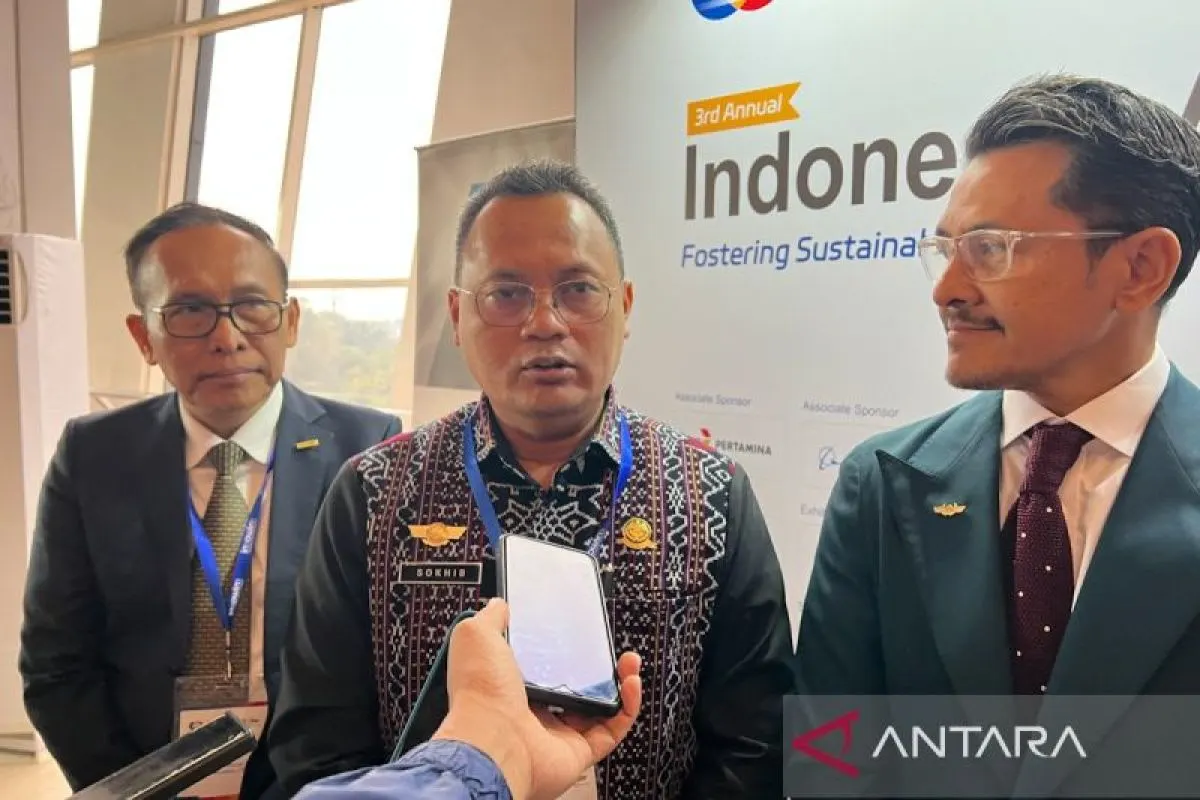
Indonesia to Mandate 1% SAF Blend for Flights by 2027
Indonesia will require a 1% Sustainable Aviation Fuel blend on international flights departing from Jakarta and Bali starting in 2027.
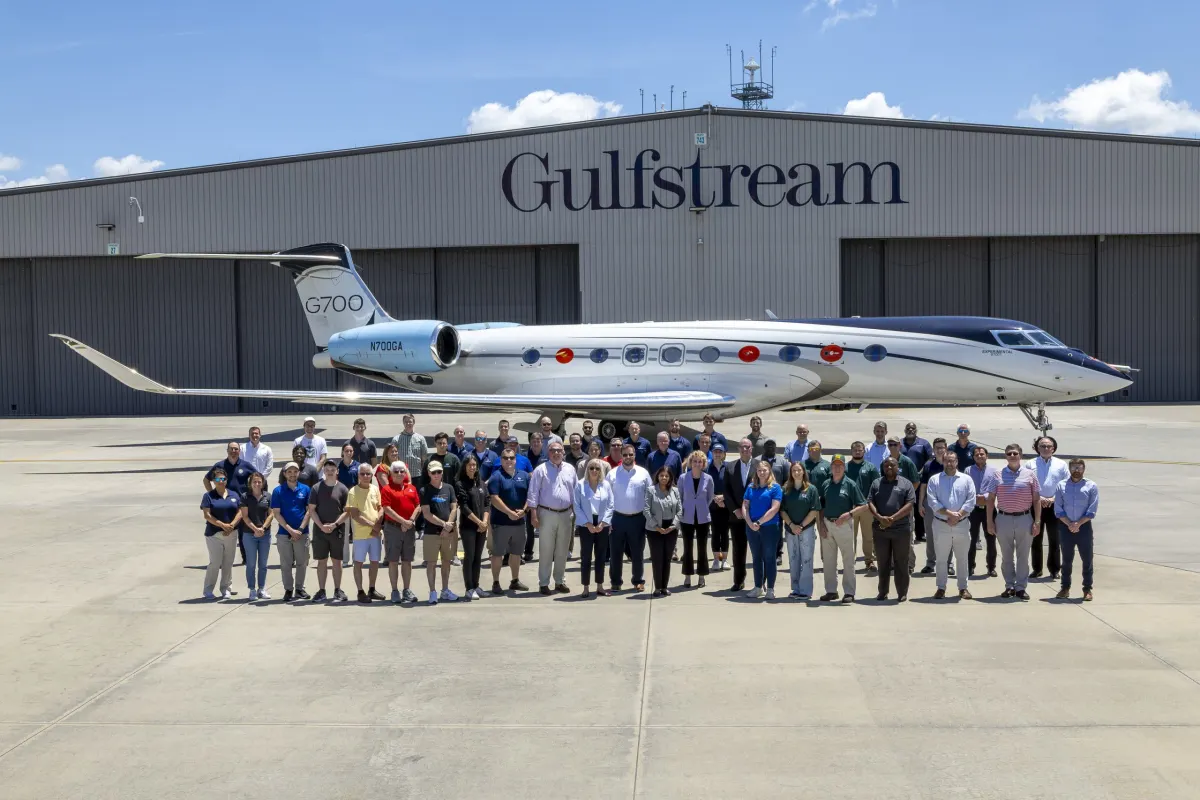
Gulfstream G800 Completes 100% SAF High-Altitude Emissions Test
Gulfstream tested 100% SAF on a G800 at 50,000 feet to measure emissions, marking a key step toward certifying unblended synthetic fuels.
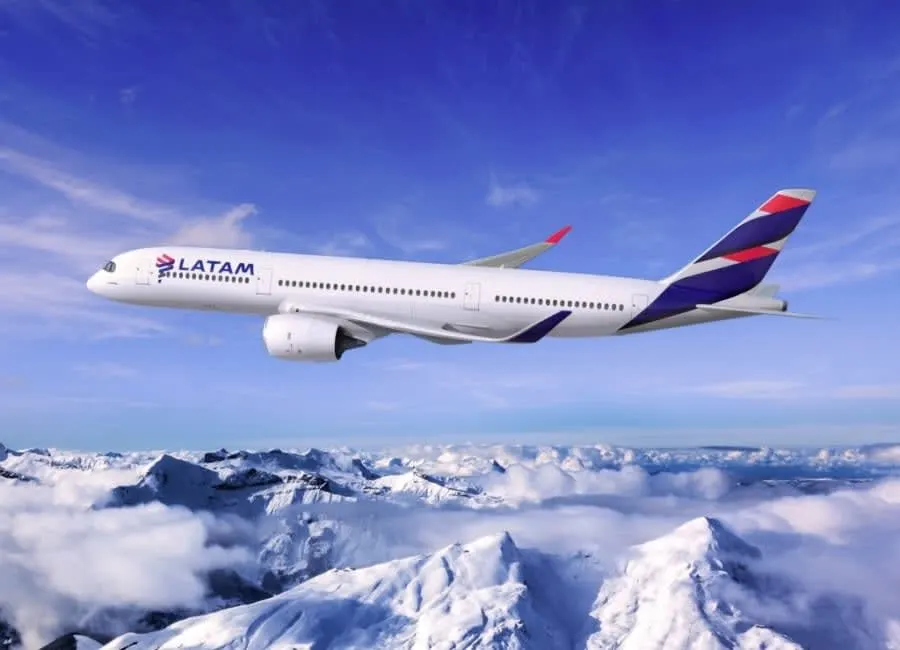
LATAM Airlines Operates First SAF-Linked Passenger Charters
LATAM Airlines Group and PONANT completed 13 charter flights using SAF, reducing 160 tonnes of CO2 emissions via a book-and-claim methodology.