Pratt & Whitney GTF Advantage Engine Gains EASA Certification for A320neo

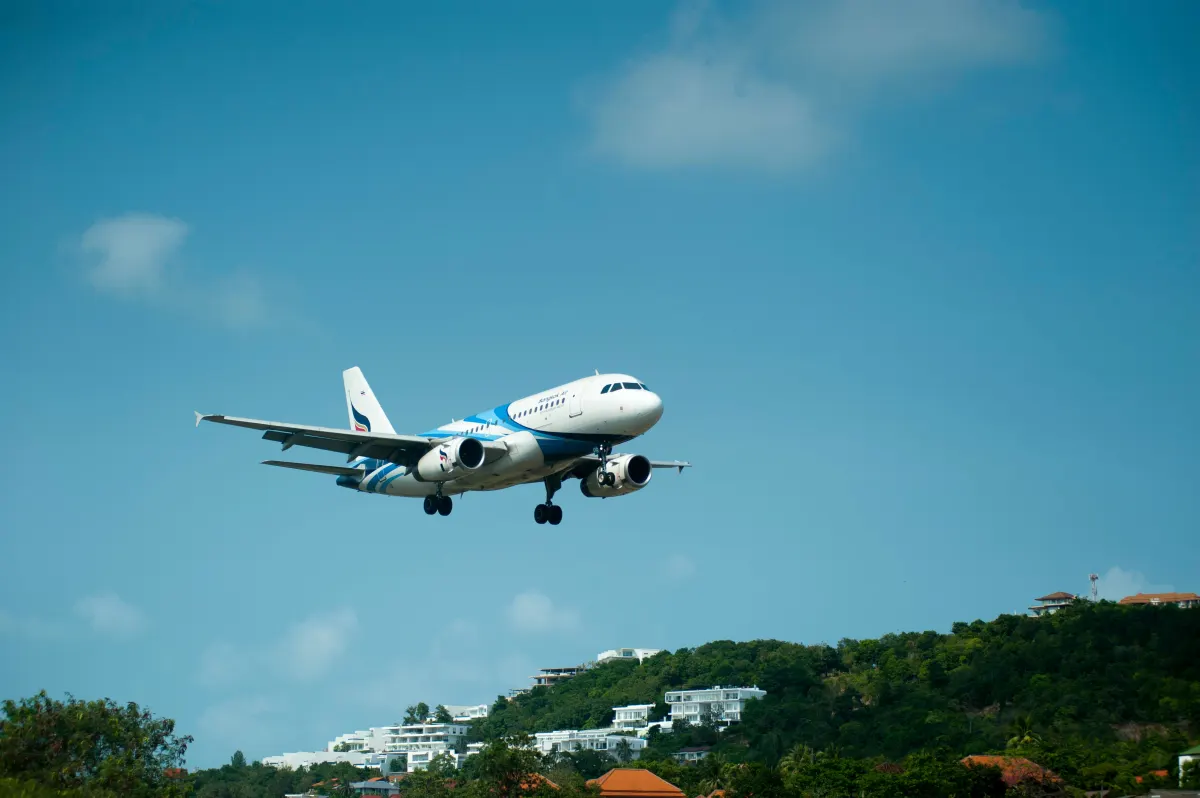
EASA has certified the Pratt & Whitney GTF Advantage engine for the A320neo, clearing the more fuel-efficient and durable powerplant for airline service.
Key Takeaways
- •Gains EASA certification for the Airbus A320neo aircraft family.
- •Delivers 4-8% more takeoff thrust and up to 1% lower fuel consumption.
- •Offers up to double the time on wing, addressing prior durability issues.
- •Scheduled for commercial entry into service with airlines in 2026.
The Pratt & Whitney GTF Advantage engine has received type certification from the European Union Aviation Safety Agency (EASA) for use on the Airbus A320neo family. The regulatory approval is a critical milestone that clears the upgraded powerplant for production and entry into commercial service with airlines globally, promising enhanced performance and durability.
This certification validates significant operational improvements for A320neo family operators. The GTF Advantage engine, an evolution of the existing PW1100G-JM Geared Turbofan (GTF), is designed to deliver greater thrust, improved fuel efficiency, and substantially longer time on wing. The enhancements are particularly crucial for operators of the long-range Airbus A321XLR and for airlines operating out of challenging hot-and-high altitude airports.
Performance and Durability Enhancements
According to Pratt & Whitney specifications, the GTF Advantage delivers a 4% increase in takeoff thrust at sea level, which rises to 8% at high-altitude airports. This added power margin increases payload-range capabilities for airlines. Furthermore, the engine provides up to a 1% reduction in fuel consumption and CO2 emissions compared to the current production GTF model, contributing to lower operating costs and improved environmental performance.
Perhaps the most significant upgrade addresses durability, a key concern with earlier GTF models. The manufacturer states the Advantage architecture offers up to double the time on wing compared to its predecessor. This improvement aims to restore operator confidence following widespread operational disruptions caused by powdered metal contamination issues that grounded hundreds of aircraft in recent years. Rick Deurloo, President of Commercial Engines at Pratt & Whitney, called the aircraft certification a "key milestone" and emphasized that the engine extends the GTF's lead in fuel consumption while offering significantly improved durability.
To support the existing fleet of over 2,700 GTF-powered aircraft, Pratt & Whitney is also introducing a Hot Section Plus (HS+) upgrade package. This retrofit incorporates technology from the Advantage program and is designed to deliver 90-95% of the new engine's durability benefits to the current in-service fleet during scheduled maintenance, repair, and overhaul (MRO) visits.
Regulatory and Production Pathway
The EASA certification follows a similar approval from the U.S. Federal Aviation Administration (FAA), which was granted in February 2025. Together, these certifications from the world's two leading aviation regulators pave the way for widespread adoption. Pratt & Whitney, a subsidiary of RTX, has secured over 13,000 GTF engine orders and commitments across all compatible aircraft platforms.
To meet anticipated demand for the new engine and support the HS+ upgrade program, the company is making substantial investments in its production capabilities. These include a $1 billion investment in its Asheville, North Carolina, turbine airfoil facility and a $200 million investment in its Columbus, Georgia, forging facility. These efforts are designed to strengthen the supply chain and avoid the production bottlenecks that have impacted the industry.
GTF Advantage vs. Base GTF
| Metric | GTF Advantage | Base GTF (PW1100G-JM) |
|---|---|---|
| Sea Level Takeoff Thrust | +4% | Baseline |
| High Altitude Takeoff Thrust | +8% | Baseline |
| Fuel Efficiency | -1% fuel burn | Baseline |
| Durability | Up to 2x time on wing | Baseline |
What Comes Next
With regulatory hurdles cleared, the focus now shifts to commercial deployment. According to Pratt & Whitney, the GTF Advantage engine is on track for entry into service in 2026. The HS+ upgrade kits for existing engines are expected to become available for MRO providers in late 2026. While the new engine will be the standard offering on new A320neo family aircraft, the full production cutover is expected to occur around 2028 as manufacturing lines fully transition.
Why This Matters
This certification strengthens Pratt & Whitney's competitive position against CFM International's LEAP-1A engine, the other powerplant option for the A320neo family. By directly addressing both fuel efficiency and the critical issue of durability, the GTF Advantage provides a more compelling value proposition for airlines. For the industry, the engine's entry into service represents an incremental but important step in reducing the operational costs and environmental footprint of narrowbody aviation.
Frequently Asked Questions
- What are the main performance improvements of the Pratt & Whitney GTF Advantage engine?
- The GTF Advantage engine provides a 4% increase in takeoff thrust at sea level (8% at high altitude), up to a 1% reduction in fuel consumption and CO2 emissions, and offers up to double the time on wing compared to the current PW1100G-JM model.
- When will the GTF Advantage engine enter service on the Airbus A320neo?
- Following its successful certification by both EASA and the FAA, the Pratt & Whitney GTF Advantage engine is scheduled to enter commercial service with airlines on the Airbus A320neo family in 2026.
Visit omniflights.com for the latest commercial aviation news and airline industry updates. Track policy changes, airspace rules, and global aviation governance in the Regulatory category at omniflights.com/regulatory.

Written by Hardik Vishwakarma
Co-Founder & Aviation News Editor leading initiatives that improve trust and visibility across the global aviation industry. Covers airlines, airports, safety, and emerging technology.
Visit ProfileYou Might Also Like

Lockheed Martin Proposes 10-Year F-35 Production Framework
FAA Certifies Boeing 737 MAX 10 for Service

FAA Grants BETA Market Survey Rights for ALIA A250 eVTOL

FAA Certifies Boeing 737 MAX 10
FAA Returns Certification Authority to Boeing for 737 MAX