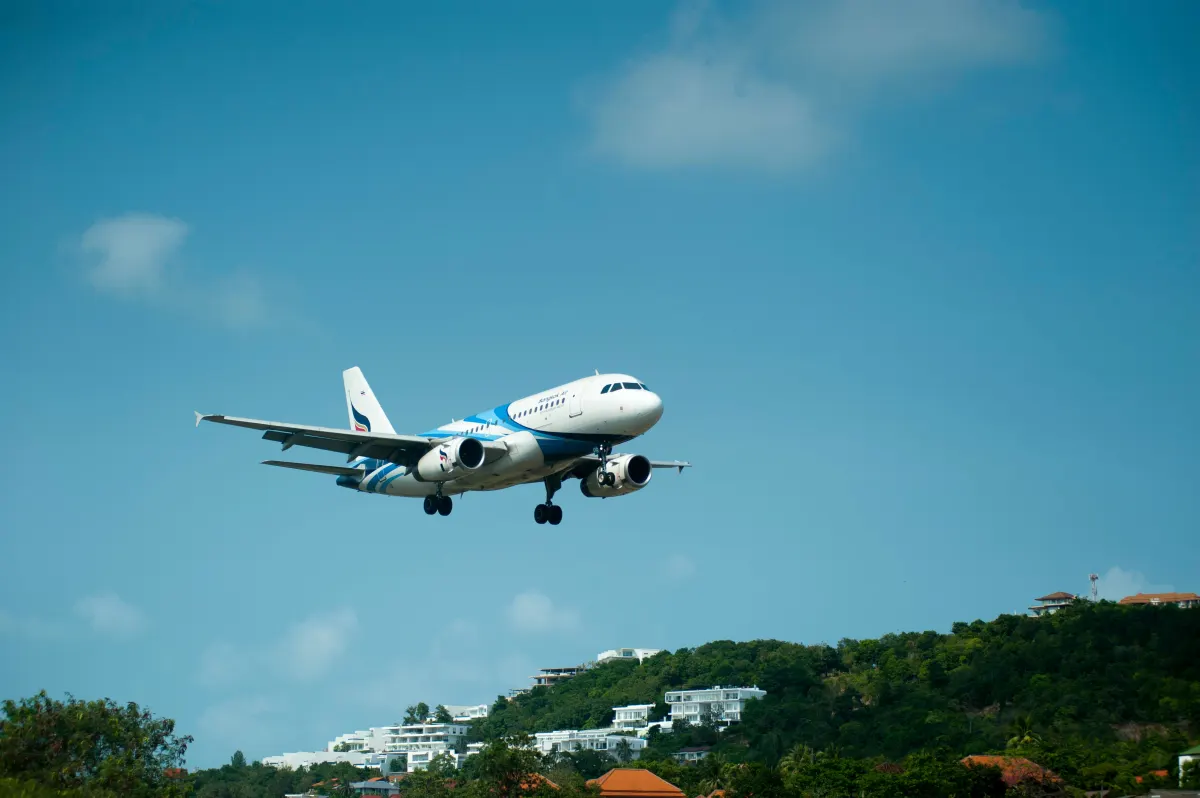
Boeing 777X and 737 MAX Delivery Delays Extend into 2027

Boeing faces a 2027 delivery pushback for the 777X as the FAA prioritizes 737 MAX certification, impacting fleet plans for major carriers like Emirates.
Key Takeaways
- •Boeing 777X deliveries are now expected to begin in 2027.
- •FAA prioritizes 737 MAX 7 and 10 certification before 777X.
- •Boeing has recorded $15 billion in charges on the 777X program.
- •Delayed fleet renewals cost the industry $11 billion in 2025.
Regulatory Hurdles and Certification Timelines
Boeing’s path to market for its flagship aircraft remains constrained by a rigorous Federal Aviation Administration (FAA) oversight process. The Boeing 777X certification delay has effectively pushed the expected entry into service for the 777-9 into 2027. FAA Administrator Bryan Bedford has confirmed that the agency will prioritize the certification of the 737 MAX 7 and MAX 10 variants before finalizing the widebody program. According to official FAA airworthiness updates, this sequencing is critical to the manufacturer’s recovery, as the Boeing 737 MAX 10 timeline remains tied to resolving engine anti-ice system design requirements.
Financial and Operational Impact
The financial strain on the manufacturer is significant, with Boeing recording roughly $15 billion in total pre-tax charges on the 777X program, including a $4.9 billion write-down in Q3 2025. These delays have forced airlines to manage airline fleet modernization efforts under extreme pressure. Emirates, the largest customer for the 777X with orders for over 200 units, has been forced to execute multi-billion dollar cabin retrofits on its aging A380 and 777-300ER fleet to maintain service standards. Boeing CEO Kelly Ortberg has acknowledged the timeline shifts, attributing the latest delays to the duration of the regulatory certification process rather than new technical defects. Comprehensive financial and delivery data can be found in Boeing’s latest SEC filings.
Supply Chain and Environmental Implications
Beyond fleet planning, the aviation supply chain issues are exacerbating the strain on Maintenance, Repair, and Overhaul (MRO) providers. Airlines are operating current-generation aircraft approximately two years longer than historical averages, leading to parts shortages and increased maintenance costs. According to the International Air Transport Association (IATA), these delays increased industry-wide fuel and maintenance costs by approximately $11 billion in 2025. Furthermore, the reliance on older, less fuel-efficient aircraft is hindering the industry's progress toward 2050 net-zero targets, as the delayed introduction of new models means higher carbon emissions per seat-mile.
Technical Comparison: Boeing vs. Airbus
| Metric | Boeing 737 MAX 10 | Airbus A321neo |
|---|---|---|
| Max Capacity | 230 passengers | 244 passengers |
| Range | 3,100 nm | 4,000 nm |
| Fuselage Length | 43.8 meters | 44.51 meters |
Managing the Backlog and Future Milestones
The industry is closely tracking the FAA aircraft certification process as a bellwether for Boeing’s stability. Historically, the manufacturer has faced similar challenges; for instance, the 787 Dreamliner program faced a three-year delay between 2007 and 2011 due to supply chain and manufacturing hurdles. The current situation follows this pattern of execution difficulty, though the regulatory environment is now significantly more stringent. Market analysts argue that the repeated delays of the MAX 10 provide a strategic advantage to the Airbus A321neo, further solidifying its position as the leader in the high-capacity narrowbody market.
Certification and Delivery Outlook
Looking ahead, the Federal Aviation Administration expects to grant type certification for the 737 MAX 7 in the summer of 2026, followed by the MAX 10 by year-end 2026. The 777-9 is expected to follow in early 2027, with the first commercial delivery to launch customer Lufthansa anticipated by mid-to-late 2027. These milestones remain subject to the successful completion of flight testing and Type Inspection Authorization protocols.
Why This Matters for Global Aviation
The ongoing delays are reshaping long-haul and short-haul capacity planning for major global carriers. For airlines like Southwest, which holds orders for approximately 270 737 MAX 7s, the inability to receive new, efficient aircraft necessitates the retention of older, higher-cost assets. This ripple effect forces the entire industry to grapple with higher operating costs, deferred capacity growth, and a slower transition to sustainable fleet operations.
Frequently Asked Questions
- When is the Boeing 777X expected to be certified and delivered?
- The Boeing 777-9 is expected to receive FAA certification in early 2027, with the first commercial delivery to Lufthansa anticipated by mid-to-late 2027.
- Why has the FAA prioritized 737 MAX certification over the 777X?
- The FAA has stipulated that the 777X will only be certified after the remaining 737 MAX variants, specifically the MAX 7 and MAX 10, clear their respective regulatory hurdles, which are expected to conclude by the end of 2026.
From airline operations to fleet updates, commercial aviation news lives at omniflights.com. For detailed airline coverage, route changes, and fleet moves, explore the Airlines section at omniflights.com/airlines.

Written by Hardik Vishwakarma
Co-Founder & Aviation News Editor leading initiatives that improve trust and visibility across the global aviation industry. Covers airlines, airports, safety, and emerging technology.
Visit ProfileYou Might Also Like
Lockheed Martin Proposes 10-Year F-35 Production Framework
FAA Certifies Boeing 737 MAX 10 for Service

FAA Grants BETA Market Survey Rights for ALIA A250 eVTOL

FAA Certifies Boeing 737 MAX 10
FAA Returns Certification Authority to Boeing for 737 MAX