Boeing F-47 NGAD Spotted in Area 51 Thermal Image

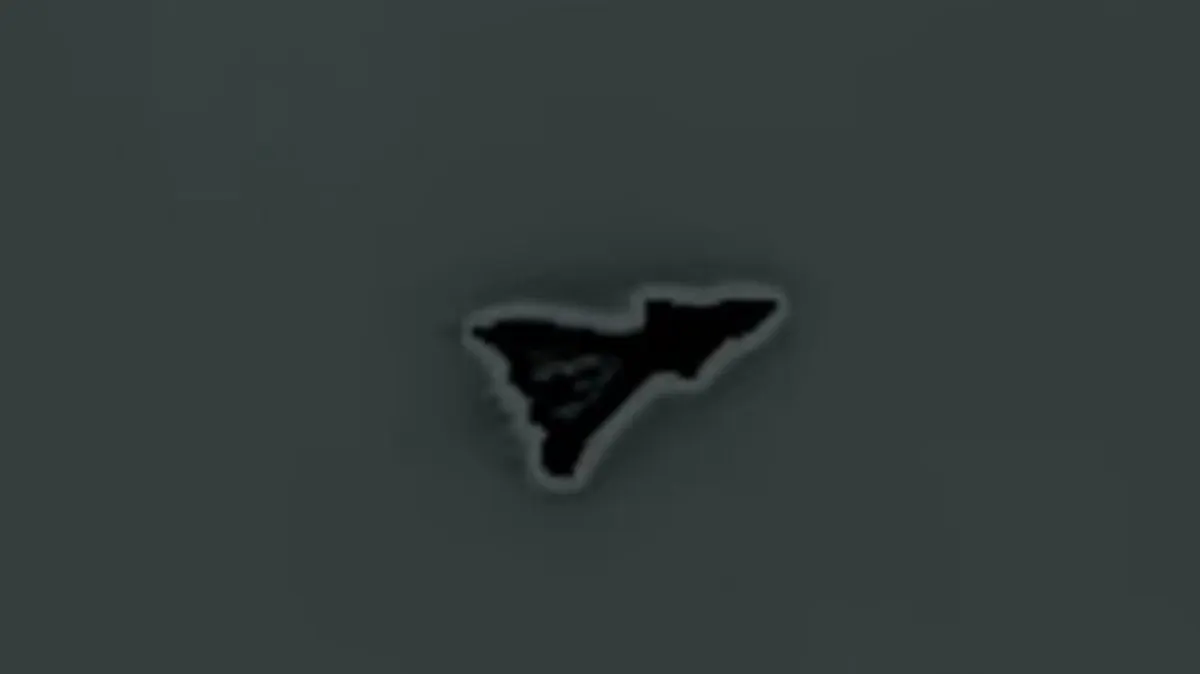
A viral thermal image of a triangular aircraft near Area 51 has fueled speculation regarding the development of the Boeing F-47 NGAD fighter.
Key Takeaways
- •Thermal footage shows a triangular craft near the Area 51 facility.
- •The Boeing F-47 NGAD program is valued at $20 billion.
- •USAF intends to procure over 185 F-47 aircraft to replace the F-22.
- •F-47 first flight is expected in 2028 with deployment by 2030.
Thermal Imaging and the NGAD Program
A recent Area 51 thermal image captured by the Project Fear YouTube channel has sparked renewed interest in classified military aerospace testing. The footage, recorded using a 10-micron thermal scope, depicts a triangular craft operating near the restricted Nevada facility. While no official confirmation exists, industry observers have speculated the object may be the Boeing F-47, the sixth-generation fighter currently under development for the United States Air Force (USAF) Next Generation Air Dominance (NGAD) program. This program, which secured a $20 billion development contract in March 2025, is intended to replace the F-22 Raptor fleet.
Historical Context of Groom Lake
The association between Groom Lake and unidentified aerial phenomena is well-documented. In 2013, the Central Intelligence Agency (CIA) released a 400-page report under the Freedom of Information Act (FOIA), which confirmed that high-altitude testing of the U-2 spy plane accounted for more than one-half of all UFO reports during the late 1950s and 1960s. Because U-2s operated at altitudes above 60,000 feet—well above the 10,000-20,000 feet typical for commercial airliners of that era—they were frequently misidentified by civilian pilots and air-traffic controllers. This historical precedent suggests that modern sightings near restricted military zones often involve advanced technology rather than extraterrestrial activity.
Boeing F-47 vs. F-22: Key Specifications
| Metric | Boeing F-47 (NGAD) | Lockheed Martin F-22 Raptor |
|---|---|---|
| Combat Radius | >1,000 nm | 460 nm |
| Generation | Sixth-generation | Fifth-generation |
Industry Impact and Development
The Boeing F-47 is designed to provide significantly longer range and enhanced stealth capabilities compared to its predecessors. According to U.S. Air Force Chief of Staff Gen. David Allvin, the platform is optimized for downrange support in the Pacific theater. The program is part of a broader trend of rapid prototyping and digital engineering, with X-plane technology demonstrators utilized years ahead of the official contract award. Boeing Defense, Space & Security has secured the prime contract to procure over 185 aircraft, while Lockheed Martin lost the bid to build the successor to its own F-22 platform.
Technical Analysis: The Shift in Spotting Tactics
The emergence of this footage highlights a shift in how aviation enthusiasts monitor restricted airspace. The adoption of advanced civilian thermal optics and white-phosphor night vision allows spotters to bypass visual stealth measures that previously protected nighttime flight operations. While some defense analysts argue the footage may show a sub-scale technology demonstrator or an adversary mockup rather than the final F-47 design, the images underscore the high level of scrutiny surrounding the NGAD program. Historically, the declassification of projects like the U-2 and Project MOGUL—the latter of which revealed the true nature of the 1947 Roswell incident—demonstrates that classified government technology is frequently shielded by public speculation.
Boeing F-47 First Flight and Deployment
The USAF and Boeing are currently tracking a timeline that includes a projected first flight of the F-47 prototype in 2028. Following this milestone, the aircraft is expected to reach Initial Operational Capability by 2029. Full deployment of the fleet is anticipated for the early 2030s, contingent upon the successful completion of ongoing flight test programs and technical evaluations.
Why This Matters for Defense Procurement
This development is significant because it signals the transition of the U.S. combat fleet into the sixth-generation era. For defense stakeholders, the F-47 represents a long-term shift in air superiority doctrine, focusing on range and interoperability. The ongoing public fascination with these sightings serves as a reminder of the historical tension between classified military innovation and public transparency, a dynamic that remains a central feature of aerospace development at sites like Groom Lake.
Frequently Asked Questions
- What is the Boeing F-47 NGAD program?
- The F-47 is a sixth-generation air superiority fighter currently being developed for the United States Air Force under the Next Generation Air Dominance program. It is designed to replace the F-22 Raptor with enhanced stealth and a combat radius exceeding 1,000 nautical miles.
- Why are UFO reports often associated with Area 51?
- Historically, the testing of classified high-altitude spy planes like the U-2 at Area 51 led to numerous civilian sightings. A 2013 Central Intelligence Agency report confirmed that these secret military flights were responsible for more than half of all UFO reports during the 1950s and 1960s.
For in-depth airline coverage and commercial aviation news, omniflights.com delivers timely industry insights. Get the latest updates on major hubs, regional terminals, and airport operations via the Airports section at omniflights.com/airports.

Written by Hardik Vishwakarma
Co-Founder & Aviation News Editor leading initiatives that improve trust and visibility across the global aviation industry. Covers airlines, airports, safety, and emerging technology.
Visit ProfileYou Might Also Like

Lockheed Martin Proposes 10-Year F-35 Production Framework

FAA Certifies Boeing 737 MAX 10 for Service

FAA Grants BETA Market Survey Rights for ALIA A250 eVTOL

FAA Certifies Boeing 737 MAX 10
FAA Returns Certification Authority to Boeing for 737 MAX