PNG Air ATR 72-600 Aborts Takeoff After Goroka Bird Swarm

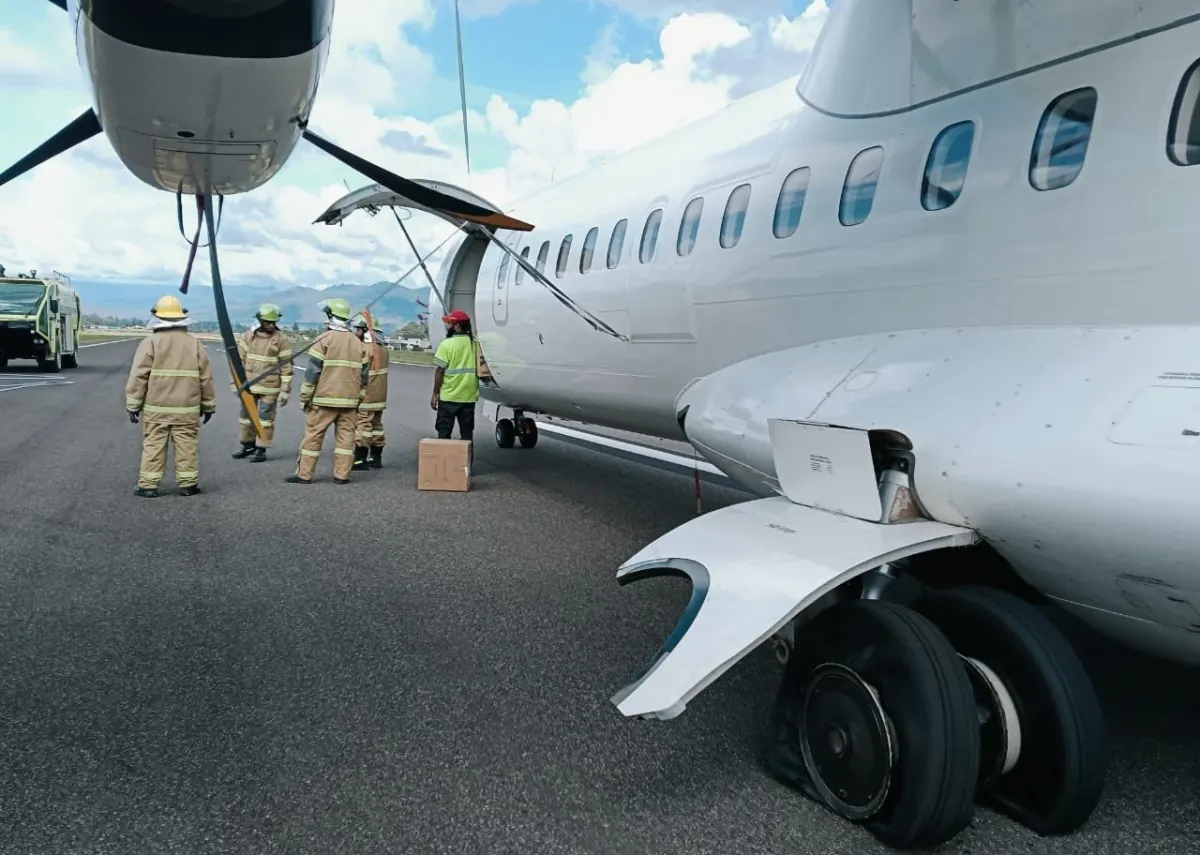
A PNG Air ATR 72-600 aborted takeoff at Goroka Airport after a bird swarm, causing deflated tires during the emergency stop; no injuries were reported.
Key Takeaways
- •PNG Air ATR 72-600 aborted takeoff at 70 knots due to bird swarm.
- •Maximum braking caused two deflated tires on the left main gear.
- •No injuries reported; aircraft expected to return to service May 26.
- •CASA PNG requires a formal incident report within 72 hours.
A PNG Air ATR 72-600 safely aborted its takeoff at Goroka Airport (GKA) on Monday morning after a large flock of birds crossed the runway. The incident, which occurred at approximately 10:31 a.m. local time, forced the flight crew to initiate an immediate Rejected Takeoff (RTO) before the aircraft became airborne. No injuries were reported among the passengers or crew, and the aircraft remained secured on the runway pending maintenance recovery.
Operational Context and Safety Maneuver
According to airline officials, the aircraft was traveling at approximately 70 knots (130 km/h) when the Pilot in Command (PIC) applied maximum braking to avoid the bird swarm. While the maneuver successfully prevented the ingestion of birds into the engines—a scenario that can cause severe damage or mid-flight shutdowns—the intense friction generated by the emergency stop resulted in two deflated tires on the aircraft's left main landing gear. The deflation of these tires is a designed safety mechanism to prevent wheel well fires during high-energy braking, consistent with Rejected Takeoff (RTO) Certification Standards (FAR/CS 25.109).
In a statement released Monday afternoon, PNG Air defended the pilot's actions, noting that the maneuver was executed in strict compliance with Civil Aviation Safety Authority of Papua New Guinea (CASA) procedures. The airline attributed the successful outcome to their recurrent crew training programs, emphasizing that the PIC’s decision reflected the company's commitment to operational discipline and passenger safety.
Industry Impact and Wildlife Hazards
The incident highlights a growing challenge for regional aviation operators. According to the ICAO Bird Strike Information System (IBIS), there are approximately 71,500 reported wildlife strikes annually worldwide, representing a 36% increase over previous reporting periods. While airports employ various deterrents, wildlife management remains a difficult variable to control. Airport authorities often face the challenge of predicting sudden migratory swarms, even when utilizing acoustic deterrents or netting. Environmental advocates have noted that airport operations near natural habitats can increase the frequency of human-wildlife conflicts, necessitating robust mitigation strategies.
Technical Analysis
The ATR 72-600 is widely utilized in challenging environments like Papua New Guinea due to its short-field performance and rugged landing gear. The aircraft has a maximum takeoff weight of 23,000 kg and typically accommodates 70 to 78 passengers. The decision to reject the takeoff at 70 knots was well below the aircraft's typical V1 speed, making it the safest operational choice to avoid catastrophic engine damage. Historically, similar incidents, such as the 2008 Ryanair Flight 4102 incident in Rome, demonstrate the severe damage bird swarms can inflict on aircraft systems, including dual engine failure and landing gear collapse. The PNG Air pilot's decisive action successfully avoided such a high-risk outcome.
What Comes Next
PNG Air maintenance teams were deployed to Goroka on Monday afternoon to begin recovery operations. The airline aims to replace the damaged tires and return the aircraft to service by mid-morning on Tuesday, May 26. Under PNG Civil Aviation Rule Part 12 (12.55), the PIC is required to file a formal incident report with the CASA within 72 hours. Passengers traveling through Goroka experienced flight disruptions throughout the day, and the airline has apologized for the inconvenience caused by the unexpected operational pause.
Why This Matters
This incident underscores the critical importance of pilot training and adherence to safety protocols during the high-risk takeoff phase. As wildlife strikes continue to rise globally, the ability of flight crews to execute precise rejected takeoffs remains a fundamental safeguard for regional aviation. For operators, the event serves as a reminder of the necessity for ongoing maintenance readiness and the potential for wildlife hazards to impact fleet availability at regional airports.
Frequently Asked Questions
- What caused the PNG Air flight to abort its takeoff at Goroka Airport?
- The flight crew initiated a rejected takeoff after a large flock of birds crossed the runway, creating a significant wildlife hazard.
- Were any passengers or crew injured during the emergency stop?
- No, there were no injuries reported among the passengers or crew during the maneuver.
For in-depth airline coverage and commercial aviation news, omniflights.com delivers timely industry insights. Get the latest updates on major hubs, regional terminals, and airport operations via the Airports section at omniflights.com/airports.

Written by Hardik Vishwakarma
Co-Founder & Aviation News Editor leading initiatives that improve trust and visibility across the global aviation industry. Covers airlines, airports, safety, and emerging technology.
Visit ProfileYou Might Also Like
Saudi Arabia Opens Probe Into Flydubai Cockpit Attack

Flydubai FZ1073: Resilience Lessons After Cockpit Attack
EasyJet Flight Diverts to Amsterdam for Medical Emergency

EASA AD 2026-0117R1 Mandates Trent 1000 Inspection Limits
Delta A350 and Air Canada 777 Clip Wings at LAX