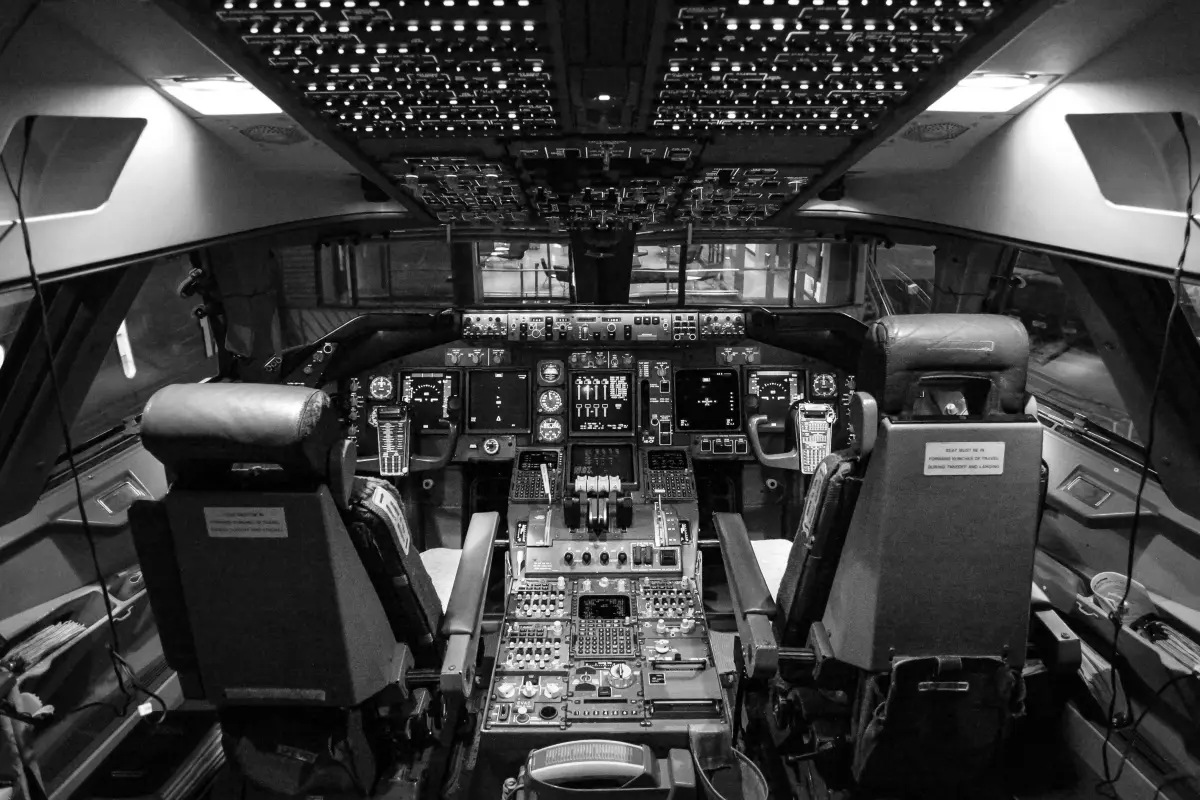
Malta Air 737-800 Makes Emergency Landing After Engine Failure

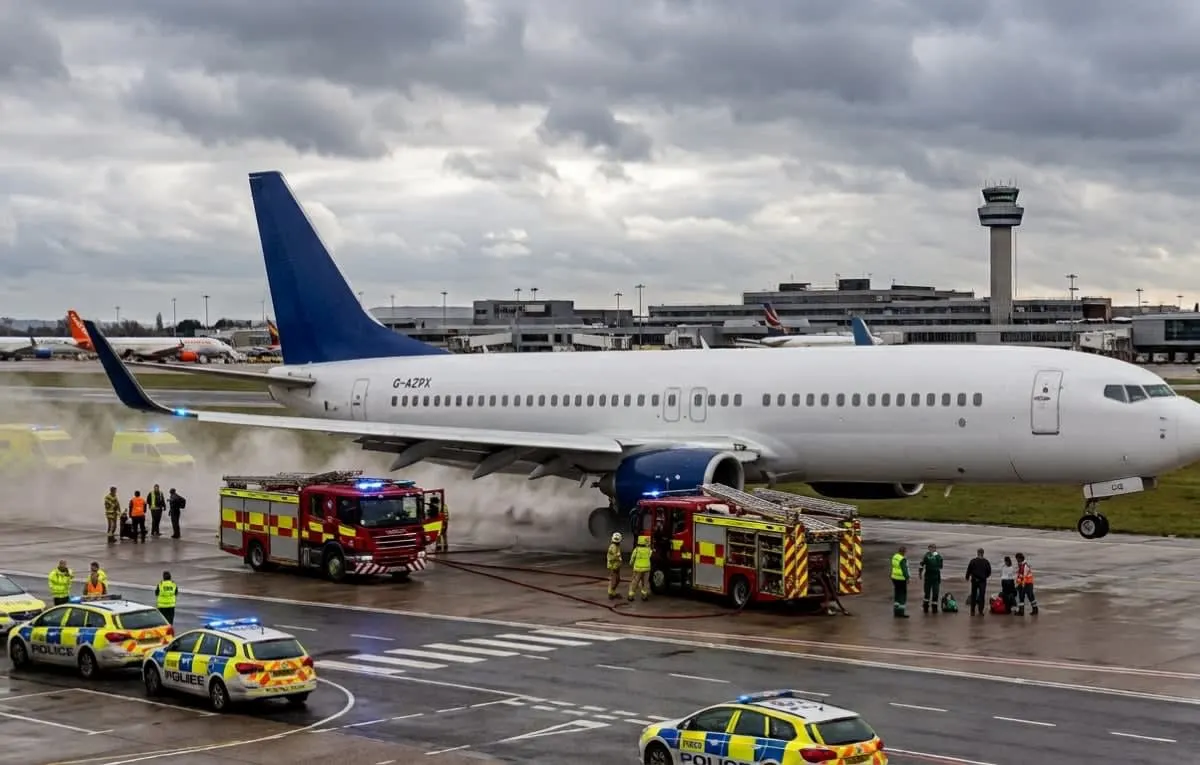
A Malta Air Boeing 737-800 returned to Thessaloniki after an uncontained engine failure caused a window to shatter and triggered rapid decompression.
Key Takeaways
- •Malta Air flight FR1879 experienced an uncontained engine failure on July 10.
- •A 737-800 cabin window shattered, causing rapid decompression at 15,000 feet.
- •HCAA is leading the investigation with support from NTSB, FAA, and EASA.
- •Historical parallels exist with the 2018 Southwest Flight 1380 engine failure.
Incident Overview
A Malta Air flight operating for Ryanair was forced to make an emergency landing in Greece on July 10, 2026, following an uncontained engine failure. The Boeing 737-800, registration 9H-QEU, departed Thessaloniki (SKG) before experiencing a mechanical event in the right-hand CFM56-7B engine. Debris from the engine shattered a cabin window, resulting in rapid decompression at approximately 15,000 feet. The flight crew initiated an immediate descent to 6,000 feet, returning the aircraft safely to Thessaloniki approximately one hour after departure.
Passenger Impact and Emergency Response
The incident caused significant distress to the 189 passengers on board. According to witness reports, a 61-year-old passenger was partially pulled toward the breached window by the pressure differential before being restrained by fellow travelers. The individual sustained friction burns and soft tissue injuries requiring medical attention. Passengers described the event as a loud, explosive noise followed by immediate cabin chaos and rapid oxygen deployment. The Hellenic Civil Aviation Authority (HCAA) is leading the investigation, with technical assistance provided by the NTSB and the FAA.
Technical Context: CFM56-7B Engine Integrity
Ryanair utilizes CFM International engines to power its Boeing 737 Next Generation (NG) fleet. The CFM56-7B is a mature powerplant, but the failure of this unit has renewed industry focus on material fatigue. Regulators are evaluating whether current maintenance intervals for fan blade inspections are sufficient. The EASA has confirmed it is in active communication with the FAA and the manufacturer to determine if additional airworthiness directives are required to mitigate risks across the global fleet.
Historical Precedents and Safety Comparisons
This event bears a striking resemblance to the 2018 Southwest Airlines Flight 1380 incident, which involved the same engine and airframe configuration. In that case, a fractured fan blade caused an uncontained failure that breached a passenger window and resulted in a fatality. The NTSB investigation of that event led to significant safety recommendations regarding fan cowl structural integrity and blade inspection frequencies. The current investigation in Greece will likely compare the metallurgical findings of the 9H-QEU engine with the 2018 findings to determine if systemic fatigue issues persist.
Engine Specification Comparison
| Metric | CFM56-7B (737 NG) | LEAP-1B (737 MAX) |
|---|---|---|
| Max Take-off Thrust | 27,300 lbf | 28,000 lbf |
| Fan Diameter | 61 inches | 69 inches |
| Bypass Ratio | ~5.5:1 | 9:1 |
What Comes Next: The Investigation Timeline
The HCAA is expected to release a preliminary accident report by August 2026. This document will detail the specific failure mode of the engine components and the structural response of the cabin window assembly. Based on the findings, the EASA and FAA may issue emergency airworthiness directives to mandate ultrasonic inspections for similar CFM56 engines, potentially impacting operations for airlines utilizing the 737 NG platform.
Why This Matters for Aviation Safety
For the aviation industry, this incident highlights the ongoing challenges of maintaining safety standards for mature aircraft fleets. As airframes and engines age, the probability of material fatigue increases, requiring rigorous adherence to inspection protocols. The incident serves as a critical reminder of the importance of structural integrity in engine nacelles and cabin windows, ensuring that even in the event of an engine failure, the fuselage remains secure.
Frequently Asked Questions
- What caused the window to shatter on the Ryanair flight?
- The window shattered after an uncontained failure of the right-hand CFM56-7B engine, which sent debris into the cabin area.
- Which agencies are investigating the Malta Air flight incident?
- The Hellenic Civil Aviation Authority is leading the investigation, with support from the National Transportation Safety Board, the Federal Aviation Administration, and the European Union Aviation Safety Agency.
Visit omniflights.com for the latest commercial aviation news and airline industry updates. From aircraft production to supply chains, commercial aviation manufacturing news is covered at omniflights.com/manufacturing.

Written by Shashank Shukla
Co-Founder & CTO leading the engineering and AI systems behind Omni Flights. Covers aviation technology, flight safety, aircraft manufacturing, and emerging aerospace developments.
Visit ProfileYou Might Also Like
Airline CEOs Address Flydubai Cockpit Attack Security
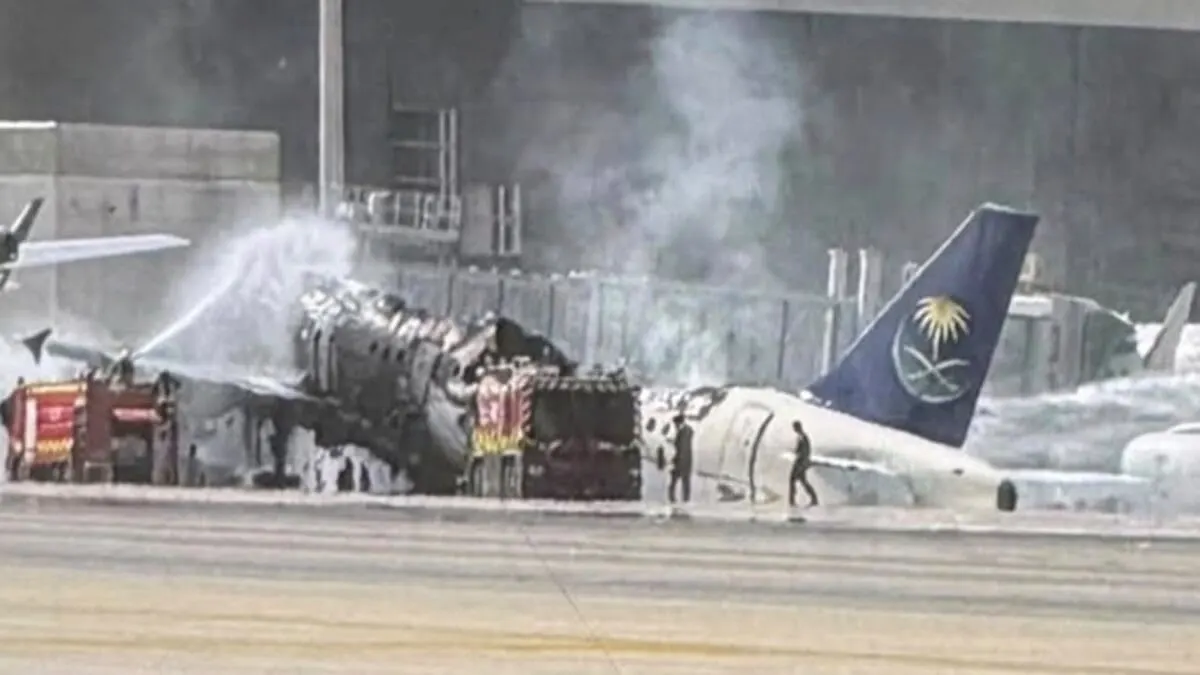
Saudia A320 Destroyed in Riyadh Airport Missile Strike
Saudi Arabia Opens Probe Into Flydubai Cockpit Attack

Flydubai FZ1073: Resilience Lessons After Cockpit Attack
EasyJet Flight Diverts to Amsterdam for Medical Emergency