Norwegian Starts 40% SAF Flights on New Danish Domestic Route

Co-Founder & CEOAviation News Editor delivering trusted coverage across the global aviation industry.
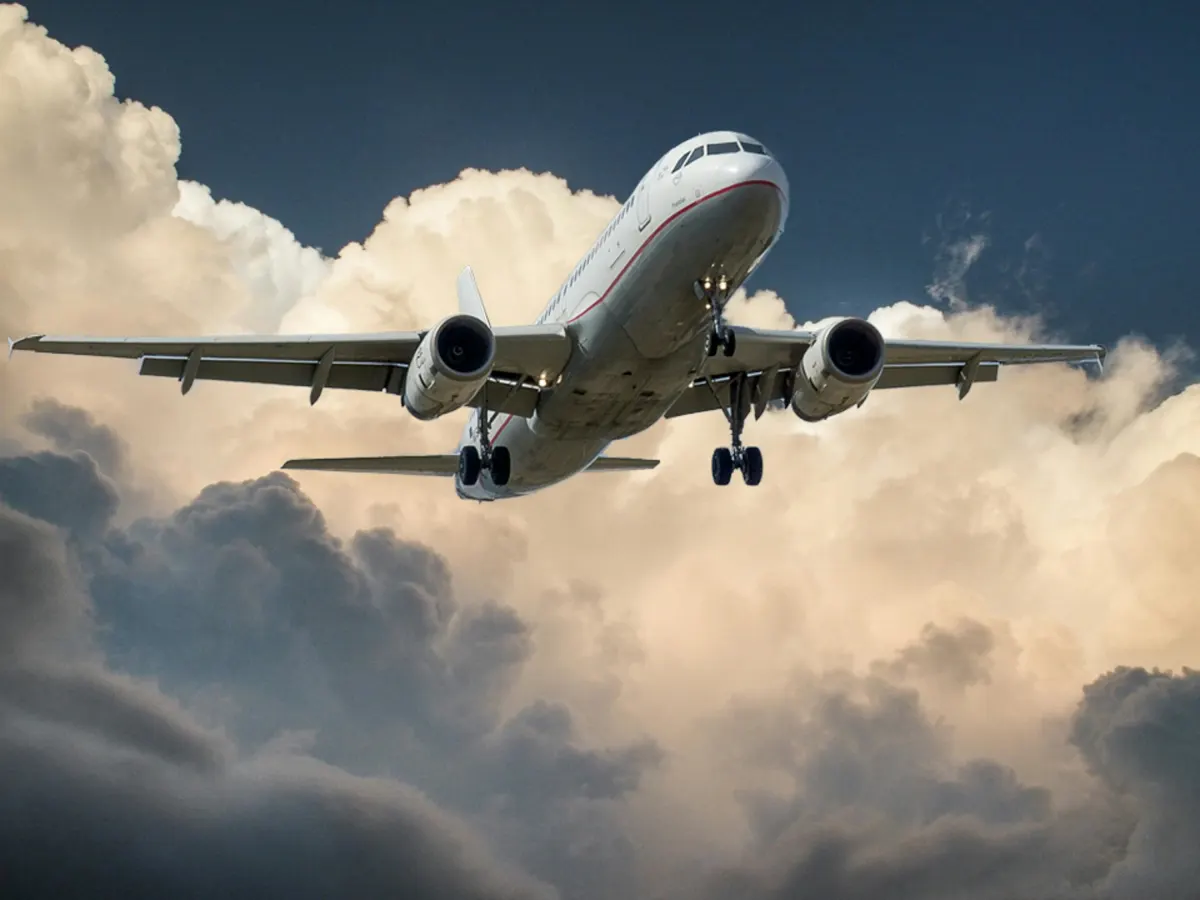
Norwegian launched a Danish domestic route from Aalborg to Copenhagen, the first in Europe to consistently use a 40% Sustainable Aviation Fuel blend.
Key Takeaways
- •Operates the first European route with a consistent 40% Sustainable Aviation Fuel blend.
- •Reduces annual CO2 emissions by over 3,000 tonnes on the Aalborg-Copenhagen route.
- •Secured through the Danish government's 'Green Aviation' public tender to subsidize costs.
- •Partners with St1 Nordic and DCC & Shell Aviation for physical 'drop-by-drop' fuel supply.
Norwegian Air Shuttle has launched a new domestic route between Aalborg Airport (AAL) and Copenhagen Airport (CPH), establishing the first permanent flight connection in Europe to operate with a 40% blend of Sustainable Aviation Fuel (SAF). The initiative, which began in March 2026, is a direct result of the Danish government's 'Green Aviation' public tender, designed to accelerate the decarbonization of domestic aviation.
The operation represents a significant step-change from intermittent SAF usage or book-and-claim systems to a consistent, physical 'drop-by-drop' supply chain. According to Norwegian, the use of the high-concentration blend on this route will reduce lifecycle carbon emissions by over 3,000 tonnes of fossil CO2 annually. The airline plans to operate approximately 93% of its flights on the route with the 40% SAF blend, covering up to 4,100 flights during the initial contract period which runs through 2027.
"This is a new model for how we accelerate the transition of aviation," said Geir Karlsen, CEO of Norwegian. He emphasized that creating guaranteed demand through public tenders helps drive production volume and crucial investment in SAF infrastructure. Niels Hemmingsen, CEO of Aalborg Airport, added that the project is "clear proof that cross-industry collaboration can drive real change."
Supply Chain and Partnerships
The complex logistics for the route are managed through a partnership between several key entities. The SAF is produced by St1 Nordic at its biorefinery in Gothenburg, Sweden, which has an annual production capacity of 200,000 tons of biofuels. The fuel is then supplied to Aalborg Airport by a consortium including DCC & Shell Aviation Denmark and Aviation Fuelling Services Norway (AFSN). This partnership has established the necessary infrastructure to handle the high-blend fuel on a permanent basis.
The SAF used is certified under the International Sustainability and Carbon Certification (ISCC) scheme, ensuring it meets strict sustainability criteria mandated by the European Union. This physical, certified supply chain is a critical development, demonstrating a viable model for localized decarbonization efforts.
Regulatory and Industry Context
Norwegian's 40% blend significantly outpaces current regulatory requirements. The European Union's ReFuelEU Aviation Regulation mandates a minimum of just 2% SAF at EU airports in 2025, rising to 6% in 2030 and 70% by 2050. The Danish initiative showcases how national policies can accelerate this timeline for specific markets.
Furthermore, the operation pushes the technical boundaries of current standards. The American Society for Testing and Materials (ASTM), which sets international safety protocols, currently limits SAF blends to a maximum of 50% for commercial flights under its D7566 standard. Operating routinely at 40% provides valuable data and experience for the industry as it moves closer to this limit and works towards certifying 100% SAF usage.
Technical Analysis
This development marks a crucial shift from demonstration flights to sustained commercial operations with high-blend SAF. Historically, milestones like KLM's first commercial biofuel flight in 2011 on a 50% blend proved technical feasibility, while more recent tests like Braathens Regional Airlines' 100% SAF flight in 2022 showed the ultimate potential. Norwegian's route is the operational bridge between these two points, proving the model can work day-to-day within a commercial framework.
The Danish government's use of a public procurement tender to subsidize the cost differential between SAF and conventional jet fuel is the key enabler. This state-subsidized model de-risks the investment for fuel producers like St1 Nordic by guaranteeing offtake, a critical factor in scaling production. It also provides a clear blueprint for other governments to stimulate SAF adoption beyond baseline mandates, creating localized 'green corridors' that can be expanded over time.
What Comes Next
The current agreement, funded by the Danish government's tender, secures the 40% SAF operation on the Aalborg-Copenhagen route through the end of 2027. This provides a two-year window for all stakeholders to gather operational data on everything from fuel handling to engine performance.
Looking further ahead, the industry will be watching for two key developments. First is the progression of the ReFuelEU Aviation mandate, which will require a 6% SAF blend across the EU by 2030. Second, and more technically significant, is the ongoing work by ASTM and aircraft manufacturers to certify commercial flights on 100% SAF, which would eliminate blending requirements altogether.
Why This Matters
Norwegian's Danish domestic route serves as a critical, real-world pilot program for the future of sustainable aviation. It demonstrates that public-private partnerships can effectively bridge the price gap for SAF and create the stable demand needed to scale production. For the wider industry, this initiative provides a replicable model for moving beyond mandates and accelerating the transition to lower-carbon air travel.
Visit omniflights.com for the latest commercial aviation news and airline industry updates. From aircraft production to supply chains, commercial aviation manufacturing news is covered at omniflights.com/manufacturing.
Written by Hardik Vishwakarma
Co-Founder & Aviation News Editor leading initiatives that improve trust and visibility across the global aviation industry. Covers airlines, airports, safety, and emerging technology.
Visit ProfileYou Might Also Like
Discover more aviation news based on similar topics

American Airlines Flies First U.S. eSAF Passenger Flight
American Airlines completed the first U.S. commercial flight using Infinium eSAF, a synthetic fuel that reduces lifecycle emissions by over 90%.
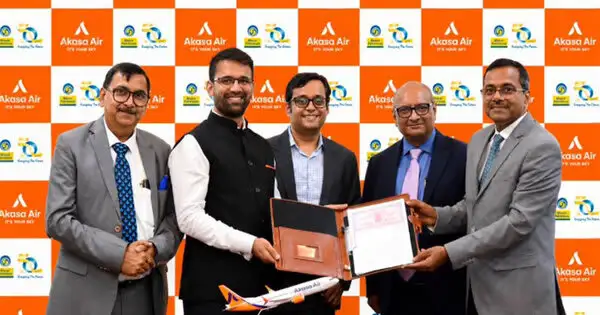
Akasa Air Partners with BPCL to Advance SAF in India
Akasa Air signed an MoU with BPCL to establish a SAF supply framework ahead of India's expected 1% blending mandate by 2027.

Delta, Shell Aviation Ink 5-Year SAF Supply Agreement
Delta Air Lines and Shell Aviation have signed a five-year agreement to supply Sustainable Aviation Fuel across five major U.S. hubs through 2030.
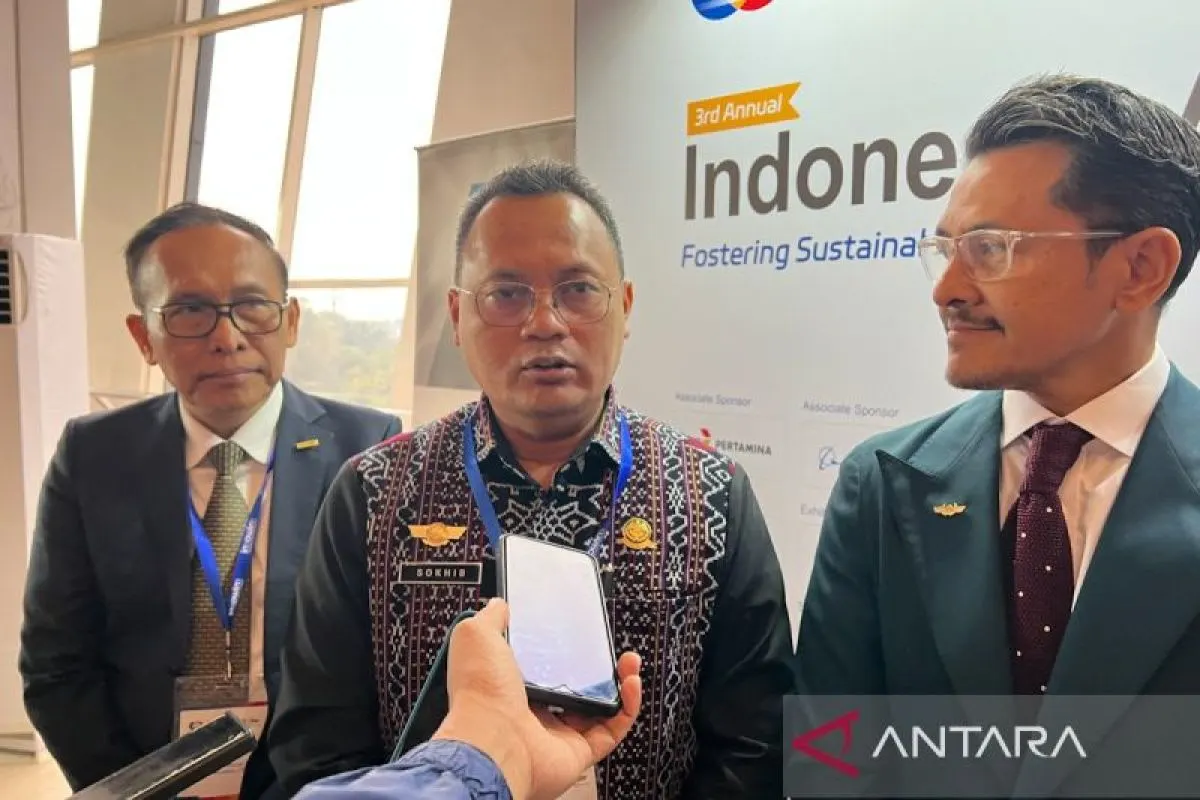
Indonesia to Mandate 1% SAF Blend for Flights by 2027
Indonesia will require a 1% Sustainable Aviation Fuel blend on international flights departing from Jakarta and Bali starting in 2027.
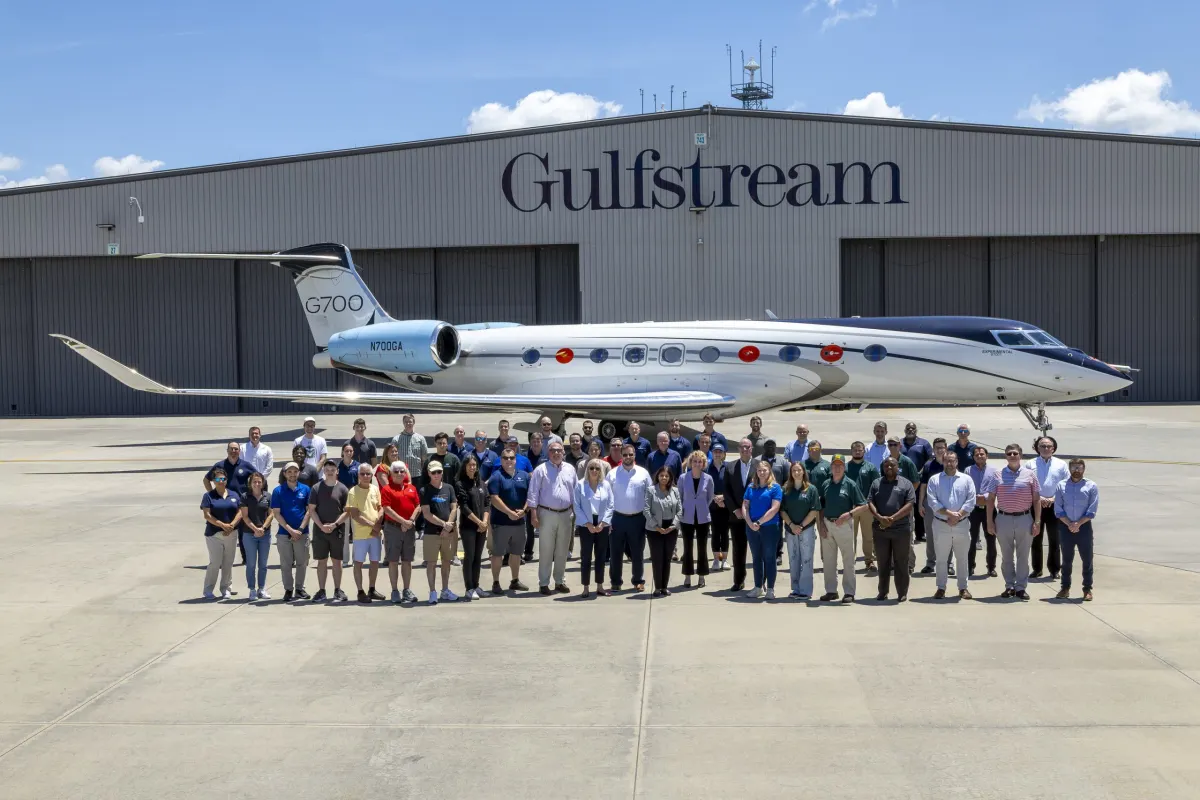
Gulfstream G800 Completes 100% SAF High-Altitude Emissions Test
Gulfstream tested 100% SAF on a G800 at 50,000 feet to measure emissions, marking a key step toward certifying unblended synthetic fuels.
LATAM Airlines Operates First SAF-Linked Passenger Charters
LATAM Airlines Group and PONANT completed 13 charter flights using SAF, reducing 160 tonnes of CO2 emissions via a book-and-claim methodology.