Norwegian Air 737-800 Diverts to Hamburg After Pressure Loss

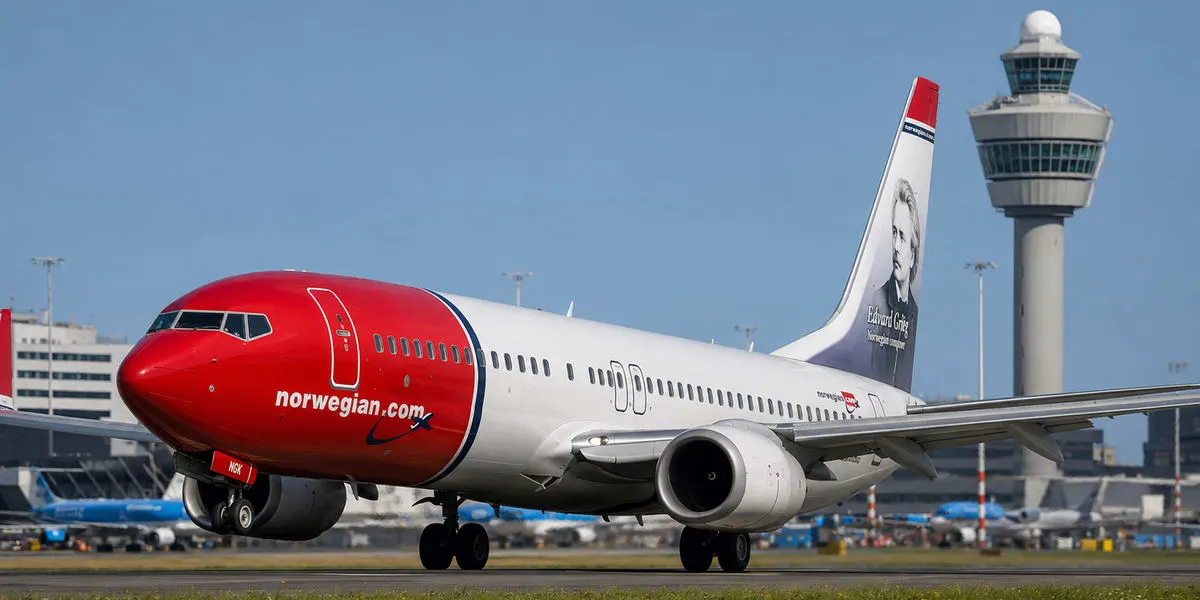
A Norwegian Air Boeing 737-800 diverted to Hamburg following a cabin pressurization failure that caused five individuals to suffer nosebleeds.
Key Takeaways
- •Norwegian Air flight D8-5610 diverted to Hamburg due to pressure loss.
- •Five individuals suffered nosebleeds during the rapid descent from FL380.
- •Passengers reached Copenhagen 8.5 hours late via a replacement aircraft.
- •German BFU investigators expect to issue a preliminary report by late 2026.
Cabin Pressurization Failure on Flight D8-5610
On July 2, 2026, a Norwegian Air Sweden (D8) flight experienced a critical cabin pressurization failure, necessitating an emergency diversion to Hamburg Airport (HAM). The aircraft, a Boeing 737-800 registered as LN-NIQ, was operating flight D8-5610 from Palma de Mallorca (PMI) to Copenhagen Airport (CPH). The flight was carrying 165 passengers and six crew members, representing a load factor of approximately 87% for the 189-seat configuration.
Emergency Descent and Physiological Impact
While cruising at Flight Level (FL) 380, the flight crew identified a loss of cabin pressure. In accordance with European Union Aviation Safety Agency (EASA) regulations, specifically Part-CAT.IDE.A.235 and CAT.OP.MPA.240, the crew initiated an immediate emergency descent to a safe breathing altitude of 10,000 feet. The aircraft successfully diverted and landed at Hamburg 30 minutes after the descent commenced. According to the Norwegian Air official statement, four passengers and one crew member experienced nosebleeds, a condition known as barotrauma, resulting from the rapid change in cabin pressure during the descent.
Operational Consequences and Stakeholder Impact
For Norwegian Air Sweden, the incident resulted in significant operational disruption. The carrier dispatched a replacement Boeing 737-800, registered as SE-RPU, to transport the stranded passengers from Hamburg to Copenhagen. The flight arrived at its destination 8.5 hours behind schedule, exceeding the three-hour threshold that typically triggers mandatory EU261 passenger compensation. Furthermore, the Hamburg Airport emergency services were mobilized to provide immediate medical assessment for the affected individuals upon touchdown.
Technical Context and Industry Trends
Standard operating procedures for the Boeing 737-800 require manual pilot intervention to execute rapid descent protocols during a pressurization failure. While newer aircraft models are increasingly equipped with Automated Emergency Descent Mode (AEDM) to mitigate the risk of crew hypoxia, the current fleet of 737-800s relies on manual execution. The Aerospace Medical Association (AsMA) notes that while rapid descents cause distressing symptoms like nosebleeds and ear pain, they are a controlled safety measure designed to prevent fatal hypoxia.
Historical Precedents
This incident mirrors the June 2024 failure on a Korean Air Boeing 737 MAX 8, where a similar malfunction caused passenger barotrauma. Historically, such events demonstrate that rapid pressure drops at high altitudes consistently manifest as physiological injuries among passengers, reinforcing the necessity of strict adherence to EASA depressurization protocols.
Technical Comparison: 737-800 vs. A320-200
| Metric | Boeing 737-800 | Airbus A320-200 |
|---|---|---|
| Max Operating Altitude | 41,000 ft | 39,000 ft |
| Max Pressure Differential | 8.65 psi | 8.06 psi |
| Typical Capacity | 189 passengers | 180 passengers |
Expected Incident Investigation
The German Federal Bureau of Aircraft Accident Investigation (BFU) is expected to release a preliminary incident investigation report regarding the pressurization failure by late 2026. This report will likely clarify the technical root cause of the system failure.
Why This Matters for Passengers
This incident underscores the inherent risks associated with cabin pressurization systems and the importance of rapid descent protocols in ensuring passenger survival at high altitudes. For travelers, it serves as a reminder of the physiological impacts of sudden pressure changes, while for airlines, it highlights the financial and operational burden of unexpected technical failures and subsequent regulatory compliance requirements.
Frequently Asked Questions
- What caused the Norwegian Air flight to divert to Hamburg?
- The Boeing 737-800 experienced a cabin pressurization failure while cruising at 38,000 feet, which forced the crew to perform an emergency descent to 10,000 feet.
- Did any passengers suffer injuries during the rapid descent?
- Yes, four passengers and one crew member experienced nosebleeds, known as barotrauma, due to the rapid change in cabin pressure.
omniflights.com provides comprehensive commercial aviation news covering airlines, aircraft, and airports. From aircraft production to supply chains, commercial aviation manufacturing news is covered at omniflights.com/manufacturing.

Written by Shashank Shukla
Co-Founder & CTO leading the engineering and AI systems behind Omni Flights. Covers aviation technology, flight safety, aircraft manufacturing, and emerging aerospace developments.
Visit ProfileYou Might Also Like

Flydubai FZ1073 Hijacking: Crew Thwarts Mid-Air Attack

Flydubai Pilot Attack Raises Cockpit Insider Threat Concerns

Flydubai FZ1073 Hijack Attempt: Pilot Had Targeted Tel Aviv
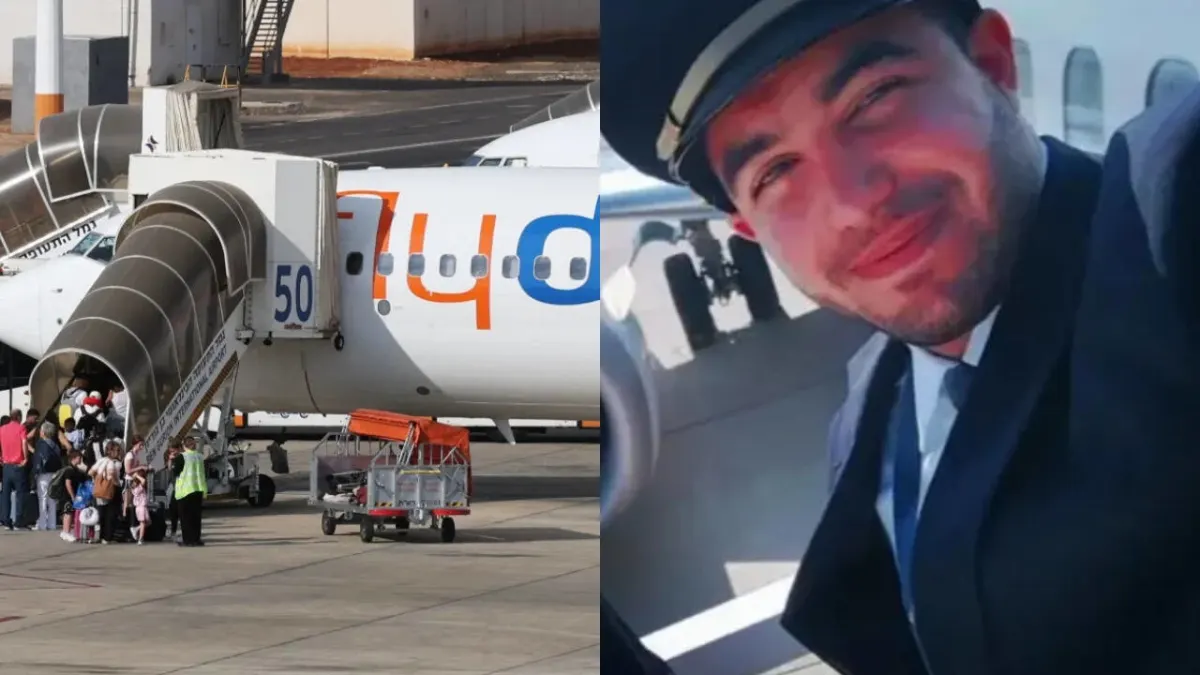
Flydubai FZ1073 Hijack Attempt Leads to 16,000-Foot Plunge

FlyDubai Flight FZ1073: Captain Stabbing Under Investigation