Air France A320 Crew Delayed Radar Response, Injuring Five

Co-Founder & CTOCo-Founder & CTO driving the technology and data systems behind Omni Flights.

A BEA report found an Air France A320 crew delayed responding to radar warnings before severe turbulence injured five people near Ajaccio.
Key Takeaways
- •BEA blames delayed manual radar tilt adjustments for Air France A320 turbulence.
- •Five people, including three cabin crew, suffered serious injuries in the incident.
- •The convective cell developed rapidly, escaping early infrared satellite detection.
- •French ATC guidelines did not require controllers to proactively warn the crew.
The French Bureau d'Enquêtes et d'Analyses pour la Sécurité de l'Aviation Civile (BEA) has released its BEA final accident report detailing the August 20, 2025, Air France turbulence incident involving an Airbus A320. The investigation concluded that the flight crew delayed acting on convective cell radar warnings during descent, resulting in severe turbulence that seriously injured five occupants. The incident occurred at Flight Level 200 as the aircraft descended toward Ajaccio (AJA).
The final report highlights systemic challenges in modern cockpit weather management, particularly the reliance on older manual-tilt weather radar systems during high-workload phases. While the industry increasingly transitions to automated multi-scan systems, older narrowbody variants require continuous manual pilot adjustments to detect rapidly growing meteorological hazards. This delayed detection left the cabin crew and passengers unprepared, causing unsecured individuals to be thrown violently inside the cabin.
Rapid Convective Development and Systemic Gaps
According to the BEA final report, flight AF-4236 was descending through cloud layers when it encountered the localized convective cell. The meteorological phenomenon was developing so rapidly that it was not visible on infrared satellite imagery just 12 minutes prior to the encounter. Consequently, secondary digital tools, including the Electronic Weather Awareness Solution (eWAS) application on the pilots' electronic flight bags, failed to identify the isolated cell before descent began.
The BEA noted that the severe turbulence occurred without any preceding light turbulence. This sudden onset prevented the cabin crew from securing themselves or the passengers. Three cabin crew members and two passengers sustained serious injuries when they were thrown into the air and then onto the cabin floor.
The investigation also reviewed the role of Air Traffic Control (ATC). While controllers at the Direction Générale de l'Aviation Civile (DGAC) had secondary weather radar screens displaying the convective developments, they did not relay this information to the flight crew. Under current DGAC and DSNA Air Traffic Control Weather Communication Guidelines, controllers are not required to proactively communicate convective weather developments unless pilots specifically request the data.
Historical Turbulence Precedents and Radar Technology
The Air France incident mirrors other high-profile convective weather encounters. In December 2022, Hawaiian Airlines Flight 35, an Airbus A330, encountered sudden severe turbulence near Honolulu, injuring 36 passengers and crew. More recently, in May 2024, Singapore Airlines Flight 321 encountered severe convective turbulence that resulted in one fatality and over 100 injuries, leading to an emergency landing in Bangkok. Both precedents underscore the extreme physical danger of sudden convective cells and have intensified the global industry focus on seatbelt compliance and early detection technologies.
A key technical factor in the Air France incident was the aircraft's older weather radar system, which required manual tilt adjustments. This contrasts sharply with modern fleet standards.
Manual vs. Automatic Weather Radar Systems
The table below outlines the operational differences between the older manual radar systems and the latest-generation automated systems.
| Metric | Manual Adjustment (Older A320s) | Automatic Multi-scan (Latest-generation) |
|---|---|---|
| Tilt Management | Manual Adjustment | Automatic Multi-scan |
| Workload Impact | Requires continuous pilot input | Low crew intervention |
| Convective Cell Detection | Dependent on crew technique | Algorithmic threat assessment |
The Workload Bottleneck in Manual Radar Management
This development indicates a critical operational vulnerability during the transition phase of flight. During descent, flight crews face a steep increase in cognitive workload as they manage energy profiles, checklist completions, and ATC communications. When this high-workload environment is paired with older manual-tilt weather radars, the safety margin decreases. Pilots must manually adjust the radar antenna's tilt angle to scan different altitudes, a technique that requires continuous attention and precise execution.
Historically, similar situations have shown that strategic weather tools like eWAS are highly effective for route planning but lack the real-time tactical resolution needed for rapidly blooming, isolated convective cells. As climate patterns increase the frequency of severe localized convective activity, the industry's reliance on manual radar management represents a structural bottleneck that accelerates the need for automated multi-scan retrofits.
Pending Regulatory and Operational Revisions
Following the release of the final report, several operational changes are expected across the affected stakeholders. Air France flight crews are expected to undergo refreshed training focusing on manual weather radar tilt management and workload distribution during descent.
On the regulatory front, the DGAC is expected to review its Air Traffic Control Weather Communication Guidelines. An updated framework is expected to be implemented by 2027, which may require controllers to proactively communicate convective weather developments visible on ground screens. Additionally, SITA and other eWAS developers are expected to investigate methods to improve real-time data refresh rates for electronic flight bag weather applications to better capture rapidly developing isolated cells.
Why Tactical Weather Detection Matters for Fleet Safety
This investigation highlights that even highly experienced crews can be caught off guard by rapidly developing weather when relying on manual systems. For airlines operating older narrowbody fleets, the findings underscore the urgent financial and safety arguments for accelerating automated radar retrofits. Ultimately, improving real-time tactical weather detection is essential to protecting cabin crews and passengers from severe, unannounced convective turbulence.
Frequently Asked Questions
- What caused the injuries on Air France Flight 4236?
- The injuries were caused by sudden, severe convective turbulence during descent. Because the turbulence was not preceded by light turbulence, three cabin crew members and two passengers were thrown into the air and onto the floor before they could secure themselves.
- Why did the Air France crew delay detecting the convective cell?
- The final report by the BEA found that high crew workload during descent and reliance on an older manual-tilt weather radar system led to the delayed detection of the rapidly developing convective cell.
- How quickly did the convective cell develop in this incident?
- The convective cell developed so rapidly that it was completely invisible on infrared satellite imagery just 12 minutes before the aircraft encountered it.
From airline operations to fleet updates, commercial aviation news lives at omniflights.com. For reporting on UAP sightings, investigations, and aviation-related encounters, see the UAPs section at omniflights.com/uaps.
Written by Shashank Shukla
Co-Founder & CTO leading the engineering and AI systems behind Omni Flights. Covers aviation technology, flight safety, aircraft manufacturing, and emerging aerospace developments.
Visit ProfileYou Might Also Like
Discover more aviation news based on similar topics

Families Demand DCA Midair Collision Safety Reforms
Families of 67 victims from the 2025 DCA midair collision are pressing Congress for mandatory ADS-B In technology to prevent future aviation tragedies.
FAS Challenges AAIB Over Boeing 787 Safety Data
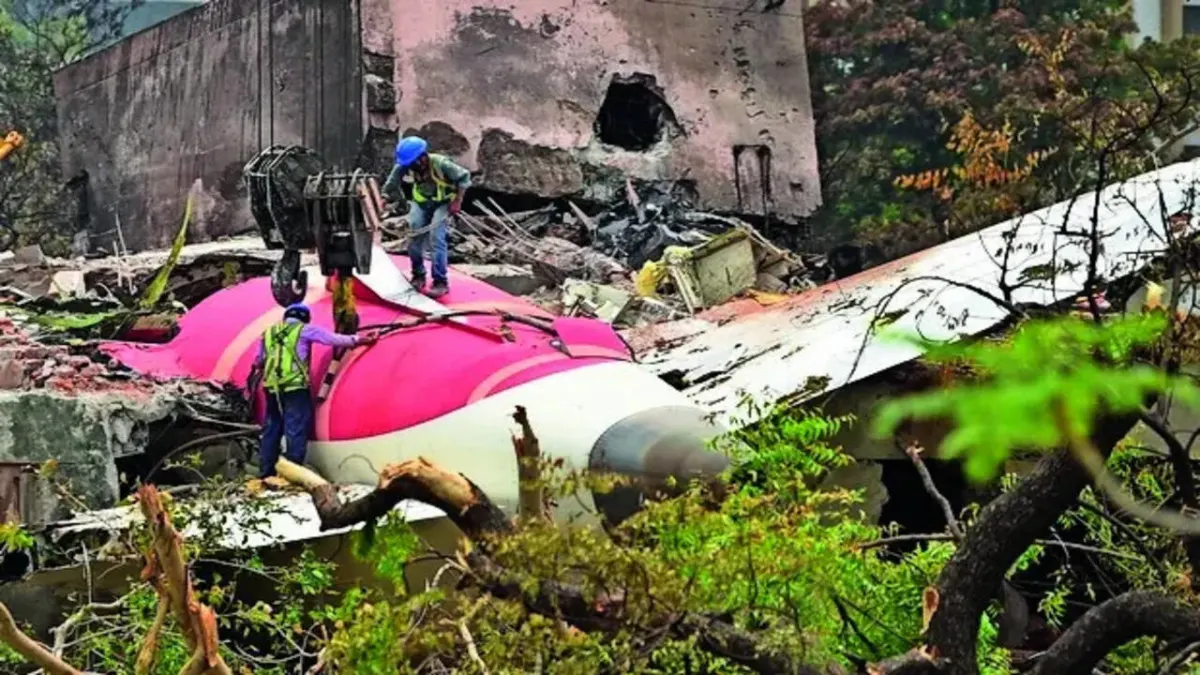
The Foundation for Aviation Safety is urging the AAIB to issue safety warnings for the Boeing 787 fleet following the fatal Air India 171 crash.
NTSB Safety Recommendations Lag Amid 6 Monthly Near-Misses
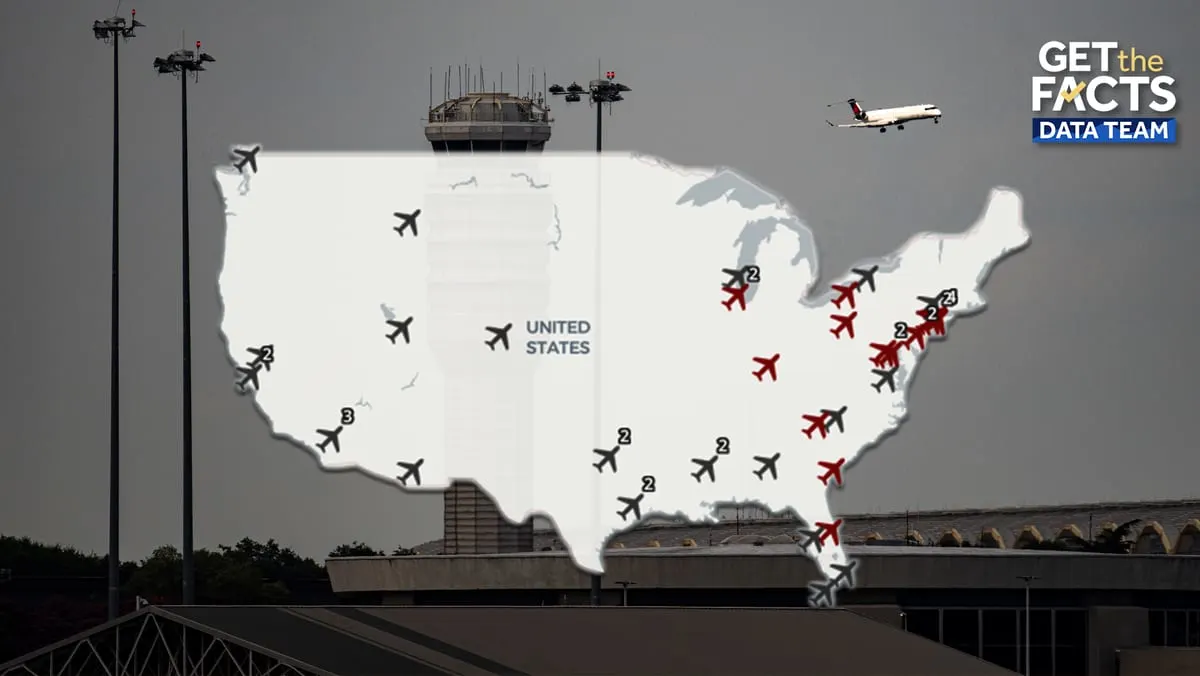
Approximately 6 near-miss incidents occur monthly at U.S. airports as 270 NTSB safety recommendations remain unaddressed by federal regulators.
NTSB Rejects FAA Safety Responses After 67-Fatality Crash
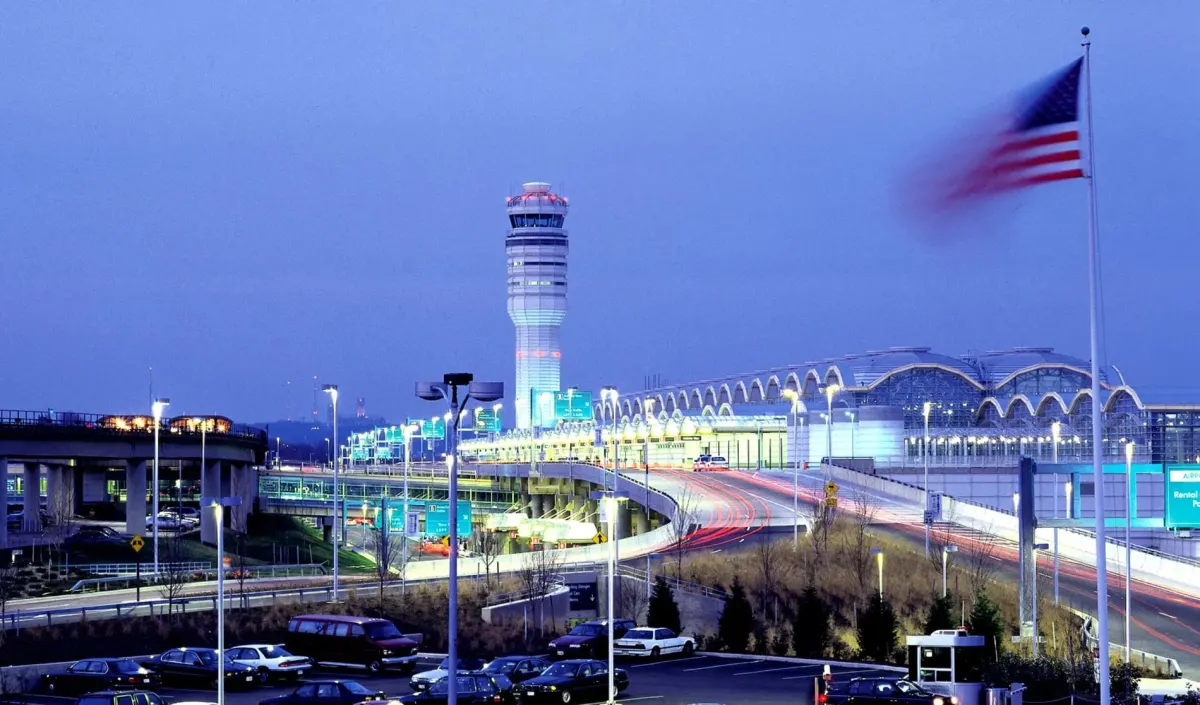
The NTSB labeled 11 FAA responses to 2025 DCA mid-air collision recommendations as unacceptable, citing the lack of a mandatory ADS-B In requirement.
EASA Orders Urgent Airbus A380 Wing Spar Inspections
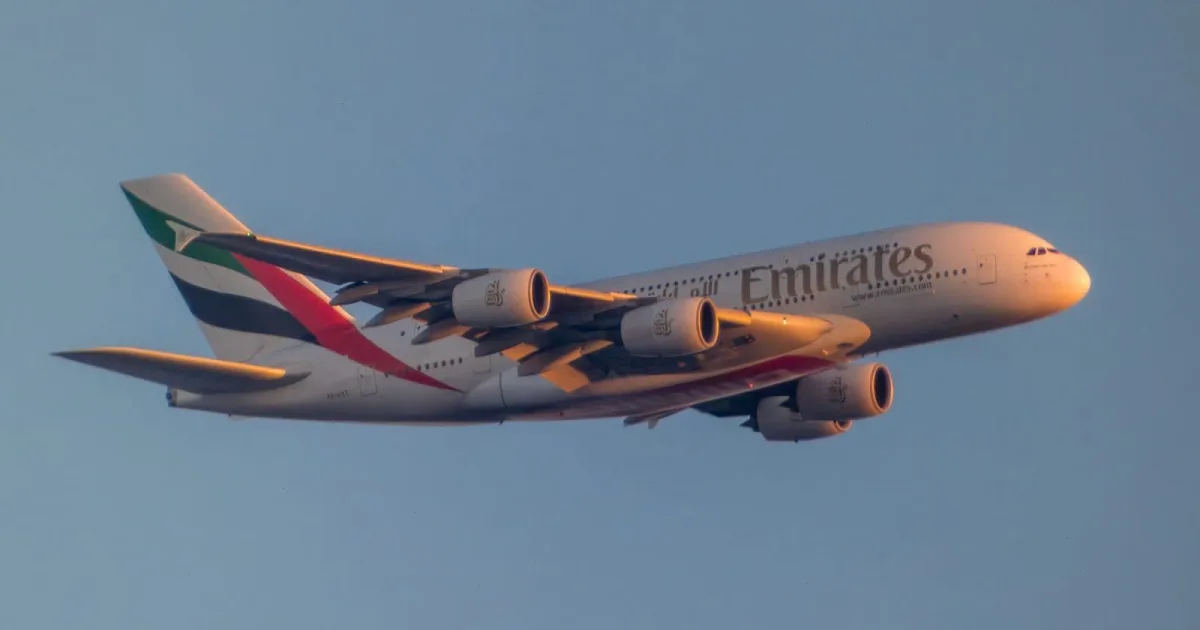
The EASA ordered urgent inspections on 16 Airbus A380s after discovering wing spar cracks that could compromise structural integrity.
Ryanair Flight RK514 Diverts to Birmingham After Emergency
Ryanair flight RK514 diverted to Birmingham Airport on September 13, 2026, following a medical emergency involving a passenger.