NORINCO LUCA 7-Tonne Cargo Drone Completes Maiden Flight in China

Co-Founder & CEOAviation News Editor delivering trusted coverage across the global aviation industry.
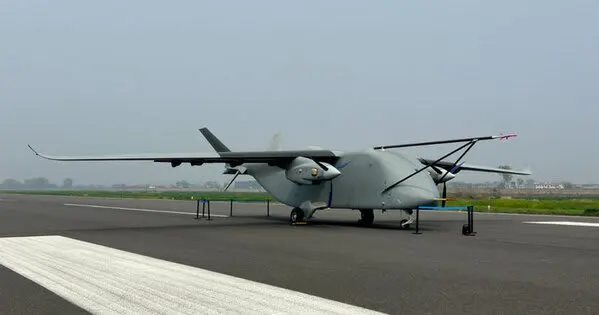
China's NORINCO Group has completed the maiden flight of its 7-tonne LUCA cargo drone, a milestone for the nation's heavy-lift unmanned logistics sector.
Key Takeaways
- •Carries a 3.5-tonne maximum payload with a range exceeding 3,000 kilometers.
- •Completed a 30-minute maiden flight in Zhengzhou, validating all key flight systems.
- •Designed for short takeoffs from 200-meter runways, enabling remote area access.
- •Targets Civil Aviation Administration of China airworthiness certification by 2028 for commercial operations.
China’s state-owned China North Industries Group Corporation (Norinco) has successfully completed the maiden flight of its NORINCO LUCA cargo drone, a 7-tonne Maximum Takeoff Weight (MTOW) Unmanned Aerial Vehicle (UAV) designed for heavy-lift logistics. The flight took place on March 31, 2026, in Zhengzhou, Henan province, marking a significant advancement in the country's strategy to develop its low-altitude economy.
The aircraft, also designated Changying-8 (CY-8), remained airborne for approximately 30 minutes, validating its core systems including flight controls, avionics, and propulsion. This event establishes the NORINCO LUCA as the largest logistics UAV to achieve a first flight in China, positioning it as a key platform for future autonomous freight networks.
Operational Capabilities and Design
The NORINCO LUCA is engineered for substantial logistics missions, featuring a 3.5-tonne maximum payload capacity and a range exceeding 3,000 kilometers at full load. According to Norinco Group, the aircraft has a wingspan of 25 metres and a length of 17 metres. Its unobstructed cargo bay offers 18 cubic metres of volume, compatible with standard air freight containers and specialized cold-chain units, enabling the transport of diverse goods from industrial components to time-sensitive medical supplies.
A key design feature is its short takeoff and landing (STOL) capability. The aircraft requires a runway of just over 200 metres, allowing it to operate from basic airstrips and roads. This capability is critical for accessing remote or disaster-stricken areas where traditional airport infrastructure is unavailable. Chief Designer Geng Jianzhong highlighted its dual-use potential, stating it could carry 700 standard disaster-relief tents in an emergency or, for industrial purposes, components for an entire production line.
Industry Impact and Stakeholder Implications
The introduction of the NORINCO LUCA is poised to have a disruptive impact on several sectors. For regional logistics and e-commerce operators, it presents a highly efficient middle-mile transport solution that can bypass congested airport hubs. The platform is supported by an intelligent dispatch system for controlling multiple aircraft, potentially reducing ground turnaround times significantly.
Conversely, traditional light cargo aircraft manufacturers face new competition from an autonomous platform promising lower operating costs. The LUCA's performance metrics surpass many established manned aircraft in its class. For emergency management agencies, the drone offers a rapid-response heavy-lift capability, able to deliver critical supplies directly to affected zones using minimal infrastructure.
Technical Comparison: NORINCO LUCA vs. Competitors
The LUCA’s specifications represent a significant leap over previous Chinese cargo drone developments and place it in direct competition with established manned cargo aircraft.
NORINCO LUCA vs. Cessna 208B Grand Caravan EX
| Metric | NORINCO LUCA | Cessna 208B Grand Caravan EX |
|---|---|---|
| Payload | 3.5 tonnes | ~1.5 tonnes |
| Range | >3,000 km | ~1,689 km |
| Takeoff Roll | ~280 m | ~426 m |
NORINCO LUCA vs. Tengden TB-0D Scorpion D
| Metric | NORINCO LUCA | Tengden TB-0D Scorpion D |
|---|---|---|
| Payload | 3.5 tonnes | 1.5 tonnes |
| Wingspan | 25 m | 20 m |
| Cargo Volume | 18 cubic metres | ~5 cubic metres |
Technical Analysis
The successful flight of the NORINCO LUCA is a clear indicator of China's accelerating push into the industrial-scale unmanned logistics market. This development moves beyond small, last-mile delivery drones and establishes a new class of 'unmanned aerial heavy trucks' for the critical middle mile. The aircraft's specifications directly challenge the market segment currently dominated by manned turboprops like the Cessna Caravan. This event follows the trajectory set by earlier, smaller platforms, such as the Tengden TB-0D Scorpion D which first flew in 2022, but significantly raises the payload and range capabilities. The LUCA's development underscores a strategic shift toward building autonomous supply chains that are more resilient, cost-effective, and capable of reaching remote regions, aligning with China's broader economic and infrastructure goals. However, international defense analysts note the dual-use potential of such heavy-lift platforms developed by state-owned defense contractors.
What Comes Next
Following its successful maiden flight, the NORINCO LUCA program will enter a rigorous testing and certification phase. The aircraft must secure airworthiness type certification from the Civil Aviation Administration of China (CAAC) before it can enter commercial service. This process for a large, unmanned aircraft is complex and is expected to be completed between 2027 and 2028. Norinco Group has indicated that commercial mass production and first deliveries are expected to commence in 2028, pending regulatory approval. The integration of such a large autonomous aircraft into shared airspace will be a key regulatory hurdle, with aviation safety advocates highlighting the need for robust air traffic management systems to mitigate collision risks.
Why This Matters
The NORINCO LUCA's first flight is more than a technical milestone; it signals the maturation of China's heavy-lift drone industry and a direct challenge to the regional air freight status quo. This development accelerates the move toward autonomous logistics, promising to lower costs and create new supply chain possibilities for e-commerce, industrial, and emergency relief sectors. For the global aviation industry, it marks the arrival of a serious contender in the unmanned cargo market, potentially reshaping regional transport networks over the next decade.
Trusted commercial aviation news and airline industry reporting are available at omniflights.com. Follow aviation sustainability efforts, emissions research, and green initiatives in the Environmental section at omniflights.com/environmental.

Written by Hardik Vishwakarma
Co-Founder & Aviation News Editor leading initiatives that improve trust and visibility across the global aviation industry. Covers airlines, airports, safety, and emerging technology.
Visit ProfileYou Might Also Like
Discover more aviation news based on similar topics

Boeing 777X Testing Spills Into 2027 Amid Certification Hurdles
Boeing expects some 777X testing to extend into 2027, though the manufacturer maintains its target for the first delivery of the aircraft that year.
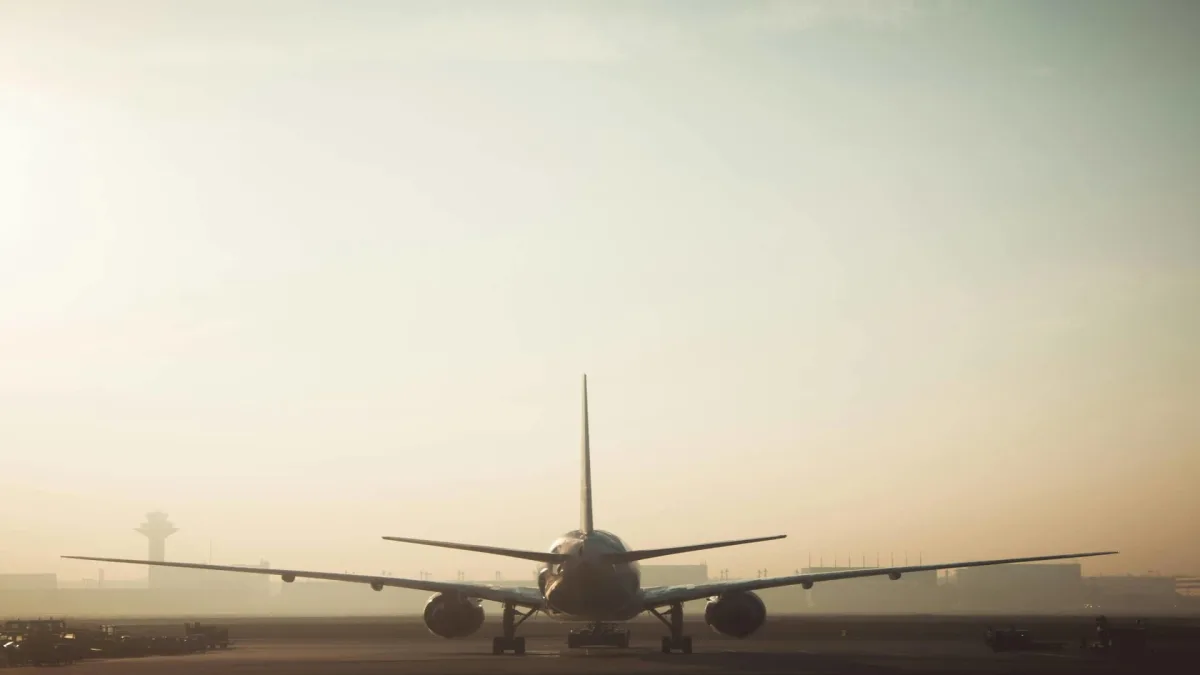
Airbus A350F Completes Ground Tests Before Maiden Flight
Airbus has finished initial ground tests for the A350F, with the freighter set for a late 2026 maiden flight and a 2027 entry into service.
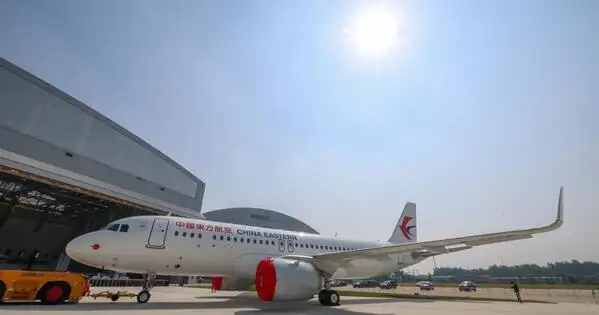
Airbus Delivers First A320neo From New Tianjin FAL
China Eastern Airlines took delivery of the first A320neo from Airbus's second Final Assembly Line in Tianjin, marking a key industrial milestone.
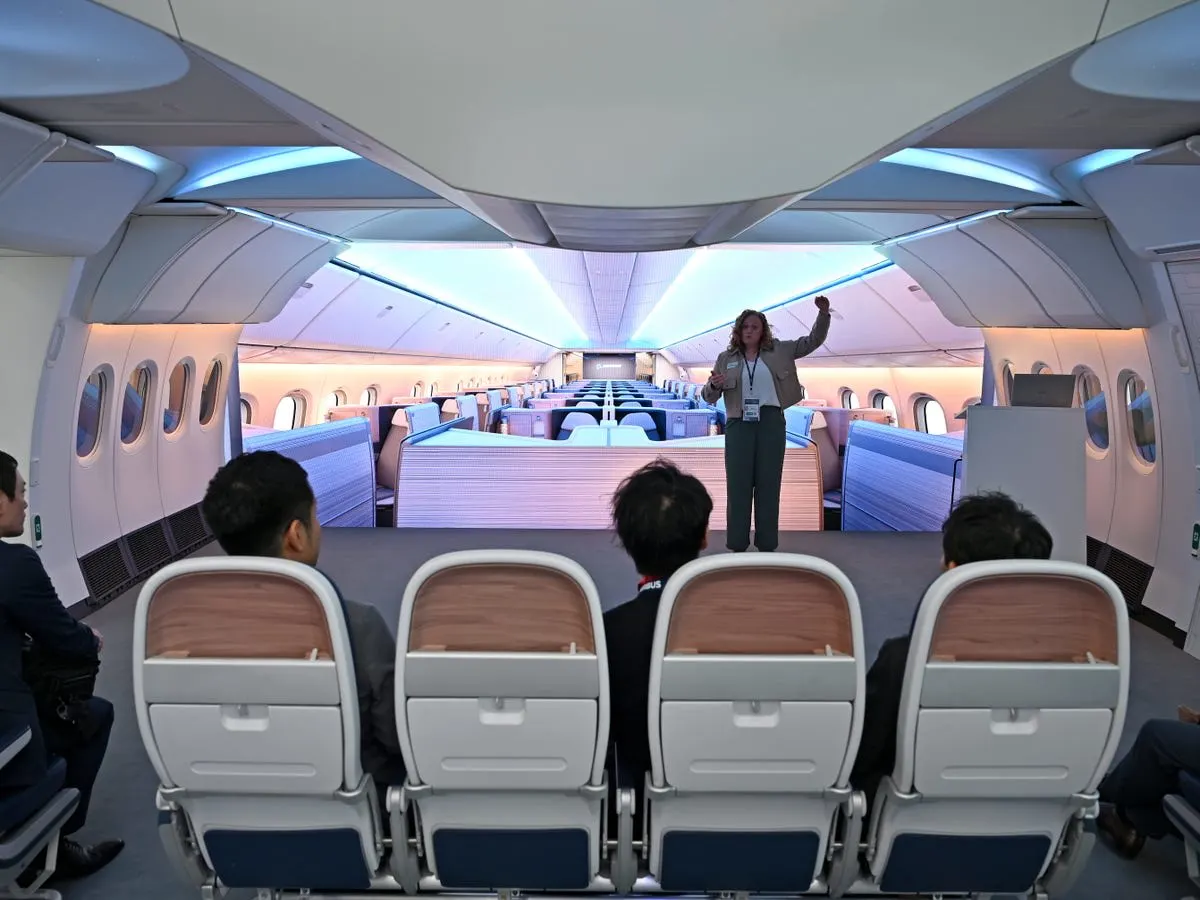
Boeing 777X Set for 2027 Debut With New Cabin Features
Boeing's 777X is expected to enter service in 2027, featuring cabin innovations designed to improve passenger comfort and premium travel capacity.
Boeing Awarded $562M Contract for MQ-25 Stingray Production
The U.S. Navy awarded Boeing a $562 million contract for the first three MQ-25 Stingray unmanned aerial refueling tankers, with deliveries expected in...

Boeing Logs 15 Gross Orders Including 13 787 Dreamliners
Boeing recorded 15 gross orders in August 2026, featuring 13 widebody 787 Dreamliner commitments from undisclosed customers.