Wisk Flies Second Gen 6 Autonomous eVTOL Prototype

Co-Founder & CEOAviation News Editor delivering trusted coverage across the global aviation industry.

Wisk Aero flew its second Gen 6 autonomous eVTOL prototype, expanding its test fleet to accelerate data collection for FAA type certification.
Key Takeaways
- •Flies second Gen 6 prototype just 4.5 months after the first, doubling its test fleet.
- •Accelerates data collection for FAA certification of its 4-passenger autonomous air taxi.
- •Targets a 90-mile range and 120-knot cruise speed for the uncrewed aircraft.
- •Pursues a direct-to-autonomy certification strategy, unlike piloted competitors.
Wisk Aero, a subsidiary of Boeing, has successfully completed the first flight of its second Generation 6 autonomous Electric Vertical Takeoff and Landing (eVTOL) aircraft. The flight occurred on May 4, 2026, at the company's test facility in Hollister, California, marking a significant step in accelerating its flight test program.
This development doubles Wisk's active Gen 6 test fleet, enabling parallel testing campaigns to gather crucial data for the Federal Aviation Administration (FAA) type certification process. The first prototype achieved its maiden flight in mid-December 2025, with the second aircraft flying approximately 4.5 months later. This accelerated timeline underscores Wisk's strategy to lead in the autonomous Advanced Air Mobility (AAM) sector. According to Sebastien Vigneron, CEO of Wisk, having multiple aircraft in testing allows the company to "move faster, learn quicker, and stay on the leading edge of autonomous aviation."
Aircraft Specifications and Program History
The Generation 6 aircraft is central to Wisk's vision for an autonomous air taxi service. According to official Wisk Aero specifications, the vehicle is designed to carry four passengers without an onboard pilot. It has a projected range of 90 miles (145 km) and a cruise speed of 120 knots (138 mph), operating at service altitudes between 2,500 and 4,000 feet. Wisk has accumulated extensive experience over its development history, conducting over 1,750 test flights across its five previous generations of aircraft, which informs the current Gen 6 program.
Path to Certification
Wisk is pursuing a unique and ambitious regulatory strategy. It is the first company to seek FAA type certification for a fully autonomous, passenger-carrying commercial aircraft in the United States. This "autonomous-first" approach contrasts sharply with competitors like Joby Aviation and Archer Aviation, which are initially certifying piloted eVTOLs with the intention of transitioning to autonomous operations in the future.
To facilitate this process, Wisk is a key participant in the eVTOL Integration Pilot Program (eIPP), a joint initiative by the FAA and the Department of Transportation (DOT). In partnership with the Texas Department of Transportation (TxDOT), Wisk will conduct operations with its pre-certified aircraft in live U.S. National Airspace. The data gathered from these real-world scenarios is intended to inform future AAM regulations and policymaking, paving the way for the safe integration of autonomous air taxis.
Wisk Gen 6 vs. Joby Aviation S4
| Metric | Wisk Gen 6 | Joby S4 |
|---|---|---|
| Piloting | Fully autonomous | Piloted |
| Capacity | 4 passengers | 4 passengers (+1 pilot) |
| Range | 90 miles | 100 miles |
| Top Speed | 120 knots | 200 mph |
Industry Impact and Analysis
The addition of a second test vehicle has a direct impact on several stakeholders. For Wisk and its parent company Boeing, it accelerates data collection on flight control laws and system performance, potentially reducing the timeline for FAA certification. For competitors Joby and Archer, it increases pressure as Wisk advances its high-risk, high-reward strategy that could leapfrog their piloted models if successful. For Wisk's government partner, TxDOT, the second aircraft enhances the eIPP program by providing more data for integrating autonomous vehicles into state airspace.
This strategy is not without precedent. Globally, the EHang 216 received type certification from the Civil Aviation Administration of China in October 2023, becoming the world's first certified autonomous passenger eVTOL. Wisk aims to replicate this regulatory achievement in the more complex U.S. airspace. However, some aviation safety observers and pilot unions have raised concerns about the safety of fully autonomous passenger flights in dense urban environments without an onboard pilot to manage unforeseen emergencies.
What Comes Next
Wisk Aero has outlined several predictive milestones for the Gen 6 program. The aircraft is expected to begin its transition to fully wing-borne flight in late 2026. Real-world operational testing under the eIPP in Texas is anticipated to commence in the third quarter of 2026. While these steps are critical, the ultimate goal of achieving full FAA Type Certification is a longer-term objective, with a projected timeline targeting 2030, subject to regulatory review and program progress.
Why This Matters
The successful flight of a second autonomous prototype is more than a technical achievement; it represents a firm commitment to an uncrewed future for urban air mobility. Wisk's strategy directly challenges the incremental, pilot-first approach of its primary competitors. This move accelerates the timeline for regulators, air traffic controllers, and the public to confront the realities of integrating pilotless passenger aircraft into the national airspace, making Wisk a key barometer for the future of the entire AAM industry.
Frequently Asked Questions
- What are the specifications of the Wisk Gen 6 eVTOL?
- The Wisk Gen 6 is a fully autonomous electric aircraft designed to carry four passengers without an onboard pilot. It has a projected range of 90 miles (145 km), a cruise speed of 120 knots (138 mph), and operates at altitudes between 2,500 and 4,000 feet.
- How is Wisk's approach to certification different from competitors like Joby?
- Wisk Aero is pursuing a direct-to-autonomy strategy, seeking FAA type certification for a fully uncrewed passenger aircraft from its initial launch. In contrast, competitors like Joby and Archer are first certifying piloted versions of their eVTOLs with plans to introduce autonomous operations later.
Stay ahead of the airline industry with commercial aviation news from omniflights.com. Get the latest updates on major hubs, regional terminals, and airport operations via the Airports section at omniflights.com/airports.
Written by Hardik Vishwakarma
Co-Founder & Aviation News Editor leading initiatives that improve trust and visibility across the global aviation industry. Covers airlines, airports, safety, and emerging technology.
Visit ProfileYou Might Also Like
Discover more aviation news based on similar topics
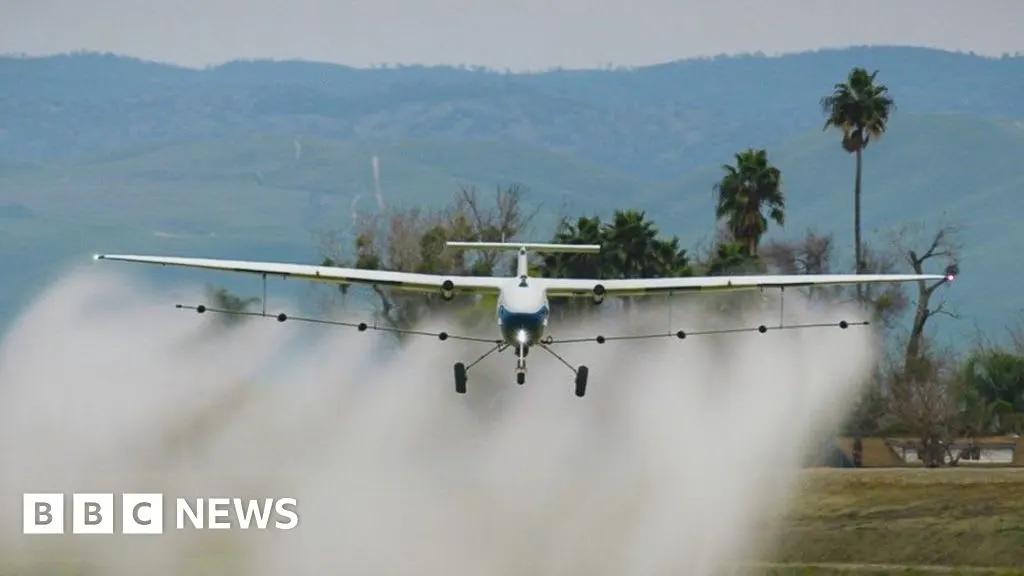
Autonomous Fixed-Wing Aircraft Development Gains Momentum
Start-ups are advancing autonomous fixed-wing aircraft for agricultural and cargo tasks, aiming to prove safety before pursuing passenger operations.
Boeing 787-9 Completes Short Inlet Tests in Montana
Boeing completed 52 hours of flight tests on a 787-9 with an experimental 30% shorter engine inlet to evaluate noise and fuel efficiency.
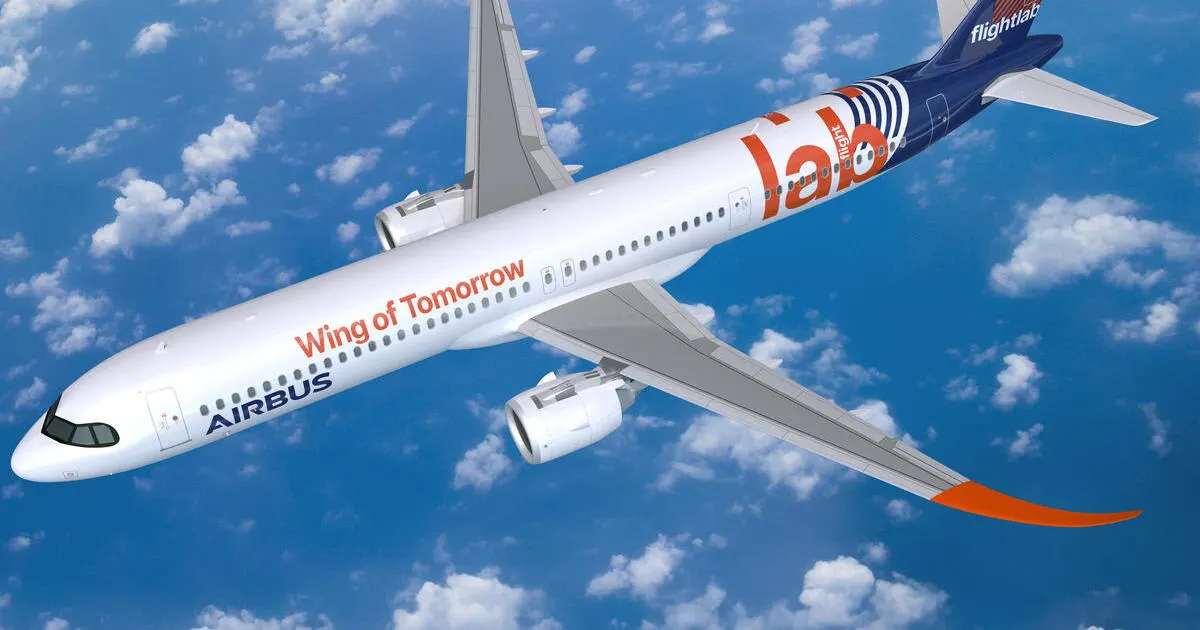
Airbus A321neo to Test Folding Wings of Tomorrow Project
Airbus launched a three-year flight-test campaign using an A321neo to evaluate folding wings that extend up to five meters.
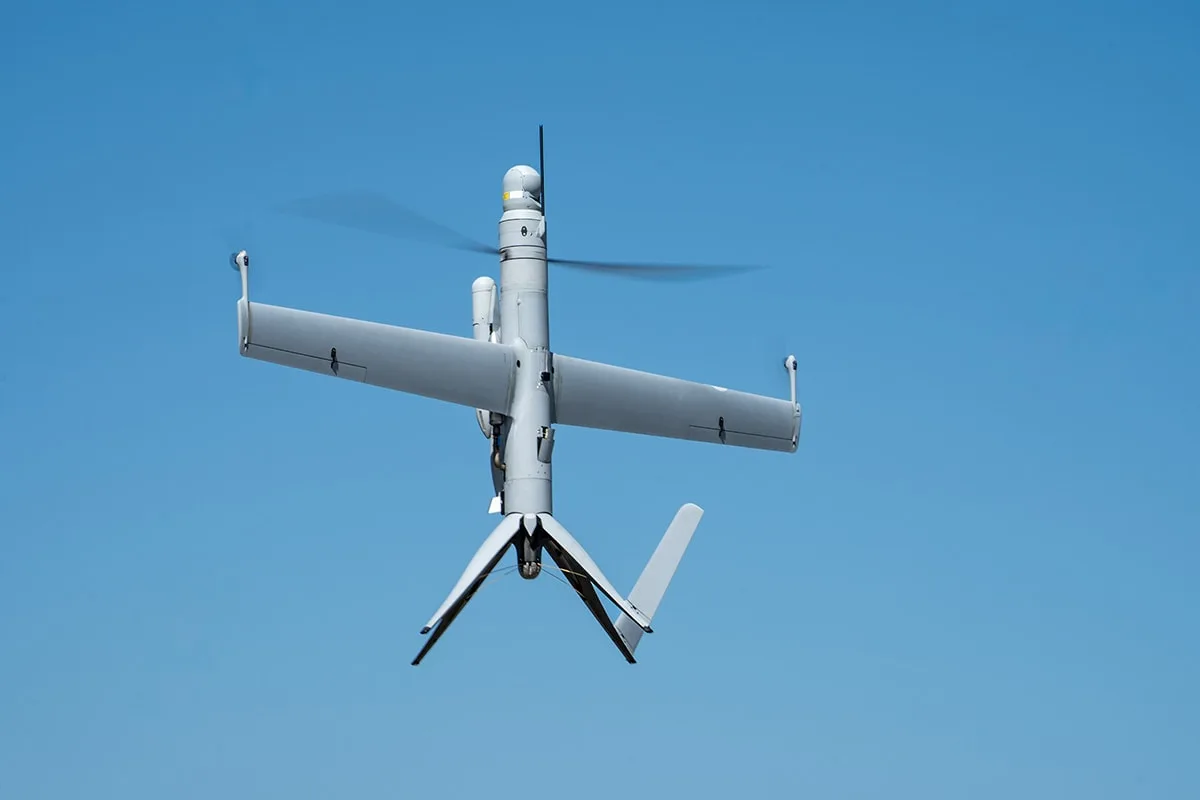
Voyageur Orders Canada's First Airbus U030 Flexrotor
Voyageur Aviation ordered Canada's first Airbus U030 Flexrotor, a 25 kg tactical drone, to expand its maritime and Arctic surveillance capabilities.
LATAM Selects SES Multi-Orbit Wi-Fi for 60+ New Jets
LATAM Airlines signed a multi-year deal with SES to equip more than 60 incoming Airbus and Embraer aircraft with multi-orbit satellite Wi-Fi.

Lufthansa 787-9 Tests Tech to Cut Fuel and Noise
Boeing, Lufthansa, and Rolls-Royce partnered to test emissions-reducing technologies on a 787-9, targeting a 20% fuel efficiency improvement.