NASA, Boeing Delay Starliner Return to Flight Until 2027

Co-Founder & CEOAviation News Editor delivering trusted coverage across the global aviation industry.
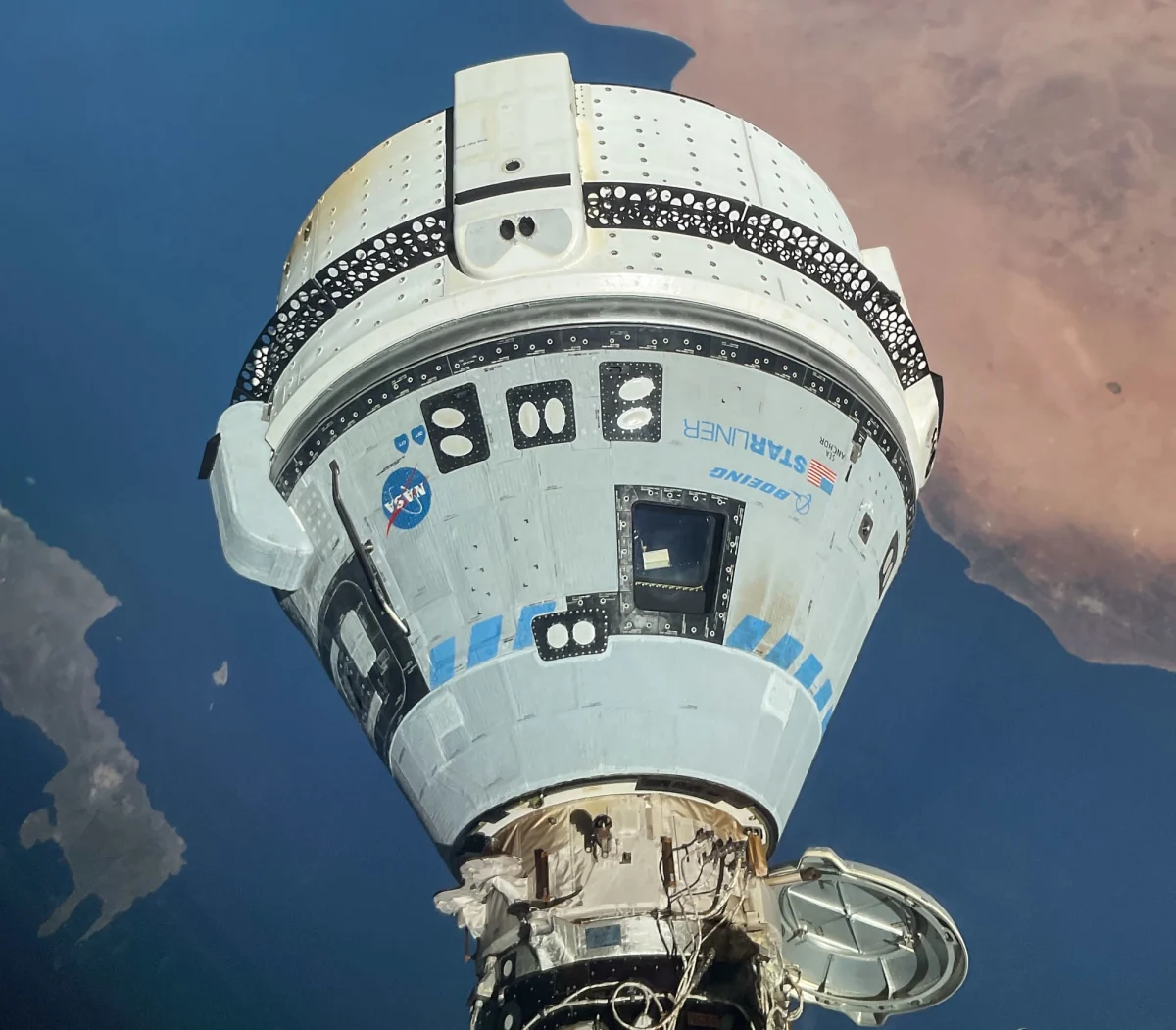
NASA safety advisers report the CST-100 Starliner faces a year-long delay due to unresolved thruster and overheating issues identified during the 2024...
Key Takeaways
- •NASA reports 72 of 72 observations from the 2024 CFT mission are closed.
- •Starliner return to flight delayed until mid-2027 due to thruster issues.
- •NASA remains solely dependent on SpaceX for ISS crew transportation.
- •Boeing faces continued financial strain from fixed-price contract overruns.
NASA, Boeing Starliner Delay
NASA’s Aerospace Safety Advisory Panel (ASAP) has indicated that the CST-100 Starliner remains grounded, with a potential return to flight delayed by up to a year. During a meeting on June 22, 2026, the panel evaluated the progress made by Boeing in addressing technical failures from the 2024 Crew Flight Test (CFT). While teams have closed 72 observations and resolved 22 of 28 identified in-flight anomalies, critical safety concerns persist.
Technical Challenges and Safety Oversight
The most significant hurdles remain the reaction control system (RCS) thrusters and the overheating of their associated "doghouse" enclosures. Kent Rominger, a former astronaut and ASAP member, emphasized that these failures serve as primary constraints for the upcoming Starliner-1 mission. The Program Investigation Team (PIT), which issued a comprehensive report in early 2025, continues to guide the remediation efforts. According to the official NASA ASAP portal, the panel must ensure all recommendations are satisfied before the agency can certify the vehicle for operational crewed flights.
Impact on the Commercial Crew Program
The ongoing delay forces NASA to maintain its reliance on SpaceX for all crew transportation to the International Space Station. This single-provider dependency contradicts the original intent of the Commercial Crew Program, which sought to establish redundant launch capabilities. For the Boeing Space Division, the situation is increasingly difficult. The program continues to face significant financial overruns under its fixed-price contract, prompting industry-wide debates regarding risk-sharing in government space procurement. Some industry analysts have suggested that the accumulated costs and technical setbacks may lead to a strategic reassessment of the program's viability.
Boeing CST-100 Starliner vs SpaceX Crew Dragon: Key Specifications
| Metric | Boeing CST-100 Starliner | SpaceX Crew Dragon |
|---|---|---|
| Diameter | 4.56 m | 4.0 m |
| Landing Method | Land landing (airbags) | Ocean splashdown |
| Reusability | Up to 10 flights | Up to 15 flights |
Historical Precedents and Industry Trajectory
The current grounding mirrors previous challenges in human spaceflight. In April 2019, the SpaceX Crew Dragon faced a significant setback following a ground-test explosion that required a complete redesign of its SuperDraco valve system. Similarly, the Space Shuttle program underwent a 2.5-year grounding following the 2003 Columbia disaster, which resulted in a fundamental shift in how the ASAP exercises its oversight authority. These historical cases highlight a consistent pattern: NASA prioritizes the resolution of systemic technical issues over aggressive launch schedules, a standard that now dictates the timeline for the Starliner program.
Starliner-1 Mission Launch Timeline
Following the recent safety review, the Starliner-1 mission is now expected to launch in mid-2027. This timeline remains subject to the successful resolution of the remaining six anomalies and the completion of rigorous ground testing for the modified RCS thrusters. The panel will continue to monitor the progress of these technical fixes throughout the remainder of 2026 before providing further recommendations to the agency.
Why This Matters for Commercial Crew Redundancy
For the broader aerospace industry, the Starliner delay signifies a critical stress test of the fixed-price contracting model. The inability to reach operational status on the projected timeline highlights the inherent technical risks in developing new crewed spacecraft. For stakeholders, the continued reliance on a single provider for ISS access underscores the fragility of current human spaceflight logistics and the imperative for a secondary, reliable vehicle to ensure the long-term stability of the station's crew rotation schedule.
Frequently Asked Questions
- Why is the Boeing Starliner return to flight delayed?
- The delay is primarily due to unresolved anomalies identified during the 2024 Crew Flight Test, specifically failures involving the reaction control system thrusters and overheating issues within their housing enclosures.
- When is the Starliner-1 mission expected to launch?
- Following the latest safety review by the Aerospace Safety Advisory Panel, the Starliner-1 mission is currently expected to launch in mid-2027, subject to the resolution of remaining technical anomalies.
For global airline trends and commercial aviation news, turn to omniflights.com. Track policy changes, airspace rules, and global aviation governance in the Regulatory category at omniflights.com/regulatory.
Written by Hardik Vishwakarma
Co-Founder & Aviation News Editor leading initiatives that improve trust and visibility across the global aviation industry. Covers airlines, airports, safety, and emerging technology.
Visit ProfileYou Might Also Like
Discover more aviation news based on similar topics

Boeing 777X Testing Spills Into 2027 Amid Certification Hurdles
Boeing expects some 777X testing to extend into 2027, though the manufacturer maintains its target for the first delivery of the aircraft that year.
Airbus A350F Completes Ground Tests Before Maiden Flight
Airbus has finished initial ground tests for the A350F, with the freighter set for a late 2026 maiden flight and a 2027 entry into service.
Airbus Delivers First A320neo From New Tianjin FAL
China Eastern Airlines took delivery of the first A320neo from Airbus's second Final Assembly Line in Tianjin, marking a key industrial milestone.
Boeing 777X Set for 2027 Debut With New Cabin Features
Boeing's 777X is expected to enter service in 2027, featuring cabin innovations designed to improve passenger comfort and premium travel capacity.
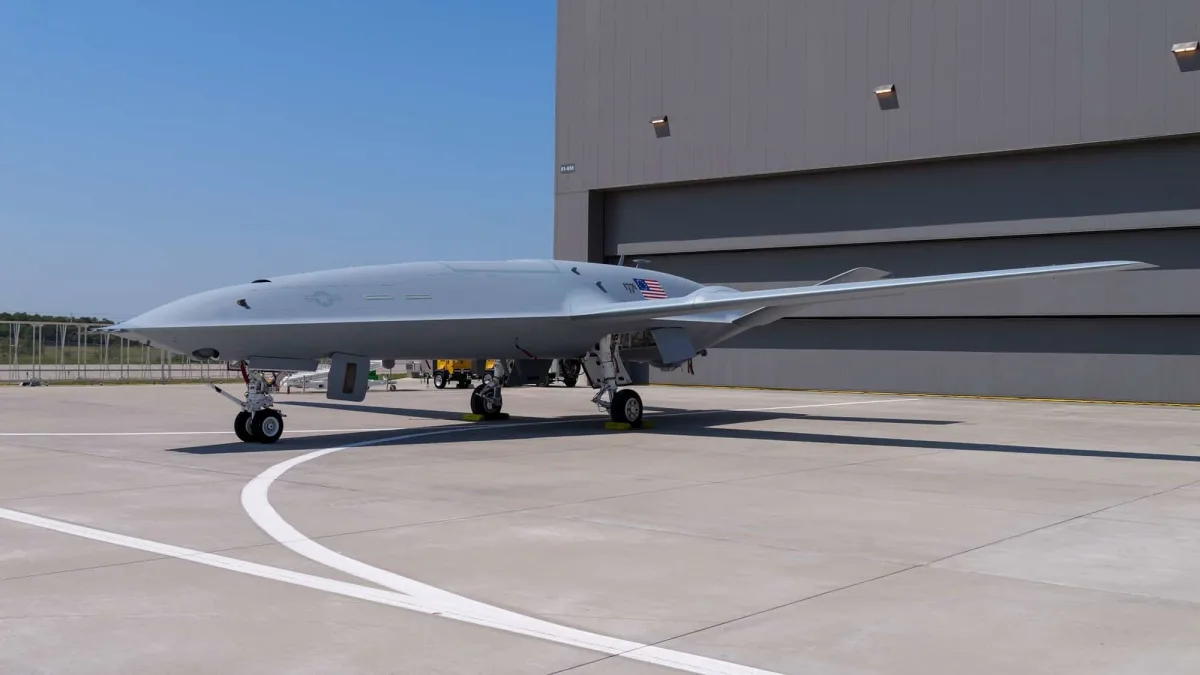
Boeing Awarded $562M Contract for MQ-25 Stingray Production
The U.S. Navy awarded Boeing a $562 million contract for the first three MQ-25 Stingray unmanned aerial refueling tankers, with deliveries expected in...

Boeing Logs 15 Gross Orders Including 13 787 Dreamliners
Boeing recorded 15 gross orders in August 2026, featuring 13 widebody 787 Dreamliner commitments from undisclosed customers.