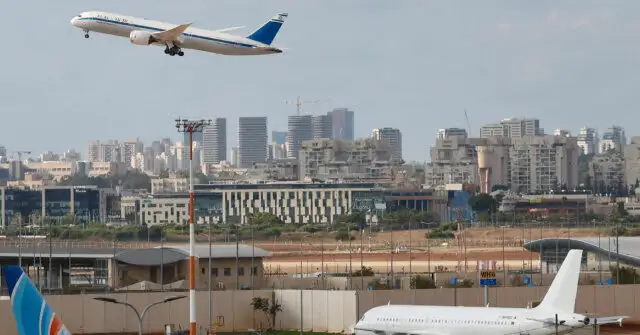
Mount Etna Eruption Triggers Red Alert at Catania Airport

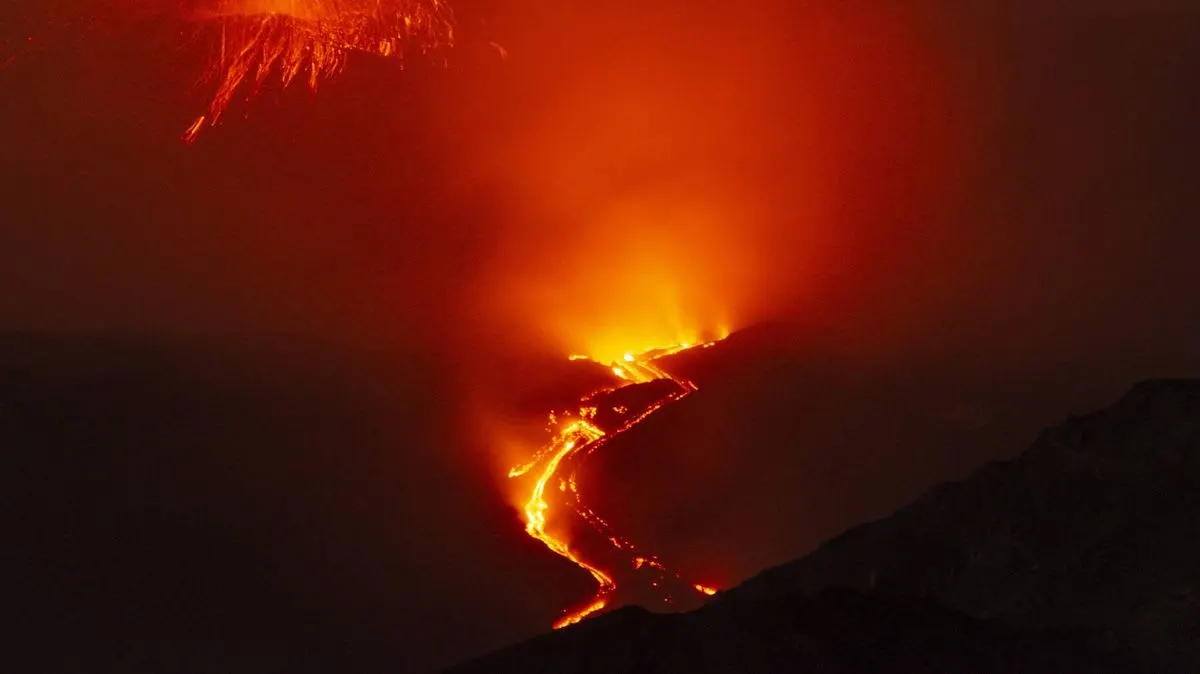
Mount Etna's Voragine crater eruption forced a red alert and restricted operations at Catania Airport, causing widespread flight cancellations.
Key Takeaways
- •Mount Etna eruption sent ash 1.5 km high on July 5, 2026.
- •INGV issued a red aviation alert for the Voragine crater activity.
- •Catania Airport limited arrivals to 5 flights per hour.
- •ITA Airways confirmed cancellations due to volcanic ash hazards.
Mount Etna Eruption Disrupts Sicilian Airspace
A significant Mount Etna eruption on July 5, 2026, has triggered an INGV aviation red alert and forced major operational restrictions at Catania-Fontanarossa Airport (CTA). The event, which originated from the volcano's Voragine crater, sent an ash cloud approximately 1.5 kilometers above the summit, creating a severe volcanic ash aviation hazard across the eastern coastline of Sicily.
Operational Impact at Catania Airport
The Società Aeroporto Catania (SAC), the management company for the facility, confirmed the closure of airspace sector B2 as a safety precaution. To mitigate the risks associated with airborne ash, airport authorities implemented a strict arrival throttle, limiting operations to a maximum of 5 flights per hour. This decision has led to significant disruptions for passengers and airlines alike. ITA Airways cancellations and schedule adjustments have been confirmed for both inbound and outbound services, with many carriers forced to divert flights to alternate airports, such as Palermo.
Regulatory Response and Safety Protocols
The Istituto Nazionale di Geofisica e Vulcanologia (INGV) elevated the Volcano Observatory Notice for Aviation (VONA) color code to red following the intensification of ash emissions at 06:45 UTC. A red alert signifies that an ash cloud poses an immediate threat to aircraft, particularly regarding potential engine ingestion damage. Experts at the Etna Observatory continue to monitor the situation using thermal and visual sensors to track the plume's trajectory and intensity.
Stakeholder and Economic Implications
The disruption represents a high-severity impact for stakeholders operating in the region. Beyond the immediate operational costs faced by airlines like ITA, Ryanair, and easyJet, the closure creates significant terminal congestion and stranded passenger scenarios during the peak summer travel season. The Sicilian tourism sector faces potential downstream effects as flight capacity remains throttled. Historically, such events are not unprecedented; in July 2024, a similar eruption resulted in over 90 cancellations and required extensive runway cleaning, highlighting the recurring nature of these operational challenges.
Dynamic Airspace Management Trends
The aviation industry has increasingly adopted dynamic airspace management techniques to handle volcanic activity. Rather than defaulting to total, multi-day airport shutdowns, authorities in volcanically active regions now prioritize partial sector closures and arrival throttling. This approach aims to maintain critical connectivity while ensuring aircraft safety. The current strategy at Catania reflects this shift toward granular, risk-based airspace management, allowing for limited flight operations despite the ongoing volcanic activity.
Resumption of Full Airport Capacity
Management at SAC is currently monitoring volcanic output to determine when it will be safe to lift the restrictions on airspace sector B2. The resumption of full arrival capacity is expected to occur later in July 2026, contingent upon the stabilization of ash emissions from the Voragine crater. Airlines are advising passengers to check status updates frequently as the situation remains fluid and subject to further regulatory guidance from the Italian civil aviation authority.
Frequently Asked Questions
- Why was Catania Airport forced to restrict flights?
- The airport restricted operations because the Mount Etna eruption created a volcanic ash hazard, which poses significant safety risks to aircraft engines. Consequently, authorities closed airspace sector B2 and limited arrivals to 5 flights per hour.
- What is a VONA red alert in aviation?
- A Volcano Observatory Notice for Aviation (VONA) red alert is issued by observatories like the INGV when volcanic ash poses an immediate hazard to aircraft. It triggers mandatory airspace management protocols to prevent aircraft from flying through ash clouds.
For in-depth airline coverage and commercial aviation news, omniflights.com delivers timely industry insights. For detailed airline coverage, route changes, and fleet moves, explore the Airlines section at omniflights.com/airlines.

Written by Hardik Vishwakarma
Co-Founder & Aviation News Editor leading initiatives that improve trust and visibility across the global aviation industry. Covers airlines, airports, safety, and emerging technology.
Visit ProfileYou Might Also Like

Flydubai FZ1073: Co-pilot Used Axe in Hijacking Attempt

FlyDubai FZ1073 Co-Pilot Had Prior Extremism Concerns

Flydubai FZ1073: Pilot Attempted Terrorist Act, UAE Says

Flydubai FZ1073 Cockpit Attack: Inside the Terror Attempt

21 Air 767 Crash: NTSB Report Details Fatal MIA Overrun