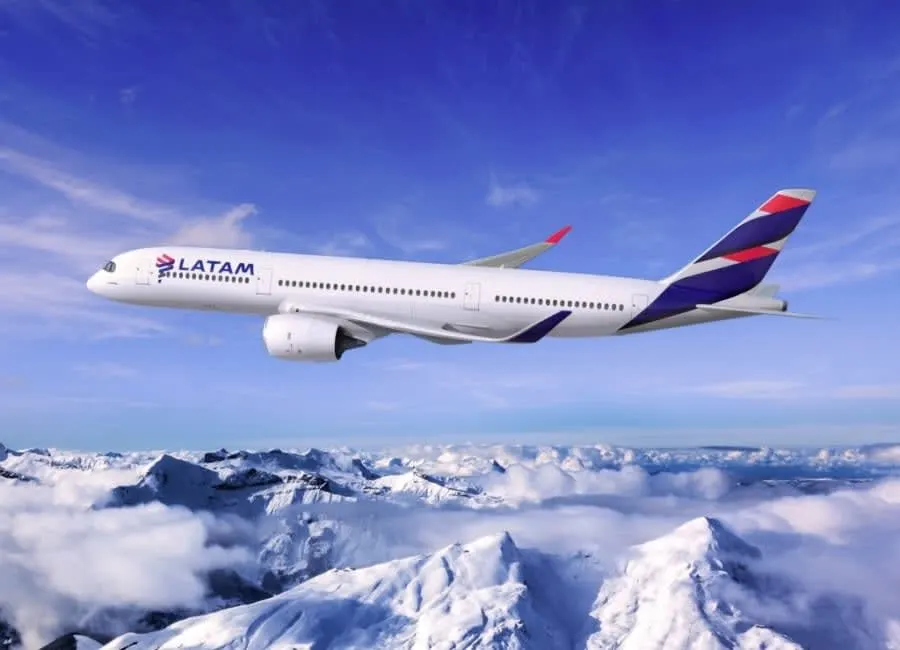
Metafuels Secures €1.92M Grant for Rotterdam e-SAF Project


Metafuels secured a €1.92 million grant from the Netherlands Enterprise Agency to advance its synthetic sustainable aviation fuel project in Rotterdam.
Key Takeaways
- •Secures €1.92 million grant from the Netherlands Enterprise Agency for a Rotterdam e-SAF facility.
- •Targets 2030 for commercial production, starting at 12,000 litres per day.
- •Utilizes 'aerobrew' Power-to-Liquid technology to meet ReFuelEU Aviation mandates.
- •Aims for a Final Investment Decision by mid-2026 to commence construction.
Swiss aviation technology company Metafuels has been awarded a €1.92 million grant from the Netherlands Enterprise Agency (RVO), formally known as Rijksdienst voor Ondernemend Nederland, to advance its synthetic sustainable aviation fuel (e-SAF) project in the Port of Rotterdam. The funding will support the Front-End Engineering and Design (FEED) phase for the company's first commercial-scale facility, which aims to begin production in 2030.
The grant represents a critical step in de-risking the project, dubbed 'Turbe', and moves it closer to a Final Investment Decision (FID) targeted for mid-2026. The facility will be located at the Evos terminal in Rotterdam and will utilize Metafuels' proprietary 'aerobrew' methanol-to-jet technology. This development is strategically timed to help airlines meet upcoming European Union mandates for synthetic fuel usage, positioning Rotterdam as a key hub in Europe's aviation energy transition.
Project Details and Technology
The Turbe project is designed to produce e-SAF through a Power-to-Liquid (PtL) pathway, which uses renewable electricity, green hydrogen, and captured carbon dioxide. According to Metafuels, this process can reduce lifecycle emissions by up to 90% compared to conventional fossil-based jet fuel. The initial production capacity is planned for 12,000 litres of e-SAF per day, with a proposed Phase 2 scale-up to 120,000 litres per day.
The FEED contract, supported by the grant from the Netherlands Enterprise Agency (RVO), has been awarded to McDermott Netherlands. This engineering phase is essential for finalizing the technical specifications and cost estimates required before capital can be committed for construction.
Saurabh Kapoor, Chief Executive Officer of Metafuels, stated that securing the RVO grant is a strong validation of their aerobrew technology and their approach to scaling e-SAF production. He emphasized that Rotterdam is an ideal European hub for delivering large-scale synthetic fuel projects.
Regulatory and Market Context
This project directly addresses the requirements of the ReFuelEU Aviation regulation. The EU mandate requires fuel suppliers to blend a minimum share of synthetic aviation fuels, starting at 1.2% in 2030 and increasing to 35% by 2050. This creates a guaranteed market for the Turbe facility's output and drives the urgency for projects like it across Europe.
The development also reflects a broader industry trend of shifting toward PtL e-SAF pathways. Unlike Hydroprocessed Esters and Fatty Acids (HEFA) SAF, which relies on constrained feedstocks like used cooking oils, e-SAF offers a more scalable long-term solution by leveraging renewable power and carbon capture.
e-SAF vs. HEFA SAF
| Metric | e-SAF (Power-to-Liquid) | HEFA SAF |
|---|---|---|
| Feedstock | Renewable electricity and captured CO2 | Waste oils and animal fats |
| Scalability | Unconstrained | Constrained by waste availability |
| Lifecycle Emissions Reduction | Up to 90% | 70-80% |
Stakeholder and Industry Impact
For European Airlines, particularly those operating out of major hubs like Amsterdam Schiphol, the project represents a crucial step toward securing a local, scalable supply of e-SAF to meet the 2030 blending mandates. The project's location in the Port of Rotterdam provides significant logistical advantages for distribution.
For project partner Evos Rotterdam, it secures a major tenant for renewable fuels and solidifies its terminal's position as a multimodal hub for both renewable methanol and e-SAF storage and handling. The project aligns with the Port of Rotterdam's larger strategy to become a central hub for low-carbon energy carriers.
What Comes Next
The immediate focus is on completing the FEED stage, which is now funded by the RVO grant. Following its successful completion, the next major milestone for the Turbe project is the Final Investment Decision (FID), which Metafuels and its partners expect to reach by mid-2026. If the FID is positive, construction will commence, with the first commercial production of e-SAF expected in 2030.
Why This Matters
This grant is more than just funding for a single project; it signals growing governmental support for scalable e-SAF technologies essential for aviation's decarbonization. By advancing one of Europe's first commercial-scale methanol-to-jet facilities, Metafuels is helping to build the supply chain necessary for airlines to comply with stringent future environmental regulations. The project serves as a key test case for the economic viability and technical feasibility of Power-to-Liquid fuel production at scale.
Frequently Asked Questions
- What is Metafuels' aerobrew technology?
- Metafuels' aerobrew is a proprietary methanol-to-jet technology that produces synthetic sustainable aviation fuel (e-SAF). It is a Power-to-Liquid process using renewable electricity, green hydrogen, and captured carbon, offering a scalable alternative to bio-based fuels with up to 90% lower lifecycle emissions.
- When will the Metafuels e-SAF plant in Rotterdam start production?
- The facility, known as the Turbe project, is targeting the start of commercial production in 2030. This timeline is contingent on a successful Final Investment Decision, which the company expects to make by the middle of 2026.
Visit omniflights.com for the latest commercial aviation news and airline industry updates. Discover how innovation is shaping aviation through aircraft systems, avionics, and digital tools at omniflights.com/technology.

Written by Hardik Vishwakarma
Co-Founder & Aviation News Editor leading initiatives that improve trust and visibility across the global aviation industry. Covers airlines, airports, safety, and emerging technology.
Visit ProfileYou Might Also Like

American Airlines Flies First U.S. eSAF Passenger Flight
Akasa Air Partners with BPCL to Advance SAF in India

Delta, Shell Aviation Ink 5-Year SAF Supply Agreement
Indonesia to Mandate 1% SAF Blend for Flights by 2027
Gulfstream G800 Completes 100% SAF High-Altitude Emissions Test