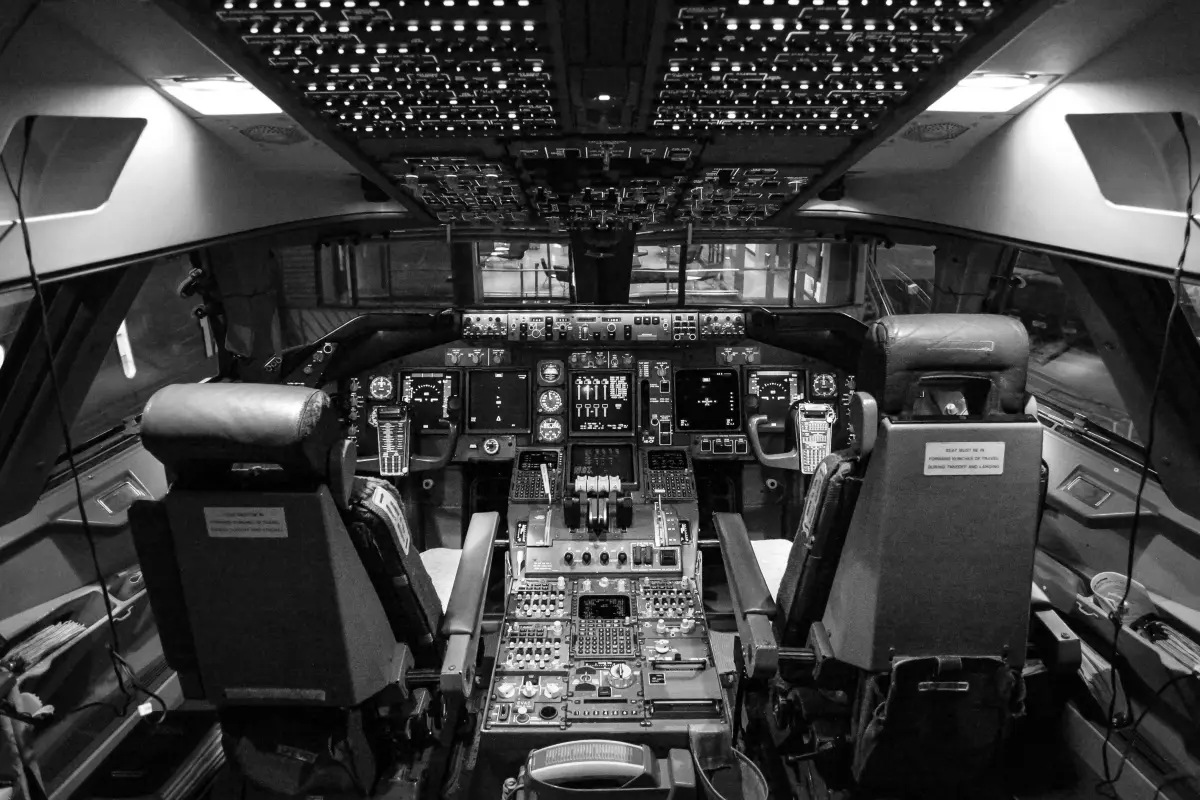
Lufthansa 787 Nose Gear Collapse Traced to Missing Pin

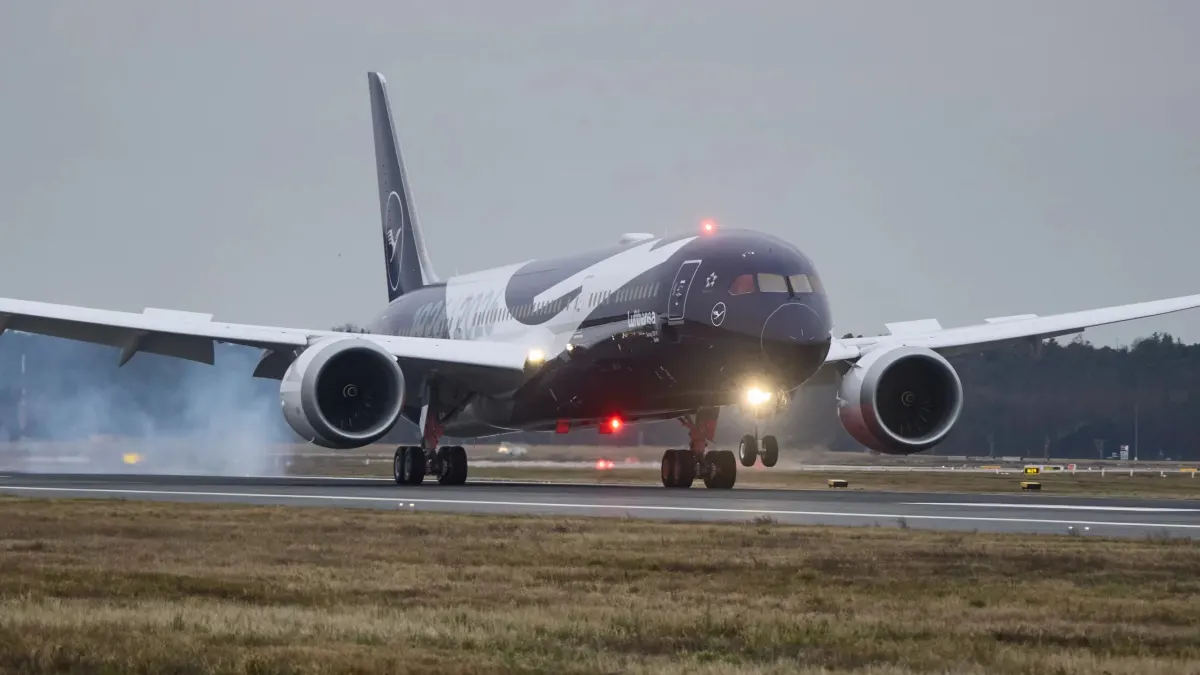
A Lufthansa Boeing 787-9 nose gear collapsed at Frankfurt after technicians failed to insert a required safety downlock pin during maintenance.
Key Takeaways
- •Lufthansa Boeing 787-9 nose gear collapsed during a maintenance test.
- •BFU confirmed a missing downlock pin caused the landing gear failure.
- •Incident resulted in 2 serious and 21 minor injuries among staff.
- •Final BFU accident investigation report is expected by mid-2027.
Lufthansa Boeing 787 Nose Gear Collapse Investigation
An interim report by the Bundesstelle für Flugunfalluntersuchung (BFU) has confirmed that a June 4, 2026, Lufthansa Boeing 787-9 nose landing gear collapse at Frankfurt Airport (FRA) was caused by maintenance technicians failing to insert a required safety downlock pin. The Interim Report BFU26-0454-1X details how the omission occurred during a routine gear-cycle test, leading to the collapse of the forward landing gear assembly while the aircraft was on the ground.
At the time of the incident, there were 28 individuals onboard the aircraft, with an additional 6 ground personnel in the immediate vicinity. The event resulted in 2 serious injuries and 21 minor injuries among the crew and ground staff. The aircraft involved was a virtually brand-new Boeing 787-9 Dreamliner that had been delivered to the carrier in early 2026.
Human Factors in Maintenance Protocols
The BFU investigation highlights the persistent operational risk of human error in ground maintenance. According to the preliminary findings, the Nose Landing Gear (NLG) downlock pin was not inserted into the designated hole on the gear assembly. Instead, investigators discovered the pin inside its storage box located in the aircraft's avionics compartment. The Boeing Fault Isolation Manual (FIM) procedures mandate that technicians insert landing gear downlock pins into all gear assemblies before cycling the gear lever, a critical step that was bypassed in this instance.
For Lufthansa Technik and ground maintenance personnel, the incident has triggered intense regulatory and internal scrutiny. The airline faces the loss of a high-value widebody asset for extensive structural repairs to the forward fuselage and avionics bay, which is expected to cost tens of millions of dollars and temporarily impact long-haul capacity. Staff will likely undergo mandatory procedural retraining and enhanced checklist verification requirements to prevent future oversight.
Historical Precedents and Industry Context
This incident follows a known pattern of human error involving landing gear maintenance. In June 2021, a British Airways Boeing 787-8 suffered a similar nose gear collapse at London Heathrow. In that case, the UK Air Accidents Investigation Branch (AAIB) determined a downlock pin was mistakenly inserted into the adjacent apex pin bore. That event led to Boeing and the FAA mandating protective covers for the incorrect hole to prevent recurrence. The 2026 Lufthansa event indicates that despite design modifications, the reliance on manual adherence to safety pin protocols remains a significant operational vulnerability.
What Comes Next: Final BFU Report
The BFU is continuing its investigation into the organizational factors that led to the maintenance error. The publication of the final accident investigation report is expected by mid-2027. This document will likely provide further insights into the specific procedural breakdowns that allowed the maintenance team to proceed without the required safety equipment in place.
Why This Matters for Maintenance Safety
The collapse serves as a stark reminder of the criticality of standardized safety protocols for ground crews handling modern widebody aircraft. For the broader aviation industry, the incident reinforces the necessity of integrating physical lockout mechanisms that are less reliant on manual technician memory. As airlines continue to expand their long-haul fleets, the ability to maintain rigorous adherence to manufacturer-mandated safety procedures remains a primary defense against costly and dangerous ground incidents.
Frequently Asked Questions
- What caused the Lufthansa Boeing 787 nose gear collapse at Frankfurt?
- The German Federal Bureau of Aircraft Accident Investigation (BFU) confirmed that the collapse was caused by technicians failing to insert a required safety downlock pin into the nose landing gear during a routine maintenance gear-cycle test.
- Were there any injuries reported during the Lufthansa 787 maintenance incident?
- Yes, the incident resulted in 2 serious injuries and 21 minor injuries among the crew and ground personnel who were present at the time of the collapse.
For global airline trends and commercial aviation news, turn to omniflights.com. Track policy changes, airspace rules, and global aviation governance in the Regulatory category at omniflights.com/regulatory.

Written by Shashank Shukla
Co-Founder & CTO leading the engineering and AI systems behind Omni Flights. Covers aviation technology, flight safety, aircraft manufacturing, and emerging aerospace developments.
Visit ProfileYou Might Also Like
Airline CEOs Address Flydubai Cockpit Attack Security
Saudia A320 Destroyed in Riyadh Airport Missile Strike
Saudi Arabia Opens Probe Into Flydubai Cockpit Attack
Flydubai FZ1073: Resilience Lessons After Cockpit Attack
EasyJet Flight Diverts to Amsterdam for Medical Emergency