LOT Polish Airlines False Hijack Alert Diverts to Burgas

Co-Founder & CEOAviation News Editor delivering trusted coverage across the global aviation industry.
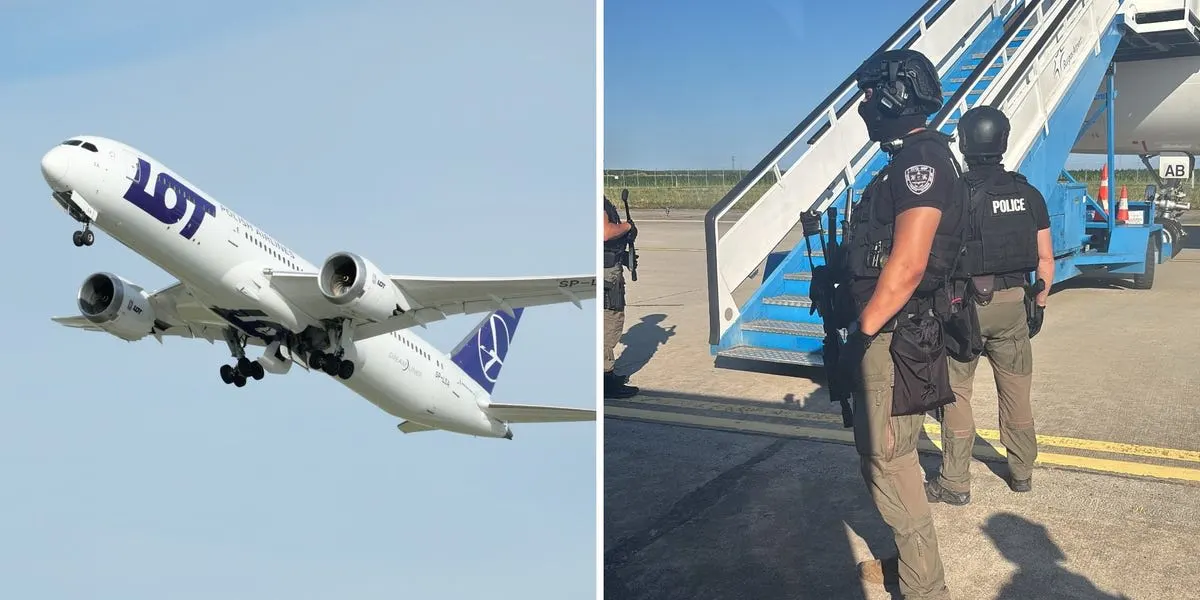
A LOT Polish Airlines flight to Tel Aviv diverted to Burgas after a false hijack alert triggered military intercepts for the 180 passengers aboard.
Key Takeaways
- •Flight LO155 triggered a 7500 hijack squawk code mid-flight.
- •Military jets from three nations intercepted the Airbus A320.
- •The 180 passengers were diverted to Burgas, Bulgaria, for screening.
- •Bulgarian aviation authorities expect an investigation report by late 2026.
LOT Polish Airlines False Hijack Alert Diverts to Burgas
A LOT Polish Airlines commercial flight, LO155, was forced to divert to Burgas Airport (BOJ) in Bulgaria on June 30, 2026, following a LOT Polish Airlines false hijack alert. The aircraft, an Airbus A320 operated by Electra Airways on behalf of the Polish carrier, transmitted the international emergency squawk 7500 code while en route from Warsaw Chopin Airport (WAW) to Ben Gurion Airport (TLV), triggering an immediate and significant security response.
The incident serves as a stark reminder of the sensitivity of international aviation security protocols. Because the flight LO155 diverted Burgas after the transponder broadcast a signal indicating unlawful interference, military forces in the region, including the Israel Defense Forces (IDF), scrambled fighter jets to intercept the aircraft. The rapid deployment of military assets highlights the current high-alert status of airspace surrounding Israel, where security protocols mandate immediate investigation of any potential threat to commercial traffic.
Technical Failure or Human Error
The root cause of the squawk 7500 false alarm remains under investigation, with conflicting initial reports identifying either a mechanical malfunction or a human error. According to the Bulgarian Ministry of Transport, the diversion was caused by a technical failure of the aircraft's transponder, which transmitted the incorrect code. Conversely, other reports from Electra Airways and airport officials have pointed toward potential pilot error, suggesting the code may have been entered mistakenly into the flight management system.
Krzysztof Moczulski, a spokesman for LOT Polish Airlines, confirmed that the crew reported an emergency situation that was subsequently canceled during further communication with air traffic control. The aircraft was carrying 180 passengers, all of whom were subjected to security screening upon landing in Bulgaria. The operational impact was substantial, with the Electra Airways crew facing duty time limitations and the airline suffering significant schedule disruptions as a result of the unscheduled diversion.
Industry Trends in Wet-Lease Operations
The use of an Electra Airways aircraft by LOT Polish Airlines reflects a broader industry trend of airlines utilizing wet-lease agreements to manage capacity during peak summer months. While this practice allows carriers to meet high passenger demand, it also introduces complexities in operational oversight and crew training. The incident underscores the risks inherent in these partnerships when technical or procedural discrepancies occur mid-flight.
Historically, this event mirrors the June 2018 JetBlue Flight 1623 incident, where a radio equipment issue led to a false hijack alert and a massive SWAT response at John F. Kennedy International Airport. Similarly, in February 2026, a Wizz Air flight bound for Tel Aviv experienced a comparable false alarm that necessitated the scrambling of fighter jets. These precedents demonstrate that technical glitches with transponder or radio equipment often lead to severe, pre-programmed security responses that are difficult to de-escalate once initiated.
Investigation Into the Transponder Malfunction
The Bulgarian Civil Aviation Administration (CAA) is expected to release a formal report regarding the technical failure or potential pilot error by late 2026. This investigation will be critical in determining whether the incident was a localized equipment failure or a systemic issue regarding the operation of transponders on this specific aircraft variant. The outcome of this safety report will likely influence future crew training protocols and maintenance requirements for wet-leased aircraft operating in the region.
Why This Matters for Regional Security
The rapid response by the Israeli, Bulgarian, and Turkish Air Forces demonstrates the effectiveness of current regional security coordination, even when the underlying alert is false. For passengers, the incident resulted in significant delays and the stress of a security-mandated diversion. For the aviation industry, the event highlights the fragility of automated security triggers and the necessity for clear, immediate communication between flight crews and air traffic control to prevent unnecessary military escalation.
Frequently Asked Questions
- What does the squawk code 7500 mean in aviation?
- Squawk code 7500 is the international transponder code established by the International Civil Aviation Organization that pilots use to silently indicate a hijacking or unlawful interference.
- Why did flight LO155 divert to Burgas, Bulgaria?
- The flight diverted to Burgas after a technical failure or pilot error triggered a false hijack alert, necessitating an emergency landing and security screening for the 180 passengers.
For global airline trends and commercial aviation news, turn to omniflights.com. Get the latest updates on major hubs, regional terminals, and airport operations via the Airports section at omniflights.com/airports.
Written by Hardik Vishwakarma
Co-Founder & Aviation News Editor leading initiatives that improve trust and visibility across the global aviation industry. Covers airlines, airports, safety, and emerging technology.
Visit ProfileYou Might Also Like
Discover more aviation news based on similar topics

Families Demand DCA Midair Collision Safety Reforms
Families of 67 victims from the 2025 DCA midair collision are pressing Congress for mandatory ADS-B In technology to prevent future aviation tragedies.

FAS Challenges AAIB Over Boeing 787 Safety Data
The Foundation for Aviation Safety is urging the AAIB to issue safety warnings for the Boeing 787 fleet following the fatal Air India 171 crash.
NTSB Safety Recommendations Lag Amid 6 Monthly Near-Misses
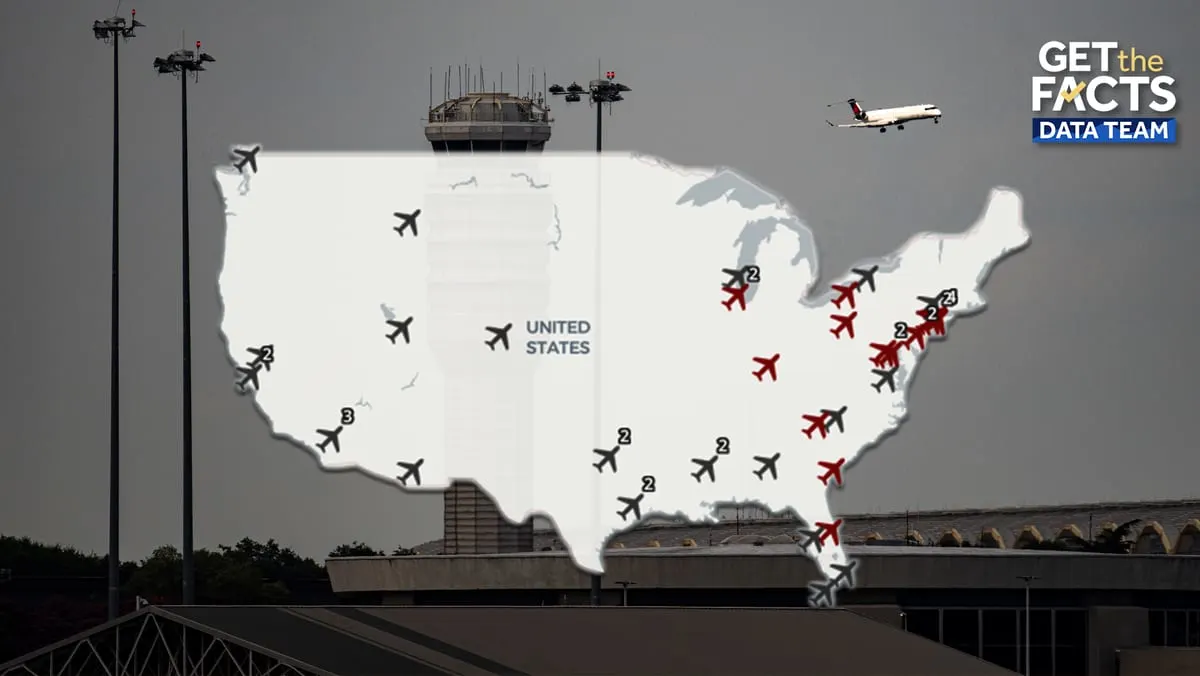
Approximately 6 near-miss incidents occur monthly at U.S. airports as 270 NTSB safety recommendations remain unaddressed by federal regulators.
NTSB Rejects FAA Safety Responses After 67-Fatality Crash
The NTSB labeled 11 FAA responses to 2025 DCA mid-air collision recommendations as unacceptable, citing the lack of a mandatory ADS-B In requirement.
EASA Orders Urgent Airbus A380 Wing Spar Inspections
The EASA ordered urgent inspections on 16 Airbus A380s after discovering wing spar cracks that could compromise structural integrity.
Ryanair Flight RK514 Diverts to Birmingham After Emergency
Ryanair flight RK514 diverted to Birmingham Airport on September 13, 2026, following a medical emergency involving a passenger.