Kuwait International Airport Radar Damaged in Multiple Drone Strikes

Co-Founder & CEOAviation News Editor delivering trusted coverage across the global aviation industry.
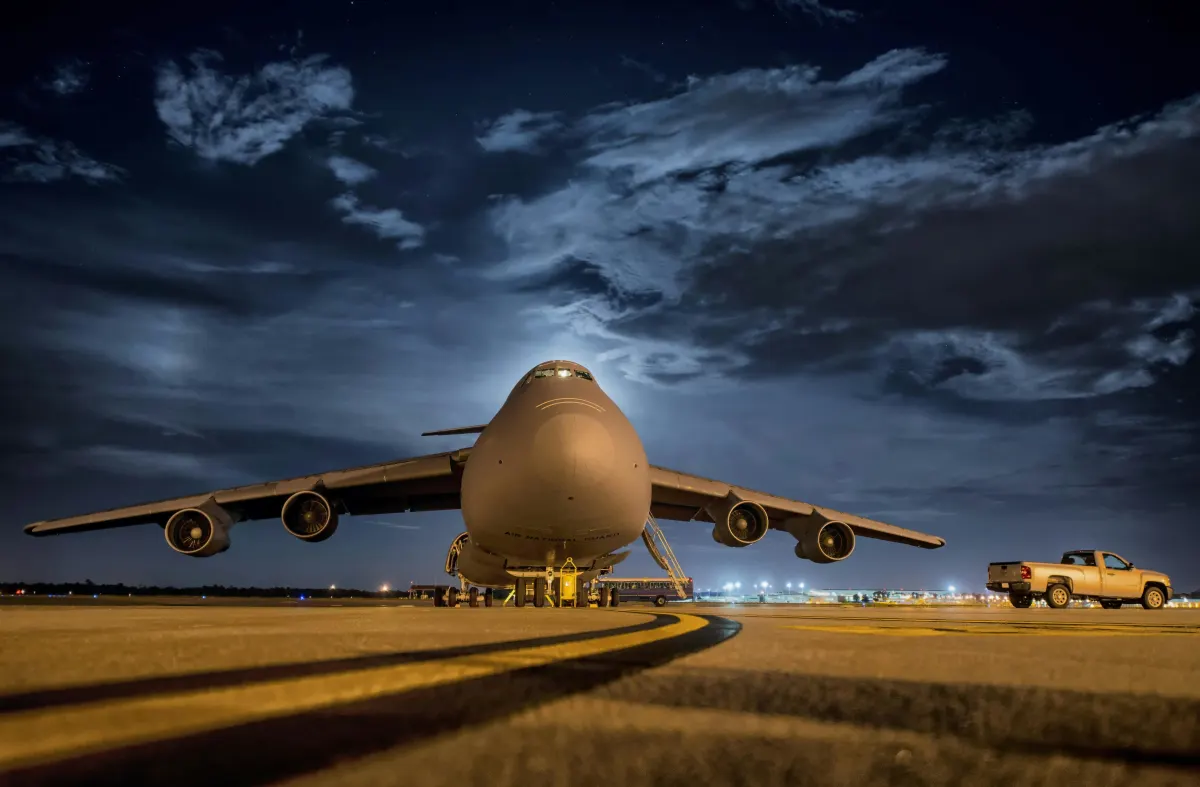
Drone attacks on Kuwait International Airport damaged its radar system, causing substantial disruptions to air traffic and regional airspace security.
Key Takeaways
- •Damaged Kuwait International Airport's primary radar system via multiple drone strikes.
- •Caused substantial air traffic control disruptions with no reported casualties.
- •Follows a pattern of similar attacks on civilian airports in Saudi Arabia and the UAE.
- •Prompts immediate issuance of new security NOTAMs for Kuwaiti airspace.
Multiple drone attacks struck Kuwait International Airport (KWI) on Saturday, causing significant damage to its primary radar system and disrupting air traffic control. The country's Directorate General of Civil Aviation (DGCA) confirmed the incident in a statement, noting that while the attack caused substantial operational disruption, no injuries or casualties were reported.
Abdullah Al-Rajhi, the official spokesperson for the DGCA, stated via the state-run Kuwait News Agency (KUNA) that emergency response teams were immediately dispatched to assess and contain the situation. The damage to the airport's radar infrastructure represents a serious challenge to air navigation services, forcing a temporary reliance on procedural control methods. This significantly reduces airspace capacity and increases the workload for air traffic controllers, impacting flight schedules for key operators such as Kuwait Airways and Jazeera Airways.
Operational and Security Impact
The targeting of a primary radar system is a critical blow to airport operations. Radar provides air traffic controllers with real-time surveillance of aircraft, allowing for safe and efficient separation. Without it, controllers must revert to procedural control, which relies on pilot position reports and time-based separation standards. This method is far less efficient, leading to inevitable flight delays, diversions, and cancellations.
The DGCA immediately activated its Emergency Response and Airspace Security Protocols to manage the fallout. The immediate impact was felt by airlines operating at KWI, which faced delays and potential rerouting. For regional airspace users, the incident introduces new security risks and the possibility of avoiding Kuwaiti airspace until full surveillance capabilities are restored. The official response is being coordinated through the Directorate General of Civil Aviation (DGCA), which is managing the security and operational updates.
A Pattern of Regional Attacks
This drone strike on Kuwaiti aviation infrastructure is not an isolated event but rather follows an established pattern of targeting civilian airports in the Middle East. The incident occurs amid heightened regional tensions following joint U.S.-Israeli military actions against Iran, which has since launched retaliatory strikes on U.S. and Israeli assets. The use of unmanned aerial vehicles (UAVs) to disrupt critical infrastructure has become a common tactic.
Historical precedents underscore the vulnerability of major aviation hubs. In August 2021, a Houthi drone attack on Abha International Airport in Saudi Arabia wounded eight people and damaged a civilian aircraft, temporarily halting flights. A more severe incident occurred in January 2022, when a drone attack on Abu Dhabi International Airport killed three people and injured six. These events demonstrate a clear and escalating threat to civil aviation, where airports are treated as strategic targets.
What Comes Next
In response to the attack, Kuwaiti authorities are moving forward with immediate security enhancements and long-term repairs. The DGCA has confirmed it will issue updated security Notices to Airmen (NOTAMs) for Kuwaiti airspace in March 2026 to advise all operators of the new conditions and potential restrictions.
The more significant task is the restoration of the damaged radar infrastructure at KWI. According to official expectations, the repair and replacement work is projected to be completed during the second quarter of 2026. Until then, the airport will operate with reduced capacity, and airlines will need to adjust their schedules accordingly. The timeline for a full return to normal operations remains subject to the progress of these repairs and the evolving regional security situation.
Why This Matters
This attack on Kuwait International Airport signals a serious escalation in the use of drone technology to target critical civilian infrastructure. It demonstrates that major international airports are vulnerable to asymmetric warfare, forcing a global reassessment of aviation security protocols. For airlines, regulators, and passengers, the incident highlights a new dimension of risk that extends beyond traditional security threats and directly impacts the safety and reliability of air travel in volatile regions.
From airline operations to fleet updates, commercial aviation news lives at omniflights.com. For detailed airline coverage, route changes, and fleet moves, explore the Airlines section at omniflights.com/airlines.
Written by Hardik Vishwakarma
Co-Founder & Aviation News Editor leading initiatives that improve trust and visibility across the global aviation industry. Covers airlines, airports, safety, and emerging technology.
Visit ProfileYou Might Also Like
Discover more aviation news based on similar topics

Families Demand DCA Midair Collision Safety Reforms
Families of 67 victims from the 2025 DCA midair collision are pressing Congress for mandatory ADS-B In technology to prevent future aviation tragedies.

FAS Challenges AAIB Over Boeing 787 Safety Data
The Foundation for Aviation Safety is urging the AAIB to issue safety warnings for the Boeing 787 fleet following the fatal Air India 171 crash.
NTSB Safety Recommendations Lag Amid 6 Monthly Near-Misses
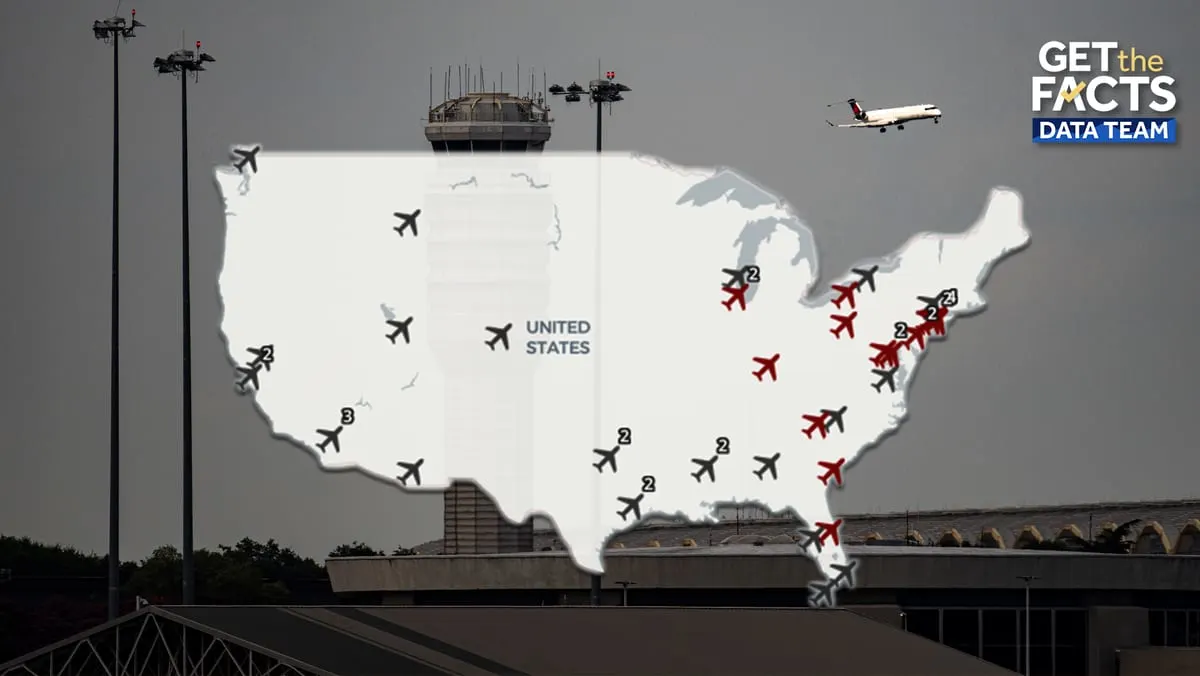
Approximately 6 near-miss incidents occur monthly at U.S. airports as 270 NTSB safety recommendations remain unaddressed by federal regulators.
NTSB Rejects FAA Safety Responses After 67-Fatality Crash
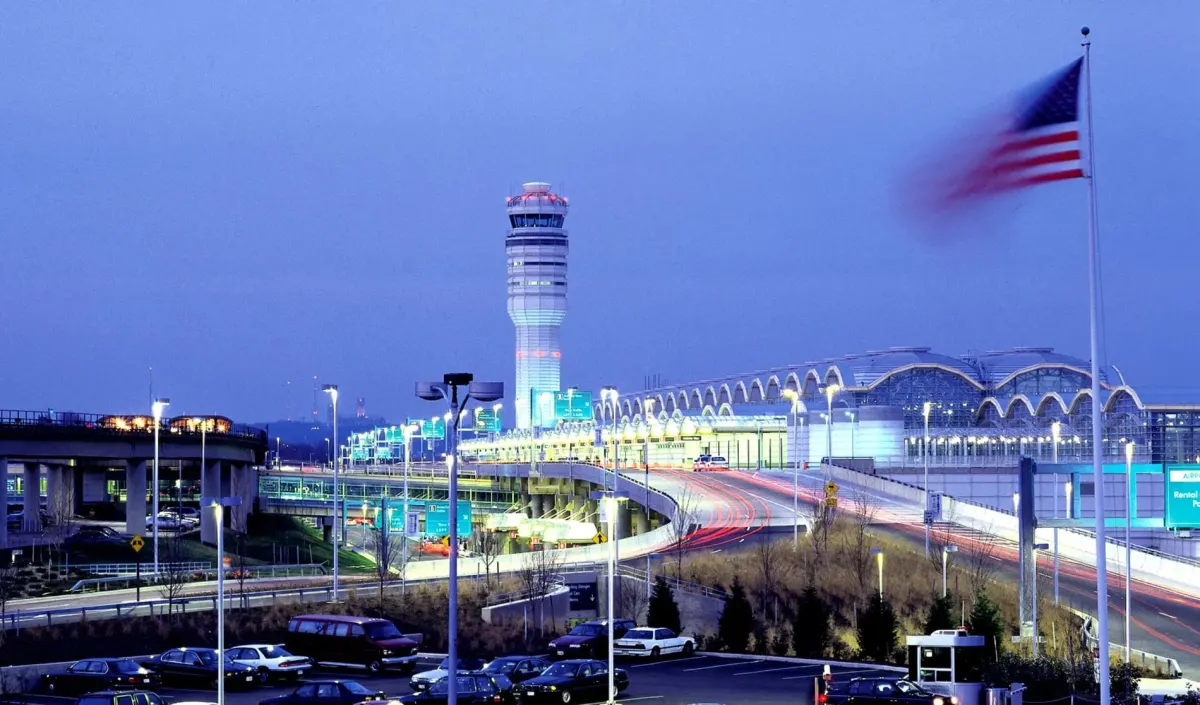
The NTSB labeled 11 FAA responses to 2025 DCA mid-air collision recommendations as unacceptable, citing the lack of a mandatory ADS-B In requirement.
EASA Orders Urgent Airbus A380 Wing Spar Inspections
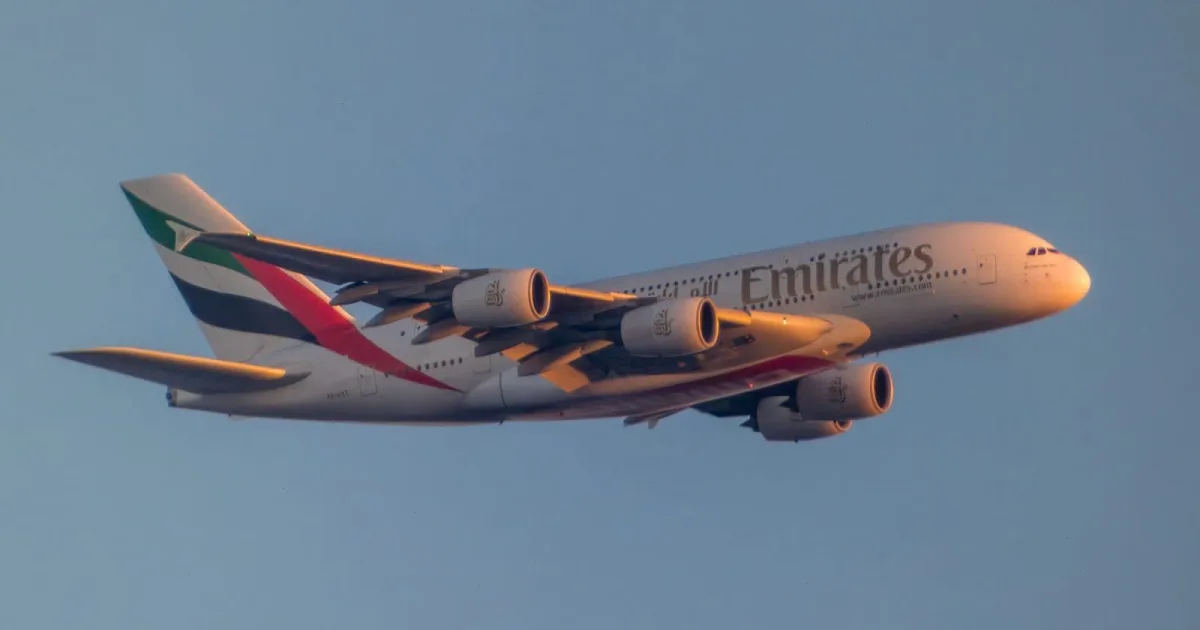
The EASA ordered urgent inspections on 16 Airbus A380s after discovering wing spar cracks that could compromise structural integrity.

Ryanair Flight RK514 Diverts to Birmingham After Emergency
Ryanair flight RK514 diverted to Birmingham Airport on September 13, 2026, following a medical emergency involving a passenger.