Kodiak 100 Seaplane Makes Hard Landing in NYC East River

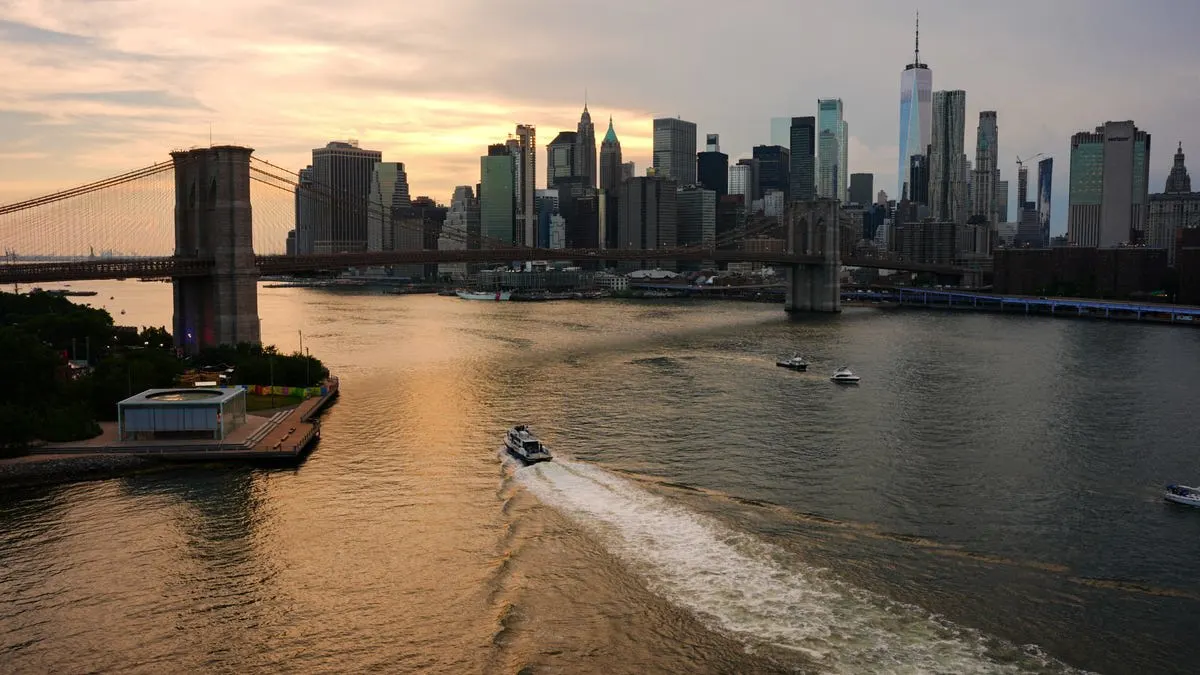
A Kodiak 100 seaplane made a hard landing in New York City's East River on July 5, 2026, forcing a water rescue of all eight occupants aboard.
Key Takeaways
- •Eight people were rescued after a Kodiak 100 made a hard landing.
- •The incident occurred on July 5, 2026, in New York City's East River.
- •FAA investigators are analyzing a snapped wing strut to determine the cause.
- •Two passengers sustained minor injuries but declined medical transport.
Incident Overview and Rescue Operations
A Kodiak 100 seaplane experienced a Kodiak 100 seaplane crash event on July 5, 2026, after making a hard landing in New York City’s East River. The incident, which occurred at approximately 12:00 p.m. local time, prompted an immediate emergency response near the FDR Drive and East 23rd Street in Manhattan. All eight passengers and crew members were safely evacuated from the aircraft by units from the FDNY (New York City Fire Department). While two individuals sustained minor injuries, both declined medical transport at the scene. The aircraft remained upright in the water following the landing and was subsequently towed to a nearby dock.
FAA Investigation and Preliminary Findings
The FAA (Federal Aviation Administration) has confirmed it is investigating the incident. According to FAA Statements on Aviation Accidents and Incidents, the pilot of the aircraft "made a hard landing" in the East River, which caused a wing strut to snap. The agency noted that air traffic control was not providing services to the aircraft at the time of the landing. The flight was a scheduled commuter service originating from East Hampton Airport and was destined for the New York Skyport, the city’s primary seaplane terminal.
Urban Waterway Operational Context
This event highlights the complexities of East River hard landing scenarios and the broader challenges of urban air mobility. Commercial commuter routes between the Hamptons and Manhattan see peak seasonal frequency, requiring operators to navigate congested waterways characterized by dynamic tidal flows and heavy ferry traffic. The NYC Skyport accident follows a similar incident just three weeks prior on June 13, 2026, where a seaplane clipped a wave during takeoff near Whitestone, Queens, necessitating a rescue of two occupants. These events have reignited discussions among local community boards regarding the safety and noise impact of commercial seaplane operations in high-density urban corridors.
Daher Kodiak 100 vs. Cessna 208 Caravan: Key Specifications
| Metric | Daher Kodiak 100 | Cessna 208 Caravan |
|---|---|---|
| Max Cruise Speed | 183 KTAS | 186 KTAS |
| Max Range | 1,132 nm | 1,070 nm |
| Standard Useful Load | 3,530 lbs | 3,305 lbs |
The Path to Probable Cause
The FDNY water rescue operation underscores the effectiveness of established emergency protocols for the East River, which have been refined following historical precedents such as the 2009 ditching of US Airways Flight 1549. The NTSB (National Transportation Safety Board) is expected to release a preliminary accident report by late July 2026. This investigation will focus on whether the wing strut failure was a result of pilot error, environmental factors like hidden wakes, or mechanical limitations during water-surface impact. A final determination of probable cause from the FAA is not anticipated until mid-to-late 2027.
Why This Matters for Urban Air Mobility
For commuters and operators, the incident signals a period of heightened regulatory scrutiny for the New York Skyport. Stakeholders, including commuter operators, may face temporary operational disruptions or the introduction of new wake-avoidance protocols. As the industry scales, the structural integrity of pontoon struts under varied landing conditions remains a critical focus for manufacturers like Daher, ensuring that the safety margins of the Kodiak 100 align with the demanding requirements of high-frequency urban water operations.
Frequently Asked Questions
- What caused the Kodiak 100 to make a hard landing in the East River?
- The Federal Aviation Administration reported that the aircraft made a hard landing which resulted in a snapped wing strut. The agency is currently investigating to determine the primary cause, including potential factors like pilot error or environmental conditions.
- Were there any injuries reported during the seaplane rescue?
- Yes, two of the eight people on board sustained minor injuries during the incident. Both individuals declined medical attention at the scene.
omniflights.com provides comprehensive commercial aviation news covering airlines, aircraft, and airports. Track policy changes, airspace rules, and global aviation governance in the Regulatory category at omniflights.com/regulatory.

Written by Hardik Vishwakarma
Co-Founder & Aviation News Editor leading initiatives that improve trust and visibility across the global aviation industry. Covers airlines, airports, safety, and emerging technology.
Visit ProfileYou Might Also Like

Flydubai FZ1073: Co-pilot Used Axe in Hijacking Attempt

FlyDubai FZ1073 Co-Pilot Had Prior Extremism Concerns

Flydubai FZ1073: Pilot Attempted Terrorist Act, UAE Says
Flydubai FZ1073 Cockpit Attack: Inside the Terror Attempt
21 Air 767 Crash: NTSB Report Details Fatal MIA Overrun