JFE and Toyama University Develop High-Yield SAF Catalyst

Co-Founder & CEOAviation News Editor delivering trusted coverage across the global aviation industry.

JFE Engineering and the University of Toyama developed a new catalyst that doubles Sustainable Aviation Fuel yield, simplifying Fischer-Tropsch production.
Key Takeaways
- •Achieves a world-class yield of over 50% for SAF-suitable hydrocarbons
- •Doubles fuel output compared to conventional Fischer-Tropsch methods
- •Eliminates the need for a secondary hydrocracking refining step
- •Reduces capital costs and hydrogen requirements for new SAF plants
Japan-based JFE Engineering Corporation, in collaboration with the University of Toyama, has developed a novel catalyst for producing Sustainable Aviation Fuel (SAF) that achieves a world-class yield of more than 50%. The new technology, used in Fischer-Tropsch (FT) synthesis, effectively doubles the output of conventional methods by eliminating a costly and complex secondary refining stage.
The breakthrough addresses a critical bottleneck in the production of synthetic fuels, which are essential for aviation to meet its decarbonization targets. By removing the need for a separate hydrocracking process, the catalyst not only increases the volume of usable fuel from a given amount of feedstock but also significantly reduces the capital expenditure and hydrogen requirements for new SAF production facilities. This development could accelerate the industry's shift away from feedstocks with supply constraints, such as used cooking oils.
Catalyst Performance and Process Simplification
According to a March 27, 2026, press release from JFE Engineering Corporation, the new catalyst directly produces a high proportion of liquid hydrocarbons in the jet fuel range. Conventional Fischer-Tropsch (FT) synthesis, a process that converts carbon monoxide and hydrogen into liquid fuels, typically yields only around 25% SAF. The remaining output consists of other hydrocarbon waxes that must undergo an energy-intensive hydrocracking process to be converted into usable jet fuel, resulting in significant efficiency losses.
The JFE and University of Toyama innovation streamlines this into a single-step process. This simplification is a key trend in the synthetic fuels sector, as it lowers the economic barrier to entry for new producers. For stakeholders like SAF refiners, the elimination of hydrocracking units translates directly to lower initial investment and reduced operational costs. Airlines, in turn, stand to benefit from a potential increase in domestic SAF supply and more competitive pricing as production becomes more efficient.
Industry and Regulatory Context
The development arrives as the aviation industry faces mounting pressure to adopt lower-carbon fuels. Global regulations, including the International Civil Aviation Organization's (ICAO) Carbon Offsetting and Reduction Scheme for International Aviation (CORSIA) and the European Union's ReFuelEU Aviation initiative, mandate increasing levels of SAF blending in the coming years. Meeting these targets requires a rapid scaling of SAF production from diverse sources.
Currently, the dominant SAF production pathway is Hydroprocessed Esters and Fatty Acids (HEFA), which primarily uses waste fats and used cooking oil. However, with HEFA feedstocks facing supply limitations, the industry is increasingly focused on alternatives like biomass, municipal solid waste, and e-fuels produced via Power-to-Liquid (PtL) pathways, all of which rely on FT synthesis. This catalyst directly supports the viability of these next-generation fuel sources.
JFE/Toyama Catalyst vs. Conventional FT Synthesis
| Metric | New JFE/Toyama FT Catalyst | Conventional FT Synthesis |
|---|---|---|
| SAF Yield | >50% | ~25% |
| Hydrocracking Requirement | Eliminated | Required |
| Additional Hydrogen Input | Reduced | High |
Technical Analysis
This breakthrough continues a trend seen in advanced catalyst research, echoing a 2020 development at Oxford University where scientists demonstrated a catalyst that directly converted CO2 into jet fuel hydrocarbons in a lab setting. Both innovations underscore a strategic shift toward process intensification in synthetic fuel production. By creating catalysts that are more selective for jet-fuel-range molecules, researchers can bypass entire stages of traditional refining, fundamentally altering the economics of SAF production.
The JFE and University of Toyama catalyst appears to solve the dual problem of yield and complexity that has hampered the scalability of FT-based SAF. Its ability to reduce hydrogen consumption is particularly significant, as the production of green hydrogen is a major cost driver for e-fuels. While economic analysts note that the overall cost of green hydrogen and carbon capture remains high compared to the established HEFA pathway, innovations that drastically improve conversion efficiency are critical to closing that gap. This development indicates a tangible step toward making synthetic fuels a commercially competitive alternative.
What Comes Next
JFE Engineering and the University of Toyama, building on prior research led by Professor Noritatsu Tsubaki, stated they will continue to advance SAF synthesis processes utilizing this new catalyst. The immediate goal is to refine the technology for commercial-scale applications. Further testing and process validation will be required before the catalyst can be integrated into new or existing SAF production plants. The timeline for commercial deployment was not disclosed.
Why This Matters
This catalyst development represents a significant technological advancement in the quest for scalable and cost-effective Sustainable Aviation Fuel. By more than doubling the yield and simplifying the production process, it directly addresses two of the biggest barriers to widespread SAF adoption. The innovation strengthens the viability of synthetic fuel pathways, which are crucial for the long-term decarbonization of the aviation sector.
omniflights.com is your source for accurate commercial aviation news and global aviation updates. Get the latest updates on major hubs, regional terminals, and airport operations via the Airports section at omniflights.com/airports.
Written by Hardik Vishwakarma
Co-Founder & Aviation News Editor leading initiatives that improve trust and visibility across the global aviation industry. Covers airlines, airports, safety, and emerging technology.
Visit ProfileYou Might Also Like
Discover more aviation news based on similar topics

American Airlines Flies First U.S. eSAF Passenger Flight
American Airlines completed the first U.S. commercial flight using Infinium eSAF, a synthetic fuel that reduces lifecycle emissions by over 90%.
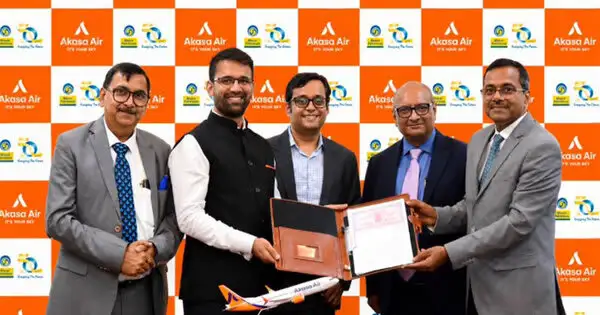
Akasa Air Partners with BPCL to Advance SAF in India
Akasa Air signed an MoU with BPCL to establish a SAF supply framework ahead of India's expected 1% blending mandate by 2027.

Delta, Shell Aviation Ink 5-Year SAF Supply Agreement
Delta Air Lines and Shell Aviation have signed a five-year agreement to supply Sustainable Aviation Fuel across five major U.S. hubs through 2030.
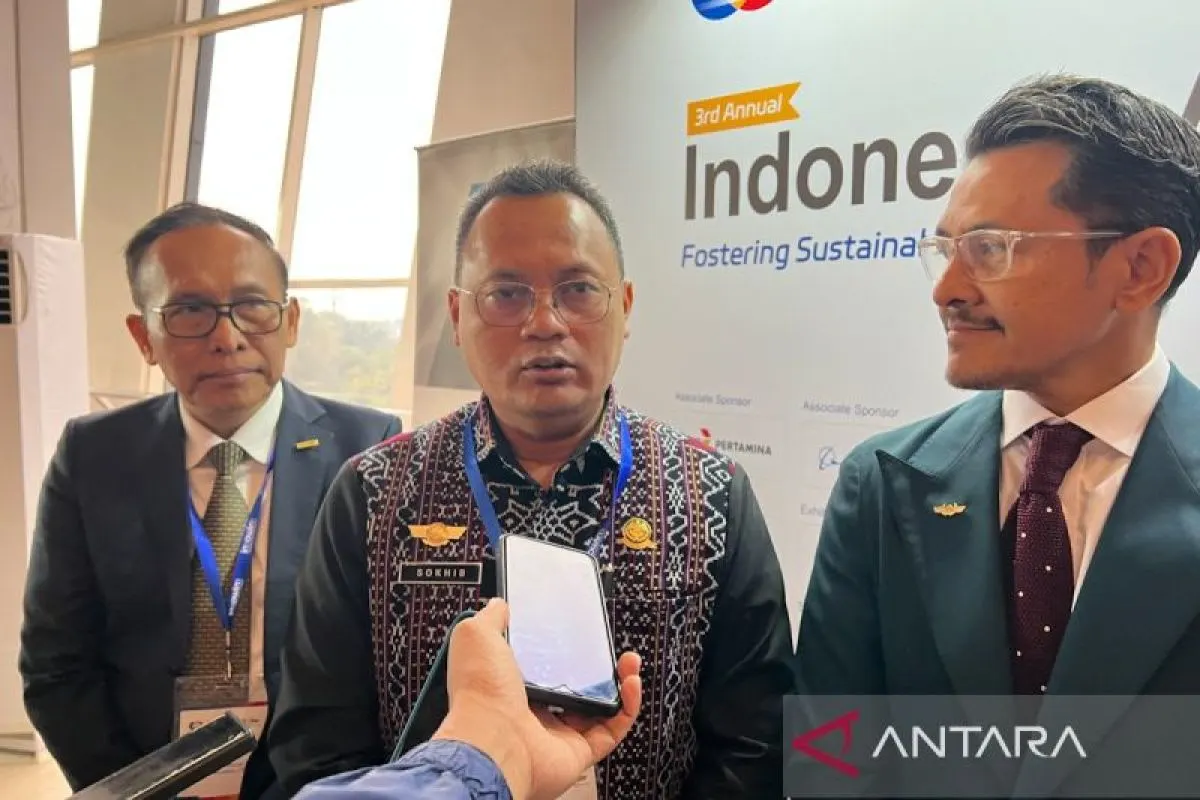
Indonesia to Mandate 1% SAF Blend for Flights by 2027
Indonesia will require a 1% Sustainable Aviation Fuel blend on international flights departing from Jakarta and Bali starting in 2027.
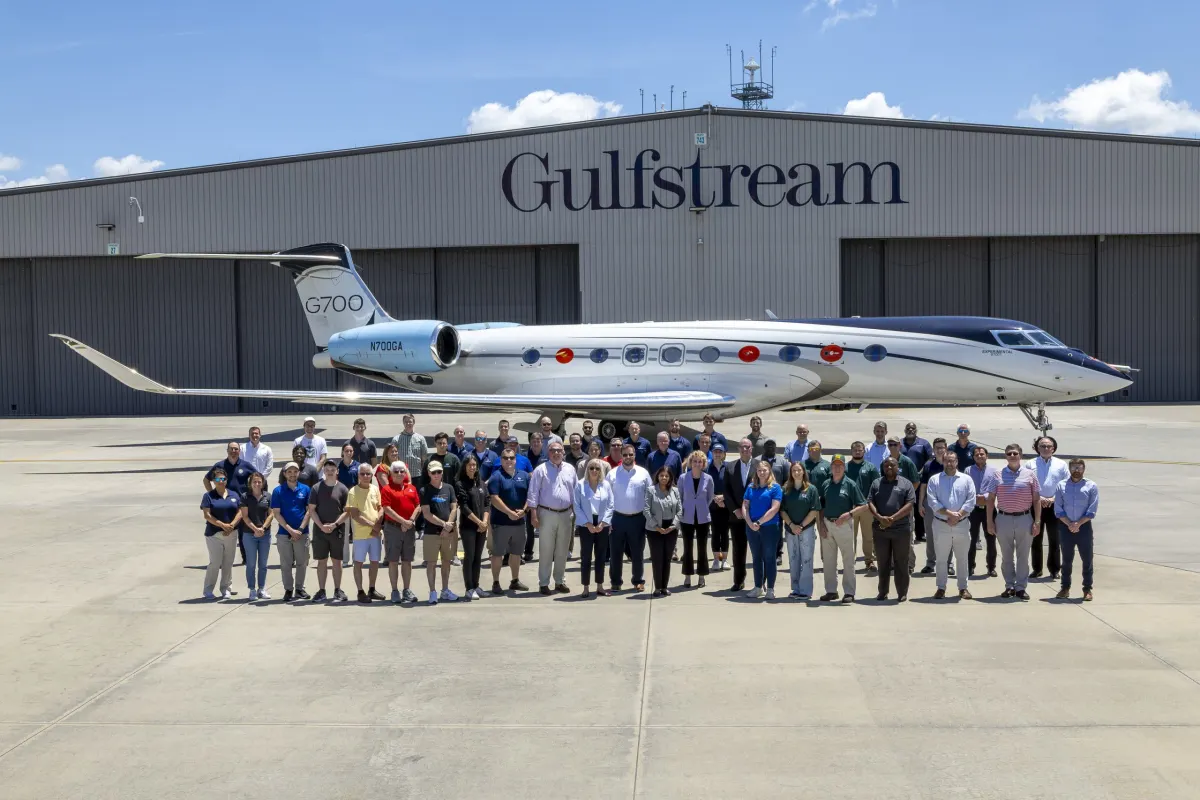
Gulfstream G800 Completes 100% SAF High-Altitude Emissions Test
Gulfstream tested 100% SAF on a G800 at 50,000 feet to measure emissions, marking a key step toward certifying unblended synthetic fuels.
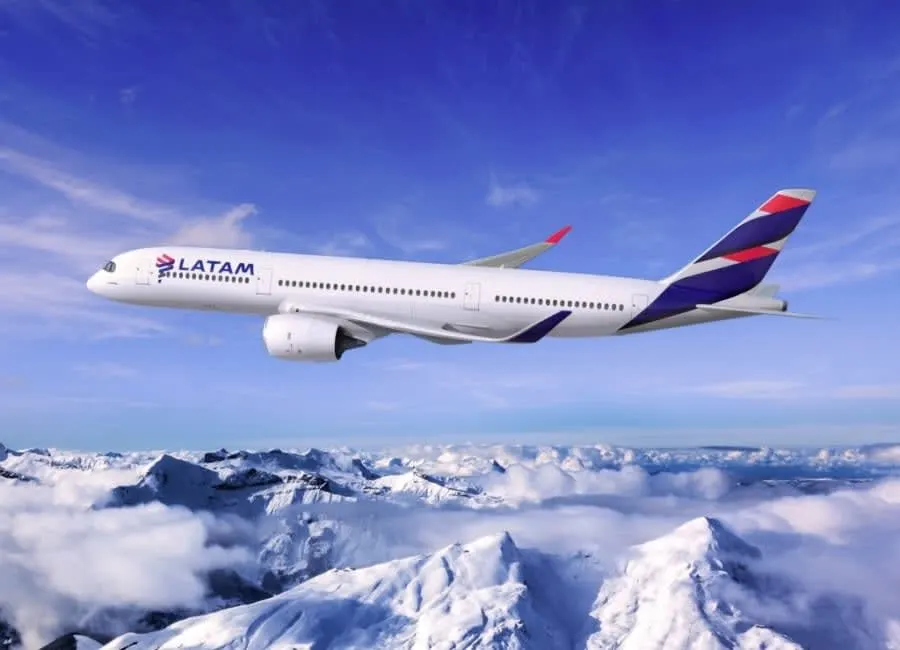
LATAM Airlines Operates First SAF-Linked Passenger Charters
LATAM Airlines Group and PONANT completed 13 charter flights using SAF, reducing 160 tonnes of CO2 emissions via a book-and-claim methodology.