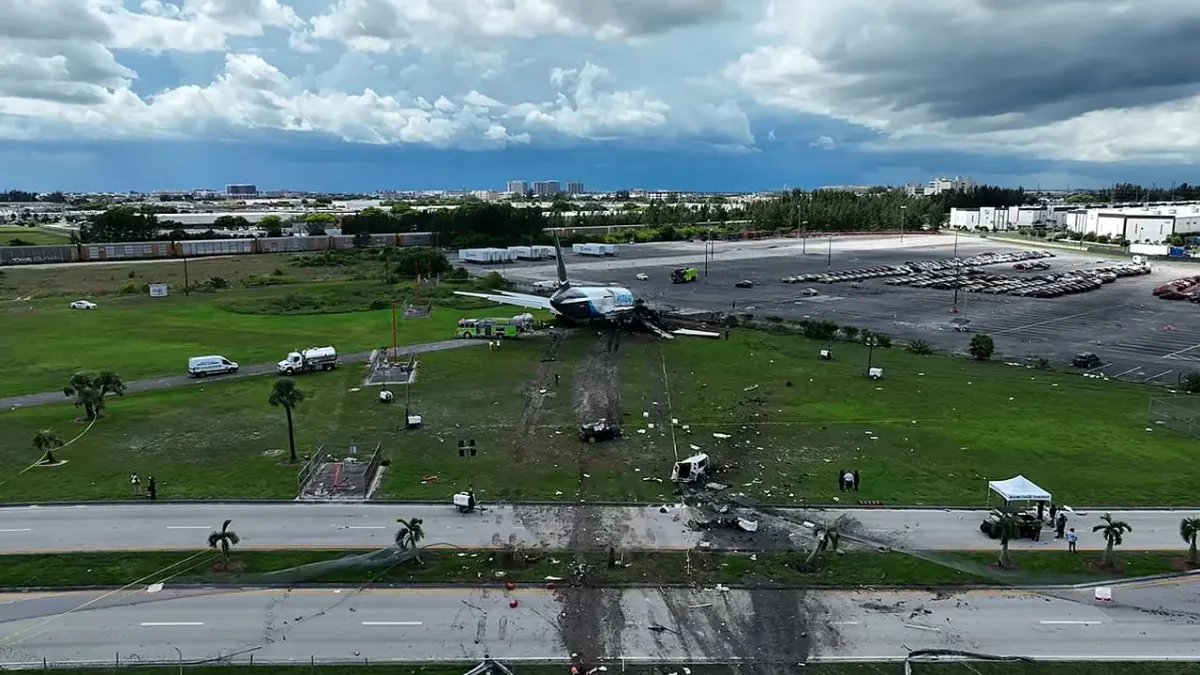
Jet2 Flight LS1266 Diverts to Porto After Pilot Falls Ill


A Jet2 Airbus A321 diverted to Porto on May 22, 2026, following a pilot medical emergency that forced an unplanned 13-hour delay for 220 passengers.
Key Takeaways
- •Jet2 flight LS1266 diverted to Porto following a pilot medical emergency.
- •The Airbus A321 landed safely at 2:11 am on May 22, 2026.
- •Passengers faced a 13-hour delay awaiting a replacement crew.
- •The incident bolsters union arguments against single-pilot operations.
Incident Overview
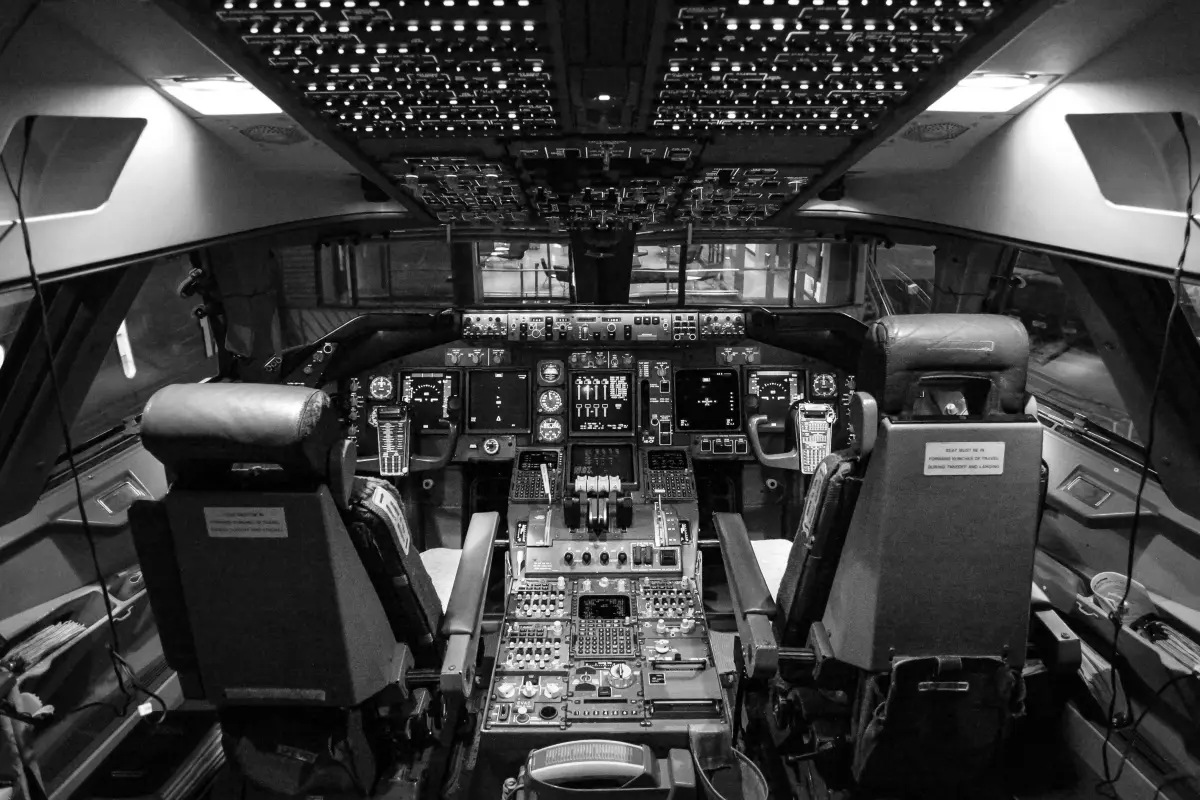
A Jet2 flight operating from Tenerife South Airport (TFS) to Birmingham Airport (BHX) was forced to make an emergency landing in Porto (OPO) on May 22, 2026, after a pilot suffered a suspected heart attack. The Jet2 pilot medical emergency necessitated an immediate diversion, highlighting the critical nature of Airbus A321 pilot incapacitation protocols in commercial operations. Flight LS1266 diversion Porto events resulted in the aircraft, an Airbus A321, touching down safely at Francisco Sá Carneiro Airport at 2:11 am local time.
Operational Impact
The diversion triggered a significant operational disruption for the flight, which reportedly carried up to 220 passengers. Following the landing, medical teams met the aircraft on the runway to transport the incapacitated pilot to a local hospital. Passengers subsequently faced a delay of over 13 hours at the airport while Jet2 coordinated the arrival of a replacement crew from Manchester. This logistical hurdle reflects the complexities of managing unplanned crew incapacitation, with the airline incurring additional repositioning costs to restore service.
Regulatory and Safety Context
Commercial aviation safety is governed by strict European Union Aviation Safety Agency (EASA) mandates regarding flight crew health and redundancy. Under EASA Part-ORO (ORO.FC.120 and ORO.FC.130), operators are required to provide initial and recurrent training on incapacitation procedures. This ensures that the remaining pilot can safely manage the aircraft solo if their counterpart becomes unable to perform duties.
This incident provides a practical case study for the industry, which is currently debating the future of cockpit staffing. While manufacturers explore highly automated systems, the European Cockpit Association (ECA) continues to leverage such real-world events to campaign against Extended Minimum Crew Operations (eMCO). The EASA paused research into single-pilot flight operations in 2025, noting that current cockpit technology cannot yet match the safety standards of a two-pilot crew during sudden incapacitation events.
Technical Comparison: A321 Fleet
Jet2 maintains a diverse fleet, transitioning from older A321ceo models to the more efficient A321neo.
| Metric | Airbus A321ceo | Airbus A321neo |
|---|---|---|
| Passenger Capacity | 220 seats | 232 seats |
| Fuel Efficiency | Baseline | ~20% reduction per seat |
| Range | Up to 3,200 nm | Up to 4,000 nm |
Historical Precedents
This incident mirrors past events where the presence of a second qualified pilot proved vital to flight safety. In March 2023, Southwest Airlines Flight 6013 experienced a pilot incapacitation where an off-duty pilot assisted the first officer, ensuring a safe return. Similarly, in 2012, JetBlue Flight 191 saw a first officer successfully assume sole command after the captain suffered a severe mental health crisis. These precedents underscore the industry's reliance on human redundancy over current automation capabilities.
Technical Analysis
The diversion of Flight LS1266 serves as a stark reminder of the limitations of modern cockpit automation in the face of physiological emergencies. The industry is currently at a crossroads regarding the future of crew complements. While the promise of reduced crew costs drives research into eMCO, events such as this reinforce the ECA's position that human redundancy remains the primary safety buffer. As EASA moves toward a 2027 decision on the eMCO framework, the data derived from such incidents will likely dictate the regulatory trajectory, favoring the retention of two-pilot mandates to ensure the highest safety margins for passengers and crew alike.
What Comes Next
Following the recovery of the affected pilot and the safe transport of passengers to Birmingham, Jet2 operations have returned to normal. The industry now looks toward the EASA decision on the Extended Minimum Crew Operations (eMCO) framework, which is expected by 2027. This decision will determine the future viability of automated cockpit systems in the European market.
Why This Matters
This incident highlights the operational vulnerabilities inherent in long-haul narrow-body operations when crew health issues arise. For passengers, it underscores the importance of robust safety protocols, while for the industry, it serves as a critical data point in the ongoing debate over the necessity of two-pilot cockpits in the face of future automation.
Frequently Asked Questions
- What caused the Jet2 flight LS1266 to divert to Porto?
- The flight was forced to divert to Porto after one of the pilots suffered a sudden medical emergency, reportedly a suspected heart attack, during the flight.
- Why are pilot incapacitation events significant for aviation regulation?
- These events highlight the necessity of having two qualified pilots on the flight deck to ensure safety, a key point in the ongoing debate over whether to allow single-pilot operations in the future.
Visit omniflights.com for the latest commercial aviation news and airline industry updates. For reporting on UAP sightings, investigations, and aviation-related encounters, see the UAPs section at omniflights.com/uaps.

Written by Hardik Vishwakarma
Co-Founder & Aviation News Editor leading initiatives that improve trust and visibility across the global aviation industry. Covers airlines, airports, safety, and emerging technology.
Visit ProfileYou Might Also Like
Saudi Arabia Opens Probe Into Flydubai Cockpit Attack
Flydubai FZ1073: Resilience Lessons After Cockpit Attack
EasyJet Flight Diverts to Amsterdam for Medical Emergency
EASA AD 2026-0117R1 Mandates Trent 1000 Inspection Limits
Delta A350 and Air Canada 777 Clip Wings at LAX