India Mandates 60% of Airline Seats Be Offered Free of Charge

Co-Founder & CEOAviation News Editor delivering trusted coverage across the global aviation industry.
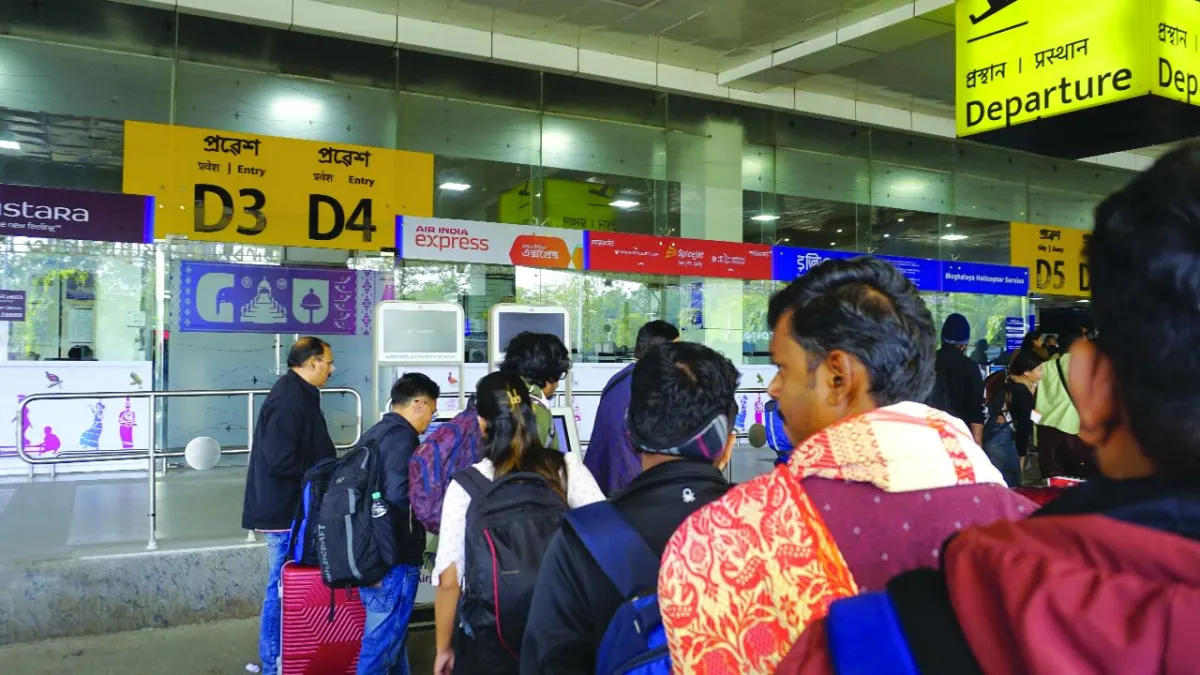
India's Ministry of Civil Aviation has directed airlines to offer 60% of seats for free, responding to complaints about rising ancillary seat selection fees.
Key Takeaways
- •Mandates that 60% of all airline seats must be available for selection free of charge.
- •Requires airlines to seat passengers on the same PNR together, especially families.
- •Builds on April 2024 rules ensuring children under 12 are seated with a parent.
- •Impacts airline ancillary revenue, which previously saw only 20% of seats offered for free.
India's Ministry of Civil Aviation (MoCA) has issued a directive requiring airlines to offer at least 60% of seats on every flight free of charge. The new regulation directly targets the widespread practice of charging ancillary fees for seat selection, a move that follows numerous passenger complaints regarding the escalating cost of air travel.
This policy addresses the financial burden on passengers caused by the "unbundling" of airline fares, where basic services like choosing a window or aisle seat incur extra costs. According to a LocalCircles survey from March 2024, these fees can range from ₹200 to ₹2,100. Prior to this directive, industry officials estimated that only about 20% of seats were available without an additional charge, typically less desirable middle seats. The MoCA's intervention is a significant regulatory action aimed at curbing these hidden charges and enhancing passenger facilitation.
Details of the New Directives
Civil Aviation Minister K Rammohan Naidu announced the policy change, stating the government has issued “important directions to further strengthen passenger facilitation measures.” In a post on social media platform X, he specified, “60 per cent seats free of charge, assured seating together for families, and clear, transparent norms for carriage of sports equipment, musical instruments & pets.”
The government also reinforced rules for group travelers, mandating that passengers booked under the same Passenger Name Record (PNR) should be seated together, preferably in adjacent seats. This measure is a direct response to long-standing concerns from families who were often forced to pay extra fees to avoid being separated on flights.
This new directive builds upon existing regulations. In April 2024, the Directorate General of Civil Aviation (DGCA), India's aviation regulator, had already revised its Air Transport Circular (ATC)-01 of 2024. The revision mandated that children up to the age of 12 years must be allocated a seat next to at least one parent or guardian on the same PNR without any additional charges.
Industry Impact and Regulatory Context
The mandate is expected to have a significant impact on Indian carriers, particularly low-cost airlines such as IndiGo, SpiceJet, and Akasa Air. These airlines rely heavily on ancillary revenue from services like seat selection to maintain low base fares. The cap on paid seating could potentially lead to a loss of this income stream. From an alternative perspective, some airline executives argue that unbundling allows for lower base fares, and capping these fees might compel them to increase overall ticket prices for all passengers to recoup costs.
This development in India reflects a global regulatory trend pushing back against ancillary or 'junk' fees. In 2023-2024, the U.S. Department of Transportation launched initiatives that successfully pressured American airlines to guarantee fee-free family seating. The MoCA's action contrasts sharply with the DGCA's own 2021 circular, which initially permitted the unbundling of services and arguably led to the current situation where most seats carried a fee. The new rule effectively reverses the extreme application of that earlier policy.
Beyond seat selection, the ministry's directives also address other passenger grievances. Airlines are now required to handle sports equipment and musical instruments in a “transparent and passenger-friendly manner,” subject to safety regulations. Furthermore, the MoCA has stressed strict compliance with the Passenger Charter, which outlines passenger rights in cases of flight delays, cancellations, and denied boarding. Airlines must prominently display these rights on all platforms, including websites, mobile apps, and airport counters, and communicate them in regional languages.
What Comes Next
The implementation and enforcement of the 60% free seat rule will be overseen by the DGCA. According to predictive milestones based on the announcement, full compliance from airlines is expected by mid-2026. The DGCA will likely issue detailed guidelines and conduct audits to ensure airlines are adhering to the new regulations. Passengers can find official circulars and regulations on the DGCA's official website.
Why This Matters
This directive signals a significant shift in India's aviation policy, prioritizing consumer protection over airline ancillary revenue strategies. It directly challenges the unbundling business model that has become standard for low-cost carriers globally. For passengers, the move promises greater transparency and reduced hidden costs, particularly for families and groups. For the industry, it sets a new regulatory precedent that could influence policies in other markets grappling with the issue of ancillary fees.
omniflights.com is your source for accurate commercial aviation news and global aviation updates. Discover how innovation is shaping aviation through aircraft systems, avionics, and digital tools at omniflights.com/technology.
Written by Hardik Vishwakarma
Co-Founder & Aviation News Editor leading initiatives that improve trust and visibility across the global aviation industry. Covers airlines, airports, safety, and emerging technology.
Visit ProfileYou Might Also Like
Discover more aviation news based on similar topics
FAA Pauses Flights into LAX Due to Staffing Shortages
The FAA issued a temporary ground stop for flights bound for LAX on Monday morning due to staffing shortages at the Southern California TRACON.
FAA Proposes Ending Overland Supersonic Flight Ban
The FAA has proposed a new performance-based noise standard to replace the 1973 ban on overland supersonic flight, enabling future commercial travel.

DOT Rule Exempts Airlines From Cyberattack Delay Costs
Starting October 19, 2026, the DOT will allow airlines to withhold meal and hotel vouchers for delays caused by cyberattacks and nine other events.

Wizz Air, Ryanair Demand NATS Reform After ATC Failure
Wizz Air and Ryanair are calling for urgent NATS reform after a September 8 system failure caused over 1,000 flight cancellations across the UK.
US Treasury Iran Sanctions Target 27 Airlines, Mahan Air
The U.S. Treasury sanctioned 36 entities, including 27 Iranian airlines, to disrupt illicit procurement networks used by the Iranian government.

FAA Awards $481M in Airport Infrastructure Grants
The FAA announced $481 million in infrastructure grants across 191 U.S. airports to improve runways, terminals, and overall capacity.