UK Tells Airlines to Plan Summer Schedule Changes Amid Jet Fuel Shortage

Co-Founder & CEOAviation News Editor delivering trusted coverage across the global aviation industry.
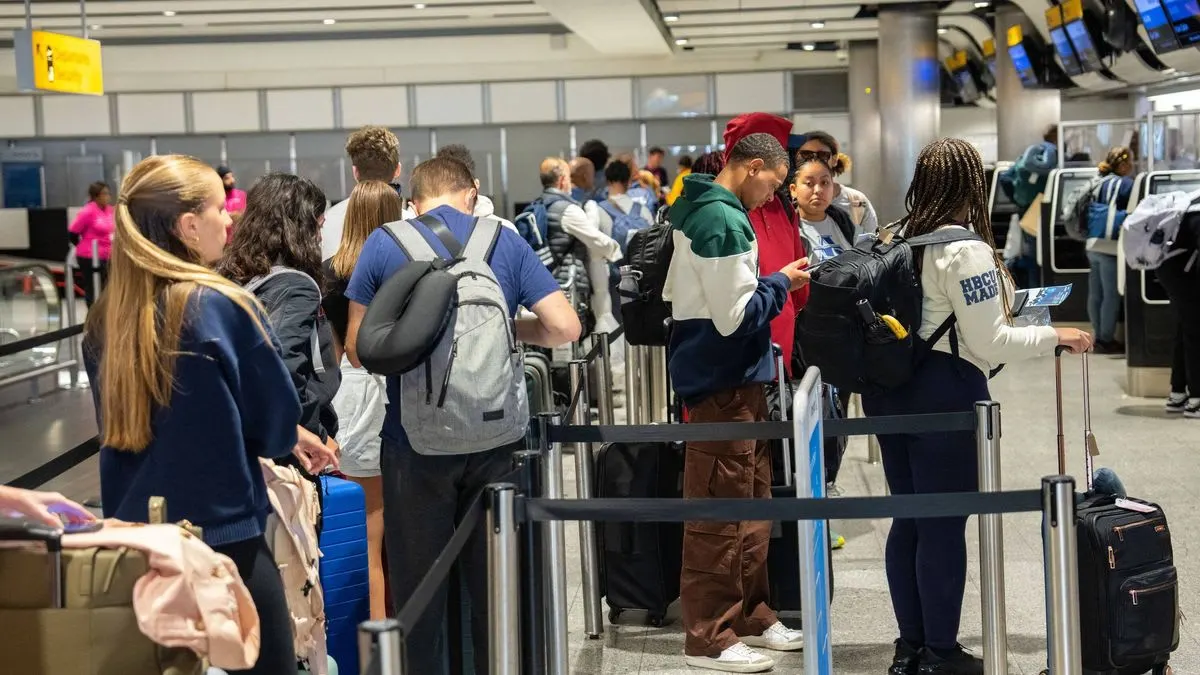
The UK government has instructed airlines to prepare for summer flight changes due to potential jet fuel shortages, relaxing airport slot rules to...
Key Takeaways
- •Instructs UK airlines to create contingency plans for summer flight schedules.
- •Relaxes 80/20 airport slot rules to prevent 'ghost flights' amid fuel concerns.
- •Cites record-low global jet fuel shipments, dropping below 2.3 million tonnes.
- •Responds to the closure of the Strait of Hormuz, which supplies 41% of Europe's jet fuel.
The UK government has directed airlines to prepare contingency plans for significant flight schedule changes this summer, citing concerns over the stability of jet fuel supplies. The move is a preemptive measure to mitigate potential disruption stemming from ongoing geopolitical conflict in the Middle East. At the core of the government's strategy is a temporary relaxation of the 80/20 airport slot usage rule, a mechanism designed to give carriers the flexibility to consolidate flights without jeopardizing their long-term operational rights at key airports.
This directive allows airlines to adjust schedules in advance, aiming to prevent a wave of last-minute cancellations and reduce the need to operate so-called "ghost flights"—empty or near-empty services flown solely to retain valuable take-off and landing slots. The pre-emptive action follows alarming data from commodity analytics firm Kpler, which revealed that global shipments of jet fuel and kerosene recently fell below 2.3 million tonnes, the lowest level recorded since its tracking began in 2017. Supply chain vulnerability has been exacerbated by Iran's closure of the Strait of Hormuz, a critical shipping lane that, according to Macquarie Group, accounts for approximately 41% of Europe's jet fuel imports.
Transport Secretary Heidi Alexander stated, "This legislation will give airlines the tools to adjust flights in good time if they need to, which helps protect passengers and businesses." However, Shadow Transport Secretary Richard Holden criticized the situation, suggesting, "Families who have booked their summer holiday could find their flight cancelled and themselves herded onto a different plane, at a time of the airline's choosing."
Industry Impact and Context
The government's plan, known as Airport Slot Usage Waiver or "slot alleviation," has varied impacts across the aviation sector. For legacy carriers like British Airways and Virgin Atlantic, the policy is beneficial, protecting their valuable slots at congested hubs like London Heathrow without incurring the cost of operating under-filled flights. Conversely, the move poses a significant threat to UK regional airports, which are heavily dependent on passenger volume and could face substantial revenue loss if airlines cut capacity and consolidate services at larger hubs.
Industry body Airlines UK has sought to reassure the public. Chief Executive Tim Alderslade confirmed that flights are currently operating normally but welcomed the government's actions. "We welcome the Government's contingency planning including slot alleviation, which enables airlines to adjust schedules responsibly, avoid unnecessary flying, and continue operating efficiently while protecting connectivity for passengers," he said.
This is not the first time regulators have suspended slot usage rules. During the COVID-19 pandemic, from March 2020 to October 2022, slot waivers were implemented globally to prevent airlines from flying empty aircraft during a period of collapsed passenger demand. The current situation, however, mirrors the 1973 Oil Crisis more closely, where a supply-side shock forced airlines to slash schedules and consolidate flights due to severe fuel shortages. This historical precedent suggests that prolonged geopolitical instability could lead to sustained operational adjustments across the industry.
Technical Analysis
The government's decision to re-deploy slot alleviation—a tool primarily used to manage demand shocks like the pandemic—for a supply-side crisis highlights a new dimension of systemic risk for European aviation. It underscores the sector's acute vulnerability to geopolitical events in the Middle East and the fragility of just-in-time jet fuel supply chains. While the measure provides immediate operational relief and protects legacy carriers' strategic assets, it also potentially masks deeper issues of national energy security. The policy allows for an orderly reduction in capacity, but it also reduces competition and consumer choice in the short term. This development suggests a shift in regulatory posture, prioritizing network stability and carrier solvency over market expansion when faced with external supply constraints. The trend of diversifying fuel sources, with increased imports from the United States and West Africa, is a direct response to this vulnerability but will take time to fully mitigate the risks posed by chokepoints like the Strait of Hormuz.
What Comes Next
The Department for Transport (DfT) has launched a "lightning consultation" on the proposed slot alleviation measures, which is expected to conclude in May 2026. Following the consultation, the temporary legislation is expected to be implemented ahead of the peak Summer 2026 travel season. Airlines are concurrently developing flight consolidation strategies and increasing fuel imports from alternative sources to build up reserves. The operational stability of the summer schedule will largely depend on the duration of the disruption in the Middle East and the effectiveness of these contingency measures.
Why This Matters
This development signals the direct impact of global geopolitical instability on day-to-day airline operations and passenger travel plans. It demonstrates a key regulatory tool governments can use to manage supply chain crises, prioritizing network stability over strict competition rules. For travellers, it means a higher likelihood of pre-planned schedule adjustments and flight consolidations this summer, though it should reduce the risk of chaotic, last-minute cancellations at the gate.
Frequently Asked Questions
- Why is the UK government telling airlines to change summer flight schedules?
- The UK government is instructing airlines to prepare for potential jet fuel shortages caused by geopolitical conflict in the Middle East. The closure of the Strait of Hormuz, a route for 41% of Europe's jet fuel, has created supply chain uncertainty, prompting these precautionary measures.
- What is 'airport slot alleviation' and how does it help airlines?
- Airport slot alleviation is a temporary waiver of the '80/20 use-it-or-lose-it' rule for airport take-off and landing slots. It allows airlines to cancel or consolidate flights to conserve fuel without the penalty of losing their valuable, historic slots for future seasons.
- Are UK flights currently affected by the jet fuel supply issue?
- No, according to the industry body Airlines UK, flights are currently operating as normal and have not yet experienced any direct fuel supply issues. The government's actions are a contingency plan to manage potential future disruptions.
Access up-to-date commercial aviation news and airline industry developments via omniflights.com. For reporting on UAP sightings, investigations, and aviation-related encounters, see the UAPs section at omniflights.com/uaps.
Written by Hardik Vishwakarma
Co-Founder & Aviation News Editor leading initiatives that improve trust and visibility across the global aviation industry. Covers airlines, airports, safety, and emerging technology.
Visit ProfileYou Might Also Like
Discover more aviation news based on similar topics
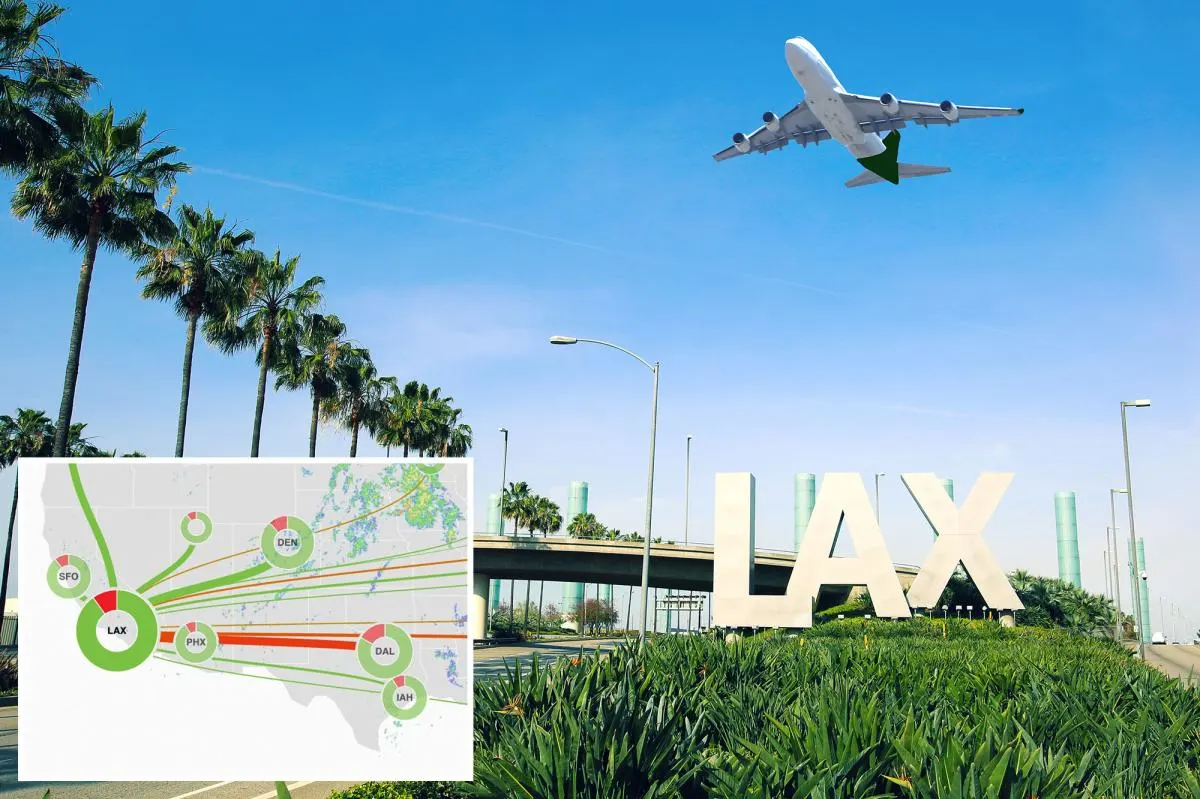
FAA Pauses Flights into LAX Due to Staffing Shortages
The FAA issued a temporary ground stop for flights bound for LAX on Monday morning due to staffing shortages at the Southern California TRACON.
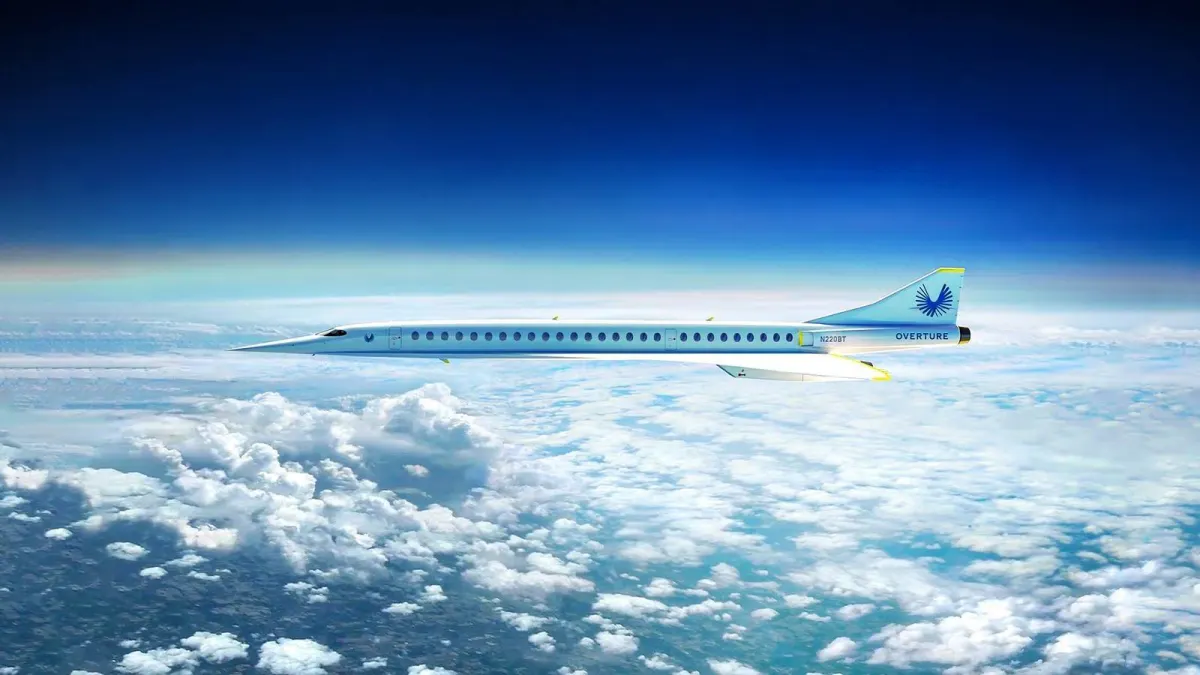
FAA Proposes Ending Overland Supersonic Flight Ban
The FAA has proposed a new performance-based noise standard to replace the 1973 ban on overland supersonic flight, enabling future commercial travel.

DOT Rule Exempts Airlines From Cyberattack Delay Costs
Starting October 19, 2026, the DOT will allow airlines to withhold meal and hotel vouchers for delays caused by cyberattacks and nine other events.

Wizz Air, Ryanair Demand NATS Reform After ATC Failure
Wizz Air and Ryanair are calling for urgent NATS reform after a September 8 system failure caused over 1,000 flight cancellations across the UK.

US Treasury Iran Sanctions Target 27 Airlines, Mahan Air
The U.S. Treasury sanctioned 36 entities, including 27 Iranian airlines, to disrupt illicit procurement networks used by the Iranian government.
FAA Awards $481M in Airport Infrastructure Grants
The FAA announced $481 million in infrastructure grants across 191 U.S. airports to improve runways, terminals, and overall capacity.