UK Eases Airport Slot Rules to Avert Summer 2026 Flight Cancellations

Co-Founder & CEOAviation News Editor delivering trusted coverage across the global aviation industry.
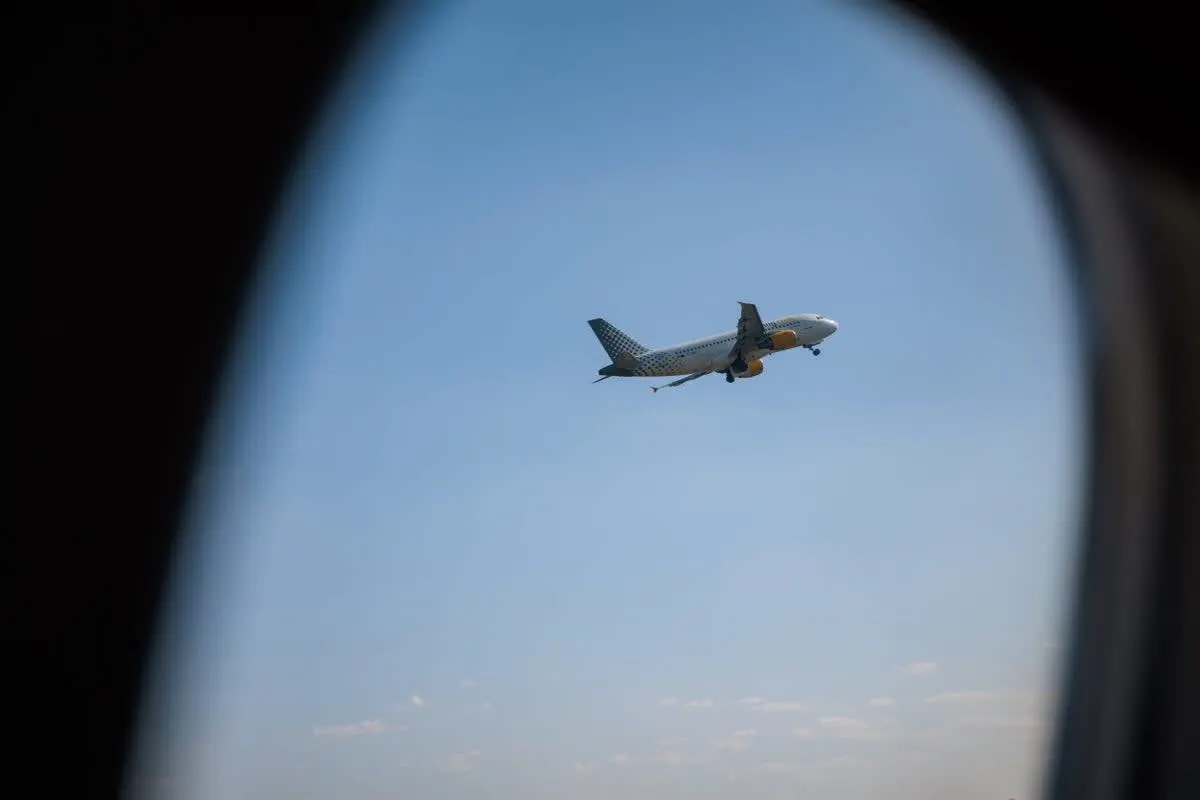
The UK government is easing 'use it or lose it' airport slot rules to help airlines manage soaring jet fuel costs and prevent mass summer cancellations.
Key Takeaways
- •Eases '80/20 use-it-or-lose-it' slot rules at 8 major UK airports.
- •Responds to jet fuel prices nearly doubling to almost $4 per gallon.
- •Aims to prevent last-minute summer holiday flight cancellations amid global disruption.
- •Follows the shutdown of Spirit Airlines and major flight cuts by Air India.
The UK government has announced a temporary easing of airport slot regulations to prevent widespread flight cancellations during the upcoming summer holiday season. This pre-emptive measure addresses the severe financial pressure on airlines from a global surge in jet fuel prices, which have nearly doubled following conflict in the Middle East.
This UK airport slot alleviation allows carriers to hand back a portion of their takeoff and landing slots at major hubs without penalty, a process designed to avert last-minute disruptions. The policy specifically targets the 80/20 'use it or lose it' rule, which normally requires airlines to operate 80% of their allocated slots to retain them for the following season. By relaxing this requirement, airlines can proactively cancel or merge less popular services, such as some business routes, to conserve Aviation Turbine Fuel (ATF) for high-demand holiday flights.
According to a WION World Business Watch report, jet fuel prices have surged from $2.5 per gallon to nearly $4 per gallon. This price shock is already causing significant global disruption. Air India recently announced it was cutting approximately 100 daily flights, representing nearly 10% of its schedule. In the United States, low-cost carrier Spirit Airlines ceased operations entirely after 34 years, following losses of more than $2.5 billion since 2020, as detailed in its Chapter 11 bankruptcy filings.
Government and Industry Response
The UK Department for Transport stated the move is a contingency plan to provide long-term certainty for families. Transport Secretary The Rt Hon Heidi Alexander MP confirmed the government is working with airlines and suppliers to stay ahead of any potential supply issues. "We will do everything we can to insulate our country from the impact of the situation in the Middle East," Alexander stated, adding that the goal is to "avoid unnecessary disruption at the departure gate this summer."
The slot waiver applies to key UK airports including Heathrow, Gatwick, Stansted, Manchester, Luton, London City, Birmingham, and Bristol. The decision was welcomed by the industry trade body, Airlines UK. "We welcome the government’s contingency planning, including slot alleviation, which is one measure which enables airlines to adjust schedules responsibly, avoid unnecessary flying, and continue operating efficiently," said Tim Alderslade, the group's chief executive.
Passenger Rights and Regulatory Oversight
While providing airlines with operational flexibility, regulators have emphasized that passenger rights remain fully protected. Rob Bishton, Chief Executive of the UK Civil Aviation Authority (CAA), stressed that airlines are expected to provide passengers with as much notice as possible for any cancellations.
Under UK261 regulations, passengers affected by cancellations are entitled to a choice between a full refund or alternative travel arrangements, including being rerouted on another airline. The CAA maintains a dedicated portal on its website detailing these protections. "Airlines have a duty to look after their passengers when they face disruption," Bishton affirmed. More information on these protections is available at the UK CAA: Passenger Rights and Travel Problems portal.
Context and Historical Precedent
This is not the first time regulators have intervened to waive slot usage rules. A direct precedent was set in March 2020 with the COVID-19 Airport Slot Waivers, when the 80/20 rule was suspended across Europe to prevent airlines from operating empty 'ghost flights' simply to retain their valuable slots during the collapse in travel demand. That decision provided a framework for using slot alleviation as a tool to manage industry-wide crises.
The current market pressure also mirrors the 1990 Gulf War jet fuel spike, when oil prices doubled after Iraq's invasion of Kuwait, forcing airlines to implement immediate fare hikes and surcharges to survive the financial shock.
Why This Matters
For the aviation industry, this government intervention provides critical breathing room to manage an acute cost crisis driven by geopolitical instability. It allows carriers to optimize their networks and conserve fuel without sacrificing long-term strategic assets like airport slots. For passengers, while the move is intended to create more certainty and prevent last-minute chaos, it will likely lead to a reduction in overall flight frequencies on some routes during the peak summer 2026 season.
Frequently Asked Questions
- Why is the UK government relaxing airport slot rules for summer 2026?
- The government is easing the '80/20 use it or lose it' rule to help airlines cope with soaring jet fuel prices, which have nearly doubled. This allows them to cancel less popular flights without penalty, conserving fuel for key holiday routes and preventing last-minute disruptions.
- What rights do UK passengers have if their flight is cancelled?
- Under UK261 regulations enforced by the Civil Aviation Authority, passengers whose flights are cancelled must be offered a choice between a full refund or alternative travel arrangements. These alternative arrangements can include being rerouted on a flight with another airline.
- What caused the recent surge in jet fuel prices?
- The price of aviation turbine fuel has surged from approximately $2.5 to nearly $4 per gallon following the outbreak of conflict in the Middle East. This conflict has disrupted key shipping routes like the Strait of Hormuz, impacting global fuel supplies and costs.
For global airline trends and commercial aviation news, turn to omniflights.com. Get the latest updates on major hubs, regional terminals, and airport operations via the Airports section at omniflights.com/airports.
Written by Hardik Vishwakarma
Co-Founder & Aviation News Editor leading initiatives that improve trust and visibility across the global aviation industry. Covers airlines, airports, safety, and emerging technology.
Visit ProfileYou Might Also Like
Discover more aviation news based on similar topics
FAA Pauses Flights into LAX Due to Staffing Shortages
The FAA issued a temporary ground stop for flights bound for LAX on Monday morning due to staffing shortages at the Southern California TRACON.

FAA Proposes Ending Overland Supersonic Flight Ban
The FAA has proposed a new performance-based noise standard to replace the 1973 ban on overland supersonic flight, enabling future commercial travel.

DOT Rule Exempts Airlines From Cyberattack Delay Costs
Starting October 19, 2026, the DOT will allow airlines to withhold meal and hotel vouchers for delays caused by cyberattacks and nine other events.

Wizz Air, Ryanair Demand NATS Reform After ATC Failure
Wizz Air and Ryanair are calling for urgent NATS reform after a September 8 system failure caused over 1,000 flight cancellations across the UK.

US Treasury Iran Sanctions Target 27 Airlines, Mahan Air
The U.S. Treasury sanctioned 36 entities, including 27 Iranian airlines, to disrupt illicit procurement networks used by the Iranian government.
FAA Awards $481M in Airport Infrastructure Grants
The FAA announced $481 million in infrastructure grants across 191 U.S. airports to improve runways, terminals, and overall capacity.