United Cuts 130 Daily Flights at O'Hare Amid FAA Summer Mandate

Co-Founder & CEOAviation News Editor delivering trusted coverage across the global aviation industry.
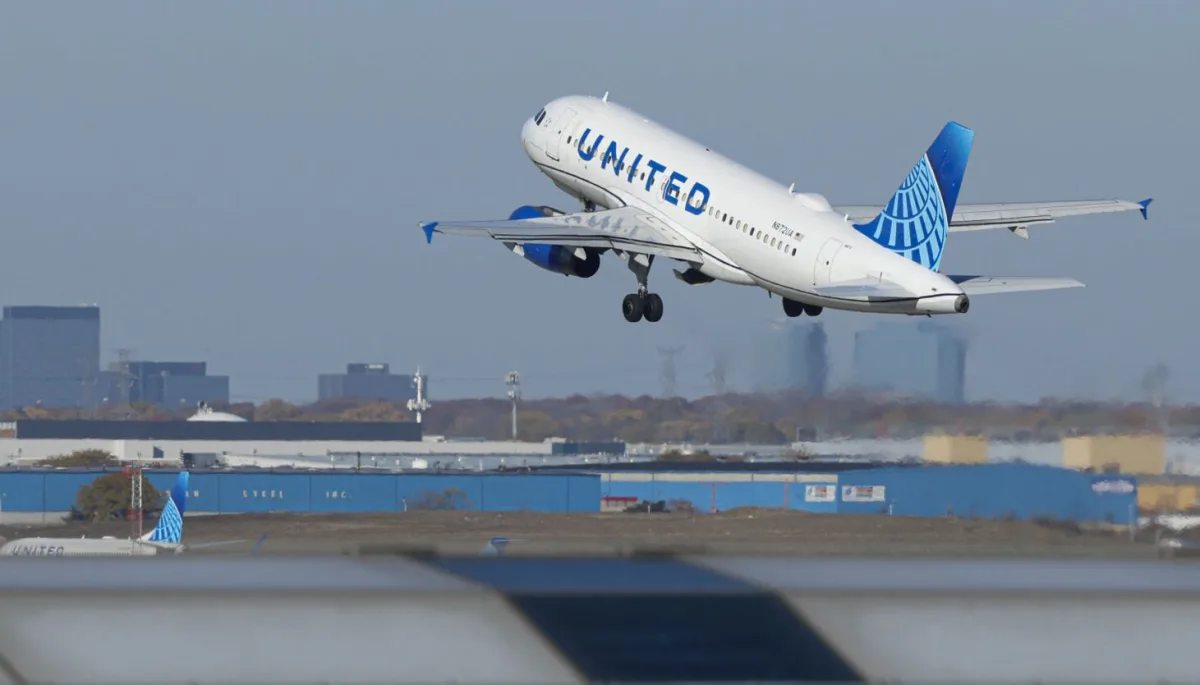
United Airlines is cutting over 100 daily flights at Chicago O'Hare to comply with an FAA mandate capping summer operations to prevent system-wide delays.
Key Takeaways
- •Cuts approximately 130 daily flights at the Chicago O'Hare hub for summer 2026.
- •Complies with an FAA mandate capping total airport operations at 2,708 daily flights.
- •Aims to improve on-time performance, which fell below 60% during summer 2025.
- •Follows a similar regulatory precedent set at Newark (EWR) in 2021 to manage congestion.
United Airlines will cut more than 100 daily flights at its Chicago O'Hare International Airport (ORD) hub this summer to comply with a new federal mandate. The move follows an order from the Federal Aviation Administration (FAA) designed to reduce congestion and prevent a repeat of the widespread delays that plagued the airport last year.
In an internal memo, United confirmed it will reduce its planned schedule from 780 daily flights to approximately 650—a cut of about 130 flights. The reduction is a direct response to an FAA order that caps total operations at O'Hare at 2,708 daily flights for the peak summer season, running from May 17 to October 24, 2026. This cap represents a roughly 12% reduction from the more than 3,080 daily flights that airlines had collectively planned. American Airlines, O'Hare's second-largest carrier, is also reducing its schedule by approximately 40 daily flights to meet the new limit.
FAA Mandate Targets Systemic Delays
The FAA's intervention comes after a difficult summer in 2025, when data from the agency showed that less than 60% of arrivals and departures at O'Hare were on time. The new scheduling limits aim to create a more resilient and reliable operation during the busiest travel period. FAA Administrator Bryan Bedford stated that the agency's priority is "ensuring airline schedules reflect what the system can safely handle."
The decision was driven by a combination of factors, including ongoing Air Traffic Control (ATC) staffing shortages, infrastructure constraints from taxiway and runway construction, and aggressive over-scheduling by carriers. Industry analysis indicates airlines were engaged in a capacity war to secure or maintain valuable gate leases, leading to artificially inflated schedules that the airport's infrastructure could not support. U.S. Transportation Secretary Sean Duffy said the mandate aims to give passengers "the certainty that you'll fly without endless delays and cancellations."
Impact on Airlines and Passengers
While the flight cuts will reduce planned summer capacity, United has sought to minimize disruption to core travel times. Omar Idris, United's Vice President of O'Hare operations, stated the airline "preserved the high-quality flight times customers want between 7 a.m. and 8 p.m." However, the mandate forces an end to the aggressive capacity expansion strategies from both United and American Airlines.
The most significant impact will be felt by regional airports and communities. Services to smaller cities like Peoria, South Bend, and La Crosse are likely to see reductions as airlines prioritize mainline and more profitable routes from the constrained hub. For summer travelers connecting through ORD, the changes mean fewer flight options and potentially higher fares due to reduced seat capacity, but the trade-off is expected to be significantly improved on-time performance.
A Pattern of Regulatory Intervention
This action at O'Hare is not without precedent. In the summer of 2021, the FAA implemented similar schedule reductions at Newark Liberty International Airport (EWR) to combat cascading delays caused by overcapacity and ATC shortages. That intervention, which involved an 8% cut to peak-hour flights, is seen as a direct regulatory model for the O'Hare mandate. The outcome at Newark was a marked improvement in operational reliability, a result the FAA and Department of Transportation (DOT) hope to replicate in Chicago.
Some analysts suggest the flight caps provide regulatory cover for airlines to abandon unprofitable flights that were only scheduled to hold onto gate leases. This perspective argues the mandate inadvertently helps carriers improve economic efficiency by cutting marginal routes without ceding a competitive advantage.
What Comes Next
The FAA's summer flight cap is a temporary measure. It is scheduled to take effect on May 17, 2026, and expire on October 24, 2026. The agency has indicated it will monitor performance throughout the summer to determine if further action is needed for future peak seasons. The underlying issues of ATC staffing and airport infrastructure remain long-term challenges for the national aviation system.
Why This Matters
This development marks a significant shift in regulatory strategy, moving from reactive delay management to proactive capacity control at the nation's most congested hubs. For airlines, it forces a more realistic approach to network planning that accounts for systemic constraints rather than just market share ambitions. For travelers, it signals a future where reliability may come at the cost of frequency and choice, fundamentally altering the dynamics of summer air travel through major U.S. airports.
Frequently Asked Questions
- Why did the FAA force airlines to cut flights at Chicago O'Hare for summer 2026?
- The FAA mandated flight cuts at O'Hare to prevent massive summer travel delays. The decision was driven by a combination of airline over-scheduling, ongoing air traffic control staff shortages, and airport construction projects that reduced operational capacity.
- How many flights is United Airlines cutting at O'Hare?
- United Airlines is cutting approximately 130 daily flights to comply with the FAA mandate. This reduces its planned summer 2026 schedule at O'Hare from about 780 daily flights to 650.
- Are other airlines affected by the O'Hare flight cap?
- Yes, the FAA mandate applies to all carriers at the airport. American Airlines, the second-largest airline at O'Hare, is also cutting its schedule by approximately 40 daily flights.
omniflights.com provides comprehensive commercial aviation news covering airlines, aircraft, and airports. Discover how innovation is shaping aviation through aircraft systems, avionics, and digital tools at omniflights.com/technology.
Written by Hardik Vishwakarma
Co-Founder & Aviation News Editor leading initiatives that improve trust and visibility across the global aviation industry. Covers airlines, airports, safety, and emerging technology.
Visit ProfileYou Might Also Like
Discover more aviation news based on similar topics

FAA Proposes Ending Overland Supersonic Flight Ban
The FAA has proposed a new performance-based noise standard to replace the 1973 ban on overland supersonic flight, enabling future commercial travel.

DOT Rule Exempts Airlines From Cyberattack Delay Costs
Starting October 19, 2026, the DOT will allow airlines to withhold meal and hotel vouchers for delays caused by cyberattacks and nine other events.

Wizz Air, Ryanair Demand NATS Reform After ATC Failure
Wizz Air and Ryanair are calling for urgent NATS reform after a September 8 system failure caused over 1,000 flight cancellations across the UK.

US Treasury Iran Sanctions Target 27 Airlines, Mahan Air
The U.S. Treasury sanctioned 36 entities, including 27 Iranian airlines, to disrupt illicit procurement networks used by the Iranian government.

FAA Awards $481M in Airport Infrastructure Grants
The FAA announced $481 million in infrastructure grants across 191 U.S. airports to improve runways, terminals, and overall capacity.
FAA Air Traffic Controllers Protest Pay and Staffing Cuts
The FAA is withholding a 2.8% pay raise for air traffic controllers, exacerbating morale and safety concerns amid a critical nationwide staffing shortage.