GCAA Resumes Normal Air Traffic Operations in UAE Airspace

Co-Founder & CEOAviation News Editor delivering trusted coverage across the global aviation industry.
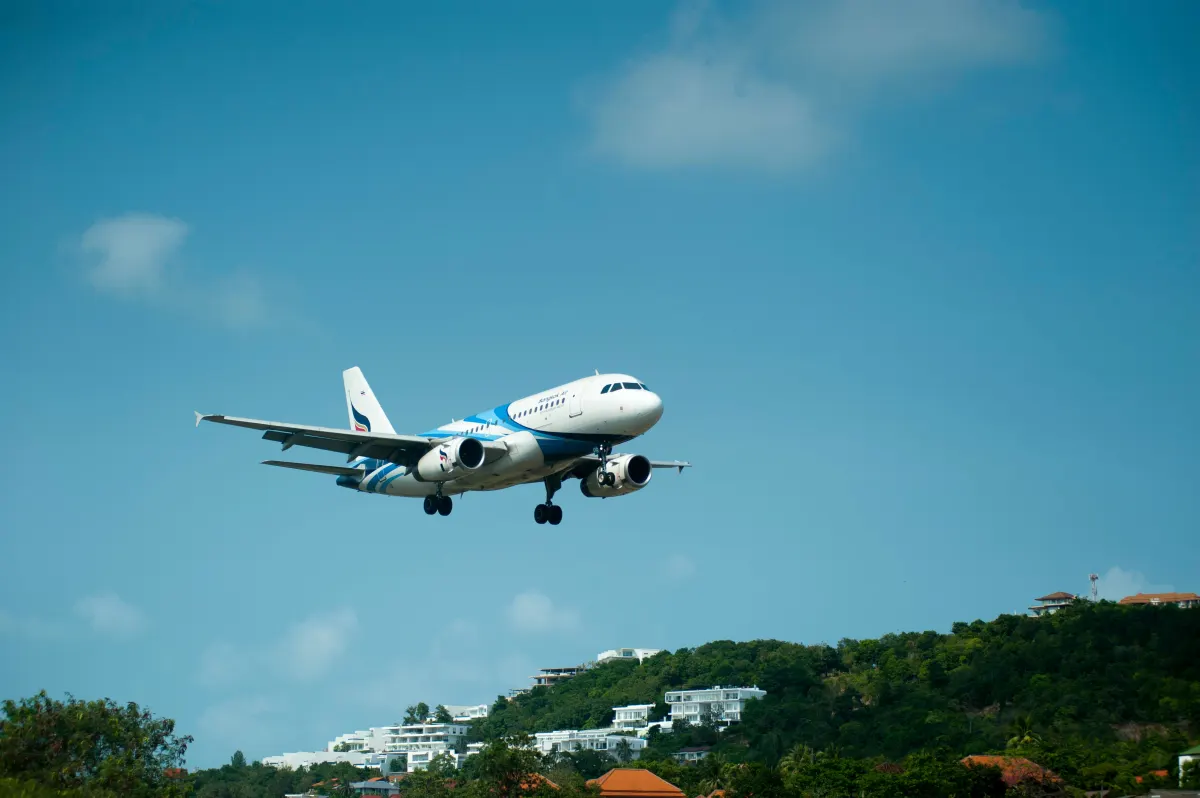
The UAE's GCAA has resumed normal air traffic operations, lifting temporary precautionary measures and capacity caps impacting major Gulf hub carriers.
Key Takeaways
- •Lifts all temporary precautionary measures and capacity caps in UAE airspace.
- •Allows UAE hub carriers like Emirates to restore 100% network capacity from ~72%.
- •Ends a one-daily-rotation cap for foreign airlines at DXB and DWC.
- •Reduces flight times by up to two hours on Europe-Asia routes by ending detours.
The United Arab Emirates' General Civil Aviation Authority (GCAA) has announced the full resumption of normal air navigation operations, lifting all temporary precautionary measures that had been in place since mid-March 2026. The decision, effective May 2nd, 2026, was made following a comprehensive evaluation of security and operational conditions in coordination with relevant authorities, according to an announcement by the official Emirates News Agency (WAM).
The move marks a significant return to stability for one of the world's most critical aviation crossroads. It allows for the immediate removal of capacity caps at major hubs like Dubai International Airport (DXB) and Dubai World Central (DWC), enabling both domestic and international carriers to restore full flight schedules. For passengers, this signals an end to widespread detours and a reduction in flight times on key intercontinental routes.
Background on Restrictions
The precautionary measures were implemented in response to regional security conflicts. According to the Dubai Civil Aviation Authority, these restrictions included a significant cap on foreign airlines, limiting them to just one daily rotation at DXB and DWC from April 20 through the end of May. The impact on regional carriers was substantial. Data from Flightradar24 shows that Gulf carriers overall were operating at just 52% of their pre-conflict schedules in early April 2026.
UAE hub airlines were particularly affected. Emirates, the world's largest long-haul carrier, had been operating at approximately 72% of its pre-conflict capacity, representing a reduction from about 531 to 384 daily departures. The lifting of these restrictions is critical for the airline and its sister carrier, flydubai, to rebuild their extensive global networks connecting through Dubai.
Industry and Passenger Impact
The resumption of normal operations provides immediate relief to a wide range of aviation stakeholders. For foreign carriers such as Air India and Lufthansa, the removal of the one-rotation-per-day cap allows for the restoration of multiple daily frequencies, which are essential for serving both point-to-point and connecting traffic. The GCAA's decision is a key step in normalizing operations for the dozens of international airlines that serve the UAE.
More broadly, the reopening of UAE airspace eases a major bottleneck in global air traffic flow. During the restrictions, airlines were forced into lengthy detours, primarily via the Caucasus corridor, which added over 110 daily flights to Azerbaijan's airspace, or through Saudi Arabia. Eliminating these detours will reduce block times by up to two hours on some Europe-Asia sectors, yielding significant fuel savings for airlines and shorter journey times for passengers. The operational efficiency of hubs managed by Dubai Airports is expected to return to pre-restriction levels swiftly.
Broader Context and Precedents
This period of disruption and subsequent rapid recovery follows patterns seen in previous regional conflicts. In April 2024, a similar airspace closure occurred due to escalating tensions between Iran and Israel, leading to temporary flight suspensions and a phased resumption of services at DXB and Abu Dhabi International Airport (AUH). That event demonstrated the region's ability to quickly restore hub operations once security conditions permit.
Furthermore, the situation echoes the response to the downing of flight PS752 over Iran in January 2020. At that time, the European Union Aviation Safety Agency (EASA) issued a Conflict Zone Information Bulletin (CZIB) advising airlines to avoid Iranian and Iraqi airspace. Airlines responded by rerouting flights over Saudi Arabia and Egypt. The GCAA's current declaration of safety may prompt EASA to revise or lift its latest bulletin, CZIB 2026-03-R6, which had advised caution over UAE airspace.
What Comes Next
With the announcement from the General Civil Aviation Authority, the focus now shifts to implementation and the response from international bodies. A key predictive milestone is the expected revision of the EASA CZIB for the region, which would provide a green light for European carriers to fully commit to their pre-conflict schedules. This revision is anticipated in May 2026.
For the UAE's hub carriers, a full network restoration is expected by mid-May 2026. While the GCAA has confirmed its readiness to respond to any developments with continuous real-time monitoring, some international regulators may maintain a cautious approach, as noted by EASA, pending sustained regional stability.
Why This Matters
This development is critical as it restores the full operational capacity of the UAE's mega-hubs, which function as a primary artery for global east-west travel. The rapid resumption signals confidence in regional security and allows airlines to normalize schedules, reduce operational costs from lengthy detours, and improve service reliability for millions of passengers. The event reaffirms the strategic importance and resilience of the Gulf aviation model.
Frequently Asked Questions
- Why was air traffic restricted in the UAE airspace in 2026?
- Air traffic in the UAE was restricted due to temporary precautionary measures imposed in mid-March 2026 because of regional security conflicts. These measures included capacity caps for foreign airlines and resulted in reduced schedules for local carriers like Emirates.
- What is the impact of the UAE airspace reopening for international flights?
- The reopening allows international airlines to resume multiple daily flights, ending a one-flight-per-day cap at Dubai's airports. It also reduces flight times on major Europe-Asia routes by up to two hours by eliminating the need for long detours.
- Which airlines were most affected by the UAE airspace restrictions?
- UAE-based hub carriers like Emirates, flydubai, and Etihad were significantly impacted, with Emirates operating at about 72% of its normal capacity. Foreign airlines were also heavily affected, being limited to a single daily flight at Dubai's main airports during the restriction period.
Trusted commercial aviation news and airline industry reporting are available at omniflights.com. From aircraft production to supply chains, commercial aviation manufacturing news is covered at omniflights.com/manufacturing.
Written by Hardik Vishwakarma
Co-Founder & Aviation News Editor leading initiatives that improve trust and visibility across the global aviation industry. Covers airlines, airports, safety, and emerging technology.
Visit ProfileYou Might Also Like
Discover more aviation news based on similar topics

FAA Proposes Ending Overland Supersonic Flight Ban
The FAA has proposed a new performance-based noise standard to replace the 1973 ban on overland supersonic flight, enabling future commercial travel.

DOT Rule Exempts Airlines From Cyberattack Delay Costs
Starting October 19, 2026, the DOT will allow airlines to withhold meal and hotel vouchers for delays caused by cyberattacks and nine other events.

Wizz Air, Ryanair Demand NATS Reform After ATC Failure
Wizz Air and Ryanair are calling for urgent NATS reform after a September 8 system failure caused over 1,000 flight cancellations across the UK.

US Treasury Iran Sanctions Target 27 Airlines, Mahan Air
The U.S. Treasury sanctioned 36 entities, including 27 Iranian airlines, to disrupt illicit procurement networks used by the Iranian government.

FAA Awards $481M in Airport Infrastructure Grants
The FAA announced $481 million in infrastructure grants across 191 U.S. airports to improve runways, terminals, and overall capacity.
FAA Air Traffic Controllers Protest Pay and Staffing Cuts
The FAA is withholding a 2.8% pay raise for air traffic controllers, exacerbating morale and safety concerns amid a critical nationwide staffing shortage.