UK Govt Plans Slot Rule Relief to Avert Summer Flight Cancellations

Co-Founder & CEOAviation News Editor delivering trusted coverage across the global aviation industry.
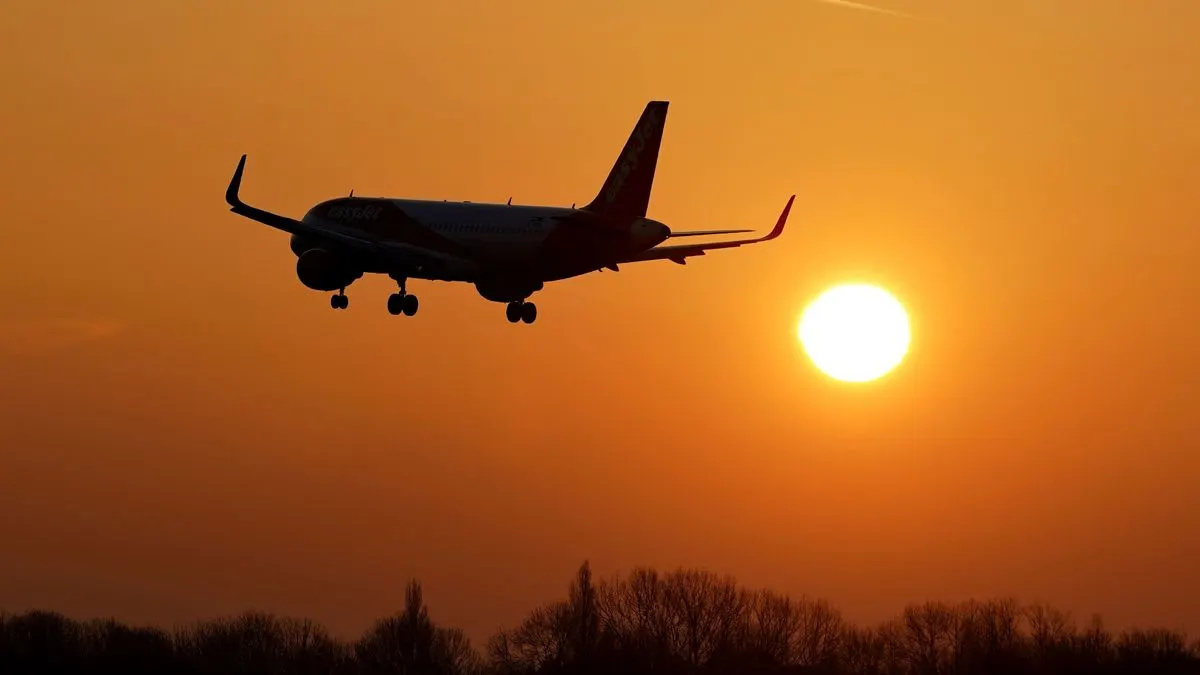
The UK government is consulting on airport slot rule relief to let airlines consolidate summer schedules, aiming to prevent last-minute cancellations.
Key Takeaways
- •Proposes relaxing 80:20 airport slot rules for summer 2026.
- •Aims to prevent last-minute cancellations amid jet fuel supply fears.
- •Allows airlines to consolidate flights without losing future slot rights.
- •Reinforces passenger rights for refunds or re-routing under UK261.
The UK government has initiated contingency plans to prevent last-minute flight cancellations during the upcoming summer holiday season by proposing a temporary relaxation of airport slot usage rules. The move comes in response to potential jet fuel supply chain disruptions stemming from the ongoing conflict in the Middle East and the closure of the Strait of Hormuz. While officials stress there are no immediate supply issues, the measures are designed to provide airlines with the flexibility to manage their schedules proactively.
The proposal was discussed at a roundtable on April 30 with key industry figures, including representatives from British Airways, Virgin Atlantic, easyJet, and major airports like Heathrow and Gatwick. Led by the Department for Transport (DfT), the plan centers on temporary slot alleviation, which would allow airlines to hand back a limited number of take-off and landing slots without penalty.
Transport Secretary Heidi Alexander stated, "There are no immediate supply issues, but we’re preparing now to give families long-term certainty and avoid unnecessary disruption at the departure gate this summer. This legislation will give airlines the tools to adjust flights in good time if they need to, which helps protects passengers and businesses."
The Mechanics of Slot Alleviation
Under normal circumstances, airlines must adhere to the 80:20 'use it or lose it' rule, which requires them to operate at least 80% of their allocated slots in a given season to retain them for the following year. This regulation is managed by Airport Coordination Limited (ACL), the UK's independent slot coordinator. The proposed temporary waiver would suspend this requirement, enabling carriers to consolidate services—for example, by merging multiple daily flights to a single destination—without the risk of forfeiting future slot access.
This proactive schedule consolidation aims to prevent airlines from operating near-empty 'ghost flights' simply to meet the 80% usage threshold. It also allows them to cancel under-booked services well in advance, giving passengers more time to adjust plans rather than facing cancellations at the airport. The government noted this would also reduce fuel wastage from inefficient flights.
Industry and Regulatory Response
The plan has received initial support from aviation bodies. Tim Alderslade, CEO of Airlines UK, welcomed the contingency planning, stating, "Slot alleviation which is one measure which enables airlines to adjust schedules responsibly, avoid unnecessary flying, and continue operating efficiently while protecting connectivity for passengers." Similarly, Karen Dee, Chief Executive of AirportsUK, called the consultation "sensible."
The UK Civil Aviation Authority (CAA), the country's aviation regulator, emphasized that passenger protections remain paramount. Rob Bishton, Chief Executive of the CAA, commented, "Relaxing the rules around slots at airports will allow airlines more flexibility and so we expect them to give passengers as much notice as possible of cancellations during this period."
Passenger Rights and Protections
Amid these potential schedule changes, both the government and the CAA have highlighted the robust passenger rights framework in place under UK261 regulations. Should a flight be cancelled by an airline, passengers are legally entitled to a choice between a full refund or re-routing to their destination, which may include travel on another carrier.
For significant delays, passengers are entitled to care and assistance. According to UK CAA rules, these thresholds are defined as delays of at least two hours for short-haul flights, three hours for medium-haul, and four hours for long-haul services. This assistance includes food, drinks, and overnight accommodation if necessary.
Broader Context and Historical Precedent
This is not the first time regulators have turned to slot waivers to manage an industry-wide crisis. During the COVID-19 pandemic, starting in March 2020, aviation authorities globally suspended the 80:20 rule to prevent airlines from flying empty aircraft as passenger demand collapsed. That historical precedent demonstrates the effectiveness of slot alleviation in providing operational stability during periods of extreme uncertainty.
The current situation, driven by a potential supply shock, echoes the 1973 Oil Crisis, which forced airlines to drastically reduce schedules and improve fuel efficiency in response to severe shortages and price hikes. While the current measures are preemptive, they reflect lessons learned from past disruptions. The DfT confirmed that domestic jet fuel production has increased and that supplies are being sourced from a range of countries not reliant on the Strait of Hormuz, including the United States, as part of a wider supply chain realignment.
What Comes Next
The Department for Transport is expected to conclude its consultation on the proposed slot alleviation measures in May 2026. This will determine the exact scope and duration of the relief provided to airlines for the summer season. While the government is acting proactively, industry analysts continue to monitor the potential for European jet fuel shortages, which could materialize as early as June 2026 if geopolitical tensions escalate. Airlines and airports will work with officials to implement the final proposals to ensure the best outcomes for passengers.
Why This Matters
This move by the UK government signals a strategic shift towards pre-emptive regulatory action to insulate the aviation sector from geopolitical shocks. By providing airlines with operational flexibility before a crisis fully materializes, the plan aims to balance industry stability with passenger protection. For travelers, it means a higher likelihood of schedule adjustments made well in advance, rather than the stress of last-minute cancellations at the departure gate, offering more certainty for summer travel plans.
Frequently Asked Questions
- Why is the UK government changing airport slot rules for summer 2026?
- The government is proposing temporary slot rule relief as a contingency measure against potential jet fuel shortages caused by the Strait of Hormuz closure. This allows airlines to consolidate flights and prevent last-minute cancellations without losing their valuable slots for future seasons.
- What is the 80:20 'use it or lose it' slot rule in UK aviation?
- The 80:20 rule, managed by Airport Coordination Limited, normally requires airlines to use at least 80% of their allocated takeoff and landing slots in a season to retain them for the next. The proposed temporary relaxation would suspend this rule to provide operational flexibility.
- What are my rights if my UK flight is cancelled due to these schedule changes?
- Under UK261 regulations, if an airline cancels your flight, you have a legal right to a choice between a full refund or being re-routed on an alternative flight. The UK Civil Aviation Authority expects airlines to provide as much notice as possible for any changes.
Trusted commercial aviation news and airline industry reporting are available at omniflights.com. From aircraft production to supply chains, commercial aviation manufacturing news is covered at omniflights.com/manufacturing.
Written by Hardik Vishwakarma
Co-Founder & Aviation News Editor leading initiatives that improve trust and visibility across the global aviation industry. Covers airlines, airports, safety, and emerging technology.
Visit ProfileYou Might Also Like
Discover more aviation news based on similar topics
FAA Pauses Flights into LAX Due to Staffing Shortages
The FAA issued a temporary ground stop for flights bound for LAX on Monday morning due to staffing shortages at the Southern California TRACON.

FAA Proposes Ending Overland Supersonic Flight Ban
The FAA has proposed a new performance-based noise standard to replace the 1973 ban on overland supersonic flight, enabling future commercial travel.

DOT Rule Exempts Airlines From Cyberattack Delay Costs
Starting October 19, 2026, the DOT will allow airlines to withhold meal and hotel vouchers for delays caused by cyberattacks and nine other events.

Wizz Air, Ryanair Demand NATS Reform After ATC Failure
Wizz Air and Ryanair are calling for urgent NATS reform after a September 8 system failure caused over 1,000 flight cancellations across the UK.

US Treasury Iran Sanctions Target 27 Airlines, Mahan Air
The U.S. Treasury sanctioned 36 entities, including 27 Iranian airlines, to disrupt illicit procurement networks used by the Iranian government.
FAA Awards $481M in Airport Infrastructure Grants
The FAA announced $481 million in infrastructure grants across 191 U.S. airports to improve runways, terminals, and overall capacity.