IATA Urges EU to Revise Aviation ETS for Competitiveness

Co-Founder & CEOAviation News Editor delivering trusted coverage across the global aviation industry.
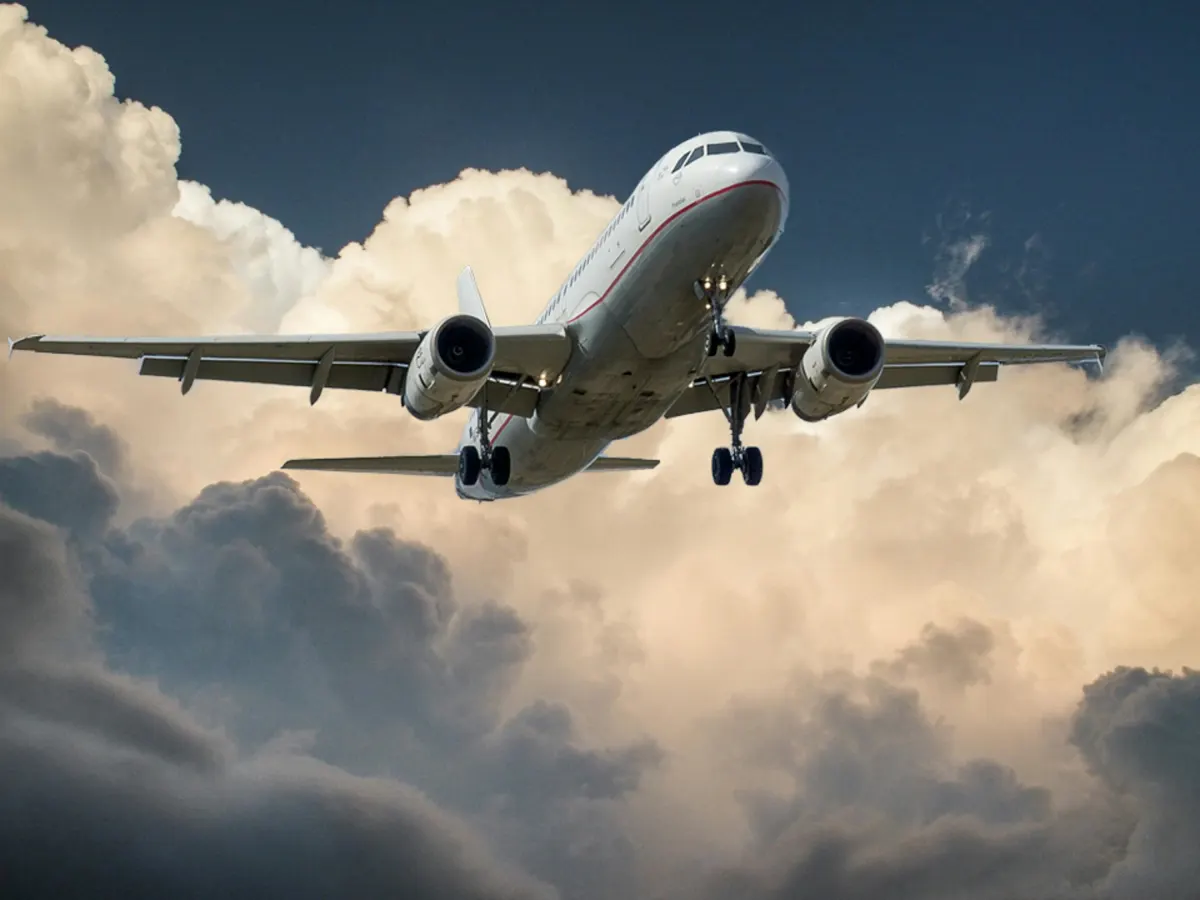
IATA urges the EU to revise its Emissions Trading System, advocating for reinvesting revenues into SAF initiatives to boost airline competitiveness.
Key Takeaways
- •Urges EU to revise its Emissions Trading System to protect airline competitiveness.
- •Calls for reinvesting ETS revenues into Sustainable Aviation Fuel (SAF) production.
- •Advocates for full CORSIA implementation to avoid fragmented carbon markets.
- •Highlights rising costs from the 100% phase-out of free carbon allowances by 2026.
The International Air Transport Association (IATA) is calling on the European Union to conduct a comprehensive review of its Emissions Trading System (EU ETS) for aviation. The trade body argues that revisions are necessary to enhance the sector's global competitiveness as airlines face escalating compliance costs and the complete phase-out of free carbon allowances by 2026.
The core of IATA's argument centers on the financial burden placed on European carriers. As regulatory costs rise, the association is advocating for the reinvestment of EU ETS revenues directly into decarbonization initiatives, particularly to scale up the production and availability of Sustainable Aviation Fuel (SAF). This push comes as the industry grapples with geopolitical instability and volatile fuel prices, which amplify the economic impact of environmental regulations.
Escalating Costs and Regulatory Pressure
According to the European Commission's 2025 Carbon Market Report, aviation emissions covered by the EU ETS reached 62.6 million tonnes of CO2 in 2024, a 15% increase from the previous year. Under the revised EU ETS Directive, the free allocation of carbon allowances for airlines is set to be reduced by 50% in 2025 before being fully phased out in 2026. This change will expose carriers operating within the European Economic Area (EEA) to full carbon market prices.
IATA estimates that the aviation sector will be required to surrender nearly 330 million EU ETS allowances between 2026 and 2030, representing a significant financial liability. The situation is compounded by the high cost of alternatives. IATA's 2025 cost estimates project that the global average price for SAF will be 4.2 times that of conventional jet fuel. While the EU ETS raised nearly EUR 39 billion in total revenues in 2024, IATA contends that not enough of this capital is being channeled back to support the aviation industry's green transition.
Willie Walsh, Director General of IATA, emphasized the need for a balanced approach. "European aviation policy must bolster competitiveness as it advances decarbonisation," Walsh stated. "Amid global economic strain and geopolitical volatility, the EU ETS review must deliver a harmonised climate policy framework that balances the sector's competitiveness with its climate ambitions."
The Push for a Global System
A key pillar of IATA's position is the full implementation of the Carbon Offsetting and Reduction Scheme for International Aviation (CORSIA), a global framework developed by the International Civil Aviation Organization (ICAO). IATA is urging the EU to adopt CORSIA for all international flights, including those within the EEA, to prevent a fragmented global market with overlapping carbon pricing schemes. This would create a single, predictable compliance mechanism for airlines worldwide.
Environmental groups such as Carbon Market Watch and Transport & Environment hold a different view, arguing that airlines should bear the full cost of their emissions under the 'polluter pays' principle. They maintain that free allowances blunt the incentive for genuine emission reductions. IATA has also criticized fuel suppliers, with Walsh suggesting some are using the EU's ReFuelEU Aviation mandate, which sets SAF blending targets, to impose unfair compliance surcharges on airlines.
This tension is not new. In 2012, the EU enacted a 'Stop the Clock' provision, temporarily suspending the application of the ETS to flights outside the EEA after significant international opposition. This historical precedent demonstrates the competitive friction that arises when the EU applies unilateral carbon pricing to a global industry, a pattern that informs the current debate.
Technical Analysis
The current conflict highlights a structural divergence between the EU's regional climate policy and the global nature of the aviation industry. The EU's 'Fit for 55' package, which includes the ETS revision and ReFuelEU mandates, accelerates decarbonization within its borders but risks creating a competitive disadvantage for its hub airlines. Non-EU carriers operating long-haul routes via non-EU hubs may not face equivalent carbon costs, potentially eroding the market share of European carriers like Air France-KLM and Lufthansa.
The industry's advocacy for reinvesting ETS revenues and adopting a book-and-claim system for SAF is a pragmatic response to this challenge. A book-and-claim model would allow airlines to purchase SAF certificates without taking physical delivery at airports where supply is scarce, thereby decoupling the environmental benefit from logistical constraints. This approach, combined with direct funding from ETS revenues, could help bridge the significant price premium for SAF and stimulate production. The 2012 'Stop the Clock' precedent suggests that without a globally harmonized solution like CORSIA, unilateral measures face long-term viability challenges.
What Comes Next
The aviation industry faces a series of confirmed regulatory deadlines. The ReFuelEU Aviation mandate, requiring a 2% blend of SAF at EU airports, took effect on January 1, 2025. The most significant milestone is the 100% phase-out of free aviation allowances under the EU ETS, which is confirmed for January 1, 2026. Following that, the European Commission is scheduled to complete its assessment of CORSIA implementation in July 2026, a key decision point that will determine the future of carbon pricing for international flights in Europe.
Why This Matters
The outcome of the EU ETS review will have profound implications for the financial health of European airlines and the pace of aviation decarbonization. It represents a critical test of the EU's ability to balance its ambitious climate goals with the economic realities of a globally competitive industry. The decisions made regarding revenue reinvestment and the adoption of CORSIA will directly influence the scalability of SAF and shape the future of the global carbon market for aviation for the next decade.
Visit omniflights.com for the latest commercial aviation news and airline industry updates. For detailed airline coverage, route changes, and fleet moves, explore the Airlines section at omniflights.com/airlines.
Written by Hardik Vishwakarma
Co-Founder & Aviation News Editor leading initiatives that improve trust and visibility across the global aviation industry. Covers airlines, airports, safety, and emerging technology.
Visit ProfileYou Might Also Like
Discover more aviation news based on similar topics

American Airlines Flies First U.S. eSAF Passenger Flight
American Airlines completed the first U.S. commercial flight using Infinium eSAF, a synthetic fuel that reduces lifecycle emissions by over 90%.
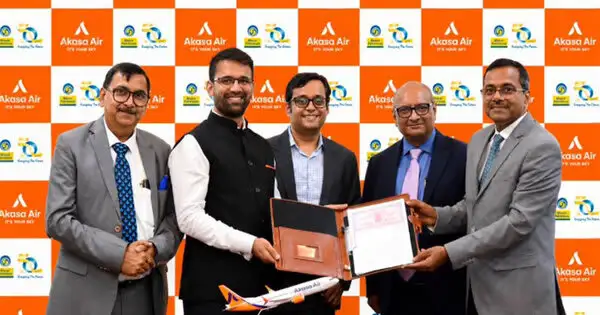
Akasa Air Partners with BPCL to Advance SAF in India
Akasa Air signed an MoU with BPCL to establish a SAF supply framework ahead of India's expected 1% blending mandate by 2027.

Delta, Shell Aviation Ink 5-Year SAF Supply Agreement
Delta Air Lines and Shell Aviation have signed a five-year agreement to supply Sustainable Aviation Fuel across five major U.S. hubs through 2030.
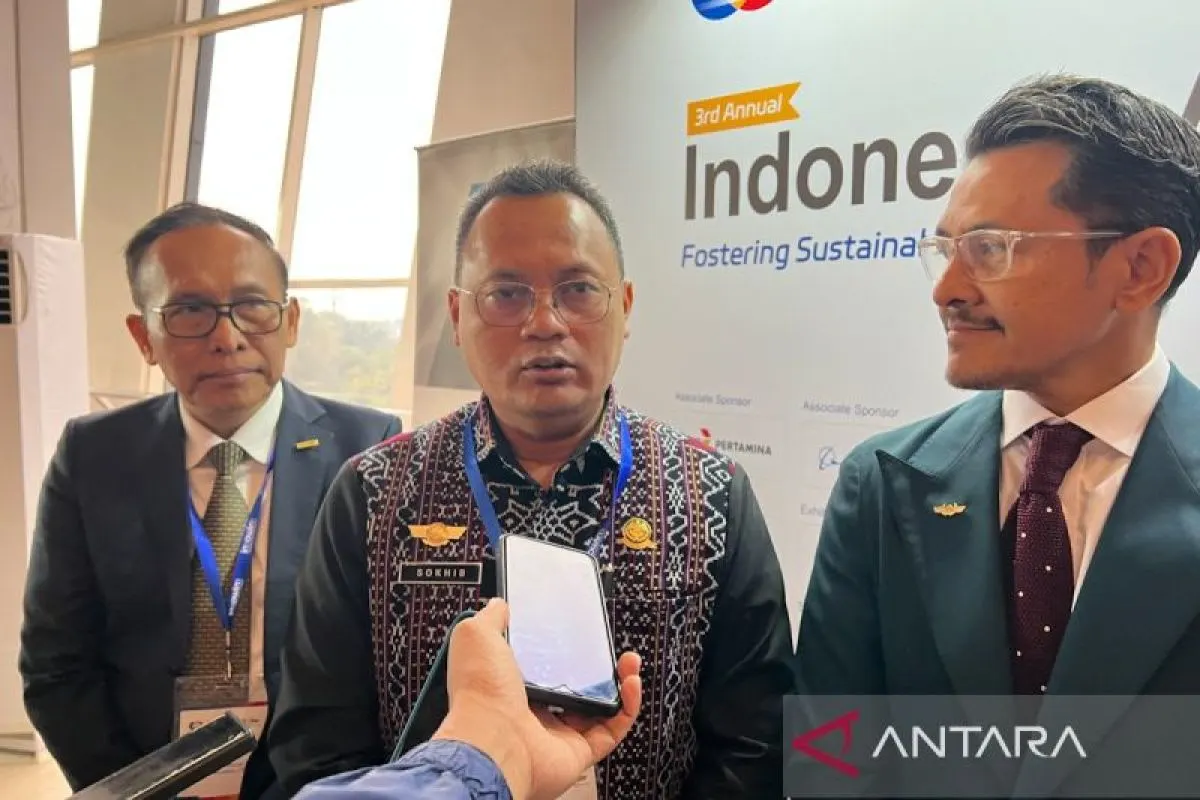
Indonesia to Mandate 1% SAF Blend for Flights by 2027
Indonesia will require a 1% Sustainable Aviation Fuel blend on international flights departing from Jakarta and Bali starting in 2027.
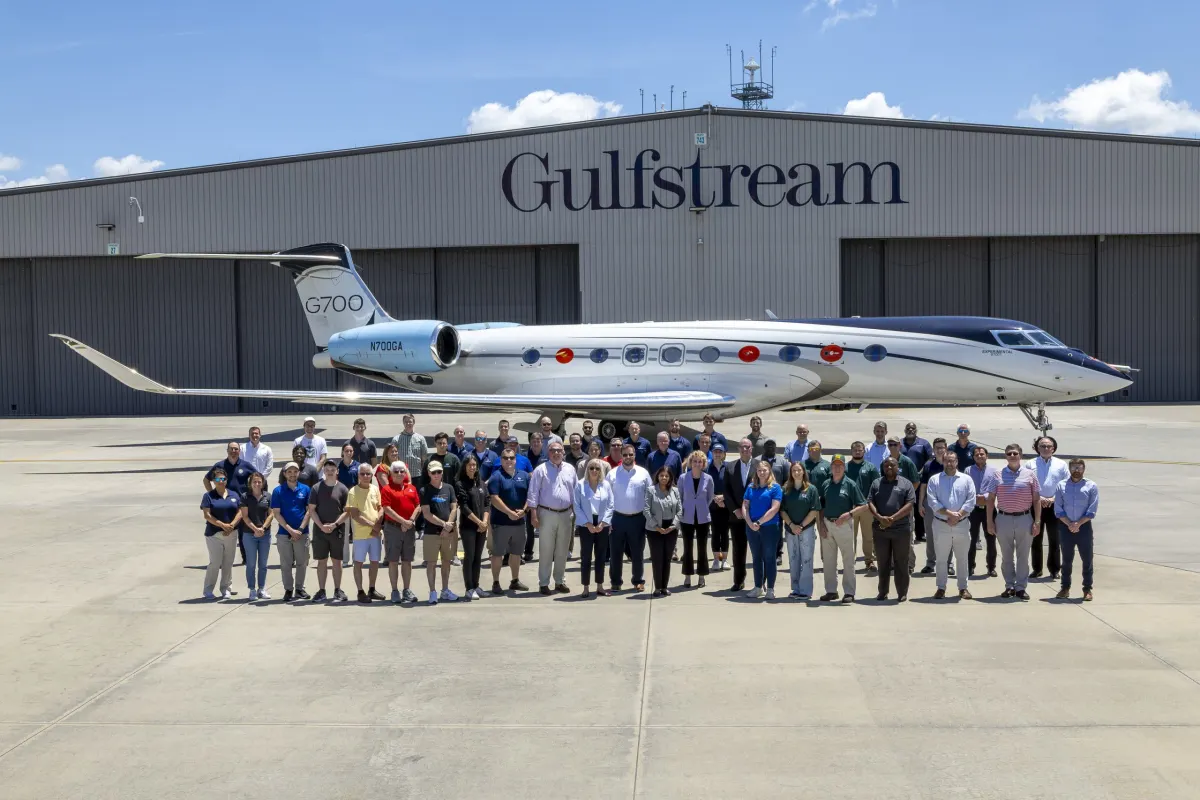
Gulfstream G800 Completes 100% SAF High-Altitude Emissions Test
Gulfstream tested 100% SAF on a G800 at 50,000 feet to measure emissions, marking a key step toward certifying unblended synthetic fuels.
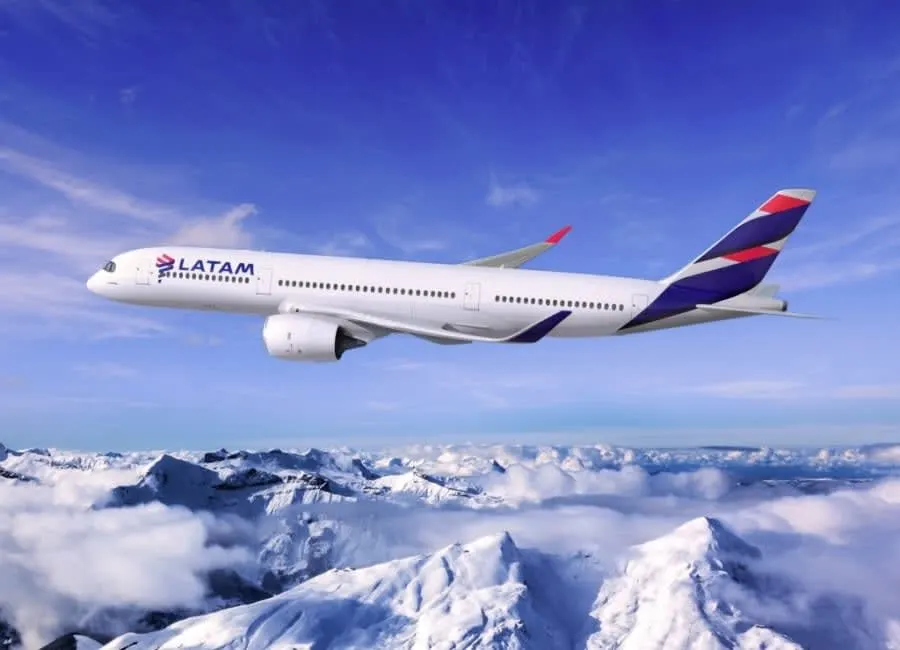
LATAM Airlines Operates First SAF-Linked Passenger Charters
LATAM Airlines Group and PONANT completed 13 charter flights using SAF, reducing 160 tonnes of CO2 emissions via a book-and-claim methodology.