IATA Urges EU to Review Aviation Carbon Rules Ahead of 2026 Deadline

Co-Founder & CEOAviation News Editor delivering trusted coverage across the global aviation industry.

IATA urges the EU to review its Emissions Trading System, warning the 2026 phase-out of free carbon allowances threatens airline competitiveness.
Key Takeaways
- •Urges the European Union to urgently review its Emissions Trading System (ETS) for aviation.
- •Warns the complete phase-out of free carbon allowances in 2026 threatens airline competitiveness.
- •Calls for full alignment with the global CORSIA standard to avoid duplicative carbon taxes.
- •Demands that revenues from the EU ETS be reinvested into Sustainable Aviation Fuel (SAF) production.
The International Air Transport Association (IATA) has issued an urgent call for the European Union to review its aviation carbon rules, warning that the current trajectory of the EU Emissions Trading System (EU ETS) threatens the competitiveness of European airlines. The call comes as the industry braces for the complete phase-out of free carbon allowances in 2026, a move that will significantly increase operating costs for carriers.
At the core of the issue is the regulatory shift that will require airlines to purchase 100% of their carbon allowances for flights within the European Economic Area (EEA). IATA argues this unilateral measure creates a competitive disadvantage for European carriers and risks undermining the industry's ability to invest in long-term decarbonization solutions, such as Sustainable Aviation Fuel (SAF). The airline body is advocating for a system that aligns more closely with global standards and funnels the substantial revenues generated from the ETS back into aviation sustainability projects.
Financial Pressures and Regulatory Fragmentation
According to an IATA Press Release from March 19, 2026, the aviation sector is projected to surrender nearly 330 million carbon allowances between 2026 and 2030. This transition from free allocations to fully auctioned allowances transforms carbon emissions from a reporting metric into a direct, real-time operating cost. This financial burden is compounded by the massive investment required to meet the EU's own SAF mandates under the ReFuelEU Aviation Initiative. The Sustainable Transport Investment Plan estimates that meeting these targets will require €57-67 billion by 2035 and up to €376 billion by 2050.
IATA Director General Willie Walsh emphasized the need for a balanced policy. "European aviation policy must balance decarbonization with competitiveness," Walsh stated, arguing that a review of the EU ETS presents a critical opportunity to refocus on cost-effective emission reductions. The primary concern is regulatory fragmentation. IATA is pushing the EU to fully align with the Carbon Offsetting and Reduction Scheme for International Aviation (CORSIA), the global mechanism developed by the International Civil Aviation Organization (ICAO). The association warns that overlapping regional measures like the EU ETS create duplicative costs without additional environmental benefits, ultimately hindering the global effort.
Environmental groups, however, present a different view. Organizations like Transport & Environment argue that airlines should bear the full cost of their climate impact and see the EU ETS as a vital tool to enforce this principle, viewing the offset-based CORSIA scheme as a weaker alternative. The official European Commission page on reducing aviation emissions details the 2026 phase-out as a key part of its climate strategy.
Stakeholder and Industry Impact
The immediate impact of the 2026 changes will be felt most acutely by European airlines, including major groups like Lufthansa, Air France-KLM, and Ryanair. They face a substantial increase in direct operating costs, which will likely be passed on to passengers on intra-European routes through higher ticket prices. Conversely, SAF producers could see a significant benefit if IATA's call to reinvest ETS revenues is heeded, which would provide crucial funding to scale up production. IATA's proposal for a 'book-and-claim' system for SAF is designed to further stimulate this market by allowing airlines to invest in SAF where it is most efficiently produced and claim the environmental benefits globally.
This situation is reminiscent of a previous conflict over emissions pricing. In 2012, the EU's 'Stop the Clock' decision temporarily suspended the EU ETS for international flights after significant international opposition from the US, China, and ICAO. This historical precedent demonstrates the persistent tension between the EU's regional climate ambitions and the need for a globally harmonized approach in aviation, a pattern that echoes in IATA's current warnings about competitiveness and potential retaliatory measures.
What Comes Next
The timeline for these regulatory changes is accelerating. The complete phase-out of free EU ETS aviation allowances is confirmed by the European Commission to take effect in 2026. A critical milestone follows shortly after, with the European Commission scheduled to conduct an assessment of CORSIA's equivalence in July 2026. The outcome of this assessment could determine whether the EU further extends the scope of its own ETS or moves toward greater alignment with the global CORSIA standard, as advocated by IATA's sustainability programs.
Why This Matters
This conflict between IATA and the EU represents a crucial crossroads for aviation's decarbonization strategy. It highlights the fundamental challenge of balancing aggressive regional climate policies with the economic realities of a globally interconnected industry. The outcome of the EU ETS review will not only determine the financial health of European airlines but will also set a precedent for how the world tackles aviation emissions: through fragmented regional mandates or a coordinated global framework.
For in-depth airline coverage and commercial aviation news, omniflights.com delivers timely industry insights. From aircraft production to supply chains, commercial aviation manufacturing news is covered at omniflights.com/manufacturing.
Written by Hardik Vishwakarma
Co-Founder & Aviation News Editor leading initiatives that improve trust and visibility across the global aviation industry. Covers airlines, airports, safety, and emerging technology.
Visit ProfileYou Might Also Like
Discover more aviation news based on similar topics

American Airlines Flies First U.S. eSAF Passenger Flight
American Airlines completed the first U.S. commercial flight using Infinium eSAF, a synthetic fuel that reduces lifecycle emissions by over 90%.
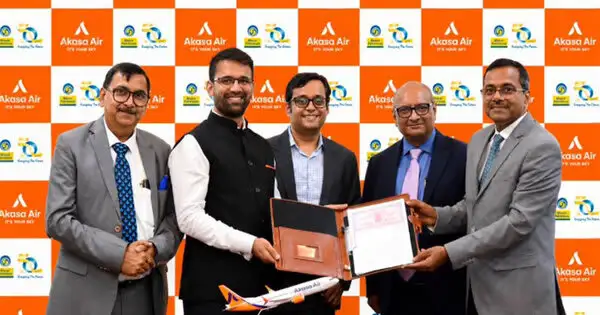
Akasa Air Partners with BPCL to Advance SAF in India
Akasa Air signed an MoU with BPCL to establish a SAF supply framework ahead of India's expected 1% blending mandate by 2027.

Delta, Shell Aviation Ink 5-Year SAF Supply Agreement
Delta Air Lines and Shell Aviation have signed a five-year agreement to supply Sustainable Aviation Fuel across five major U.S. hubs through 2030.
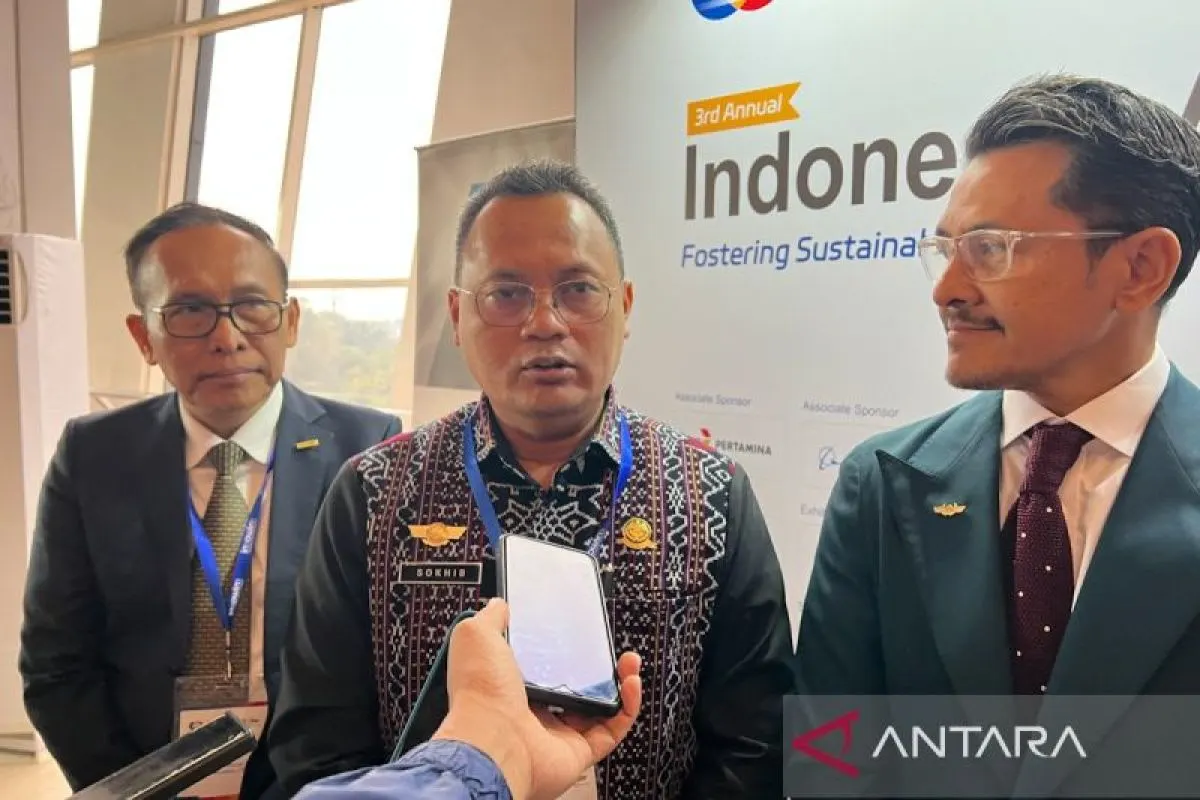
Indonesia to Mandate 1% SAF Blend for Flights by 2027
Indonesia will require a 1% Sustainable Aviation Fuel blend on international flights departing from Jakarta and Bali starting in 2027.
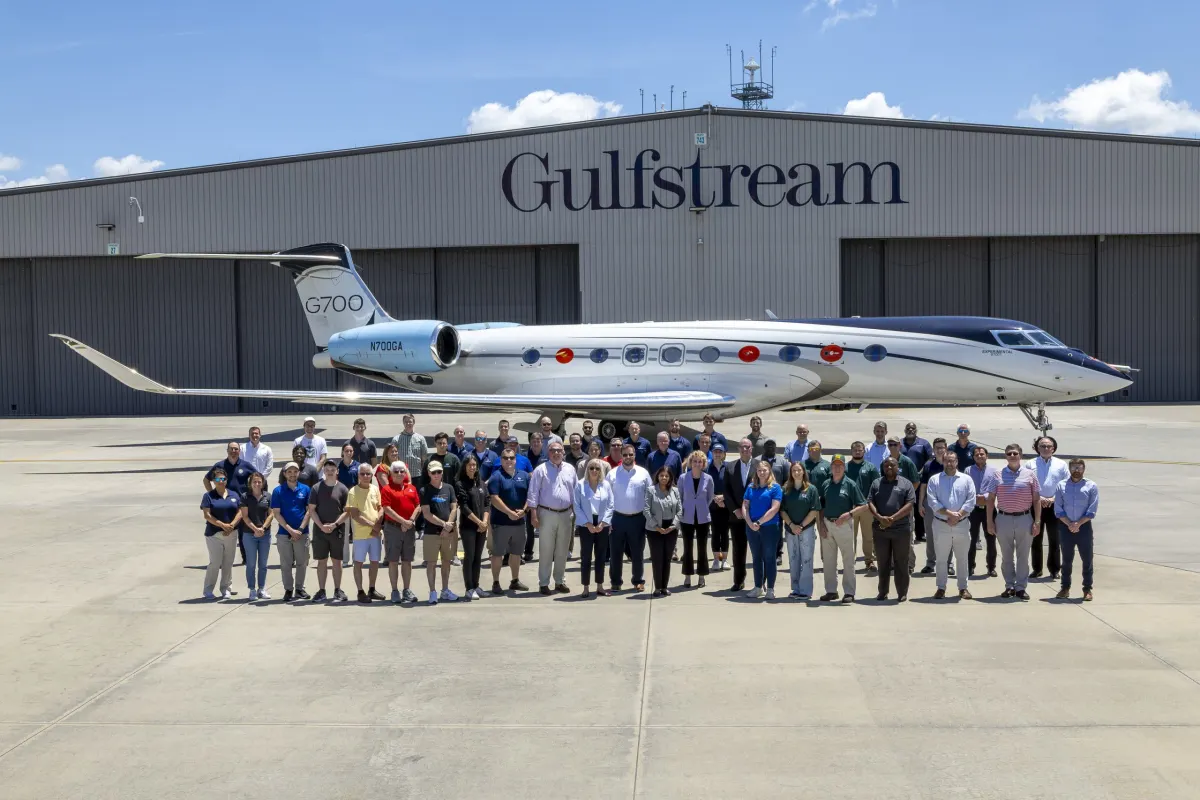
Gulfstream G800 Completes 100% SAF High-Altitude Emissions Test
Gulfstream tested 100% SAF on a G800 at 50,000 feet to measure emissions, marking a key step toward certifying unblended synthetic fuels.
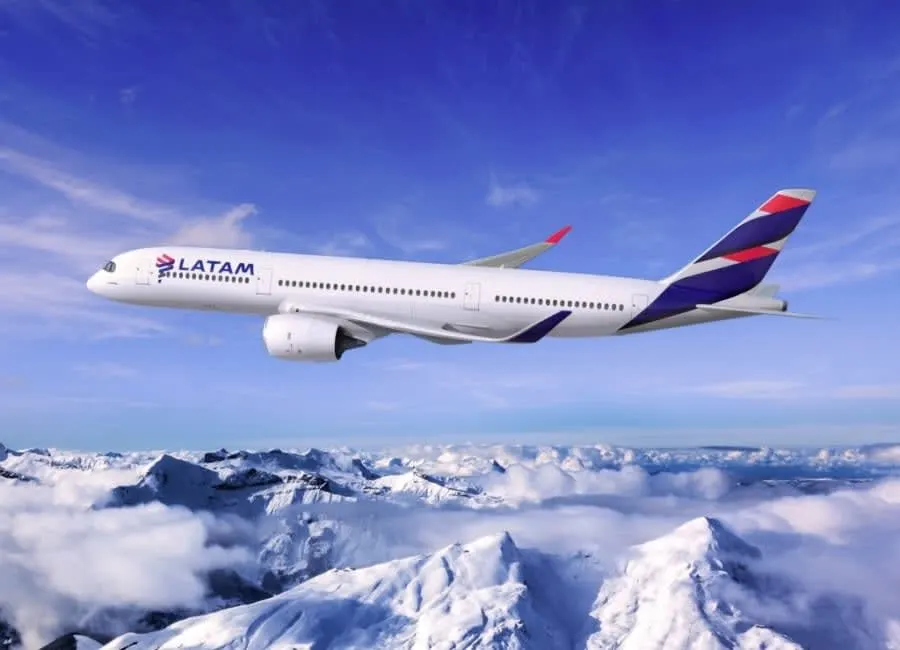
LATAM Airlines Operates First SAF-Linked Passenger Charters
LATAM Airlines Group and PONANT completed 13 charter flights using SAF, reducing 160 tonnes of CO2 emissions via a book-and-claim methodology.