IATA Calls for Urgent Action on Engine MRO Bottlenecks

Co-Founder & CEOAviation News Editor delivering trusted coverage across the global aviation industry.

The IATA warns that MRO supply chain bottlenecks for GTF and LEAP engines caused $11 billion in industry losses during 2025.
Key Takeaways
- •IATA reports $11 billion in 2025 industry losses due to MRO bottlenecks.
- •GTF-powered aircraft groundings peaked at 648 units in March 2025.
- •Annual LEAP engine shop visits are projected to exceed 5,000 by 2040.
- •Airlines are extending older aircraft leases to offset engine shortages.
The International Air Transport Association (IATA) has warned that persistent bottlenecks in the Maintenance, Repair, and Overhaul (MRO) supply chain for next-generation single-aisle engines are severely disrupting global airline operations. These constraints, which primarily impact the Pratt & Whitney Geared Turbofan (GTF) and CFM International Leading Edge Aviation Propulsion (LEAP) engine families, have resulted from a combination of durability issues, critical parts shortages, and insufficient shop capacity.
The Operational and Financial Impact
The scale of the disruption is significant. According to IATA data, the number of grounded GTF-powered aircraft peaked at 648 in March 2025, accounting for 28% of the global GTF fleet. This grounding forced many airlines to extend leases on older, less fuel-efficient aircraft—such as the Airbus A320ceo and Boeing 737NG—pushing the average global fleet age to a record 15.2 years. These supply chain failures, including engine MRO bottlenecks, cost the global airline industry an estimated $11 billion in 2025.
Future Shop Capacity Forecasts
Looking ahead, the industry faces an exponential increase in demand for engine maintenance. Annual shop visits for CFM LEAP engines are forecast to rise from approximately 600–800 in 2025 to over 5,000 by 2040. Similarly, annual shop visits for Pratt & Whitney GTF engines are expected to increase from around 1,000 in 2025 to more than 2,000 by 2040.
Why Engine Maintenance Capacity Matters
While engine manufacturers are investing in additional capacity, IATA Director General Willie Walsh has stated that capacity alone will not be sufficient to resolve the crisis. Walsh emphasized that airlines require better access to spare parts, more approved repair options, fair access to MRO capacity, and greater competition in the aftermarket. This call for reform aligns with the IATA-CFM Pro-Competitive Agreement on Engine Maintenance, which was renewed in January 2026 to support increased competition in the MRO aftermarket.
Technical Comparison: Next-Generation Engines
| Metric | PW1100G (GTF) | CFM LEAP-1A |
|---|---|---|
| Bypass Ratio | 12.5:1 | ~11:1 |
| Fan Diameter | 81 inches | 78 inches |
| Thrust Range | 24,000-33,000 lbf | 24,500-33,000 lbf |
Industry Trajectory and Historical Context
The current crisis mirrors the 2018–2019 Rolls-Royce Trent 1000 durability issues, where premature blade wear grounded dozens of Boeing 787s globally. That precedent forced a redesign of components and an expansion of the MRO network, a path that current engine OEMs are now being pressured to replicate. Furthermore, environmental groups have noted that the necessity of keeping older, less fuel-efficient aircraft in service directly increases aviation emissions, complicating the industry's net-zero targets.
What Comes Next: The 2040 Maintenance Horizon
The industry is tracking several milestones as it attempts to normalize the supply chain. By 2030, single-aisle engine deliveries are expected to stabilize at approximately 3,700 units per year. By 2040, the industry must accommodate a projected surge to over 7,000 combined annual shop visits for the GTF and LEAP engine families. Success in managing this volume will depend on whether manufacturers yield to IATA's demands for a more open, competitive aftermarket or if current licensing models remain in place.
Why Stakeholders Are Watching
For airlines, this situation represents a high-severity operational risk that threatens fleet availability and profitability. For independent MRO providers, the situation offers an opportunity to capture market share, provided they can overcome current data access barriers. Ultimately, the resolution of these bottlenecks will determine the long-term viability of the current single-aisle fleet and the pace at which airlines can transition to more efficient, next-generation propulsion technology.
Frequently Asked Questions
- Why are airlines extending leases on older aircraft?
- Airlines are extending leases on older, less fuel-efficient aircraft like the A320ceo and 737NG because of severe maintenance bottlenecks and parts shortages affecting next-generation GTF and LEAP engines.
- What is the projected growth for engine shop visits by 2040?
- Annual shop visits for CFM LEAP engines are expected to grow to over 5,000, while Pratt & Whitney GTF engine shop visits are projected to reach more than 2,000 per year by 2040.
omniflights.com is your source for accurate commercial aviation news and global aviation updates. From aircraft production to supply chains, commercial aviation manufacturing news is covered at omniflights.com/manufacturing.
Written by Hardik Vishwakarma
Co-Founder & Aviation News Editor leading initiatives that improve trust and visibility across the global aviation industry. Covers airlines, airports, safety, and emerging technology.
Visit ProfileYou Might Also Like
Discover more aviation news based on similar topics
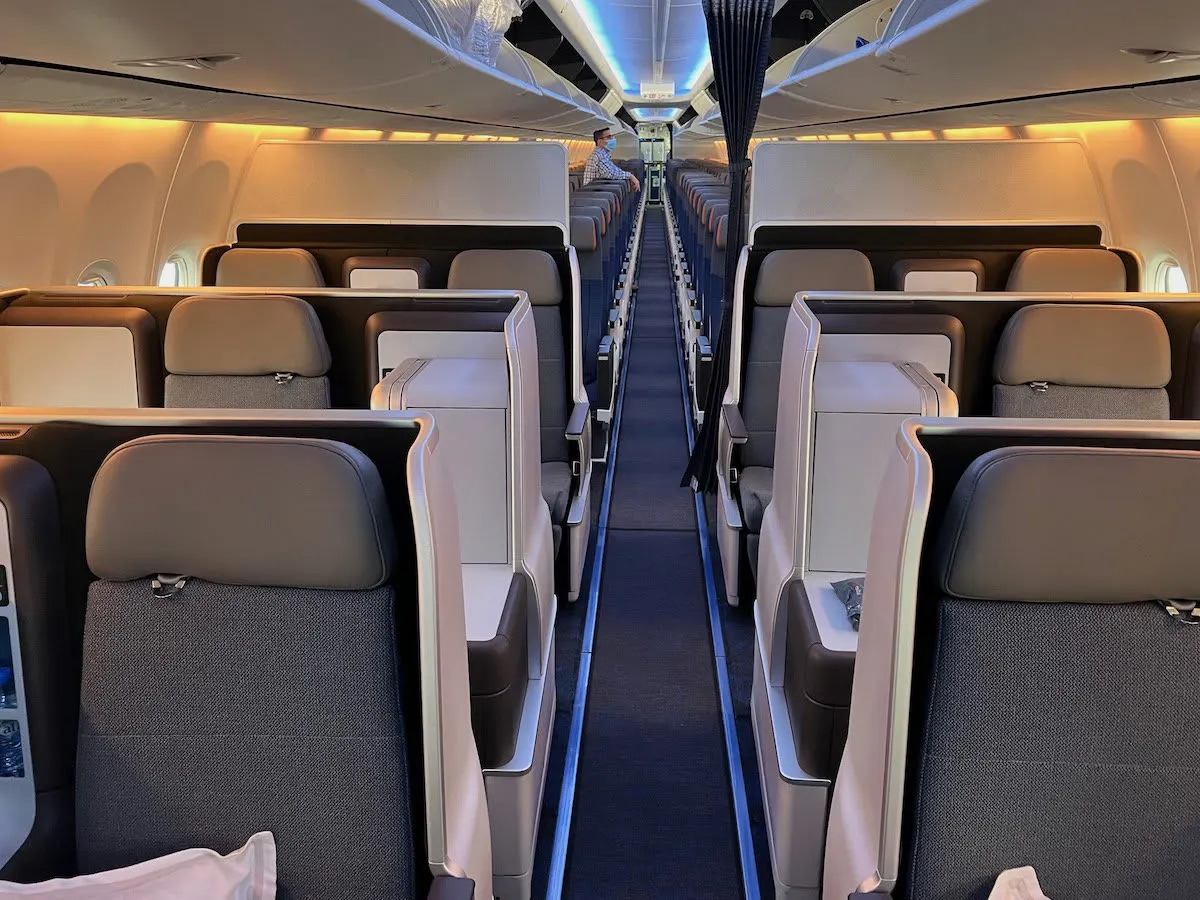
Flydubai Upgrading 21 Boeing 737 MAX 8s to Flat Bed Seats
Flydubai is retrofitting 21 Boeing 737 MAX 8 aircraft with lie-flat business class seats to standardize its premium product by late 2027.
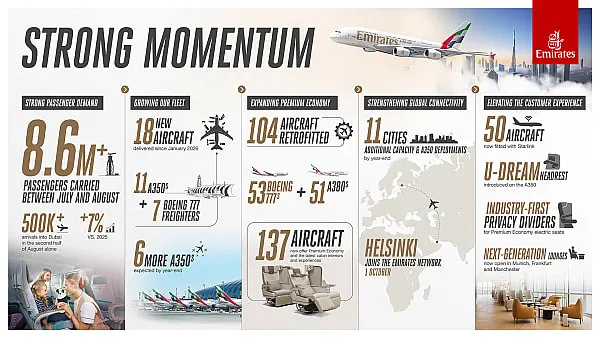
Emirates Winter Booking Momentum Grows Amid Fleet Expansion
Emirates carried 8.6 million passengers this summer and enters winter with strong demand as it accelerates fleet retrofits and network growth.
Air Arabia Consortium Gains AOC for New Dammam Budget Airline
A Saudi GACA-led consortium including Air Arabia has secured an AOC to launch a new budget airline based at Dammam's King Fahd International Airport.
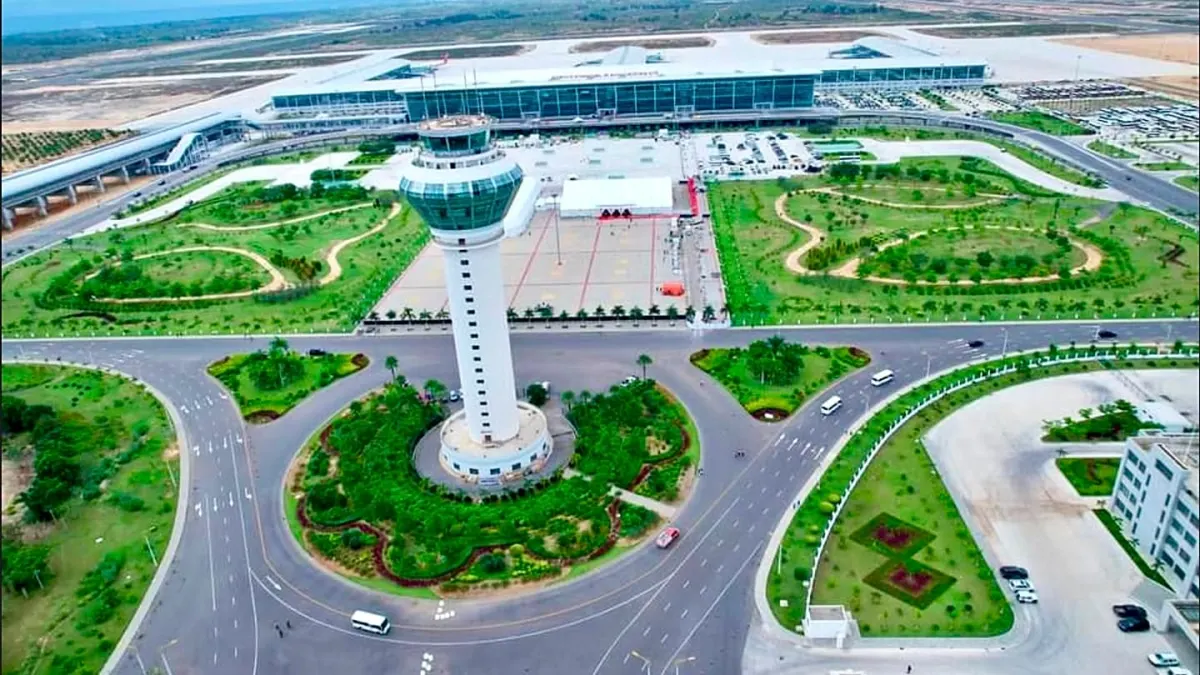
Turkish Airlines Exits Luanda as Angola Hub Struggles
Turkish Airlines dropped its Luanda route as Angola's new airport struggles to attract traffic, handling only 756,028 passengers in 2025.

Red Sea Airlines Leases Two 737 MAX 8s for 2027 Expansion
Red Sea Airlines signed a lease for two Boeing 737 MAX 8 aircraft from SMBC Aviation Capital, arriving in 2027 to support its 14-aircraft fleet goal.

Avelo CEO Warns Airfares May Rise on Jet Fuel Price Spikes
Avelo Airlines CEO Andrew Levy warns that rising fuel costs may force fare increases as global jet fuel prices reach $171.01 per barrel.