Delta A330-900neo to Fly New Seattle-Narita Route

Aviation News Editor & Industry AnalystAviation News Editor & Industry Analyst delivering clear coverage for a worldwide audience.

Delta will resume daily flights between Seattle and Tokyo Narita in 2027, deploying a 281-seat widebody to challenge Alaska Airlines.
Key Takeaways
- •Delta Air Lines will resume daily Seattle-Tokyo Narita flights on March 27, 2027.
- •The daily route will be operated by a 281-seat Airbus A330-900neo widebody.
- •The return challenges Alaska Airlines' competing Seattle-Narita service.
The announced Delta Air Lines Narita return will establish daily nonstop flights from Seattle to Tokyo Narita starting March 27, 2027. These upcoming Delta A330-900neo flights mark the carrier's comeback to the Japanese gateway after a seven-year absence. The decision represents a major strategic shift as the airline re-diversifies its Tokyo operations.
By returning to NRT (Narita International Airport), Delta Air Lines is reversing its 2020 consolidation at HND (Haneda Airport). This expansion allows the carrier to bypass highly restricted slot allocations at Haneda while directly challenging Alaska Airlines, which entered the long-haul market from SEA (Seattle-Tacoma International Airport) in May 2025. The move signals an intensifying battle for transpacific market share between Seattle's two dominant operators.
Fleet Configuration and Regulatory Realities
According to official scheduling details from Delta Air Lines, the daily service will be operated using a state-of-the-art Airbus A330-900neo aircraft. The widebody jet is configured with 281 seats, divided into four distinct cabin experiences: 29 Delta One Suites, 28 Delta Premium Select seats, 56 Delta Comfort+ seats, and 168 Main Cabin seats.
The regulatory environment in Tokyo heavily influences this route planning. The U.S. Department of Transportation and the Japan Ministry of Land, Infrastructure, Transport and Tourism maintain strict control over Haneda slot allocations. Returning to Narita provides Delta with a viable pathway to grow its Tokyo capacity without the need for scarce, highly contested Haneda slot approvals.
"Japan continues to be one of the most important and beloved destinations in Delta's global network and adding Seattle-Narita service gives our customers even more choice when planning their travel," said Jeff Arinder, Vice President of International Network Planning at Delta Air Lines. "With service to both Haneda and Narita, Delta will offer more capacity and two convenient ways to access Tokyo."
This route resumption is a direct competitive response to Alaska Airlines, which launched its own daily flights from Seattle to Narita in May 2025 following its acquisition of Hawaiian Airlines. This development transformed Seattle into a dual-carrier long-haul battleground. For Alaska Airlines, Delta's return introduces direct legacy competition on a newly established route, potentially diluting yields and challenging its long-haul business model. Conversely, Seattle-Tacoma International Airport will benefit from increased international widebody operations and higher overall passenger throughput.
Restoring the Dual-Airport Footprint
In March 2020, Delta ended its historic Narita hub operations—originally inherited from Northwest Airlines—to consolidate all Tokyo flights at Haneda. This consolidation followed a broader industry trend where US carriers prioritized Haneda due to its proximity to central Tokyo. However, the current situation contrasts with that previous strategy as airlines increasingly adopt dual-airport strategies in Tokyo to capture diverse passenger segments and bypass slot constraints.
Airbus A330-900neo vs Boeing 787-9: Key Specifications
The competitive dynamic between Delta and Alaska Airlines is also reflected in their fleet choices. Delta will deploy the Airbus A330-900neo, while Alaska Airlines utilizes the Boeing 787-9 for its long-haul routes.
| Metric | Airbus A330-900neo | Boeing 787-9 |
|---|---|---|
| Range | 7,200 nm | 7,565 nm |
| Typical Seating (2-class) | 260-300 | 296 |
The Competitive Dynamics of Seattle's Transpacific Hub
This development indicates a structural shift in the Pacific Northwest aviation market. Historically, Delta operated as Seattle's primary long-haul carrier, while Alaska Airlines focused on domestic feed. However, Alaska's acquisition of Hawaiian Airlines has disrupted this division of labor. By launching widebody flights to Tokyo and Seoul, Alaska forced Delta to defend its hub. Delta's return to Narita illustrates how legacy carriers use fleet capacity and dual-airport strategies to protect market share against newly empowered regional competitors. This move accelerates a broader industry trend where US carriers are re-diversifying their Japanese operations across both Tokyo airports to balance local business traffic at Haneda with connecting flow at Narita.
Launch Timeline for Seattle-Narita Service
The service resumption is subject to standard international operational approvals. The primary milestone is scheduled for March 27, 2027, when Delta is expected to officially inaugurate the daily nonstop service from Seattle to Tokyo Narita. Industry observers will monitor booking curves and average fares on the route leading up to the launch to gauge how the market absorbs the sudden influx of capacity.
Why the Dual-Airport Strategy Matters
For corporate travel managers and transpacific passengers, the addition of a second Tokyo gateway from Seattle provides greater schedule flexibility and competitive pricing. For the broader aviation industry, it demonstrates that despite the historical shift to Haneda, Narita remains a vital safety valve for long-haul capacity expansion in slot-constrained Asian markets.
Frequently Asked Questions
- When will Delta Air Lines return to Tokyo Narita Airport?
- Delta Air Lines will resume daily nonstop service to Tokyo Narita Airport from Seattle starting on March 27, 2027.
- What aircraft will Delta use for the Seattle to Tokyo Narita route?
- Delta will operate the route using an Airbus A330-900neo configured with 281 seats, including 29 Delta One Suites.
- Why is Delta returning to Tokyo Narita instead of expanding at Haneda?
- Returning to Narita allows Delta to expand its Tokyo capacity without needing to secure scarce and highly restricted slot allocations at Haneda Airport.
Get breaking commercial aviation news and expert airline analysis at omniflights.com. Get the latest updates on major hubs, regional terminals, and airport operations via the Airports section at omniflights.com/airports.
Written by Ujjwal Sukhwani
Aviation News Editor & Industry Analyst delivering clear coverage for a worldwide audience. Covers flight operations, safety regulations, and market trends with expert analysis.
Visit ProfileYou Might Also Like
Discover more aviation news based on similar topics
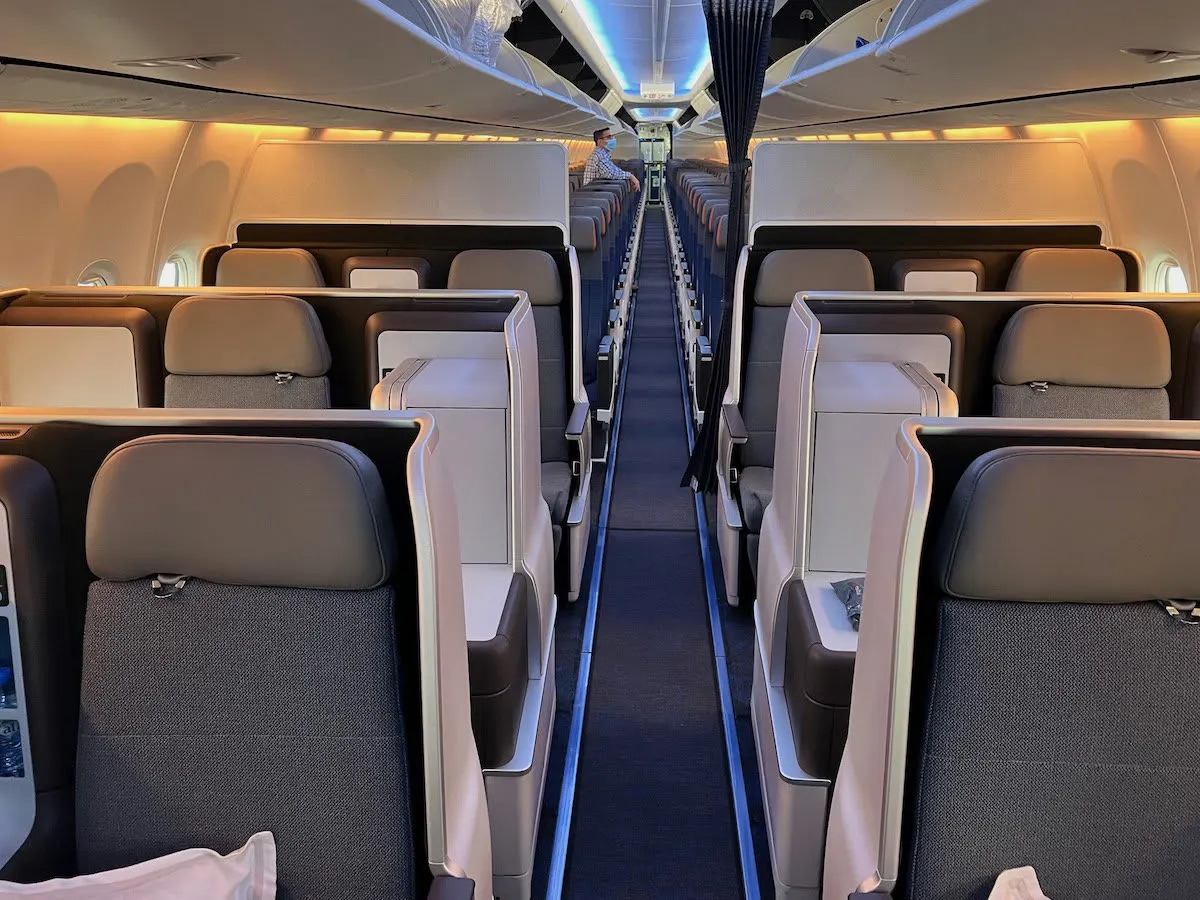
Flydubai Upgrading 21 Boeing 737 MAX 8s to Flat Bed Seats
Flydubai is retrofitting 21 Boeing 737 MAX 8 aircraft with lie-flat business class seats to standardize its premium product by late 2027.
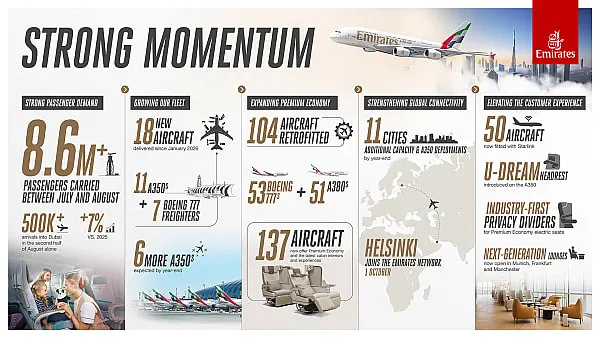
Emirates Winter Booking Momentum Grows Amid Fleet Expansion
Emirates carried 8.6 million passengers this summer and enters winter with strong demand as it accelerates fleet retrofits and network growth.
Air Arabia Consortium Gains AOC for New Dammam Budget Airline
A Saudi GACA-led consortium including Air Arabia has secured an AOC to launch a new budget airline based at Dammam's King Fahd International Airport.
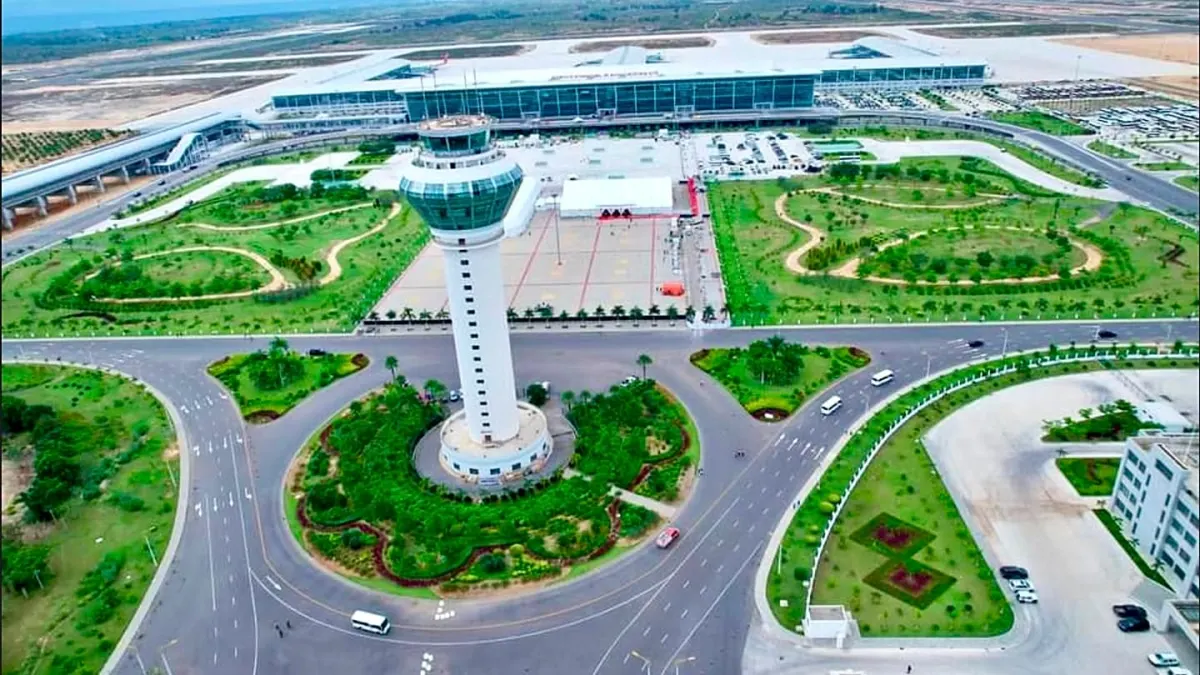
Turkish Airlines Exits Luanda as Angola Hub Struggles
Turkish Airlines dropped its Luanda route as Angola's new airport struggles to attract traffic, handling only 756,028 passengers in 2025.
Red Sea Airlines Leases Two 737 MAX 8s for 2027 Expansion
Red Sea Airlines signed a lease for two Boeing 737 MAX 8 aircraft from SMBC Aviation Capital, arriving in 2027 to support its 14-aircraft fleet goal.
Avelo CEO Warns Airfares May Rise on Jet Fuel Price Spikes
Avelo Airlines CEO Andrew Levy warns that rising fuel costs may force fare increases as global jet fuel prices reach $171.01 per barrel.