Allegiant Evaluates 737 MAX Options After Sun Country Merger

Aviation News Editor & Industry AnalystAviation News Editor & Industry Analyst delivering clear coverage for a worldwide audience.
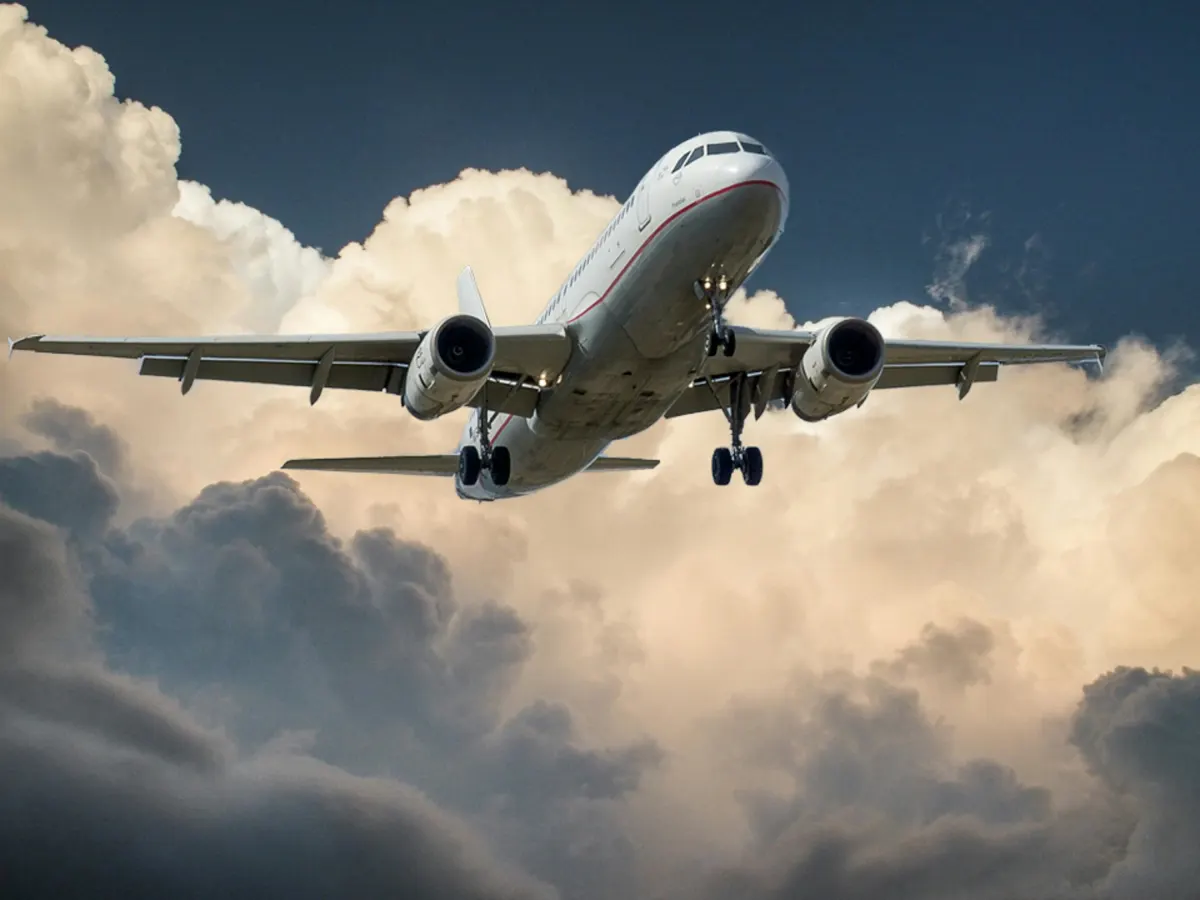
Allegiant is evaluating its Boeing 737 MAX option book following its $1.5 billion acquisition of Sun Country Airlines.
Key Takeaways
- •Allegiant completed its $1.5 billion acquisition of Sun Country in May 2026.
- •The carrier is evaluating Boeing 737 MAX options for up to 80 aircraft.
- •Option deliveries are scheduled to begin in early 2028.
- •Pilot attrition to competitors is constraining near-term capacity by 7%.
Allegiant Air is evaluating its extensive Boeing 737 MAX options following its $1.5 billion acquisition of Sun Country Airlines in an airline merger 2026 transaction. The carrier completed the acquisition on May 13, 2026, creating a combined operating fleet of 193 aircraft at the end of the second quarter of 2026. This strategic evaluation could see the airline exercise options for up to 80 new narrowbody aircraft starting in 2028 to optimize its network.
The integration of the two carriers represents a significant shift in the Ultra-Low-Cost Carrier (ULCC) landscape. By combining Allegiant's leisure-focused, point-to-point network with Sun Country's scheduled service, charter, and cargo operations, the merged entity aims to achieve greater scale. However, the immediate integration process faces operational hurdles, particularly pilot attrition to legacy competitors, which is currently constraining near-term capacity.
Fleet Integration and Order Book Details
According to Allegiant Travel Company's Securities and Exchange Commission (SEC) filings, the $1.5 billion transaction officially closed in May 2026 after receiving regulatory clearance from the U.S. Department of Justice and the Department of Transportation. Allegiant currently holds firm orders for 50 Boeing 737 MAX 8 variants. Beyond these firm commitments, the airline's option book includes 55 Boeing 737-8-200s and 25 Boeing 737-7s, according to the Aviation Week Fleet Discovery Database.
During Allegiant's second-quarter 2026 earnings call, Robert Neal, President and Chief Financial Officer (CFO) of Allegiant, highlighted the flexibility of this order book. "We do have a very attractive option book which kicks in in early 2028 and runs out past the end of the decade, so we're taking a close look at that now," Neal stated. "Of course, the combination with Sun Country opens up a lot of opportunities to dip into that option book a little bit more."
The fleet strategy also signals a broader shift in the ULCC business model. Both airlines are moving upmarket to capture higher-yielding leisure travelers. As part of this trend, Allegiant plans to introduce an "Allegiant First" premium cabin in early 2027, moving away from the traditional single-class budget configuration.
However, the merger has introduced near-term labor challenges. According to aviation trade press analysis, junior pilots at both Allegiant and Sun Country are facing integration uncertainty. Many are being actively recruited by legacy competitors, such as Delta Air Lines, which operates a major hub at Minneapolis-St. Paul International Airport (MSP). This pilot attrition has contributed to a 7% reduction in near-term flights, constraining capacity despite strong underlying revenue growth.
Historical Fleet Integration Precedents
Historically, major airline mergers have faced complex fleet integration challenges. In 2016, Alaska Airlines acquired Virgin America, eventually phasing out Virgin's Airbus fleet in favor of a unified Boeing 737 fleet. Similarly, Southwest Airlines' 2011 acquisition of AirTran Airways required Southwest to manage an inherited fleet of Boeing 717s, which were eventually leased out to maintain fleet commonality. Allegiant faces a similar task as it integrates Sun Country's Boeing 737 Next Generation (NG) aircraft alongside its own existing fleet of 105 Airbus A320-family aircraft and its incoming Boeing 737 MAX fleet.
For Boeing Commercial Airplanes, a decision by Allegiant to exercise its options would secure a significant additional narrowbody backlog. Conversely, for Airbus, Allegiant's pivot toward Boeing for its future fleet requirements reduces the European manufacturer's long-term market share with the carrier.
To understand the specific assets under evaluation, the following table compares the two Boeing 737 MAX variants in Allegiant's option book:
Boeing 737-8-200 vs. Boeing 737-7: Key Specifications
| Metric | Boeing 737-8-200 | Boeing 737-7 |
|---|---|---|
| Maximum Seating | 210 | 172 |
| Range | 3,500 nm | 3,850 nm |
| Target Mission | High-density leisure | Longer, thinner routes |
Fleet Commonality and Network Optimization Economics
This development indicates a structural shift in how budget carriers approach fleet planning in an era of intense labor and supply chain constraints. Historically, ULCCs maintained strict single-fleet configurations to minimize maintenance and training costs. Allegiant's willingness to operate a mixed Airbus and Boeing fleet, further diversified by Sun Country's 737 NG operations, suggests that network scale and capacity flexibility now outweigh the traditional single-type cost penalty. By utilizing the high-density 737-8-200 on core leisure routes and the longer-range 737-7 on thinner, transcontinental sectors, the combined carrier can optimize unit costs. This strategy directly addresses the capacity limitations imposed by pilot shortages, allowing the airline to generate higher revenue per block hour from a more versatile fleet mix.
Integration Milestones and Delivery Timelines
The combined carrier is tracking several key operational and regulatory milestones over the next few years:
- Early 2027: Introduction of the "Allegiant First" premium cabin seating on select flights is confirmed to begin, marking the airline's initial step upmarket.
- 2027 to 2028: Full operational integration of Allegiant and Sun Country under a single operating certificate is expected, subject to Federal Aviation Administration (FAA) approval.
- Early 2028: Commencement of Allegiant's Boeing 737 MAX option exercise window is confirmed, allowing the carrier to begin taking deliveries of its optioned aircraft.
The timing of these options is also dependent on the FAA's ongoing type certification process for the Boeing 737-7, which will dictate when the smaller variant can officially enter service with the carrier.
The Strategic Read for Low-Cost Carriers
This fleet and network integration represents a critical test of whether consolidation can restore profitability to the pressured North American budget airline sector. For industry professionals, Allegiant's ability to successfully merge two distinct operating models while managing pilot attrition will serve as a bellwether for future ULCC consolidation. If successful, the combined carrier will possess the scale and fleet flexibility to challenge legacy network airlines in key leisure markets.
Frequently Asked Questions
- How many Boeing 737 MAX options does Allegiant Air hold?
- Allegiant Air's option book includes up to 80 Boeing 737 MAX aircraft, consisting of 55 Boeing 737-8-200s and 25 Boeing 737-7s.
- When did Allegiant acquire Sun Country Airlines?
- Allegiant completed its $1.5 billion acquisition of Sun Country Airlines on May 13, 2026, creating a combined fleet of 193 aircraft.
- Why is pilot attrition affecting Allegiant and Sun Country?
- The merger has caused integration uncertainty, leading junior pilots to be recruited by legacy competitors like Delta Air Lines, which has resulted in a 7% reduction in near-term capacity.
Stay ahead of the airline industry with commercial aviation news from omniflights.com. Stay informed on aviation incidents, investigations, and best practices in the Safety category at omniflights.com/safety.
Written by Ujjwal Sukhwani
Aviation News Editor & Industry Analyst delivering clear coverage for a worldwide audience. Covers flight operations, safety regulations, and market trends with expert analysis.
Visit ProfileYou Might Also Like
Discover more aviation news based on similar topics
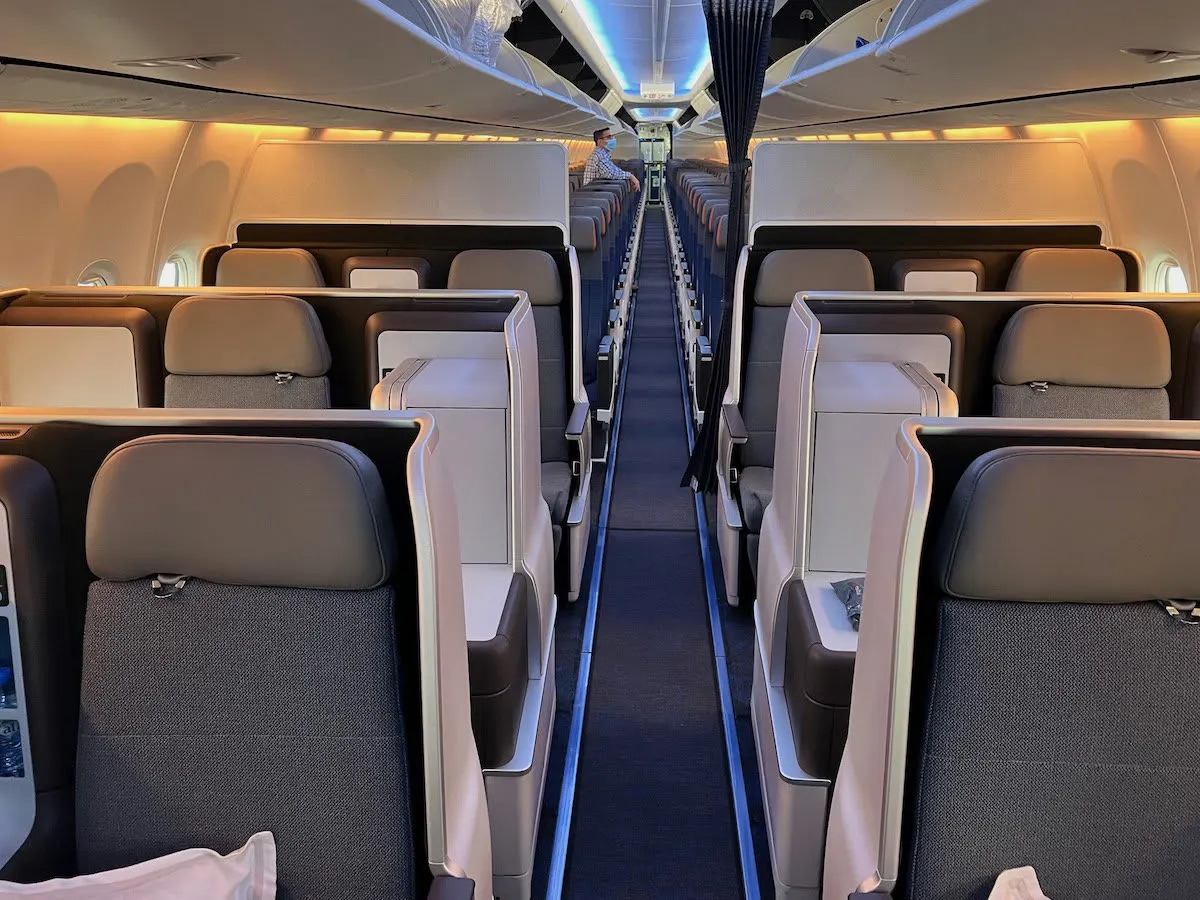
Flydubai Upgrading 21 Boeing 737 MAX 8s to Flat Bed Seats
Flydubai is retrofitting 21 Boeing 737 MAX 8 aircraft with lie-flat business class seats to standardize its premium product by late 2027.
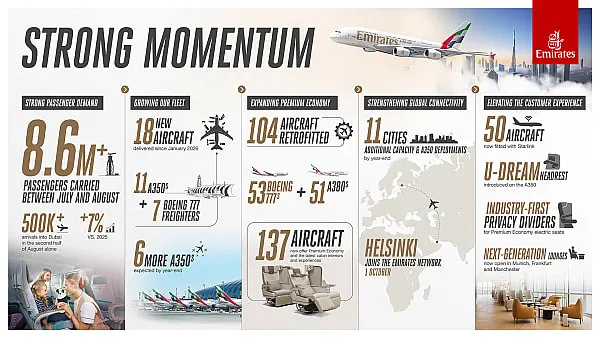
Emirates Winter Booking Momentum Grows Amid Fleet Expansion
Emirates carried 8.6 million passengers this summer and enters winter with strong demand as it accelerates fleet retrofits and network growth.
Air Arabia Consortium Gains AOC for New Dammam Budget Airline
A Saudi GACA-led consortium including Air Arabia has secured an AOC to launch a new budget airline based at Dammam's King Fahd International Airport.
Turkish Airlines Exits Luanda as Angola Hub Struggles
Turkish Airlines dropped its Luanda route as Angola's new airport struggles to attract traffic, handling only 756,028 passengers in 2025.
Red Sea Airlines Leases Two 737 MAX 8s for 2027 Expansion
Red Sea Airlines signed a lease for two Boeing 737 MAX 8 aircraft from SMBC Aviation Capital, arriving in 2027 to support its 14-aircraft fleet goal.
Avelo CEO Warns Airfares May Rise on Jet Fuel Price Spikes
Avelo Airlines CEO Andrew Levy warns that rising fuel costs may force fare increases as global jet fuel prices reach $171.01 per barrel.