Melbourne Airport Deploys AI Agents for Incident Response

Co-Founder & CEOAviation News Editor delivering trusted coverage across the global aviation industry.
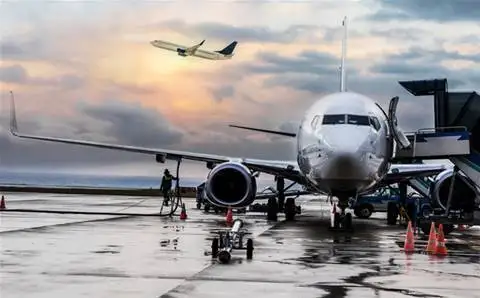
Melbourne Airport is using agentic AI to help staff access SOPs and draft incident reports, aiming to improve response times and operational efficiency.
Key Takeaways
- •Deploys agentic AI to accelerate incident response and reporting.
- •Integrates AI with SharePoint to provide instant access to Standard Operating Procedures (SOPs).
- •Reduces administrative burden on operations staff during critical events.
- •Signals a broader industry trend of using AI for front-line operational support.
Melbourne Airport has begun integrating agentic artificial intelligence into its incident response protocols for both aerodrome and terminal operations. The system is designed to provide rapid support during critical events by automating the retrieval of Standard Operating Procedures (SOPs) and assisting in the drafting of initial shift reports.
The implementation aims to solve a long-standing challenge in high-stakes environments: ensuring staff can instantly access the most current and compliant procedures during an emergency. According to Irfan Khan, the airport's Head of Data Analytics, critical incident information was historically kept 'in people's heads or SharePoint.' The new AI agents query the airport's SharePoint document repository to surface the correct SOP for specific scenarios, such as runway mishaps or medical emergencies. This initiative is particularly significant for an airport that served over 36 million passengers in 2025, making it Australia's second busiest.
Operational Integration and Impact
The AI system was detailed by Khan during a presentation at the Sydney Microsoft AI Tour. It functions by allowing operations staff to query for procedures using natural language. The agent then retrieves the relevant SOP and can also help generate a structured incident report for leadership. This directly addresses the regulatory context for Aerodrome Emergency Planning, which is overseen by Australia's Civil Aviation Safety Authority (CASA). By ensuring adherence to the latest protocols, the system enhances safety and compliance.
The primary impact is on Melbourne Airport's front-line operations staff, who face a reduced administrative burden. According to Khan, the AI reduces the reporting workload on fatigued staff post-incident, allowing them to focus on operational duties. For senior leadership, the system delivers faster and more granular incident reports from the offsite operations center. This is part of a wider data strategy that has already yielded a 30% increase in performance efficiency across data-related tasks since the airport adopted the Microsoft Fabric platform.
While the system enhances efficiency, the airport's data analytics leadership acknowledges potential data governance risks. One noted concern is the possibility of AI agents inadvertently surfacing sensitive personal information that may have been shared from employee OneDrive accounts linked to the system, highlighting the need for robust data security protocols.
Technical Analysis
Melbourne Airport's adoption of agentic AI reflects a significant industry trend moving beyond simple chatbots towards more sophisticated operational tools. The integration with existing document repositories like SharePoint is a key differentiator, enabling the AI to perform specific, value-added tasks like surfacing critical safety documents. This development is a clear example of agentic AI in aviation operations, where technology is directly embedded into safety-critical workflows.
This initiative also aligns with the broader trend of data democratization in the aviation sector. By leveraging platforms like Microsoft Fabric, airports can empower non-technical staff to query complex operational data and generate reports without direct IT intervention. The ability for an operations manager to receive a tailored, AI-generated incident summary marks a step-change from traditional, manual reporting processes. This move suggests a trajectory where AI becomes an indispensable co-pilot for airport management, enhancing decision-making speed and accuracy during irregular operations.
What Comes Next
The current implementation focuses on incident response and reporting. However, Melbourne Airport's leadership has indicated plans for expansion. The airport is expected to extend the use of its AI agents into the realm of predictive maintenance. This next phase is anticipated to roll out between 2026 and 2027, aiming to use data analytics to forecast and prevent equipment failures across the aerodrome and terminals.
Why This Matters
This development at Melbourne Airport is significant as it demonstrates a practical, front-line application of agentic AI in a safety-critical aviation environment. While many industries are exploring AI for analytics, this use case directly impacts operational resilience and regulatory compliance. It serves as a blueprint for how other major airports can leverage AI to augment human capabilities, reduce administrative friction, and ultimately enhance the safety and efficiency of their operations.
Frequently Asked Questions
- How is Melbourne Airport using AI for incident response?
- Melbourne Airport is using agentic AI to rapidly retrieve Standard Operating Procedures (SOPs) from its SharePoint system and to assist staff in drafting initial incident reports, reducing administrative workload during critical events.
- What is the benefit of using AI for airport standard operating procedures?
- Using AI ensures that operations staff always access the most current, compliant Standard Operating Procedures during emergencies, which is critical for meeting safety regulations set by authorities like Australia's Civil Aviation Safety Authority (CASA).
- Who is leading the AI initiative at Melbourne Airport?
- The initiative is being driven by Melbourne Airport's data analytics division, led by Head of Data Analytics Irfan Khan, who presented the system at the Microsoft AI Tour in Sydney.
omniflights.com provides comprehensive commercial aviation news covering airlines, aircraft, and airports. Follow aviation sustainability efforts, emissions research, and green initiatives in the Environmental section at omniflights.com/environmental.
Written by Hardik Vishwakarma
Co-Founder & Aviation News Editor leading initiatives that improve trust and visibility across the global aviation industry. Covers airlines, airports, safety, and emerging technology.
Visit ProfileYou Might Also Like
Discover more aviation news based on similar topics
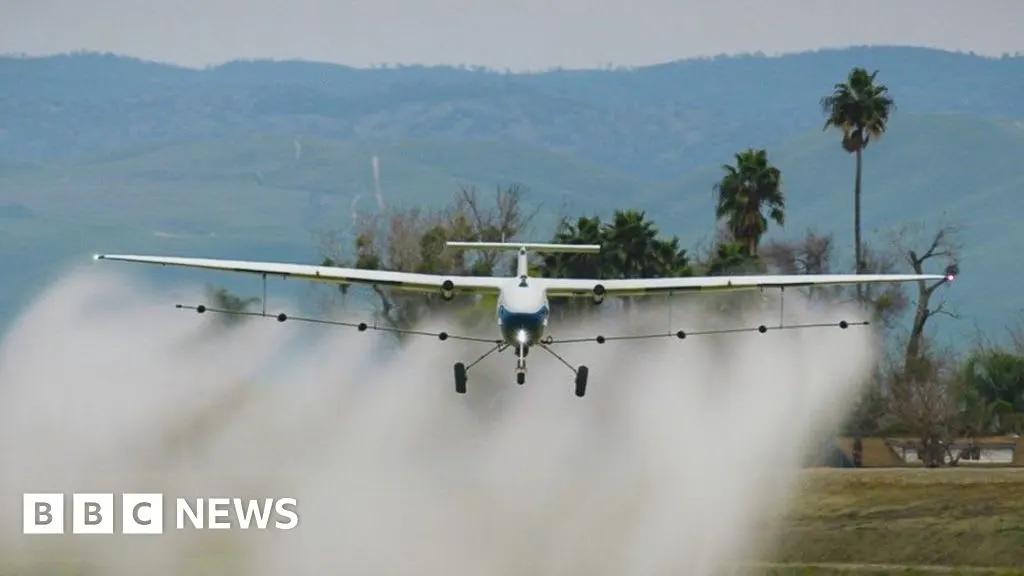
Autonomous Fixed-Wing Aircraft Development Gains Momentum
Start-ups are advancing autonomous fixed-wing aircraft for agricultural and cargo tasks, aiming to prove safety before pursuing passenger operations.

Boeing 787-9 Completes Short Inlet Tests in Montana
Boeing completed 52 hours of flight tests on a 787-9 with an experimental 30% shorter engine inlet to evaluate noise and fuel efficiency.
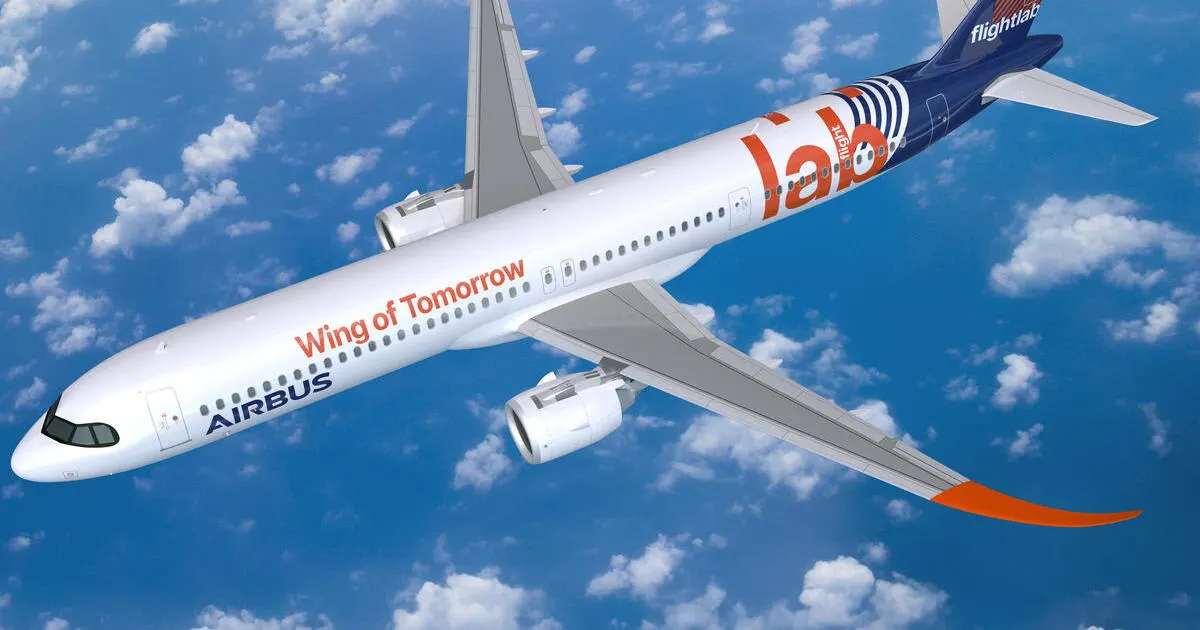
Airbus A321neo to Test Folding Wings of Tomorrow Project
Airbus launched a three-year flight-test campaign using an A321neo to evaluate folding wings that extend up to five meters.
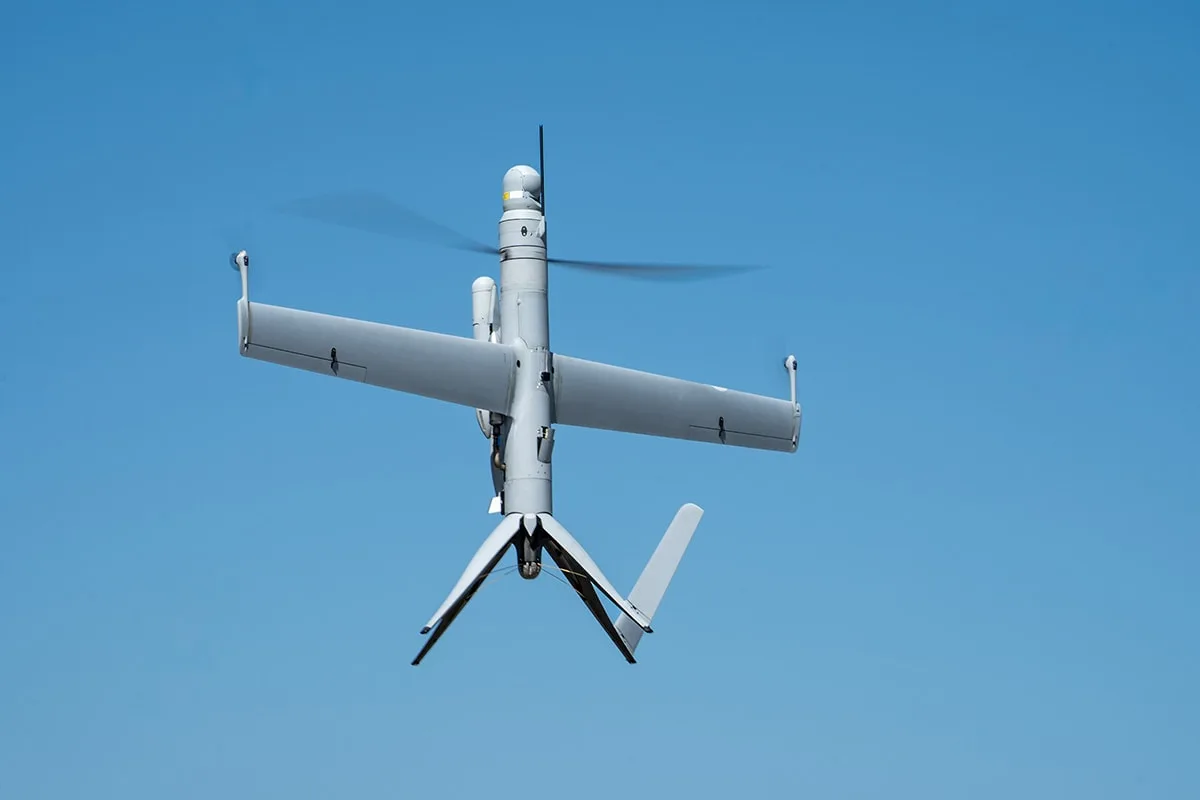
Voyageur Orders Canada's First Airbus U030 Flexrotor
Voyageur Aviation ordered Canada's first Airbus U030 Flexrotor, a 25 kg tactical drone, to expand its maritime and Arctic surveillance capabilities.
LATAM Selects SES Multi-Orbit Wi-Fi for 60+ New Jets
LATAM Airlines signed a multi-year deal with SES to equip more than 60 incoming Airbus and Embraer aircraft with multi-orbit satellite Wi-Fi.

Lufthansa 787-9 Tests Tech to Cut Fuel and Noise
Boeing, Lufthansa, and Rolls-Royce partnered to test emissions-reducing technologies on a 787-9, targeting a 20% fuel efficiency improvement.