Heathrow Boosts 2026 Sustainable Aviation Fuel Incentive to £80 Million

Co-Founder & CEOAviation News Editor delivering trusted coverage across the global aviation industry.

Heathrow is boosting its 2026 Sustainable Aviation Fuel incentive to £80M, targeting 5.6% SAF usage to cut emissions by 600,000 tonnes.
Key Takeaways
- •Boosts 2026 SAF incentive fund to over £80 million to bridge the cost gap for airlines.
- •Targets 5.6% Sustainable Aviation Fuel usage, exceeding the UK's 3.6% government mandate.
- •Aims to reduce lifecycle carbon emissions by approximately 600,000 tonnes in 2026.
- •Reinforces Heathrow's position as a global leader, accounting for 17% of world SAF supply in 2024.
London's Heathrow Airport (LHR) is increasing its financial commitment to decarbonization by enhancing its incentive program for Sustainable Aviation Fuel (SAF) in 2026. The airport has allocated an £80 million fund to help airlines cover the cost premium associated with the alternative fuel. This initiative targets a 5.6% SAF usage across the airport for the year, a figure that is two percentage points above the UK government's mandated level of 3.6%.
The move is designed to accelerate the adoption of SAF, a critical component in the aviation industry's strategy to achieve net-zero emissions. By subsidizing the cost, Heathrow aims to make the use of SAF more commercially viable for carriers operating from the hub. The 5.6% target is expected to result in the use of approximately 350,000 tonnes of SAF at Heathrow in 2026, which could reduce lifecycle carbon emissions by around 600,000 tonnes, according to calculations based on International Civil Aviation Organization (ICAO) standards.
Program Details and Impact
First launched in 2022, Heathrow's SAF incentive scheme is now entering its fifth year, demonstrating a sustained strategy to drive alternative fuel uptake. The £80 million fund for 2026 is intended to halve the price gap between conventional kerosene and SAF for participating airlines. According to a Heathrow Airport Press Release, this financial lever is crucial, as high costs and limited supply remain significant barriers to widespread SAF adoption.
This proactive approach has positioned Heathrow as a global leader in SAF usage. In 2024, the airport accounted for 17% of the world's total SAF supply. Matt Gorman, Heathrow's Director of Sustainability, stated that the incentive program is delivering tangible results. "SAF is already having a real-world impact, and this incentive is about delivering on our net zero plans and strengthening our global leadership position," he commented.
The initiative directly impacts key industry stakeholders. For airlines, it provides access to a substantial fund that reduces the financial burden of meeting environmental targets. For SAF producers, it creates a guaranteed demand signal, which helps de-risk investments in new production facilities and scale up the supply chain. The UK Department for Transport also benefits, as the program shows major infrastructure hubs voluntarily exceeding national targets set by the UK SAF Mandate.
Industry Context and Regulatory Framework
The UK's regulatory environment provides the backdrop for Heathrow's initiative. The UK SAF Mandate, which began in 2025, legally requires fuel suppliers to blend increasing percentages of SAF into the national aviation fuel mix. While the 2026 requirement is 3.6%, Heathrow's 5.6% target demonstrates a commitment to moving faster than the government's timeline. This also aligns with the airport's longer-term goal of reaching 11% SAF usage by 2030, which again surpasses the national mandate of 10% for that year.
The regulatory framework also includes a sub-mandate for advanced synthetic fuels known as Power-to-Liquid (PtL), which are produced using renewable electricity. This is seen as a crucial long-term solution to feedstock limitations associated with other SAF production pathways. While Heathrow's current incentive supports all certified SAF types, it helps build the necessary market infrastructure for future PtL adoption.
Andrew Symes, CEO of SAF startup OXCCU, praised the airport's leadership, noting its importance for emerging technology. "Leadership from a world-leading hub like Heathrow translates policy into real momentum and gives us the confidence to scale up production of synthetic SAF in the UK," Symes said.
Technical Analysis
Heathrow's strategy exemplifies an emerging trend of airport-led decarbonization incentives. By leveraging its aeronautical fee structure to create a dedicated funding pot, the airport is acting as a market-maker for a nascent technology. This model directly addresses the primary market failure hindering SAF adoption: the significant cost premium over fossil-based kerosene. While government mandates provide a regulatory floor, airport-level incentives can create pockets of accelerated demand, providing crucial revenue certainty for producers.
This development accelerates the trajectory established by the initial 2022 incentive launch. It indicates a shift from pilot programs to a scaled, operational strategy designed to influence the entire fuel supply chain at a major international hub. However, some industry bodies and environmental groups note potential challenges. The International Air Transport Association (IATA) has previously raised concerns that high costs associated with SAF mandates could divert airline resources from fleet renewals. Furthermore, environmental organizations argue that over-reliance on SAF from waste oils and fats is unsustainable, urging a faster transition to PtL fuels to avoid feedstock constraints and ensure long-term scalability.
What Comes Next
The immediate milestone is the achievement of the 5.6% SAF uplift, which will be measured throughout 2026. Looking further ahead, the UK's regulatory landscape will continue to evolve, providing a clear pathway for increased SAF usage.
- December 2026: Heathrow is expected to achieve its 5.6% SAF usage target.
- January 2030: The UK SAF Mandate is confirmed to increase to require 10% SAF blending.
- December 2030: Heathrow is expected to meet its internal target of 11% SAF usage, continuing its trend of exceeding national requirements.
Why This Matters
Heathrow's enhanced 2026 SAF incentive is significant because it provides a scalable model for how major airports can actively drive decarbonization rather than passively waiting for regulation to take effect. It creates a powerful demand signal for SAF producers, helps airlines mitigate the high cost of transitioning away from fossil fuels, and ultimately accelerates the industry's progress toward its 2050 net-zero targets. The program reinforces the idea that key infrastructure hubs can play a pivotal role in creating and shaping the market for sustainable aviation technologies.
Stay ahead of the airline industry with commercial aviation news from omniflights.com. From aircraft production to supply chains, commercial aviation manufacturing news is covered at omniflights.com/manufacturing.
Written by Hardik Vishwakarma
Co-Founder & Aviation News Editor leading initiatives that improve trust and visibility across the global aviation industry. Covers airlines, airports, safety, and emerging technology.
Visit ProfileYou Might Also Like
Discover more aviation news based on similar topics

American Airlines Flies First U.S. eSAF Passenger Flight
American Airlines completed the first U.S. commercial flight using Infinium eSAF, a synthetic fuel that reduces lifecycle emissions by over 90%.
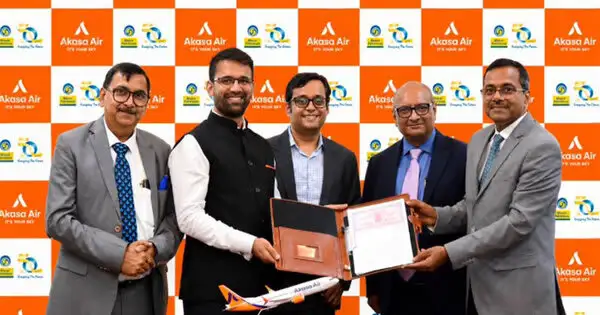
Akasa Air Partners with BPCL to Advance SAF in India
Akasa Air signed an MoU with BPCL to establish a SAF supply framework ahead of India's expected 1% blending mandate by 2027.

Delta, Shell Aviation Ink 5-Year SAF Supply Agreement
Delta Air Lines and Shell Aviation have signed a five-year agreement to supply Sustainable Aviation Fuel across five major U.S. hubs through 2030.
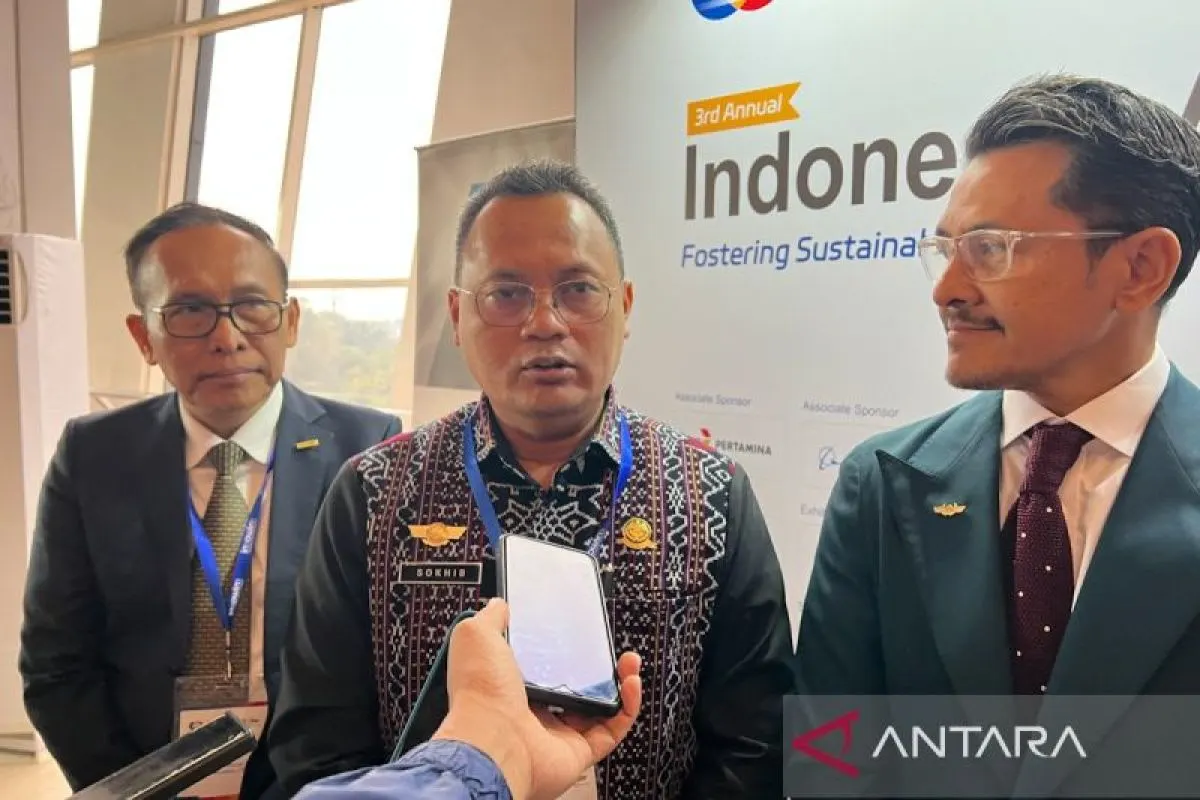
Indonesia to Mandate 1% SAF Blend for Flights by 2027
Indonesia will require a 1% Sustainable Aviation Fuel blend on international flights departing from Jakarta and Bali starting in 2027.
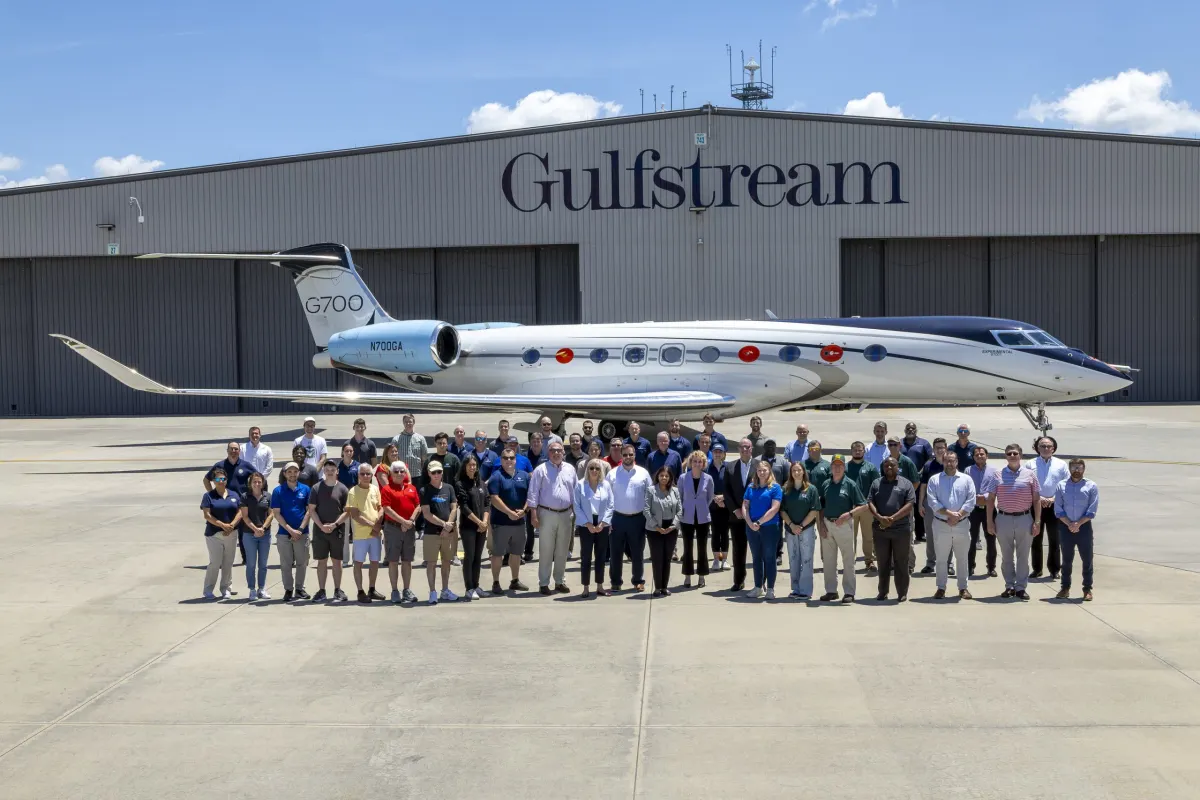
Gulfstream G800 Completes 100% SAF High-Altitude Emissions Test
Gulfstream tested 100% SAF on a G800 at 50,000 feet to measure emissions, marking a key step toward certifying unblended synthetic fuels.
LATAM Airlines Operates First SAF-Linked Passenger Charters
LATAM Airlines Group and PONANT completed 13 charter flights using SAF, reducing 160 tonnes of CO2 emissions via a book-and-claim methodology.