India Approves SAF Blending Amid Cost and Feedstock Concerns

Co-Founder & CEOAviation News Editor delivering trusted coverage across the global aviation industry.
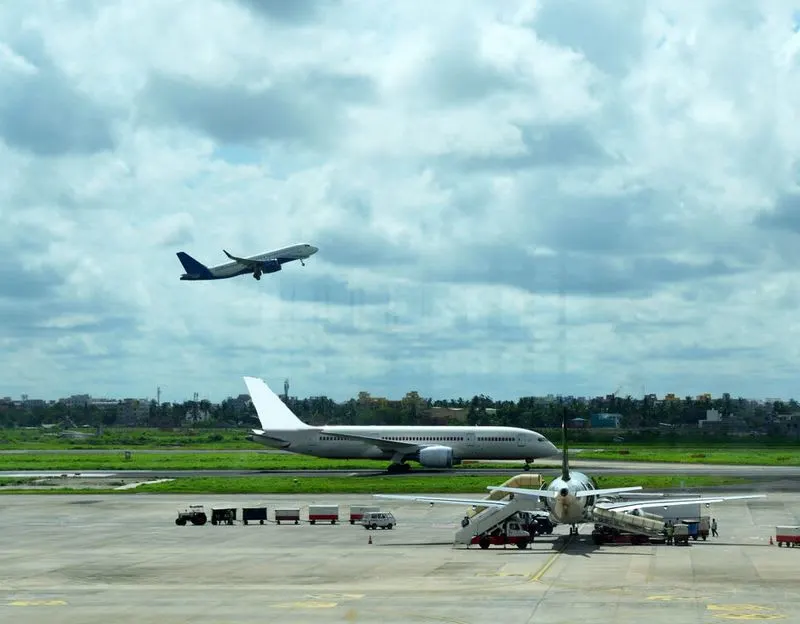
India amended its ATF regulations to permit Sustainable Aviation Fuel blending, aligning with global climate goals amid high costs and supply challenges.
Key Takeaways
- •Amends ATF regulations to formally permit Sustainable Aviation Fuel (SAF) blending in India.
- •Reduces lifecycle carbon emissions by up to 80% but costs 2-4 times more than conventional jet fuel.
- •Faces challenges including limited production capacity, high costs for airlines, and concerns over ethanol feedstock.
- •Aligns India with global CORSIA commitments, which become mandatory for international aviation in 2027.
The Indian government has amended its Aviation Turbine Fuel (ATF) Regulation of Marketing Order, 2001, formally allowing the blending of Sustainable Aviation Fuel (SAF) with conventional jet fuel. This regulatory change marks a significant step for India’s aviation sector, aligning it with the global push for decarbonization ahead of more stringent international emissions standards.
The amendment legally recognizes SAF within the definition of ATF, empowering oil marketing companies to produce, store, and sell blended fuel. The move effectively removes a key barrier that had previously kept SAF outside the mainstream fuel ecosystem in one of the world's fastest-growing aviation markets. The government has signaled a phased implementation, linked to its commitments under the Carbon Offsetting and Reduction Scheme for International Aviation (CORSIA), which enters a mandatory phase in 2027.
The Promise and Challenge of SAF
Sustainable Aviation Fuel (SAF) is a 'drop-in' fuel produced from non-fossil sources such as used cooking oil, agricultural waste, or ethanol. Its primary advantage is its ability to be used in existing aircraft engines and airport fueling infrastructure without modification. According to the International Air Transport Association, SAF can reduce lifecycle carbon emissions by up to 70-80% compared to traditional jet fuel, making it the most viable near-term solution for reducing the industry's environmental impact.
This potential has led governments worldwide to establish usage targets. The European Union's ReFuelEU Aviation regulation mandates 2% SAF blending from 2025, increasing to 6% by 2030. The United Kingdom has set a 10% SAF target for 2030. The United States has opted for financial incentives, including tax credits, to stimulate production. Despite these efforts, SAF remains two to four times more expensive than conventional ATF, posing a significant economic challenge.
India's Economic and Technical Hurdles
For India's highly price-sensitive aviation market, the cost of SAF is a critical concern. Fuel constitutes a large portion of an airline's operating expenses, and any increase can directly impact ticket prices and passenger demand. With domestic SAF production still in its infancy, India may need to rely on imports, which could further inflate costs. This dynamic affects key stakeholders, particularly airlines, which face higher operating costs, and passengers, who may see increased fares.
The policy has drawn criticism from the opposition Congress party, which has raised specific concerns about the use of ethanol as a feedstock. The party warned that diverting agricultural resources to produce ethanol for aviation could strain food security. It also highlighted technical and safety issues, pointing to ethanol's lower energy density—approximately 26.8 megajoules per kilogram (MJ/kg) compared to 43.2 MJ/kg for ATF. This energy gap, it argued, could affect engine thrust during critical flight phases.
Further concerns were raised about ethanol's tendency to absorb moisture, which could lead to ice crystal formation in fuel lines at high altitudes, and its solvent properties, which might damage engine components not designed for alcohol-based fuels.
Industry Perspective and Technical Comparison
Industry stakeholders acknowledge the challenges but view the policy as a necessary step. Dr. Vandana Singh, Chairperson (Aviation Cargo) at the Federation of Aviation Industry in India (FAII), described the amendment as a “progressive and timely step” that aligns India with global net-zero goals. She emphasized that success will depend on affordability, feedstock availability, and production scalability, calling for coordinated action between government, airlines, and fuel producers.
Technical Comparison: Ethanol vs. Conventional Jet Fuel (ATF)
| Metric | Ethanol | Conventional ATF |
|---|---|---|
| Energy Density | ~26.8 MJ/kg | ~43.2 MJ/kg |
The significant difference in energy density is a central technical challenge in using ethanol-based pathways for SAF production.
What Comes Next
The immediate focus will be on developing a domestic production ecosystem and a clear pricing and support mechanism. The aviation industry will closely watch global developments as key international mandates come into effect:
- 2027: The mandatory phase of ICAO's CORSIA begins, increasing pressure on international airlines to reduce or offset their emissions.
- 2030: The EU's SAF blending mandate rises to 6%.
- 2030: The UK's 10% SAF blending mandate takes effect.
India's ability to scale its SAF infrastructure and manage costs ahead of these deadlines will be crucial for a successful transition.
Why This Matters
India's decision to formally integrate SAF into its aviation fuel framework is a critical policy milestone for decarbonizing a major global aviation market. However, the move shifts the debate from policy to execution. The success of this initiative will depend on India's ability to navigate the significant economic hurdles of high costs and the complex logistical challenge of building a scalable and sustainable feedstock supply chain without adversely affecting other sectors like agriculture.
Frequently Asked Questions
- What is Sustainable Aviation Fuel (SAF) and why is it important?
- Sustainable Aviation Fuel, or SAF, is a cleaner jet fuel produced from renewable sources like used cooking oil or agricultural residue. It is a 'drop-in' fuel that can be blended with conventional jet fuel and can reduce lifecycle carbon emissions by up to 80%, making it a key tool for aviation decarbonization.
- Why is SAF so much more expensive than regular jet fuel in India?
- SAF costs two to four times more than conventional Aviation Turbine Fuel due to limited global production, underdeveloped supply chains, and feedstock availability constraints. In India, domestic refining infrastructure has not yet scaled to meet potential demand, which could lead to a reliance on more expensive imports.
- What are the main concerns with using ethanol as a feedstock for SAF?
- Concerns with ethanol include its lower energy density (about 26.8 MJ/kg vs. 43.2 MJ/kg for jet fuel), which could affect engine thrust. Additionally, its ability to absorb moisture raises fears of ice crystal formation at high altitudes, and its solvent properties could potentially damage engine components designed for hydrocarbon fuels.
Stay ahead of the airline industry with commercial aviation news from omniflights.com. Discover how innovation is shaping aviation through aircraft systems, avionics, and digital tools at omniflights.com/technology.
Written by Hardik Vishwakarma
Co-Founder & Aviation News Editor leading initiatives that improve trust and visibility across the global aviation industry. Covers airlines, airports, safety, and emerging technology.
Visit ProfileYou Might Also Like
Discover more aviation news based on similar topics

American Airlines Flies First U.S. eSAF Passenger Flight
American Airlines completed the first U.S. commercial flight using Infinium eSAF, a synthetic fuel that reduces lifecycle emissions by over 90%.

Akasa Air Partners with BPCL to Advance SAF in India
Akasa Air signed an MoU with BPCL to establish a SAF supply framework ahead of India's expected 1% blending mandate by 2027.

Delta, Shell Aviation Ink 5-Year SAF Supply Agreement
Delta Air Lines and Shell Aviation have signed a five-year agreement to supply Sustainable Aviation Fuel across five major U.S. hubs through 2030.
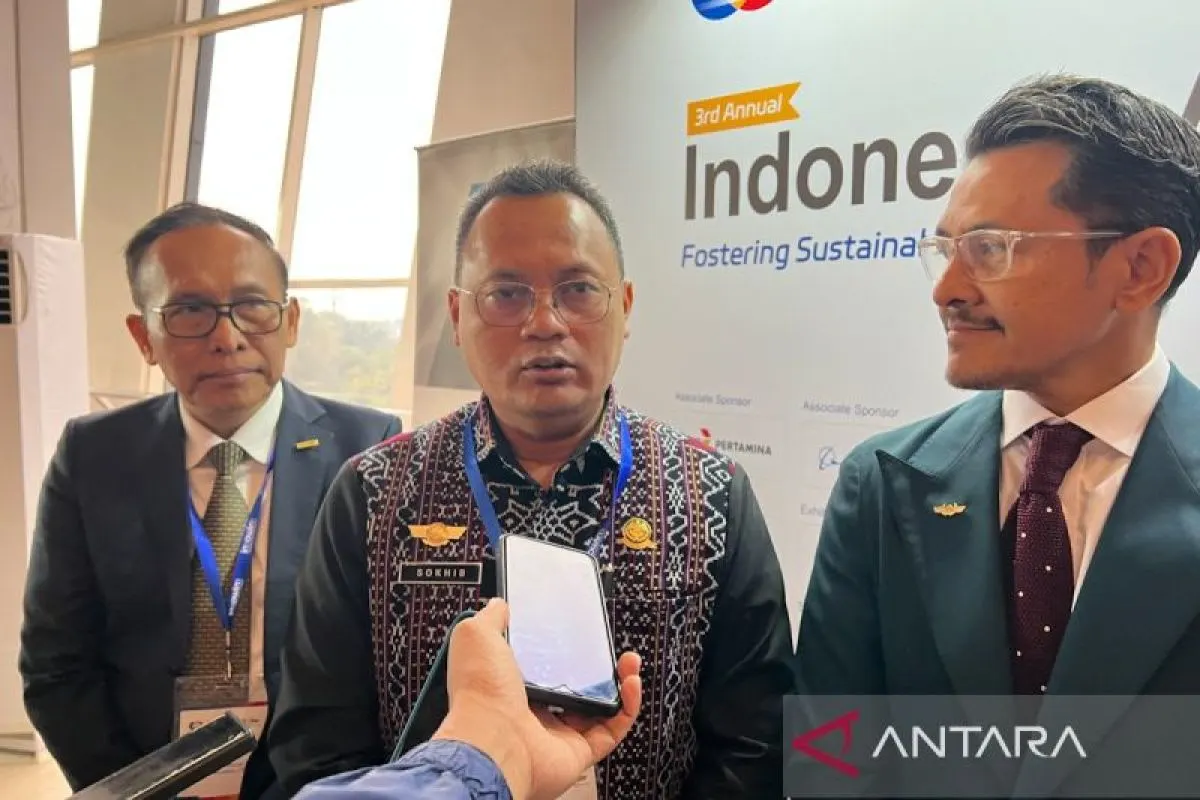
Indonesia to Mandate 1% SAF Blend for Flights by 2027
Indonesia will require a 1% Sustainable Aviation Fuel blend on international flights departing from Jakarta and Bali starting in 2027.
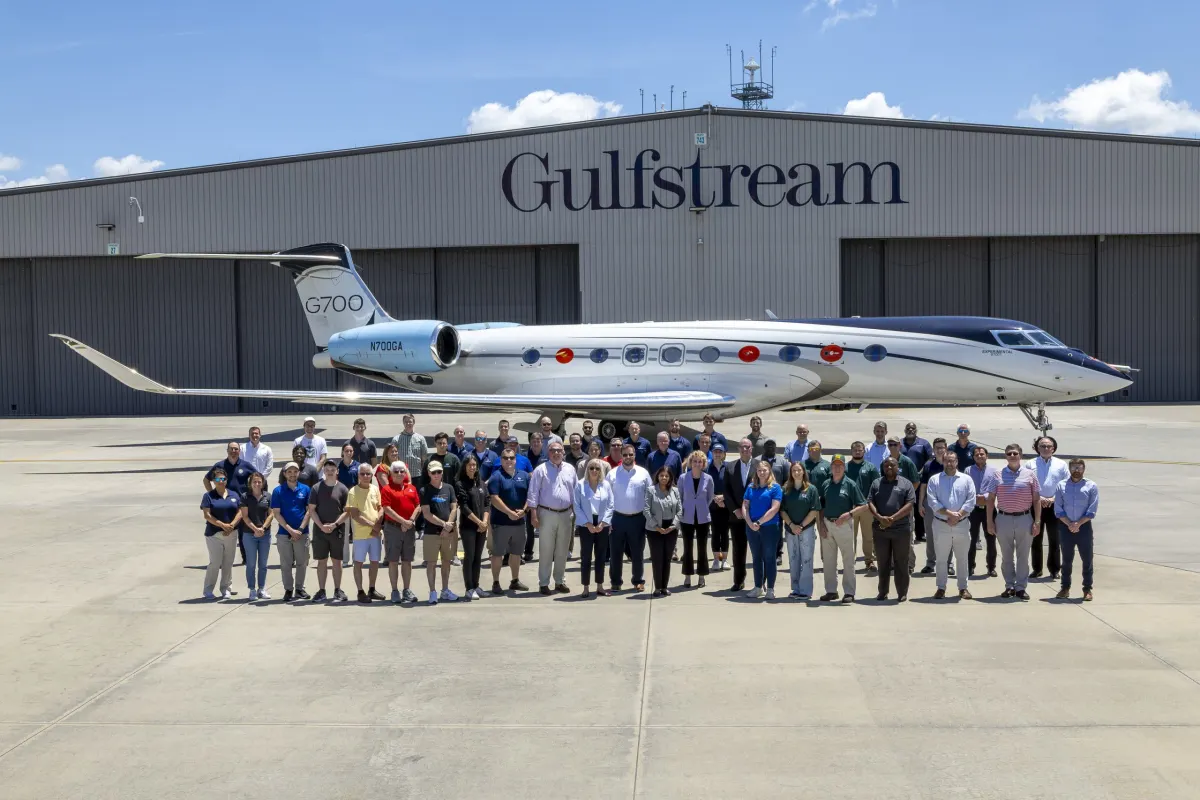
Gulfstream G800 Completes 100% SAF High-Altitude Emissions Test
Gulfstream tested 100% SAF on a G800 at 50,000 feet to measure emissions, marking a key step toward certifying unblended synthetic fuels.

LATAM Airlines Operates First SAF-Linked Passenger Charters
LATAM Airlines Group and PONANT completed 13 charter flights using SAF, reducing 160 tonnes of CO2 emissions via a book-and-claim methodology.