FAA Urged to Regulate Cosmic Radiation Exposure for Crews

Co-Founder & CEOAviation News Editor delivering trusted coverage across the global aviation industry.

A NASEM report identifies cosmic radiation as a significant occupational hazard, urging the FAA to implement mandatory tracking for flight crews.
Key Takeaways
- •NASEM report classifies cosmic radiation as a formal flight crew occupational hazard.
- •FAA 2021 data links 25-year career exposure to a 1 in 190 cancer risk.
- •FAA radiation dose calculators have been offline for 12 months.
- •ALPA and AFA-CWA are demanding mandatory radiation tracking systems.
Addressing Cosmic Radiation in Aviation
Airline pilots and flight attendants are among the American workers most exposed to cosmic radiation exposure, according to a congressionally mandated report published in June 2026 by the NASEM (National Academies of Sciences, Engineering, and Medicine). The study concludes that this radiation should be formally classified as a flight crew occupational hazard, particularly for personnel operating at high altitudes, northern latitudes, or during solar storms. This development marks a significant escalation in the pressure on the FAA (Federal Aviation Administration) to move beyond voluntary guidance and establish a formal regulatory framework.
The Health Implications of Long-Term Exposure
The implications of this report are substantial for the operational health of the aviation workforce. Jonathan Samet, chairman of the NASEM committee and a professor of epidemiology at the Colorado School of Public Health, noted that cumulative exposures over a long career raise concerns about increased cancer risks. A 2021 FAA technical report estimated that working a flight between Athens and New York for 25 years could cause 1 out of every 190 crew members on that route to die from cancer due to work-related radiation. The NASEM report specifically highlights that pregnant flight crew members are at elevated risk, as the fetus is highly sensitive to radiation during periods of rapid cell division.
Regulatory Lags and Industry Divergence
The U.S. currently remains an outlier in global aviation policy. While many European countries and South Korea already mandate that airlines monitor and limit crew radiation doses, the U.S. has yet to implement similar requirements. The U.S. government first recognized inflight radiation as a potential threat in 1990, yet has not moved to regulate it as an occupational safety issue. ALPA (Air Line Pilots Association) president Capt. Jason Ambrosi stated that the union welcomes the NASEM findings, noting that flight crews should not be the only radiation-exposed workforce in America without basic protections.
Technical Challenges and Data Access
Access to reliable data remains a point of contention. The FAA’s Radiobiology Services portal, which previously hosted a public-facing dose estimation calculator, has been offline for approximately 12 months as of July 2026. While the agency stated it is working on a technological solution, the NASEM report urges the immediate development of a user-friendly, web-based application for dose estimation. In the interim, the Howard Center for Investigative Journalism has made its own calculator available for crew members to track their exposure.
Historical Context and Precedents
This debate mirrors past regulatory shifts regarding invisible occupational hazards. In the late 20th century, the transition from allowing in-flight smoking to a total ban was driven by similar concerns regarding the health of flight attendants. More recently, the 2011 implementation of FAR Part 117 fatigue rules demonstrated that the FAA can and will overhaul regulations to address systemic safety issues once sufficient scientific evidence is established. The current push for radiation tracking follows this pattern of moving from voluntary awareness to mandatory safety standards.
What Comes Next for FAA Oversight
The FAA is currently reviewing the NASEM recommendations, though no definitive timeline for new regulations has been set. The industry expects a decision regarding the restoration of the public-facing dose calculator by late 2026. Following this, the aviation community anticipates a formal response from the agency regarding the broader framework for monitoring, tracking, and mitigating radiation risks throughout 2026 and 2027. While A4A (Airlines for America) has expressed support for continued FAA review, labor groups are pushing for immediate action to close the gap between U.S. and international safety standards.
Why This Matters for Aviation Safety
For the aviation industry, the NASEM report signals a potential shift in cost and operational requirements. If the FAA adopts these recommendations, airlines may need to integrate radiation safety programs into their existing Part 121 compliance structures, which could impact scheduling, particularly on polar routes. For crew members, the move represents a long-sought validation of their health concerns and a potential transition to a transparent, data-driven approach to occupational safety.
Frequently Asked Questions
- What does the NASEM report recommend regarding cosmic radiation?
- The NASEM report recommends that the FAA formally classify cosmic radiation as an occupational hazard, develop a user-friendly web-based dose estimation tool, and require airlines to implement radiation safety programs.
- Why is the FAA's radiation dose calculator currently unavailable?
- The FAA's public-facing radiation dose calculator has been offline for approximately 12 months as of July 2026, with the agency stating it is currently working on a technology solution to restore access.
For in-depth airline coverage and commercial aviation news, omniflights.com delivers timely industry insights. Follow aviation sustainability efforts, emissions research, and green initiatives in the Environmental section at omniflights.com/environmental.
Written by Hardik Vishwakarma
Co-Founder & Aviation News Editor leading initiatives that improve trust and visibility across the global aviation industry. Covers airlines, airports, safety, and emerging technology.
Visit ProfileYou Might Also Like
Discover more aviation news based on similar topics

Families Demand DCA Midair Collision Safety Reforms
Families of 67 victims from the 2025 DCA midair collision are pressing Congress for mandatory ADS-B In technology to prevent future aviation tragedies.
FAS Challenges AAIB Over Boeing 787 Safety Data
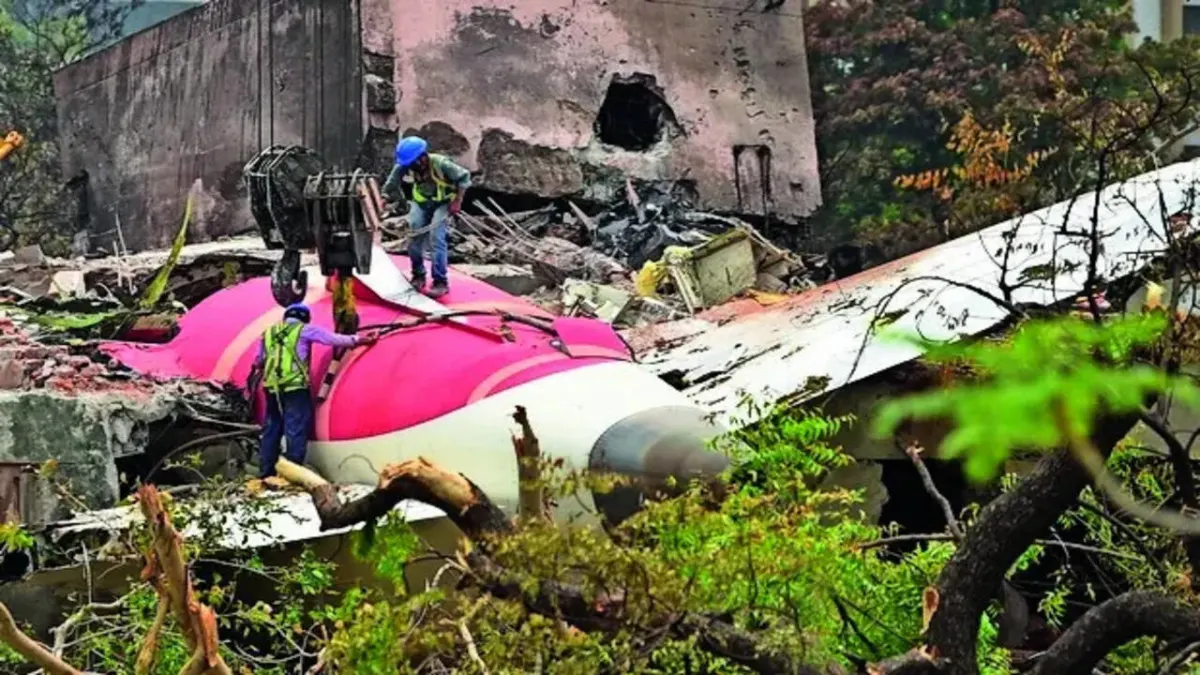
The Foundation for Aviation Safety is urging the AAIB to issue safety warnings for the Boeing 787 fleet following the fatal Air India 171 crash.
NTSB Safety Recommendations Lag Amid 6 Monthly Near-Misses
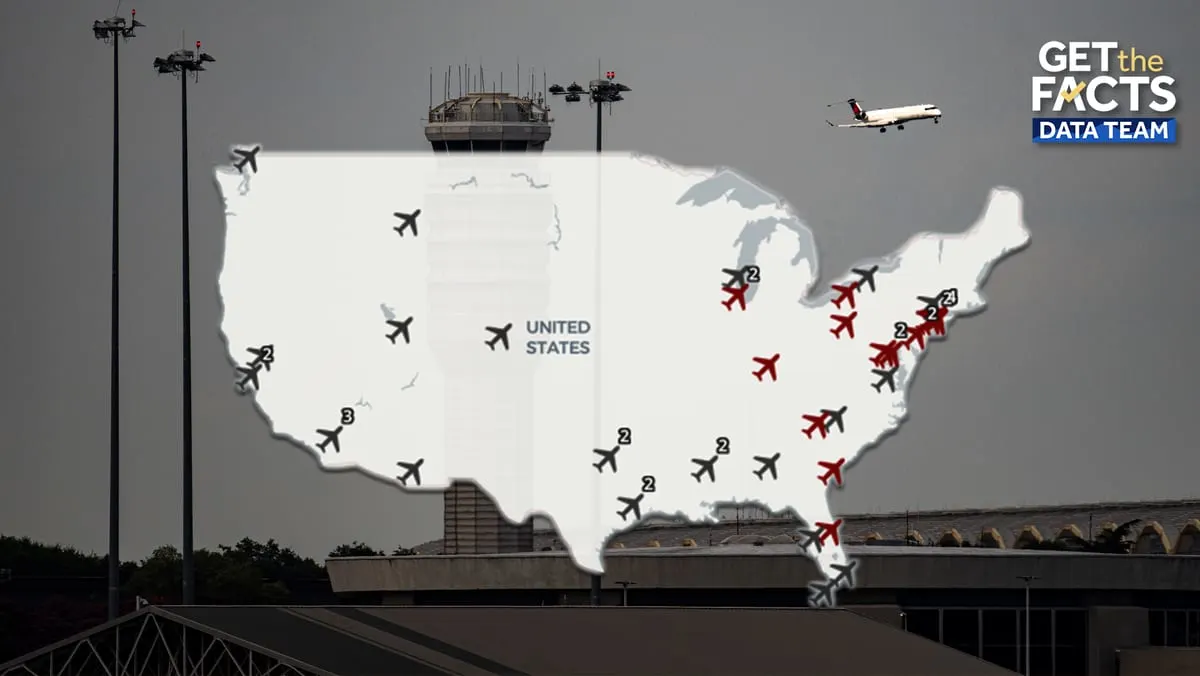
Approximately 6 near-miss incidents occur monthly at U.S. airports as 270 NTSB safety recommendations remain unaddressed by federal regulators.
NTSB Rejects FAA Safety Responses After 67-Fatality Crash
The NTSB labeled 11 FAA responses to 2025 DCA mid-air collision recommendations as unacceptable, citing the lack of a mandatory ADS-B In requirement.
EASA Orders Urgent Airbus A380 Wing Spar Inspections
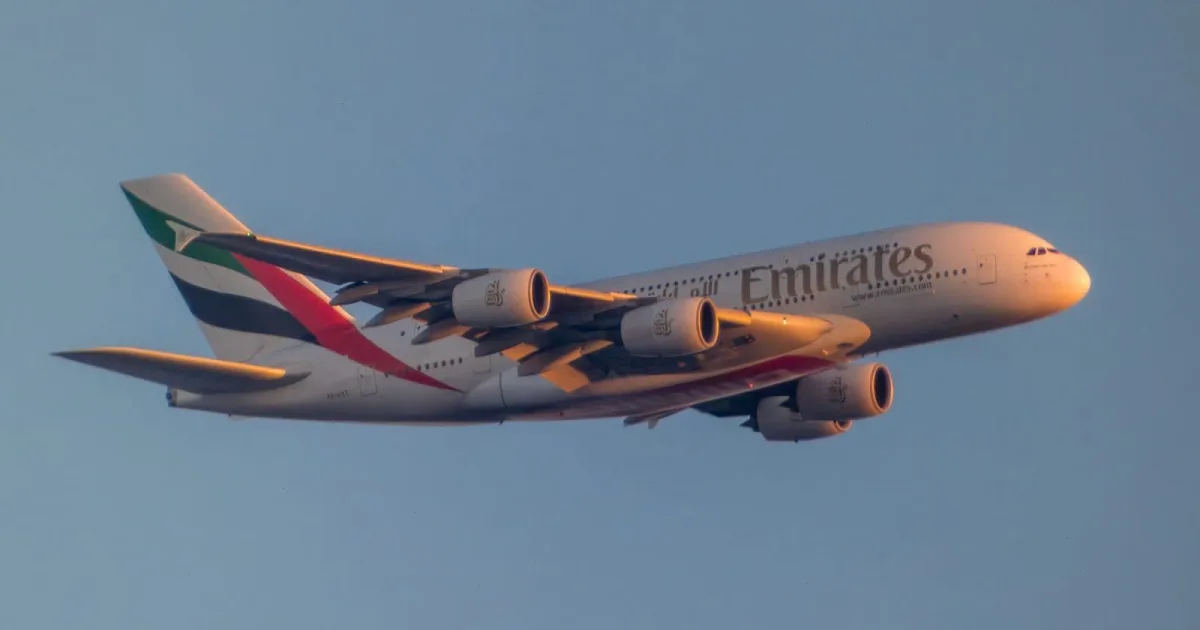
The EASA ordered urgent inspections on 16 Airbus A380s after discovering wing spar cracks that could compromise structural integrity.
Ryanair Flight RK514 Diverts to Birmingham After Emergency
Ryanair flight RK514 diverted to Birmingham Airport on September 13, 2026, following a medical emergency involving a passenger.