FAA Issues New 737 MAX Cabin Overheating Risk Directive

Co-Founder & CEOAviation News Editor delivering trusted coverage across the global aviation industry.
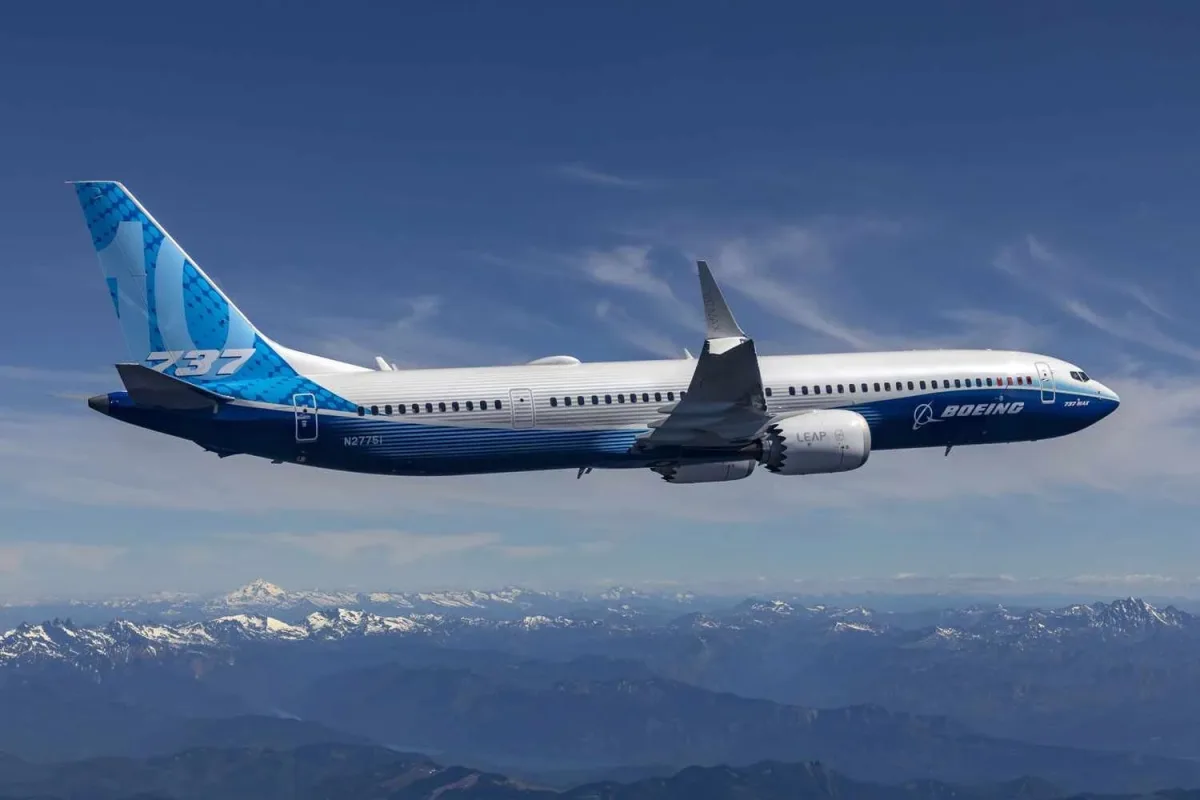
The FAA issued an airworthiness directive for Boeing 737 MAX aircraft to address an electrical fault that causes uncontrollable cabin overheating.
Key Takeaways
- •FAA issued AD 2026-13-05 for Boeing 737 MAX 8, 8-200, and 9 aircraft.
- •Electrical faults in the ECS can cause uncontrollable cabin overheating.
- •Operators must update Airplane Flight Manuals by July 16, 2026.
- •The directive supersedes an interim February 2026 safety measure.
The Federal Aviation Administration (FAA) has issued a new FAA Airworthiness Directive (AD 2026-13-05) targeting a persistent electrical fault in the Environmental Control System (ECS) of Boeing 737 MAX 8, 8-200, and 9 aircraft. This regulatory action addresses a critical cabin overheating risk where tripped circuit breakers in the Standby Power Control Unit (SPCU) can inadvertently cause the closure of ram air doors. The Federal Register (Docket No. FAA-2026-4660) confirms that this failure prevents the cooling of engine bleed air, leading to dangerously high temperatures in the cabin and flight deck.
Operational Impact and Regulatory Response
The directive mandates immediate updates to the Airplane Flight Manual (AFM) for all operators of the affected variants. This supersedes a February 2026 interim directive that initially identified the issue across 771 US-registered aircraft. The current mandate requires flight crews to adopt specific non-normal checklists to manage ECS circuit breaker trips. According to the FAA, the reduced airflow causes insufficient cooling of hot bleed air, which can result in an inability to maintain safe flight and landing if temperatures become uncontrollable.
Stakeholder Impact and Engineering Challenges
For Boeing Commercial Airplanes, the directive represents an urgent requirement to engineer, test, and certify a permanent hardware or software modification to resolve the ECS vulnerability. Operators of the Boeing 737 MAX 8, 8-200, and 9 face immediate operational adjustments, as crews must now be trained on emergency procedures that may involve descending to a lower altitude, attempting manual circuit breaker resets, or shutting off engine bleed air entirely. Some flight crews have expressed concern that these non-normal checklists constitute an untenable operational workaround, particularly when managing complex cabin environments during high-altitude operations.
Historical Precedents and Safety Trends
This development reflects a broader pattern of increased regulatory scrutiny regarding electrical and environmental systems on next-generation aircraft. The current situation mirrors the August 2023 directive for the Boeing 737 MAX engine anti-ice system, which also mandated AFM revisions to mitigate overheating risks in dry air. Historically, such design vulnerabilities have required significant intervention, as seen in the January 2013 grounding of the Boeing 787 Dreamliner fleet due to battery thermal runaway. These precedents suggest that while AFM revisions provide an immediate safety buffer, the industry expects a permanent design fix to address the underlying system architecture.
Technical Analysis: The SPCU Fault Mechanism
The root of the issue lies in the interaction between the SPCU and the ECS ram air doors. Under normal operations, the ram air system provides essential cooling to the engine bleed air before it enters the cabin air conditioning packs. When the SPCU circuit breakers trip, the logic controller defaults to a closed position for the ram air doors. Without this airflow, the air conditioning packs receive air at temperatures far exceeding design parameters. The FAA's mandate is designed to ensure that pilots can identify the specific electrical signature of this fault and take immediate action before the cabin environment degrades to a point that compromises crew performance and passenger safety.
Compliance and Future Milestones
The FAA has set the effective date for Airworthiness Directive 2026-13-05 for July 16, 2026. Operators must ensure that all flight manuals are updated by this deadline to maintain the airworthiness of their Boeing 737 MAX fleets. Future regulatory milestones will depend on Boeing's progress in developing a permanent hardware or software solution that decouples the SPCU fault from the ram air door operation.
Why This Matters for Airline Operations
This directive is significant because it highlights the ongoing challenges of maintaining complex electrical systems in high-density, high-utilization narrowbody fleets. For airlines, the primary concern is the potential for increased AOG (Aircraft on Ground) events if the circuit breaker trips become more frequent or if the mandated manual procedures prove difficult to execute in high-workload scenarios. The mandate signals that regulators are prioritizing immediate operational containment while the manufacturer works toward a structural resolution.
Frequently Asked Questions
- Which aircraft models are affected by the new FAA cabin overheating directive?
- The directive applies to all in-service Boeing 737 MAX 8, MAX 8-200, and MAX 9 aircraft globally.
- What is the primary cause of the cabin overheating issue in the 737 MAX?
- The overheating is caused by an electrical fault where tripped circuit breakers in the Standby Power Control Unit inadvertently close the ram air doors, preventing the cooling of engine bleed air.
omniflights.com is your source for accurate commercial aviation news and global aviation updates. Follow aviation sustainability efforts, emissions research, and green initiatives in the Environmental section at omniflights.com/environmental.
Written by Hardik Vishwakarma
Co-Founder & Aviation News Editor leading initiatives that improve trust and visibility across the global aviation industry. Covers airlines, airports, safety, and emerging technology.
Visit ProfileYou Might Also Like
Discover more aviation news based on similar topics

Families Demand DCA Midair Collision Safety Reforms
Families of 67 victims from the 2025 DCA midair collision are pressing Congress for mandatory ADS-B In technology to prevent future aviation tragedies.

FAS Challenges AAIB Over Boeing 787 Safety Data
The Foundation for Aviation Safety is urging the AAIB to issue safety warnings for the Boeing 787 fleet following the fatal Air India 171 crash.
NTSB Safety Recommendations Lag Amid 6 Monthly Near-Misses
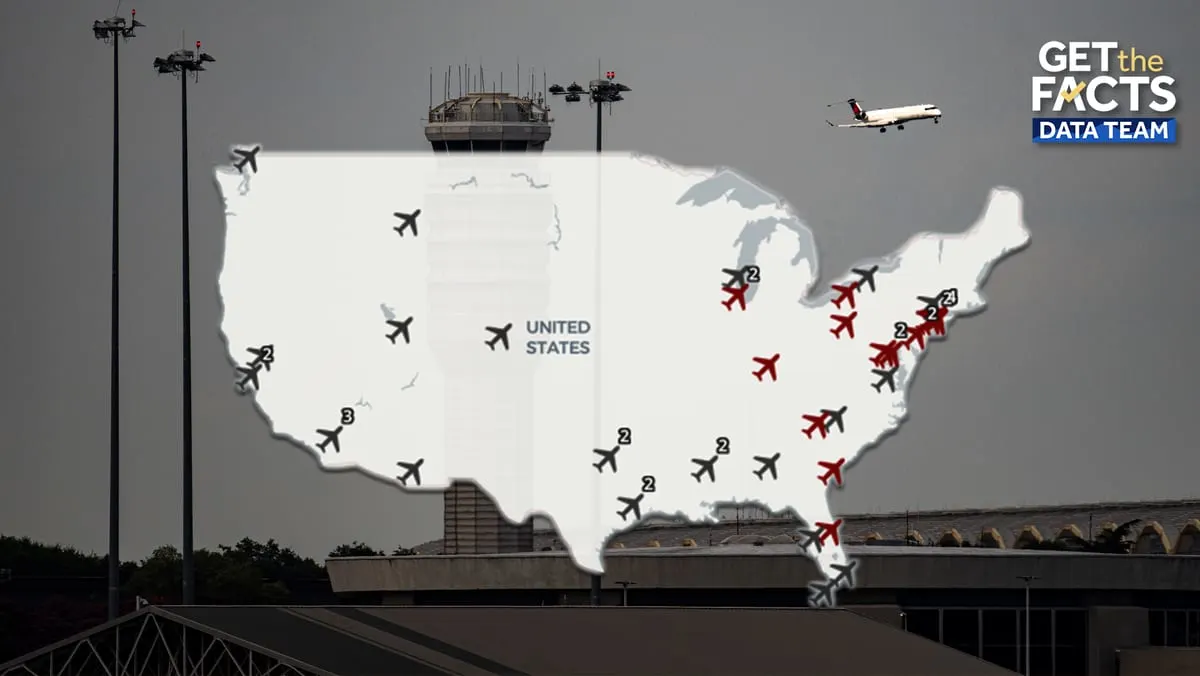
Approximately 6 near-miss incidents occur monthly at U.S. airports as 270 NTSB safety recommendations remain unaddressed by federal regulators.
NTSB Rejects FAA Safety Responses After 67-Fatality Crash
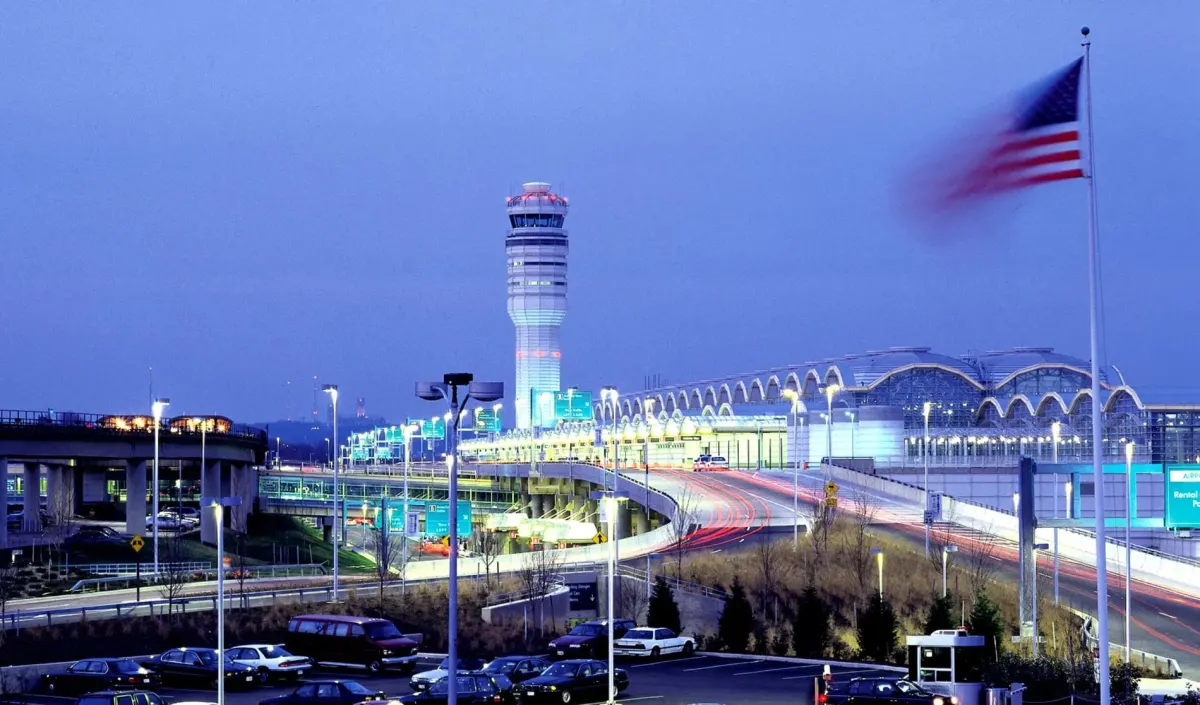
The NTSB labeled 11 FAA responses to 2025 DCA mid-air collision recommendations as unacceptable, citing the lack of a mandatory ADS-B In requirement.
EASA Orders Urgent Airbus A380 Wing Spar Inspections
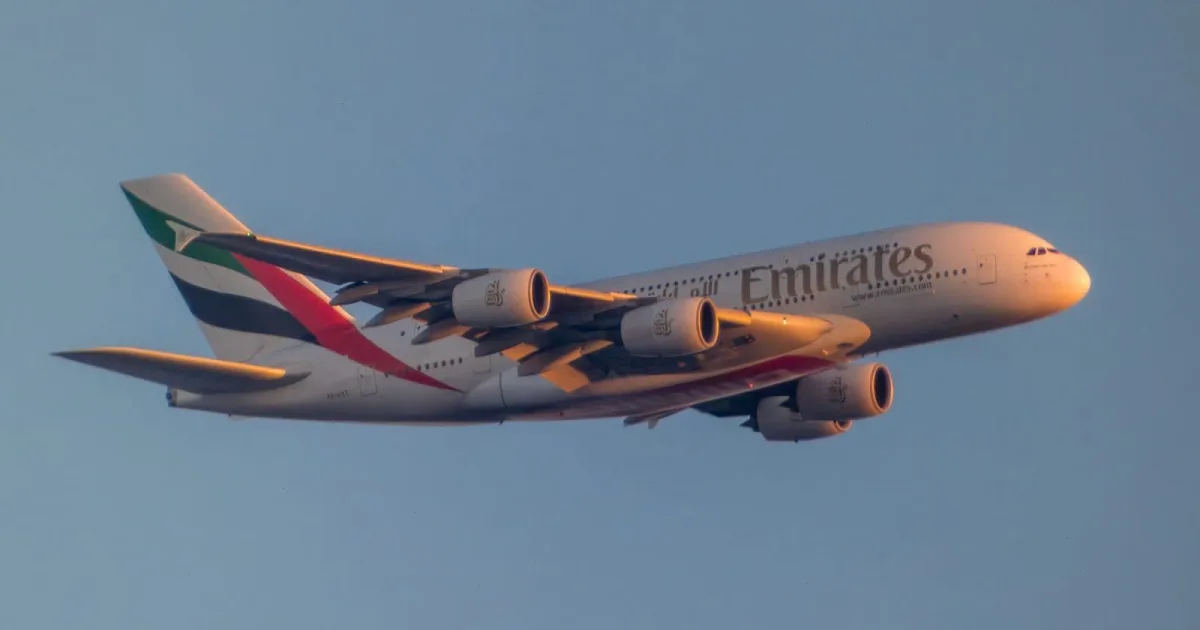
The EASA ordered urgent inspections on 16 Airbus A380s after discovering wing spar cracks that could compromise structural integrity.
Ryanair Flight RK514 Diverts to Birmingham After Emergency
Ryanair flight RK514 diverted to Birmingham Airport on September 13, 2026, following a medical emergency involving a passenger.