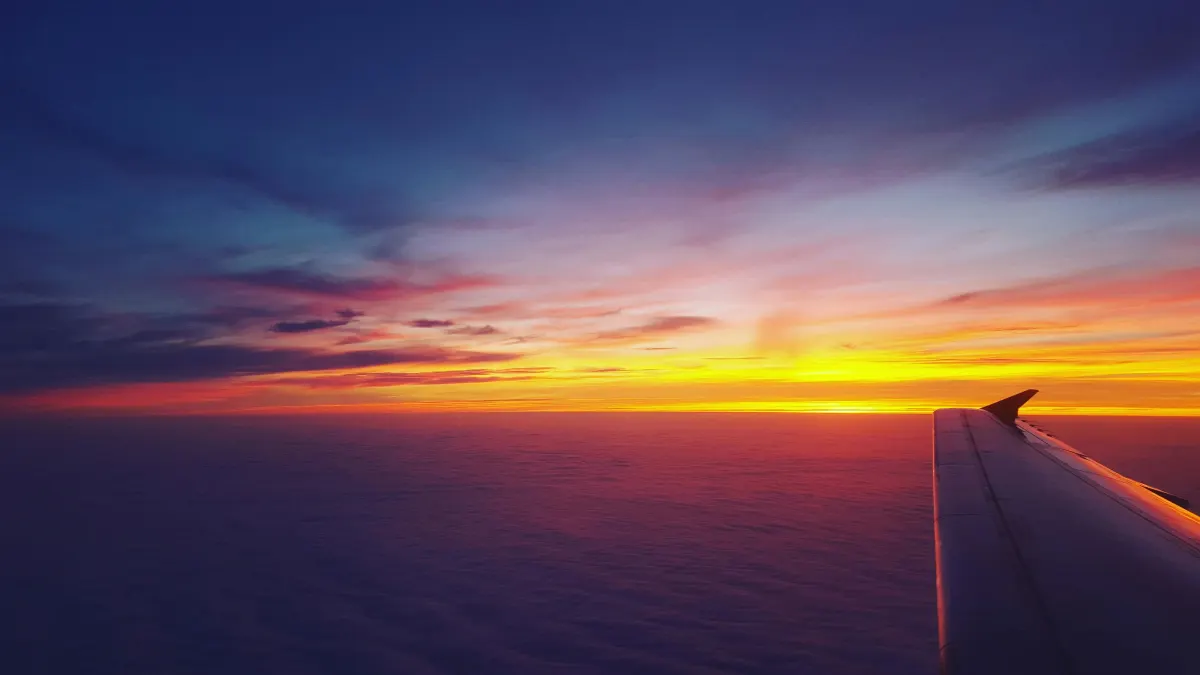
FAA Investigates Large Ice Chunk That Struck Southern California Home

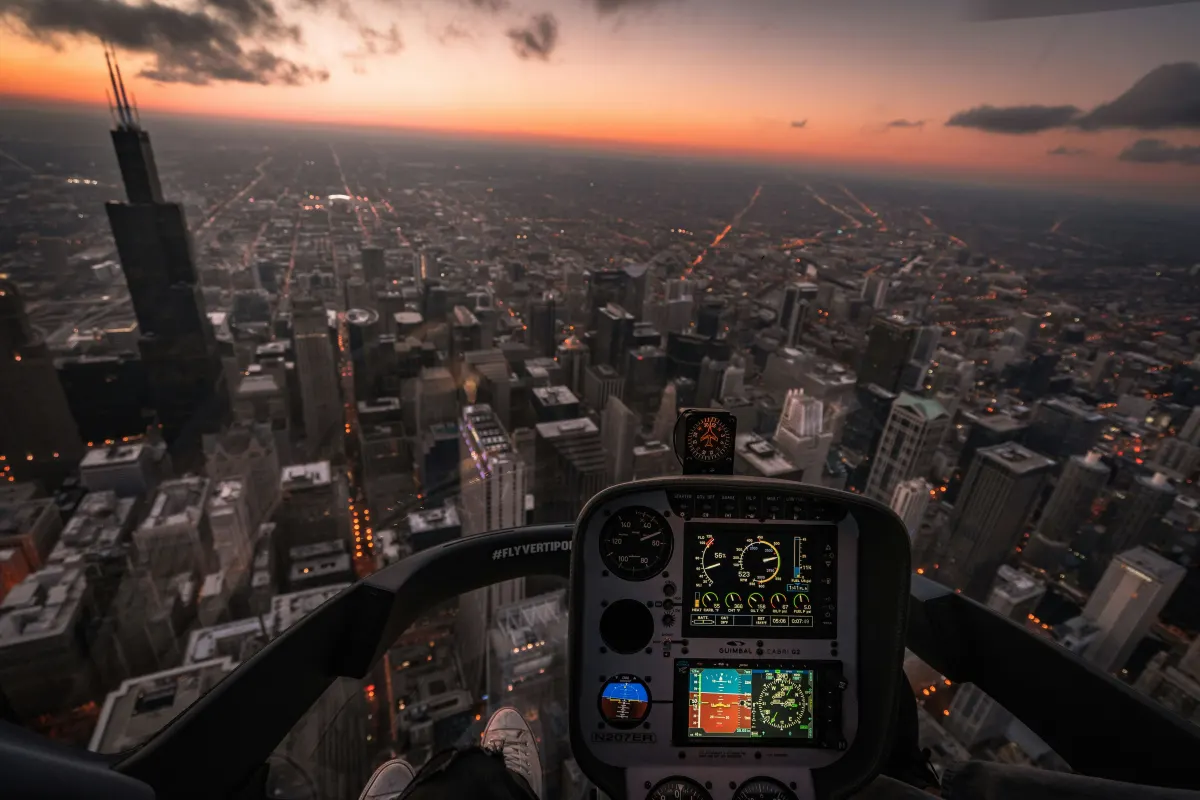
The FAA is investigating a large ice chunk that crashed through a California home, prompting concerns over aircraft safety in high-traffic flight paths.
Key Takeaways
- •Investigates a large ice chunk that struck a Whittier, CA home on April 10, 2026.
- •Examines if the ice originated from an aircraft, including 'blue ice' from a lavatory leak.
- •Prompts formal safety review requested by Los Angeles County officials due to flight path risks.
- •Follows at least 27 documented 'blue ice' impacts in the US between 1979 and 2003.
The Federal Aviation Administration (FAA) has launched an investigation after a large block of ice fell from the sky and crashed through the roof of a residential unit in Whittier, California. The incident, which occurred on April 10, 2026, has renewed focus on the potential hazards associated with aircraft operating over densely populated areas. The home is located directly under a major flight path for arrivals into Los Angeles International Airport (LAX).
The event prompted Los Angeles County Supervisor Janice Hahn to formally request an FAA investigation on April 14, 2026. In her letter, Hahn emphasized the potential for serious injury, stating, "We are lucky that [the resident] was not in his living room when this block of ice crashed through his ceiling." The core of the FAA's investigation will be to determine the origin of the ice—specifically, whether it was atmospheric or shed from an aircraft. This includes examining the possibility of it being "blue ice," a term for frozen lavatory waste mixed with blue disinfectant fluid.
Regulatory and Maintenance Context
When ice falls from an aircraft, it typically falls into one of two categories: clear ice, which can form naturally on exterior surfaces and shed during flight, or blue ice, which indicates a maintenance failure. The formation of blue ice is a direct violation of federal aviation regulations. The FAA enforces rules such as 14 CFR Part 43 and specific Airworthiness Directives (ADs), like AD 99-08-10, which mandate repetitive leak tests and seal replacements for lavatory drain systems on commercial aircraft.
A confirmed blue ice incident would trigger a significant response, potentially leading to maintenance audits for airlines operating on that flight path. Investigators will use flight tracking data to identify all aircraft that were over the Whittier area between 11:15 a.m. and 11:18 a.m. local time, the window when the impact occurred. The physical properties of the ice chunk, which was reportedly dirty, will also provide clues to its origin.
Historical Precedents and Industry Trends
Falling ice from aircraft, while rare, is a known phenomenon. According to an FAA fact sheet, there were at least 27 documented incidents of blue ice impacts in the United States between 1979 and 2003. While improved maintenance protocols have significantly reduced such events, they have not been entirely eliminated. A similar event occurred in June 2024, when an ice chunk struck a home in Paterson, New Jersey, under a flight path for Newark Liberty International Airport.
Another highly analogous incident took place in Southern California on October 20, 2006, when the FAA investigated a chunk of ice that tore a hole in a home's roof in Chino. These precedents underscore the ongoing, albeit low-probability, risk to communities situated beneath busy air corridors. The impact on stakeholders is clear: airlines face potential liability and regulatory scrutiny, while residents experience heightened safety concerns.
In cases where the ice is determined to be clear, investigators may also consider non-aviation sources. Some atmospheric scientists have proposed that such events could be caused by megacryometeors—extremely large chunks of ice that form in the upper atmosphere under unusual conditions, independent of aircraft.
What Comes Next
The FAA's investigation is now the primary focus. The agency will work to analyze the debris and correlate flight data to identify a potential source aircraft. The conclusion of this investigation is expected by the third quarter of 2026. If an aircraft is identified as the source, the responsible airline operator could face enforcement action and be held liable for the property damage. The findings will determine whether any new maintenance directives are required to prevent future occurrences.
Why This Matters
This incident serves as a critical reminder of the tangible ground-level risks associated with commercial aviation. While the industry has made significant strides in safety and maintenance, this event highlights the importance of vigilant regulatory oversight and adherence to maintenance protocols to protect communities living under some of the world's busiest skies.
Frequently Asked Questions
- What is 'blue ice' from an aircraft?
- 'Blue ice' is a term for frozen human waste mixed with disinfectant fluid that has leaked from an aircraft's lavatory system. It gets its name from the blue color of the disinfectant. The Federal Aviation Administration (FAA) has strict maintenance regulations and Airworthiness Directives in place to prevent such leaks.
- How often does ice fall from airplanes?
- While rare, falling ice from aircraft is a documented safety hazard. According to the FAA, there were at least 27 documented incidents of 'blue ice' impacts in the United States between 1979 and 2003. Improved lavatory drain valves and stricter maintenance schedules have significantly reduced the frequency of these events.
- What happens when the FAA investigates falling ice?
- When investigating falling ice, the FAA's primary goal is to determine if it originated from an aircraft. Investigators will analyze the debris, review air traffic control data to identify planes in the area at the time of impact, and may inspect specific aircraft for evidence of leaks or damage that could cause ice shedding.
Stay ahead of the airline industry with commercial aviation news from omniflights.com. For airline finances, mergers, and industry strategy, visit the Business category at omniflights.com/business.

Written by Hardik Vishwakarma
Co-Founder & Aviation News Editor leading initiatives that improve trust and visibility across the global aviation industry. Covers airlines, airports, safety, and emerging technology.
Visit ProfileYou Might Also Like
Riyadh Airport Closure Extended Following Deadly Attacks
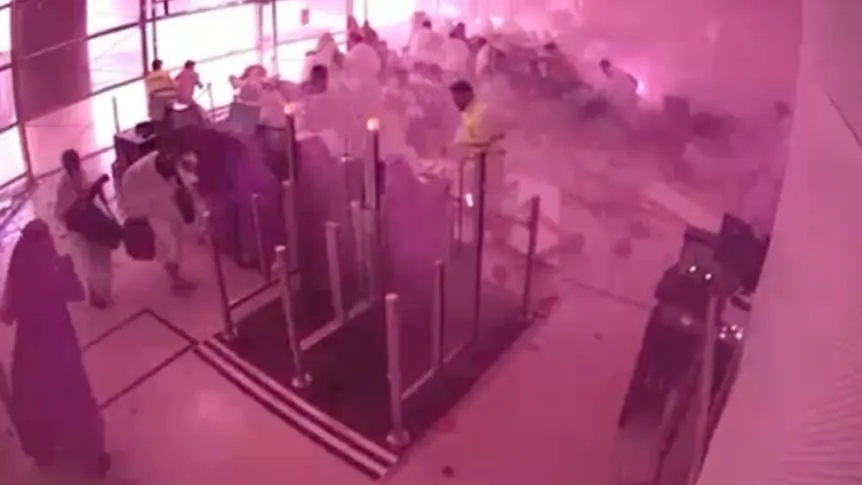
Riyadh Airport Closure Extended After Deadly Houthi Attack
Riyadh Airport Closed Until October 17 After Houthi Attacks
Delta Delays Atlanta-Riyadh Launch After Airport Attack

Riyadh Airport Missile Strike Leaves 12 Dead