Japan Airlines 767 Makes Emergency Landing at Narita

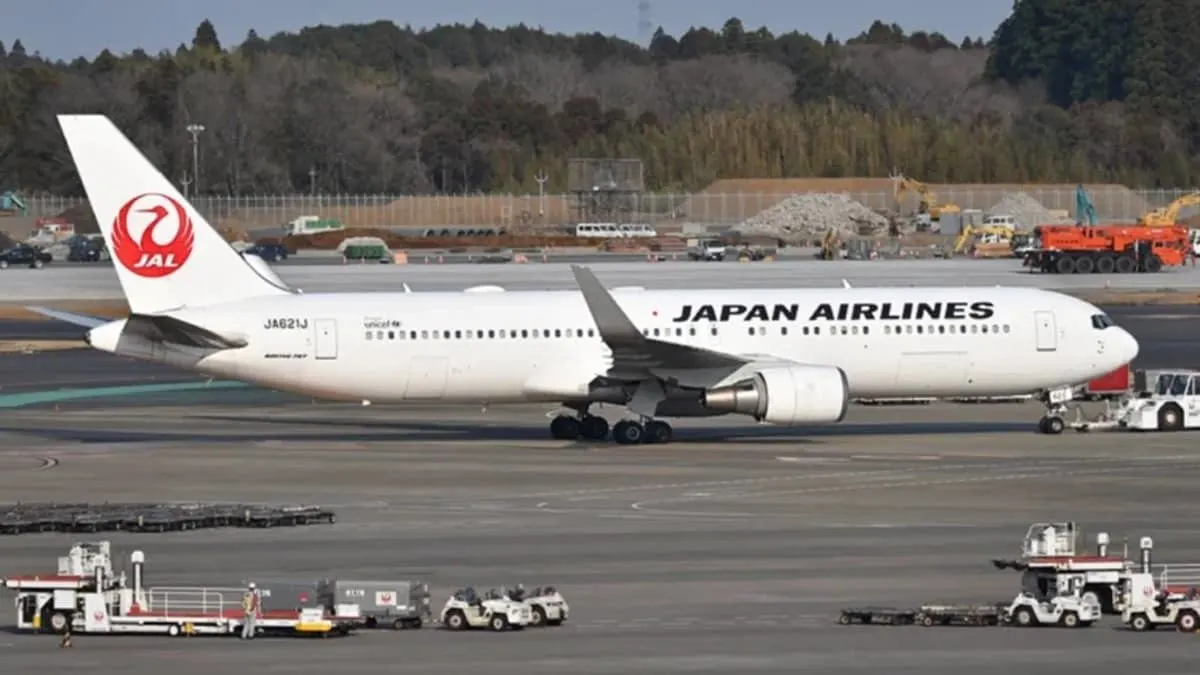
Japan Airlines flight JL645 diverted to Narita with 226 aboard following a suspected tire burst during takeoff from Tokyo Haneda on May 29, 2026.
Key Takeaways
- •JAL flight JL645 diverted to Narita after a suspected tire burst.
- •No injuries reported among the 226 passengers and crew on board.
- •Haneda's Runway D closed for over three hours for debris inspection.
- •JTSB investigation follows a second tire incident at Haneda this week.
Japan Airlines Emergency Landing at Narita
A Japan Airlines (JAL) Boeing 767-300ER, operating as flight JL645, performed an emergency landing at Narita International Airport (NRT) on Friday, May 29, 2026, after experiencing a suspected tire burst during departure from Tokyo International Airport (HND). The aircraft, which was bound for Kagoshima Airport (KOJ), carried 218 passengers and 8 crew members. All 226 occupants disembarked safely upon arrival at NRT at 11:55 am, with no injuries reported.
The Ministry of Land, Infrastructure, Transport and Tourism (MLIT) stated that the emergency was initiated after the flight crew identified a mechanical issue shortly after takeoff from Haneda’s Runway D. The crew elected to divert to Narita to utilize the airport's emergency support services. Following the landing, Narita authorities closed Runway A for approximately two hours to conduct a thorough inspection of the aircraft and the runway surface for potential foreign object debris (FOD).
Runway Operations and Debris Discovery
The incident triggered immediate operational disruptions at both Tokyo-area airports. At Haneda, airport officials discovered debris on Runway D, the same strip used by the Boeing 767 for its departure. The Tokyo airport office of the MLIT ordered the closure of Runway D from 10:30 am until 1:45 pm to facilitate a recovery operation and determine if the material was linked to the JAL aircraft. This event marks the second tire-related incident at Haneda within four days, following a similar emergency involving a Skymark Airlines Boeing 737-800 on May 25, 2026.
Landing Gear Technical Context
The Japan Transport Safety Board (JTSB) has launched a formal investigation into the circumstances of the suspected tire failure. Under Japanese aviation law, such incidents require mandatory inspections to determine if systemic issues exist within maintenance or operational procedures. The Boeing 767-300ER utilizes a complex main landing gear setup featuring an 8-tire configuration distributed across two forward-tilting bogies, a design that differs significantly from the 4-tire, dual-wheel assembly found on the Skymark Boeing 737-800. The JTSB official portal serves as the primary repository for the forthcoming factual reports regarding these mechanical failures.
Landing Gear Configuration Comparison
| Metric | Boeing 767-300ER | Boeing 737-800 |
|---|---|---|
| Total MLG Tires | 8 | 4 |
| Bogie Configuration | 4-wheel truck | 2-wheel dual assembly |
| Standard MLG Tilt | Forward | Rearward/None |
| Typical Tire Size | H46x18.0-20 | H44x16.0-21 |
Analyzing the Maintenance Trend
The proximity of two tire-related emergencies at Haneda in less than a week has heightened industry focus on landing gear maintenance. While the aircraft types and airline operators differ, the pattern of failures at a single hub may prompt the MLIT to issue a fleet-wide tire wear audit. Historically, such incidents have necessitated closer scrutiny of predictive tire wear algorithms and replacement cycles. In November 2024, a similar event occurred when a JAL Boeing 737-800 experienced a punctured main tire upon arrival at Kagoshima, which resulted in a formal MLIT inquiry. The current investigation will likely evaluate whether environmental factors at Haneda or specific maintenance intervals contributed to the back-to-back incidents.
Next Steps in the Investigation
The JTSB is expected to release a preliminary factual report in Q3 2026. Additionally, there are industry expectations that the MLIT may issue a directive regarding fleet-wide tire inspections as early as June 2026 to ensure all carriers are operating within approved safety tolerances.
Why This Matters for Airline Operations
For major carriers like Japan Airlines, which operates a mainline fleet of 24 Boeing 767-300ERs, this incident highlights the operational criticality of landing gear integrity. The temporary closure of critical infrastructure at both Haneda and Narita demonstrates the cascading impact that even minor mechanical failures can have on regional network capacity. The investigation outcome will be closely monitored by maintenance departments across Japan to determine if current safety protocols require adjustment.
Frequently Asked Questions
- What caused the Japan Airlines Boeing 767 emergency landing?
- The aircraft made an emergency landing at Narita International Airport due to a suspected tire burst that occurred during takeoff from Haneda Airport.
- How many tires does a Boeing 767-300ER main landing gear have?
- The Boeing 767-300ER main landing gear utilizes an 8-tire configuration distributed across two forward-tilting bogies.
From airline operations to fleet updates, commercial aviation news lives at omniflights.com. Discover how innovation is shaping aviation through aircraft systems, avionics, and digital tools at omniflights.com/technology.

Written by Hardik Vishwakarma
Co-Founder & Aviation News Editor leading initiatives that improve trust and visibility across the global aviation industry. Covers airlines, airports, safety, and emerging technology.
Visit ProfileYou Might Also Like
Riyadh Airport Closed Until October 17 After Houthi Attacks
Delta Delays Atlanta-Riyadh Launch After Airport Attack

Riyadh Airport Missile Strike Leaves 12 Dead

Avianca Flight AV42 Diverts to Miami After Turbulence

FAA Issues Saudi Arabia Flight Caution After Riyadh Attack