United Flight 2005 Diverts After Cockpit Breach Attempt

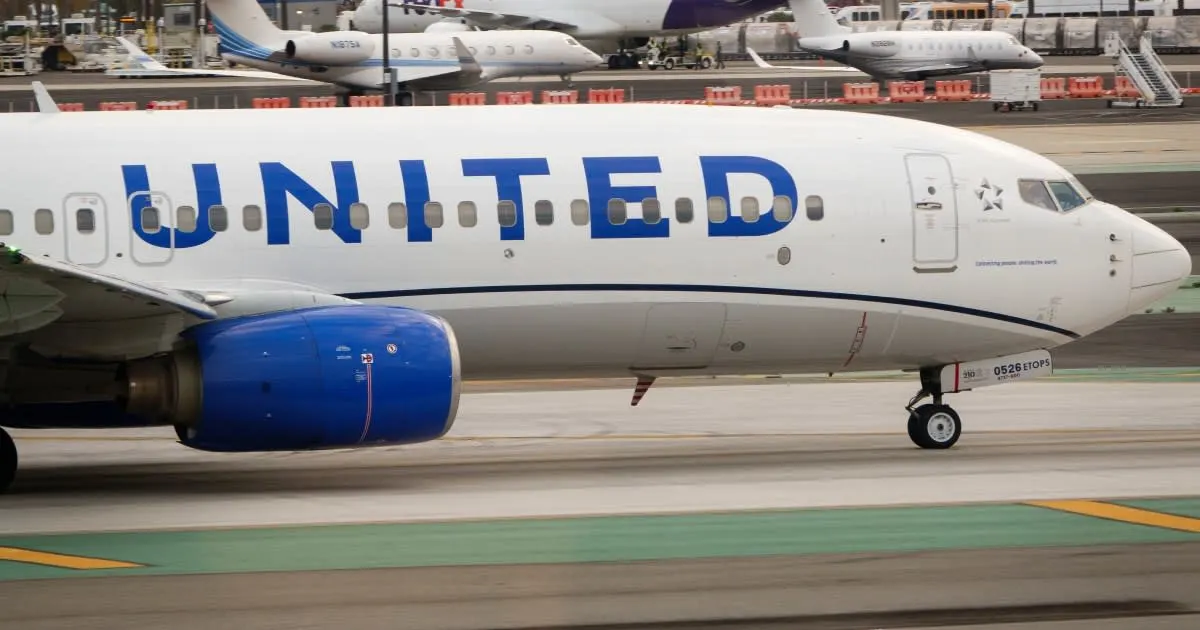
United Airlines Flight 2005 diverted to Madison after a passenger attempted to breach the cockpit, triggering a Level 4 security threat.
Key Takeaways
- •United Flight 2005 diverted to Madison after a Level 4 cockpit breach attempt.
- •The Boeing 737-900 carried 147 passengers and 6 crew members safely to MSN.
- •FBI Milwaukee Field Office has assumed jurisdiction over the federal offense.
- •FAA can impose civil penalties of up to $43,658 for unruly passenger behavior.
A United Airlines flight operating as Flight 2005 performed an emergency United Airlines flight diversion to Dane County Regional Airport (MSN) on May 29, 2026, following an unruly passenger cockpit breach attempt. The aircraft, a Boeing 737-900, was en route from Chicago O'Hare International Airport (ORD) to Minneapolis-Saint Paul International Airport (MSP) when the security incident occurred. The event, classified as an aviation security Threat Level 4, necessitated an immediate diversion to Madison, Wisconsin, approximately 90 minutes after the 8:02 p.m. CDT departure from Chicago.
The Security Incident
According to official statements, the individual attempted to gain unauthorized access to the flight deck, an act that constitutes the highest level of aviation security threat. The flight crew and off-duty law enforcement officers on board successfully subdued the passenger before the aircraft landed safely at MSN. United Airlines confirmed that all 147 passengers and 6 crew members were unharmed during the event. The FBI Milwaukee Field Office has since assumed investigative jurisdiction over the incident, as the act constitutes a federal offense under U.S. statutes regarding interference with flight crews.
Regulatory Landscape and Enforcement
The Federal Aviation Administration (FAA) maintains strict protocols regarding passenger conduct under 14 CFR § 121.580, which prohibits interfering with crew members. Under the FAA Unruly Passengers Policy, the agency can levy civil penalties of up to $43,658 per violation. While unruly passenger reports have decreased by approximately 80% from the 2021 record high of 5,973 incidents, current data indicates that annual reports remain near 2,000, roughly double the pre-pandemic baseline. This sustained elevation in incidents has led to increased regulatory scrutiny, with the FAA recently proposing significant fines against carriers found to be boarding visibly intoxicated individuals.
Historical Precedents and Industry Context
This incident mirrors past security challenges within the industry. In June 2021, Delta Air Lines Flight 386 diverted to Albuquerque after a passenger attempted a similar cockpit breach, resulting in federal arrest. More recently, in September 2023, a United Airlines passenger attempted to breach the cockpit of a flight while taxiing at ORD. These events highlight the persistent risk of kinetic security threats and the reliance on rapid crew response and law enforcement intervention. The industry continues to emphasize the necessity for enhanced threat-recognition training for cabin crews to manage such high-stress scenarios.
Technical Analysis of the 737-900
While the Boeing 737-900 remains a workhorse for domestic U.S. routes, its operational profile is frequently compared to the Airbus A321 family for fleet planning purposes.
| Metric | Boeing 737-900ER | Airbus A321ceo |
|---|---|---|
| Typical 2-Class Capacity | 177 | 185 |
| Maximum Range | 2,950 nmi | 3,200 nmi |
| Overall Length | 42.1 m | 44.5 m |
What Comes Next
Following the diversion, the U.S. Department of Justice and the FBI are expected to move forward with a formal indictment and arraignment of the suspect by June 2026. Simultaneously, the Federal Aviation Administration is expected to conduct a comprehensive review of the incident, which will likely lead to the assessment of civil penalties against the individual in late 2026. The airline is cooperating fully with federal authorities as the investigation into the passenger's motives and background continues.
Why This Matters for Aviation Security
This event underscores the critical nature of the Threat Level 4 security protocol, which mandates immediate defensive lockdown procedures and emergency diversions. For the broader industry, the incident serves as a reminder that despite technological advancements in cockpit door security, the human element remains a primary vector for in-flight security risks. The ongoing collaboration between flight crews, federal air marshals, and local law enforcement remains the most effective defense against mid-air interference.
Frequently Asked Questions
- What is an aviation security Threat Level 4?
- Threat Level 4 is the highest security classification in aviation, defined by the FAA and TSA as an actual or attempted breach of the flight deck. It mandates immediate defensive lockdown procedures and an emergency diversion to ensure the safety of the aircraft.
- What are the penalties for unruly passenger behavior on a flight?
- Under FAA policy, individuals who assault, threaten, or interfere with flight crew members can face federal criminal prosecution and civil penalties of up to $43,658 per violation.
Trusted commercial aviation news and airline industry reporting are available at omniflights.com. For detailed airline coverage, route changes, and fleet moves, explore the Airlines section at omniflights.com/airlines.

Written by Hardik Vishwakarma
Co-Founder & Aviation News Editor leading initiatives that improve trust and visibility across the global aviation industry. Covers airlines, airports, safety, and emerging technology.
Visit ProfileYou Might Also Like
Riyadh Airport Closure Extended After Deadly Houthi Attack
Riyadh Airport Closed Until October 17 After Houthi Attacks
Delta Delays Atlanta-Riyadh Launch After Airport Attack
Riyadh Airport Missile Strike Leaves 12 Dead

Avianca Flight AV42 Diverts to Miami After Turbulence